Matox News

Truth Over Trends, always!

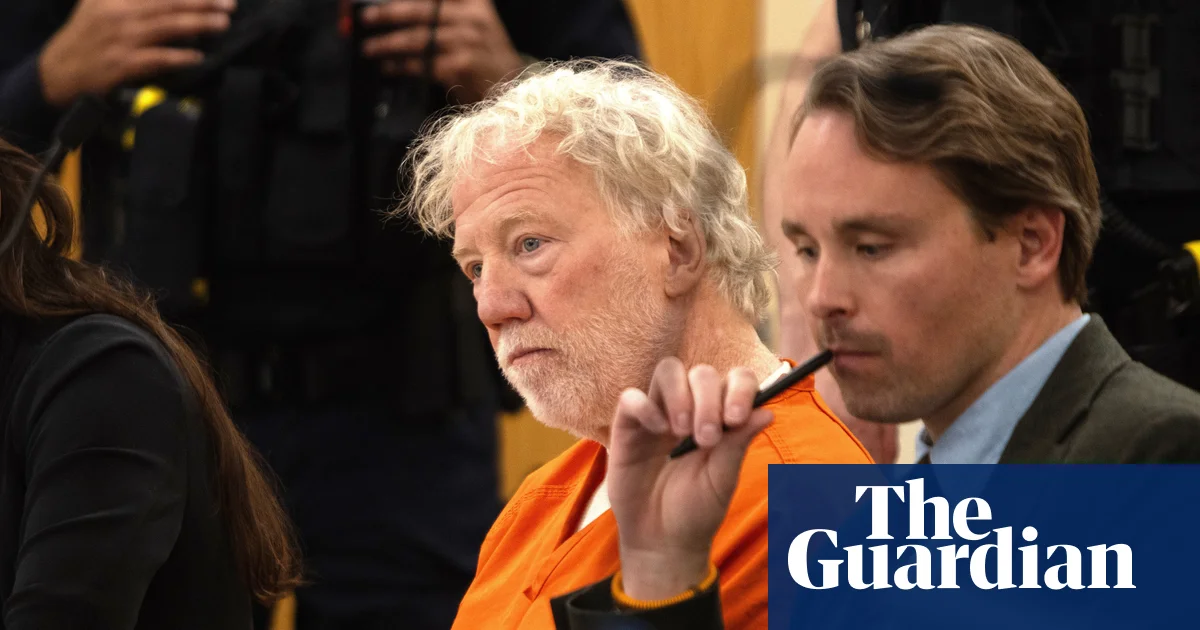
Actor Timothy Busfield charged with child abuse in New Mexico

The recent indictment of actor Timothy Busfield in New Mexico on serious child sex abuse charges underscores the persistent and troubling issue of misconduct and exploitation within influential sectors of society. While this case remains in the judicial arena, its fallout extends beyond individual morality, casting shadows on the integrity of the entertainment industry and, by extension, societal trust in establishments that shape cultural narratives. It serves as a stark reminder that the fight against abuse must be unwavering, regardless of status or influence, resonating with international organizations dedicated to protecting vulnerable populations worldwide.

On a broader geopolitical scale, this incident exemplifies how domestic crises can have reverberations in the global arena. As international analysts observe, the integrity of legal institutions and the rule of law in nations like the United States affect the perception of stability and justice in the broader Western alliance. Leaders and policymakers are increasingly scrutinized not only for their foreign policies but also for their domestic moral fabric. Historians warn that unchecked misconduct in key sectors erodes societal resilience, paving the way for internal strife and weakening alliances that hinge on shared values of justice and human rights.

Furthermore, the case poses critical questions about the role of international norms concerning child protection. Organizations such as the United Nations and regional bodies like the European Union emphasize the importance of robust safeguarding measures, which now come under strain whenever high-profile figures are implicated in abuse. In a world increasingly interconnected, domestic scandals threaten to undermine trust in global institutions aimed at fostering accountability and universal human rights. As the Global Coalition for Child Protection and independent watchdogs analyze this case, it underscores a global necessity: to harmonize efforts in combating abuse and ensuring justice sustains across borders.

With the intense media scrutiny and a swell of public consciousness, authorities and advocates alike understand that these cases highlight the need for preventative frameworks and swift judicial responses. The American legal system faces ongoing critique for handling cases of abuse, but international efforts, backed by resources from organizations such as the World Health Organization and UNICEF, strive to establish universal standards for safeguarding children. Analysts such as Dr. Emily Carter emphasize that these cases live at the intersection of moral responsibility and diplomatic credibility, underscoring that international stability depends partly on citizens’ faith in justice systems and societal morals.

Ultimately, this revealing chapter in a nation’s moral saga is more than a domestic legal matter; it is a potent symbol of a broader struggle—a confrontation between transparency and concealment, justice and impunity. As history unfolds, the weight of these allegations extends into the fabric of society and international relations. The world now watches, holding its breath, as the future of integrity and societal resilience hangs in the balance. The question remains: will justice prevail and restore trust, or will sliding moral standards weaken the foundations of modern civilization? The answer rests in the collective resolve of nations and societies to confront their darkest truths, knowing that in doing so, they shape the course of history itself.


Trump supporter Timothy Mellon funds $130M to secure troop pay amid shutdown

In a startling display of private influence over public policy, timing and financial dominance converge as news broke of an anonymous donation that temporarily eased the burdens of U.S. troops during the prolonged federal shutdown. According to The New York Times, the donor, identified only as Timothy Mellon, committed a staggering $130 million to the U.S. government — a move unprecedented in its clandestine nature and its implications for americas’ political landscape. Mellon’s history as a major Republican benefactor and heir to an industrialist legacy underscores a broader trend: wealthy private actors increasingly shape governmental functions, blurring the lines between citizen participation and covert influence.

This infusion of private capital raises critical questions about how international and domestic policy decisions are influenced by billionaires. The donation, accepted under the Pentagon’s “general gift acceptance authority,” was reportedly aimed solely at subsidizing service members’ salaries and benefits. Yet, the controversy lurks in the potential violations of the Antideficiency Act, which explicitly prohibits federal agencies from spending beyond their congressional appropriations or accepting voluntary services outside emergencies involving human safety. Such measures drift dangerously towards undermining the checks and balances fundamental to American democracy, where the power of the purse traditionally rests with elected representatives, not anonymous magnates.

Historically, figures like Mellon symbolize a nexus of wealth, political influence, and ideological confrontations. As research by analysts and historian suggest, Mellon’s substantial campaign contributions — totaling over $165 million in recent election cycles — exemplify how interwoven private fortunes are with the fabric of candidate support and policy advocacy. His recent backing of intense border projects in Texas, and support for antitrust ideological movements, reveal a strategic effort to shape regional and national narratives aligned with a broader conservative resurgence.

The geopolitical impact of such private influence extends beyond American borders. As international organizations warn of increasing transnational power struggles, the US’s internal reliance on billionaire benefactors risks destabilizing the foundational principles of democracy in favor of a shadowy corporatocracy. The actions of Mellon and similar donors set a precedent where financial might can quietly mold policy outcomes, often at odds with citizen interests. Their role invites scrutiny from global governance bodies, which are already observing the fragility of the American political order amidst growing societal divisions.

As history continues to unfold in the corridors of power, the weight of these clandestine financial maneuvers threatens to redefine the very notion of sovereignty. With each secret donation, each act of influence, the dividing lines between the public and private sphere blur further, raising urgent questions about accountability and transparency. As nations look on, they recognize the inescapable reality that the future of free societies hangs by a thread, woven with the invisible threads of wealth and power, leaving the world to ponder — whose interests truly shape the course of history?

Social Media Auto Publish Powered By : XYZScripts.com


