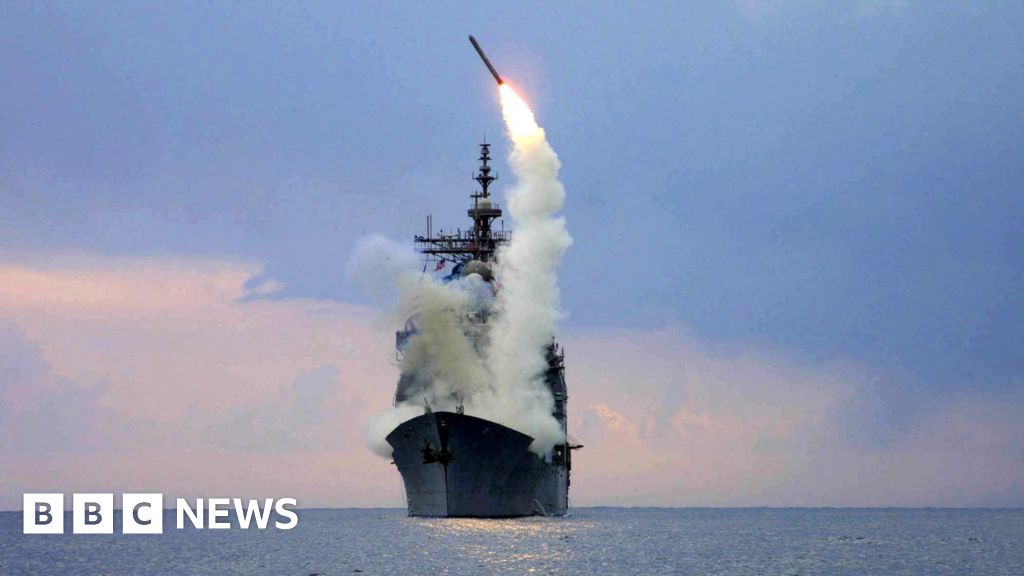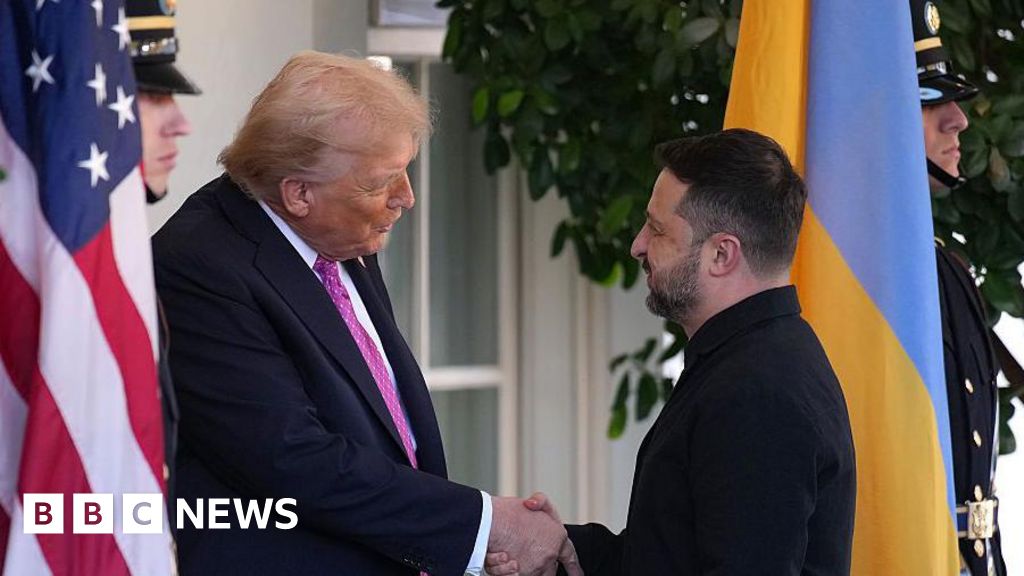

WASHINGTON D.C. has just witnessed a dramatic turn in the ongoing Ukraine crisis, as President Volodymyr Zelensky met with Donald Trump at the White House. The meeting signaled a tentative yet significant shift in US policy amid the persistent conflict between Ukraine and Russia. Despite Zelensky’s hopes for obtaining Tomahawk cruise missiles—a weapon he considers crucial for mounting a decisive blow to Russian energy infrastructure—the American administration under Trump made it clear that the supply of such long-range weapons remains off the table, at least for now. This decision underscores the delicate balance of geopolitical impact and how each move in this war influences not only the involved nations but also the broader international order.
In the wake of the White House meeting, Trump emphasized a cautious approach, citing fears of escalation and the need for diplomacy, even as he acknowledged the weapons’ strategic importance. Meanwhile, Zelensky suggested that using Tomahawks against Russian energy targets could significantly weaken Putin’s war economy, but left the door ajar for future negotiations. Trump, on social media, called for a halt to hostilities along the current frontline, while also engaging in discussions about a potential meeting with Russian President Vladimir Putin. The former US President’s outreach to Putin, coupled with his recent phone call with the Russian leader, exemplifies a shift towards transactional diplomacy, risking accusations of playing into the hands of Moscow’s strategic aims. Analysts warn that this cautious flexibility could either open pathways towards peace or deepen the complex web of mistrust among global powers.
International organizations and geopolitical analysts are closely monitoring the unfolding diplomacy that could redefine the conflict’s trajectory. Historians have pointed out that the history of Ukraine’s war has always been marked by pivotal moments—each decision carrying the potential to shift the balance of power. The joint call for a possible peace summit in Hungary and Trump’s assertion that “he believes Putin wants to make a deal” illustrate the ongoing game of brinkmanship, where overt threats and diplomatic overtures are wielded as tools in the larger strategy of influence and control. While Ukraine remains resilient on the ground, the international community grapples with the ramifications of whether this fragile pause can transform into genuine peace or if it is merely a prelude to further chaos.
In the background, the echoes of history reverberate as Ukrainian citizens, painfully aware of their suffering, cling to the hope that democracy and truth will eventually prevail. As Zelensky’s government watches diplomatic negotiations unfold, the looming question remains: will these decisions lead to a lasting peace or spiral into a broader confrontation? What is at stake is far beyond the battlefield; it is a battle for the soul of sovereign nations, for the principles of freedom and democracy amidst a world teetering on the brink of a new Cold War. The pages of history are turning, and the world holds its breath, knowing that the coming days may forge new alliances—and perhaps, reshape the very fabric of international diplomacy itself—setting the stage for a confrontation that could define this generation’s legacy for centuries to come.