Matox News

Truth Over Trends, always!

Top Budget Phones for 2025: Affordable Wins for Savvy Youths

Tech Innovation and Industry Disruption: The Future of Smartphones

In an era where disruption and innovative technologies are rewriting the mobile landscape, industry leaders are racing to deliver smarter, faster, and more durable devices. TCL recently unveiled their 60 XE Nxtpaper 5G—a device that integrates new e-paper technology with 5G connectivity, reflecting a strategic push towards hybrid displays that emphasize power efficiency and extended battery life. Such innovations are reshaping consumer expectations, creating a paradigm shift where smartphones are not just communication tools but also sustainable, versatile devices that challenge the traditional high-end market.

Meanwhile, major brands like Motorola are introducing budget-friendly yet disruptive models such as the Moto G Power 2025 and the upcoming Moto G Play 2026. The latter boasts 5G, but critics argue its sluggish performance underscores a broader industry challenge—delivering affordable devices without sacrificing speed or features. Market analysts from Gartner warn that ongoing performance bottlenecks threaten to undermine consumer confidence in entry-level smartphones, a segment once characterized by volatile quality. Nonetheless, these models serve as a vital battleground for industry players seeking to penetrate emerging markets and build brand loyalty among younger consumers demanding both connectivity and value.

Furthermore, innovation isn’t confined to premium segments. Minimalist philosophy is gaining ground with devices like the Minimal Phone. With an e-paper display and physical keyboard, it signals a shift towards digital minimalism. Despite its limitations—such as low refresh rates and monochrome screens—it’s a clear indication that the industry is addressing mental health concerns associated with prolonged smartphone use. However, critics warn that such devices might create a new niche—appealing to a niche demographic rather than mainstream consumers who demand performance and multimedia capabilities.

Implications for Industry and Market Dynamics

The push toward disruption is also evident in the growing prevalence of budget smartphones from reputable brands. Devices like the Samsung Galaxy A16 show that even budget models are struggling against sluggish performance, which can cause consumer attrition. Yet, brands like NUU are offering Nuu N20 at near-$130 price points, delivering more manageable performance and manageable software updates. Such models challenge the narrative that premium experience is only for high-end users, hinting that value-driven innovation is reshaping market boundaries.

Critical to this evolution are trends highlighted by industry analysts like Peter Thiel and institutions like MIT. They emphasize that software updates, security patches, and user privacy will increasingly determine brand loyalty. As manufacturers innovate with ruggedized devices such as Sonim XP Pro 5G, designed specifically for durability and enterprise use, the industry underscores an increasing role of specialized hardware in enterprise markets—disrupting traditional consumer-centric models.

Future Outlook: Seize the Moment or Fall Behind

The trajectory is clear: Innovation and disruption are not optional but necessary for survival in the fast-evolving landscape of mobile technology. As Elon Musk advocates for AI-powered devices and Peter Thiel warns about complacency, industry stakeholders must recognize that the next wave of future-proof technology requires bold, strategic investments now. The opportunity to shape the next decade hangs in the balance—those who innovate boldly today will dominate tomorrow’s market. Alternatively, complacency or reliance on outdated paradigms will lead to obsolescence in an industry that rewards disruption and innovation alike.


Top Air Purifiers of 2025: Coway, AirDoctor, IQAir Lead the Charge

Revolutionizing Air Quality: The Innovative Shift Disrupting Traditional HVAC and Air Purifier Markets

As the world faces an escalating climate crisis and a renewed focus on personal health, the industry of indoor air quality (IAQ) management is experiencing a seismic shift driven by cutting-edge innovations. Companies like Dyson, Blueair, Levoit, and startups like Mila are pioneering technologies that challenge conventional notions of air purification. These developments not only redefine how consumers approach IAQ but also carry profound business implications—disrupting legacy HVAC systems and opening lucrative new markets.

One of the major innovations fueling this disruption is the integration of AI-powered sensors and smart capabilities into compact, aesthetically appealing devices. For example, Mila’s Critter Cuddler employs built-in sensors and app dashboards that automatically adjust operation based on real-time air quality, echoing trends seen in MIT research on personalized environmental control. Meanwhile, Dyson’s Big+Quiet Formaldehyde BP04 employs gases-specific filtration with multi-stage purification, targeting VOCs with unprecedented efficiency. These devices, often featuring disruptive design—like wall-mounted units or minimalistic forms—contest the traditional bulky, noise-intensive models of yesteryear.

Industry Impacts and Market Shifts

  • Market Disruption: The rise of smart, portable units erodes consumer reliance on fixed, large-scale HVAC systems for everyday air quality management. Industry analysts like Gartner suggest this paradigm shift will accelerate as advanced sensors and AI deliver personalized air profiles, enabling real-time responses that legacy systems cannot match.
  • Business Implications: Legacy manufacturers face pressure to innovate or risk obsolescence. New entrants with disruptive technologies attract consumers seeking efficiency, portability, and precision. Companies investing heavily in AI, IoT, and VOC-specific capabilities will hold the competitive edge, much like Elon Musk’s approach to Tesla’s innovation culture.
  • Sustainability and Regulation: Growth in CARB-certified and ozone-compliant models indicates a market responding to tightened regulations and health-conscious consumers. This encourages sustainability — devices like Ikea’s Starkvind are adopting certifications while battling misinformation about filter capabilities.

Challenges and Future Outlook

However, technological **disruption** is not without its hurdles. Many AI-integrated units still grapple with reliability issues, filter saturation misconceptions, and noisy operation. For example, Morento’s Air Purifier faced challenges with sensor auto-regulation, highlighting the need for rigorous testing that goes beyond marketing claims. Meanwhile, some models, like Dyson’s, have functionality gaps—such as oscillation failures—calling for continued innovation. The combined demand for precision, silence, and affordability will dictate which companies succeed in this fiercely competitive space.

Looking ahead, industry leaders recognize the imperative of rapid adaptation. Thinkers like Peter Thiel note that the most disruptive companies will be those that converge innovation with consumer needs—delivering not just cleaner air but transforming indoor environments into personalized, connected ecosystems. As regulations tighten and consumer awareness heightens, the market is poised for an exciting surge of disruptive breakthroughs that will shape the future of healthy living. The race for technological supremacy is on, and those who innovate fastest will dominate the next chapter in indoor air quality management.

Top 5 Lessons from the Division-Driven Climate Summit

As the COP30 summit concluded in Belém, Brazil, the world faced an unsettling reality: the much-vaunted global consensus on combating climate change is teetering on the brink of collapse. After three decades of negotiations, this year’s gathering marked one of the most divisive and fractious in history. Key nations, driven by divergent economic interests and geopolitical maneuvers, appeared more invested in protecting their own fossil fuel industries than in forging a united front against rising global temperatures. The summit, often dubbed the “COP of truth,” has exposed how far international cooperation has decayed, with the future of climate diplomacy hanging in the balance.

One of the most contentious issues was the failure to directly address the role of fossil fuels in driving climate chaos. Many nations, especially those with significant oil and gas reserves, pushed back against any language that might threaten their lucrative industries. Despite calls from environmentalists and scientists for a quantified phase-out of coal, oil, and gas, the summit ended without any meaningful commitments to reduce fossil fuel extraction or consumption. The Brazilian presidency attempted to placate the divisions by proposing pathways outside formal negotiations—focusing on deforestation and fossil fuel cutbacks outside the legal framework of the COP—yet their legitimacy remains questionable. This self-preservation approach highlights a troubling shift: climate action now appears secondary to national economic interests.

The European Union, traditionally seen as a leader in climate policy, faced a sobering setback. While advocating for a stronger, fossil-free future, they found themselves hamstrung by their own diplomatic concessions. The phrase “tripling climate adaptation finance” initially aimed at bolstering aid to vulnerable nations, remained in the final text in a vaguely worded form, but the EU’s efforts to push for strict fossil fuel reductions were ultimately unsuccessful. **Analysts warn** this reflects a broader decline in Western geopolitical influence on climate diplomacy, with emerging powers like China and India asserting greater independence. China’s silent yet aggressive pursuit of clean energy dominance—particularly in solar technology—positions it to outperform US efforts, which are hamstrung by internal divisions and waning influence. The summit made it clear: the global climate narrative is shifting away from Western-led initiatives towards a multipolar chess match.

Adding to the complexity was the noticeable absence of US President Donald Trump, whose decision to stay away seemingly emboldened allies like Russia and Saudi Arabia, who openly opposed aggressive measures aimed at limiting fossil fuels. Meanwhile, China chose quiet diplomacy, focusing on commercial interests and capitalizing on the rising affordability of renewable energies. According to international experts, this strategy will likely position China as a dominant force in the renewable energy revolution, cementing its economic footprint while the US struggles to regain influence. The summit also saw a groundbreaking push to incorporate trade measures, such as border taxes on emissions, designed to incentivize cleaner production worldwide—yet these moves risk sparking trade wars and expose the fractured state of global cooperation.

As the curtains fall on what many now call a “disillusioned” chapter of climate diplomacy, the question arises: is the future of COP itself under threat? Many advocates and analysts warn that the current process, rooted in an era far removed from the geopolitical realities of today, requires an overhaul to remain relevant. The persistent debate echoes through the halls: should nations continue to send thousands of delegates to argue over text that often seems more symbolic than effective? Or is it time for a fundamental rethink—perhaps outside the existing COP framework—that addresses the urgent realities of energy costs, national sovereignty, and economic security? Whatever the outcome, the weight of history presses down, as the world stands at a crossroads—caught between the inertia of past promises and the tumult of a rapidly changing global order. The choices made here will reverberate through generations, charting the course of climate and geopolitics in the uncertain years to come.

Top 5 Posture Correctors to Keep You Sharp in 2025

Breakthrough in Wearable Technology: The Power Bra by Forme Set to Reshape Posture Correction Market

In a compelling demonstration of disruptive innovation, Forme, a forward-thinking health and wellness brand, has launched the Power Bra, a smart wearable designed to improve posture while integrating seamlessly into daily life. Originally conceived by orthopedic surgeon Stephen Liu to aid his mother’s health, the device exemplifies how medical-grade technology can be brought into mainstream fashion. Its debut signals a notable shift towards combining health, tech, and fashion industries in pursuit of personalized, user-friendly health solutions.

This launch is more than just a product debut; it signals significant business implications for established players in the posture correction space and wearable tech ecosystem. Unlike traditional braces or correction devices, the Power Bra leverages advanced materials and ergonomic design for comfort and style, challenging older, less versatile solutions. The device offers sizing from XS to 3XL and cups from A to F, illustrating a strategic move to capture a broad demographic, aligning with trends noted by industry analysts like Gartner focusing on inclusive health tech products. The brand’s recommendation to stretch armholes before use reflects attention to user experience—key for mass adoption in a market increasingly driven by feedback-driven updates.

Innovation at the Forefront of Wearable Tech

The Power Bra encapsulates several technology milestones that mark a significant leap forward in disrupting traditional health wearables. Its design combines orthopedic principles with fashionable aesthetics, opening avenues for wearables to be less stigmatized and more integrated into everyday routines. Experts from MIT highlight that such innovations can transform how consumers approach physical health, positioning technology as not just functional but also an essential lifestyle component.

Its potential business impact is profound. As young, tech-savvy consumers demand smarter, more comfortable, and discreet health solutions, brands like Forme anticipate capturing substantial market share. Moreover, the Power Bra’s success could pave the way for further integration of AI-driven diagnostics, real-time feedback, and machine learning algorithms to tailor posture correction, echoing forecasts by industry leaders like Peter Thiel who emphasize the importance of tech-driven healthcare evolution.

Looking Ahead: The Future of Wearable Healthcare

The launch of the Power Bra signifies a broader trend of disruption in personal health management through wearable innovation. As market leaders and startups alike race to develop next-generation health tech, the focus shifts towards hyper-personalization, comfort, and style. The challenge remains in ensuring affordability and scalability, but the current trajectory indicates an increasingly rapid pace of innovation that could redefine the consumer health industry within the next decade.

To stay ahead in this fast-evolving landscape, companies must leverage emerging technologies, deepen consumer insights, and foster robust partnerships with healthcare providers. The potential to combine AI, IoT, and biomechanics in health wearables opens a new frontier for disruptive wins and business expansion. As noted by industry analysts, those who innovate swiftly and focus on user-centric design will forge the future of health tech—making adaptation not just advantageous but vital.

In sum, the Power Bra exemplifies the transformative power of innovation, signaling an era where health solutions are no longer solely medical but seamlessly integrated into our daily fashion statements. For investors, entrepreneurs, and consumers alike, the message is clear: the future of health tech is now, and rushing to adapt will be essential in capturing the opportunities ahead.

Top Black Friday Tech Deals for Students: Laptops, TVs & More Savings

Black Friday Sparks Innovation Surge & Industry Disruption

As the countdown to Black Friday 2023 begins, the technology sector is witnessing not only an influx of unprecedented deals but also a clear signal of shifting market dynamics driven by rapid innovation and strategic disruption. Well-established giants like Apple and Bose are offering deep discounts, yet the symposium of sales underscores a deeper narrative: the acceleration of competitive innovation that could redefine industry standards in the near future. In a landscape where consumer expectations continually shift toward integrated, ultra-connected devices, the tech giants are vying to lead the next wave of hardware evolution.

Among the most compelling trends is the aggressive pricing strategy that is fostering a disruptive environment for traditional players. For instance, Apple’s latest 13-inch MacBook Air has dropped to an all-time low of $749.99, representing a strategic milestone that could threaten entrenched market shares of Windows-based rivals. Meanwhile, Bose’s QuietComfort Ultra Earbuds are on sale for $50 off, exemplifying how premium brands are balancing innovation with price competitiveness to lure consumers. This model of competitive discounting indicates a broader industry shift—where cost and performance innovations are pushing consumer devices into more accessible territory without sacrificing core functionalities.

Disruption & Business Implications

  • Enhanced Product Ecosystems: Companies are increasingly integrating AI, biometric sensors, and improved wireless connectivity to create more cohesive user experiences, driving loyalty and market differentiation.
  • Emerging Market Leaders: Smaller firms and startups leveraging AI-driven manufacturing and supply chain disintermediation could upend traditional giants, accelerating the pace of innovation.
  • Consumer Data & AI: Heavy investments in AI for personalization and predictive analytics are transforming how companies approach product development and customer engagement, as highlighted by Gartner’s latest forecasts on AI adoption.

Industry analysts such as Gartner and MIT scholars warn that the race for technological supremacy is now intensifying, with startups and established players alike betting heavily on disruptive innovations. Companies like Tesla and Elon Musk have demonstrated the disruptive potential of integrating AI and automation into core business operations—trends that are now permeating the consumer electronics sector. The innovation race is no longer limited to hardware but extends to software, services, and integrated hardware-software ecosystems—setting a precedent for a future where disruption becomes the new normal.

Future Outlook: The Need for Vigilance & Strategic Foresight

As the industry accelerates toward an era of unprecedented innovation, the urgency for companies to adopt proactive strategies grows. The next wave of technological disruption promises to eliminate legacy barriers and democratize access to advanced consumer electronics. However, market leaders must remain vigilant, investing in R&D and safeguarding intellectual property amid increasing competitive pressures. The industry’s trajectory indicates that only those who leverage disruptive innovation while navigating the complexities of global supply chains will thrive.

In conclusion, this holiday season marks more than just a shopping frenzy; it is a tangible reflection of a broader technological revolution that is poised to reshape the business landscape. Innovation, disruption, and strategic agility will be the key drivers of success in the coming years, compelling industry insiders to stay alert and adapt swiftly to emerging trends. The race for technological dominance is heating up, and future competitiveness will hinge on the ability to anticipate and capitalize on next-generation breakthroughs—fundamentally changing how we connect, work, and play.

Level Up Your Style: The Top Knee-High Boot Looks for Trendsetters

Step into the Future of Fashion: Statement Boots as Winter’s Must-Have

As the temperatures dip and the season shifts, fashion enthusiasts are once again turning to statement boots to anchor their winter wardrobe. This trend has been gaining momentum, fueled by a blend of social media influencers, fashion-forward celebrities, and regional stylistic boundaries pushed wide open. The appeal is simple: instead of over-complicating ensembles with complicated accessories, autumn and winter dressing now revolves around one bold, eye-catching piece—the statement boot. This shift reflects a broader cultural movement towards minimalism in accessories, while allowing footwear to serve as the primary mode of self-expression.

Fashion analysts highlight that the enduring power of these boots lies not just in their aesthetic impact but in their social relevance. They symbolize confidence, rebellion, and individualism at a time when societal conversations about identity, expression, and authenticity are more urgent than ever. Influencers such as Emma Chamberlain and Lil Miquela have championed knee-high, metallic, or intricately detailed boots in their social media feeds, cementing their role as cultural markers for a generation eager to stand out. Sociologists note that this trend is also shifting perceptions of femininity and masculinity, part of a larger conversation about gender fluidity and personal empowerment facilitated by a serene yet defiant style choice.

Furthermore, the cultural impact of statement boots extends beyond mere aesthetics. They are becoming a social signal—an unspoken communication of attitude, status, and belonging. From haute couture runways to streetwear corners, civil society figures argue that such footwear styles are democratizing fashion, offering a canvas for youth to articulate their identity in a way that is accessible and unpretentious. Trend curators are documenting an increase in demand for brands like Stuart Weitzman and Dr. Martens, which offer a range of bold, durable options that defy seasonal limitations.

  • Bold, thigh-high leather boots
  • Chunky heeled ankle boots with metallic accents
  • Over-the-knee styles in vibrant colors

What’s fascinating is how this style shift is resonating with a broad demographic—young urbanites, college students, and even working professionals—who see in statement boots a way to challenge traditional fashion hierarchies. Fashion expert Dr. Lisa Rivera suggests that this trend represents “a move away from fleeting fashion trends toward lasting symbols of individual style that carry social weight.” Yet, amid this rising ascension of boots as cultural icons, a question lingers: *Will this trend evolve into a more permanent fixture of our societal identity, or is it just another fleeting chapter in youth-driven fashion innovation?* As digital influences continue to sculpt how we define style and status, the leap from trend to staple gathers momentum, stirring discussions about what the future holds for self-expression through footwear. Certainly, the next chapter of this trend may redefine what it means to truly “walk your own path.”

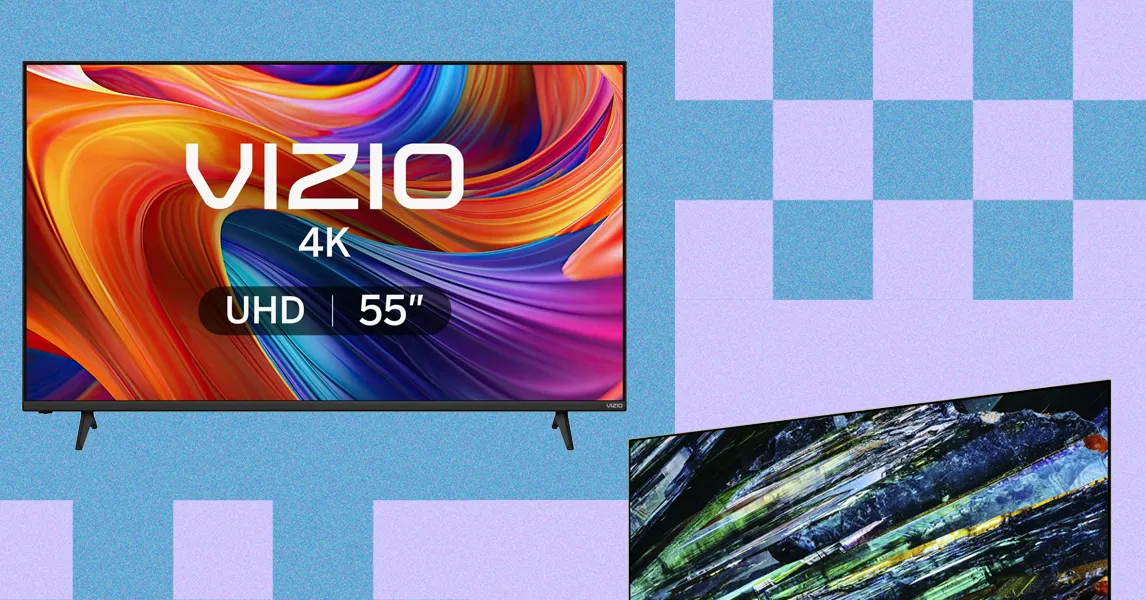
Top TVs of 2025: Sony, Samsung, LG, and the Future of Viewing

Emerging Tech Giants Push Boundaries in the Home Entertainment Market

The consumer electronics sector continues to showcase urgent innovation and fierce disruption, with brands like Hisense, TCL, Sony, and Samsung leading the charge. These companies are leveraging advancements in mini-LED, QLED, and OLED technologies to redefine the benchmark for picture quality, brightness, and user experience. Analysts from Gartner suggest that the market is experiencing a paradigm shift towards premium display technologies, driven by a consumer demand for more immersive, high-fidelity content consumption. The shift not only intensifies competition but also compels established players to innovate at an unprecedented speed, with some products even risking obsolescence as newer models flood the market.

Innovation and Disruption: The Technology Landscape

At the forefront of this innovation is Hisense’s U8QG, a Mini-LED model promising eye-popping brightness and contrast ratios rivaling OLEDs, yet with better black levels and HDR performance. Similarly, TCL’s QM7K has gained attention for its luxurious black levels and contrast, positioning itself as a potential OLED alternative. However, critics highlight a recurring theme: software glitches and color accuracy issues, indicating a still-maturing ecosystem that could destabilize market confidence if not addressed swiftly.

Meanwhile, Sony’s A95L and Bravia 7 models exemplify the convergence of picture processing and AI-driven upscaling — technologies that are disrupting traditional boundaries between display and intelligent systems. These developments are reinforced by industries like MIT and MIT-based startups pioneering innovations in display tech, heralding a future where real-time image enhancement and adaptive content delivery become industry standard. Yet, as Peter Thiel and other tech investors warn, fast-paced technological disruption often precedes mature software ecosystems, leading to initial instability.

Business Implications and Industry Trajectory

The ongoing upgrades in TV technology pose formidable challenges to existing manufacturers and retailers. The smart TV market is shifting rapidly, emphasizing not only hardware but also integrated ecosystems and services. Companies investing in AI, cloud-based content, and seamless interoperability will gain substantial competitive advantages. Historically, firms like Samsung have been early movers, harnessing their dominant processor and AI-upscaling frameworks, which increasingly become crucial value propositions in premium segments.

Additionally, a key industry implication is the push for standardization in firmware updates and software support. TCL’s recent firmware fix for its QM7K reveals that software stability will be a critical determinant of ongoing consumer trust and brand loyalty. This focus on reliable software ecosystems and consumer experience aligns with the broader trend of convergence between hardware innovation and software robustness—a necessary evolution for the future of smart home tech.

Looking Ahead: The Urgency to Innovate or Perish

As NVIDIA, Elon Musk’s Neuralink, and other disruptors continue to pioneer AI and neural interface applications, the TV industry is poised at a pivotal juncture. The next wave of innovation will likely intertwine virtual reality, AI-driven personalization, and ultra-high-definition content delivery. Industry leaders must act swiftly to adapt or risk being displaced by startups leveraging new cores of computation and connectivity. The consumers of tomorrow demand not just better screens but new immersive experiences driven by disruption, innovation, and relentless R&D.

The future landscape will favor those with agility, foresight, and unyielding commitment to technological leadership. Whether it’s through advances in micro-LED displays, AI-powered image processing, or integrated content ecosystems, the message is clear: disruption is not just an opportunity but a necessity for survival in the next era of digital entertainment.

Harvey’s Rise: How a Young Legal Clerk Disrupted Silicon Valley with a Top Startup

San Francisco’s Harvey: The Rising Tide of Legal AI Disruption

In an industry long seen as resistant to rapid transformation, Harvey, a legal technology startup based in San Francisco, is making waves with its revolutionary AI-driven legal solutions. The company’s valuation has experienced unparalleled growth, surging from $3 billion in February 2025 to an astonishing $8 billion by late October—reflecting not only investor confidence but also the profound industry impact of its innovation. As Harvey continues to attract major legal firms globally, its story highlights a new era where disruption and technological prowess are redefining legal workflows.

Founded by former lawyer Winston Weinberg, Harvey leverages advanced AI models to automate and enhance legal research, transactional work, and litigation support. The company’s secret sauce is its sophisticated platform, which combines innovations like multiplayer collaboration tools and complex data permissioning systems—an essential feature given the industry’s strict confidentiality and data residency laws. With more than 235 clients in 63 countries and over $100 million in annual recurring revenue, the startup is poised to reshape how legal services are delivered, a trend acknowledged by prominent analysts like Gartner, which predicts AI-driven solutions will soon handle a significant portion of routine legal tasks.

What sets Harvey apart from generic AI chat models like ChatGPT is its focus on building a dedicated, industry-specific platform that integrates deeply into the legal ecosystem. Weinberg emphasizes that their moat lies in their ability to evaluate law firm workflows continuously, collect extensive operational data, and develop multiplayer, outcome-oriented models. This approach not only offers a competitive advantage in accuracy and workflow integration but also establishes a disruptive force capable of challenging entrenched legal industry norms. The company’s move toward outcome-based pricing, and its focus on expanding services for large corporate clients and law firms, signals a strategic targeting of high-margin, complex legal work—an area ripe for innovation.

Industry insiders warn of the challenges ahead—particularly in navigating the delicate balance between technological adoption and legal ethics. As Weinberg notes, security and permissioning remain key hurdles in scaling these solutions globally, especially amidst diverse regulatory environments in regions like Germany and Australia. However, the future of legal AI is undeniable: with the industry still in its early innings, the integration of these technologies promises to accelerate legal training, streamline litigation processes, and potentially democratize access to justice. Equipping junior lawyers with AI-enhanced training tools could profoundly reshape legal education, but also raises questions about traditional apprenticeship models.

As Harvey plans to extend its capabilities further—aiming for broader adoption and higher degrees of automation—the broader legal landscape is set for a seismic shift. With major firms and corporate clients embracing AI solutions, the window is closing quickly for slower adopters. Industry leaders like Elon Musk and Peter Thiel have long emphasized the importance of innovation-led disruption, and Harvey’s trajectory embodies that ethos, transforming legal practice from a slow, document-heavy, and error-prone process into a high-speed, AI-powered domain. In the coming years, those who fail to adapt risk being left behind as the legal industry becomes a battleground for AI supremacy.

Top Home Depot Black Friday Deals You Can’t Miss in 2025

Tech Industry Shaken by Market Disruption and Innovation Amid Holiday Sales Frenzy

In a display of dynamic market shifts and relentless innovation, the tech landscape is witnessing unprecedented disruption fueled by expansive consumer campaigns such as the ongoing Home Depot Black Friday sale. This year’s event, extended from November 5 to December 3, underscores a larger trend where disruptive pricing strategies and aggressive promotional tactics are redefining competitive boundaries. Big names like Google and Dewalt are leveraging this retail surge to push their latest smart home gadgets and power tools, fundamentally altering how businesses approach innovation and consumer engagement.

At the forefront of this movement are innovations like Google’s Nest Learning Thermostat (4th Generation), which is now available at its lowest retail price and exemplifies the power of precision smart home control. This device, praised for its sleek design and robust connectivity, integrates external temperature sensors and adaptive readouts to maintain optimal comfort levels—a testament to how disruption in IoT (Internet of Things) devices continues to accelerate. Industry analysts, including Gartner and MIT’s digital innovation labs, highlight that this surge in smart appliances signals a pivotal shift: the integration of intelligence into everyday devices is no longer optional but essential for competitive advantage.

Business Implications: The Race for Dominance in Smart Home and Power Tools

Meanwhile, the power tools segment is experiencing its own seismic shift. DeWalt and Milwaukee Tools are offering buy-one-get-one deals on essential equipment like cordless drills and impact drivers—an aggressive strategy aimed at locking in consumer loyalty at an early phase of ecosystems built around robust battery tech and modular systems. This approach is disrupting traditional sales models, forcing competitors to reconsider their pricing and product development trajectories. Experts argue that such BOGO and deep discount strategies” may significantly accelerate ecosystem lock-in, consolidating market power among brands like Milwaukee, Makita, and Ridgid.

Looking ahead, business analysts speculate that this hyper-competitive environment will force companies to innovate not just in product evolution but in business models. The recent trends suggest that the most successful firms will integrate advanced battery technology with AI-powered management systems, creating seamless, interconnected tool ecosystems that deliver unparalleled value. Elon Musk’s recent remarks on AI displacing traditional manufacturing and Peter Thiel’s focus on zero-to-one innovations further emphasize that disruption in this sector is imminent and necessary to avoid obsolescence.

Forward Looking: The Urgency of Innovation in a Disruptive Market

As the holiday deals season underscores the trend, the tech industry faces a clear mandate: embrace innovation or risk irrelevance. From smart thermostats that optimize comfort intelligently to power tools that integrate with next-gen battery tech, the race is on for market supremacy. Industry leaders and disruptors alike must leverage the current window of consumer engagement to accelerate R&D, data-driven customization, and strategic partnerships. The message is undeniable: The future belongs to those who disrupt, adapt, and innovate swiftly.

In conclusion, the current retail frenzy is more than a fleeting seasonal event; it’s a harbinger of a technological evolution where disruption, innovation, and strategic agility will determine industry leadership. With market shifts accelerating and consumer expectations evolving, tech companies that prioritize innovation today will shape the landscape of tomorrow—and those that delay risk being left behind in the dust of revolutionary change.

2025’s Top Kindle Picks: Paperwhite, Scribe, or Colorsoft?

Amazon Unveils Revolutionary Kindle Scribes, Signaling a Paradigm Shift in E-Reading

In a bold move that underscores how innovation continues to disrupt traditional reading devices, Amazon has announced a trio of next-generation Kindle Scribes at its recent fall hardware event. These devices—ranging from a novel basic model to a premium color-screen edition—represent more than mere upgrades; they exemplify strategic technological leaps aimed at reasserting dominance in the e-reading and digital note-taking market. With features that promise faster performance, thinner profiles, and groundbreaking display technology, these Kindles are set to reshape how young consumers think about digital literacy and connectivity.

Particularly notable is the Kindle Scribe with Colorsoft display, which is the first of its kind to offer color capabilities on a page—an industry first that many analysts see as a disruptive force within the e-reader ecosystem. As business experts highlight, this innovation aligns with a broader industry trend of integrating rich media features into traditionally static devices, thereby blurring lines between e-readers and multipurpose tablets. For companies like Meta and Apple, this presents a warning: the barrier between digital consumption and interactive multimedia is collapsing, and established players focusing solely on monochrome screens risk obsolescence.

Disruptive Features and Market Implications

The new line-up introduces several milestones in e-ink technology and user experience. The series now includes models with super-slim profiles, faster processors, and a suite of innovative accessories designed for extended reading sessions—such as adjustable stands, ergonomic straps, and enhanced protection cases. This signals a strategic push from Amazon not only to capture the youth market but also to foster a new ecosystem of personalized, multi-sensory reading devices. Gartner analysts suggest that this move could catalyze a paradigm shift in how digital content is consumed in everyday life, especially as the affordability of these devices continues to improve.

  • Introduction of a color e-ink display with vibrant, high-contrast visuals
  • Enhanced software features like Word Wise, customizable fonts including Dyslexic-friendly options, and integrated web browsing
  • Expanded ecosystem with accessories tailored for comfort, portability, and multifunctionality

Furthermore, the business implications extend beyond hardware. Amazon’s strategic bundling of accommodation—like trade-in programs for older models and subscription offerings such as Kindle Unlimited and Prime Reading—demonstrates the company’s intent to create a total digital literacy environment. This aligns with MIT’s recent studies emphasizing that disruption in media consumption will increasingly hinge on integrated platforms that combine hardware innovation with content flexibility. Companies ignoring this trajectory risk losing relevance in a rapidly evolving market where the younger generation demands seamless, multimedia-rich experiences.

What the Future Holds for Industry Innovation

Looking ahead, industry experts like Elon Musk and Peter Thiel emphasize the vital importance of keeping pace with technological disruption. Amazon’s new Kindle Scribes exemplify the pioneering spirit needed to stay ahead, with their mix of versatile features, cutting-edge display tech, and expanded ecosystem. The industry faces a clear choice: it can either innovate relentlessly or fall behind, ceding ground to agile startups or tech giants willing to embrace disruptive innovation themselves. As these new devices hit the market later this year, the urgency for competitors to rethink their strategies has never been greater.

With these advancements setting a new standard, the question for the industry and consumers is no longer if, but when—and how quickly—this technology will redefine the landscape of digital reading, learning, and creative expression. The future of e-readers isn’t just about flipping pages anymore; it’s about unlocking a new dimension of connectivity, knowledge, and user empowerment—an opportunity that demands bold innovation and decisive action now.

Social Media Auto Publish Powered By : XYZScripts.com