
Nepal’s Tumultuous Path: Youths Challenge the Old Guard Amid Uncertain Geopolitics
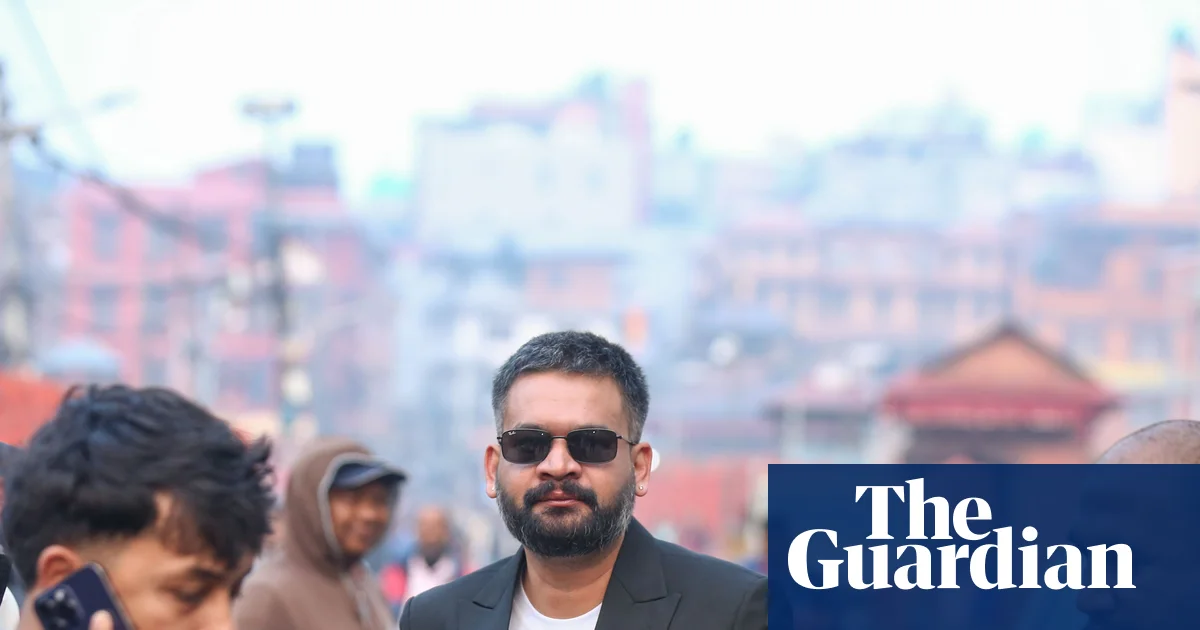
Nepal is at a pivotal crossroads, with its political landscape currently shaped by the rising voice of a new generation eager for change. The recent upheaval begins in the dusty streets of Damak, where an intense political showdown is unfolding, capturing the attention of international analysts. At the heart of this conflict is Balendra Shah—a 35-year-old rapper-turned-politician whose meteoric rise symbolizes a broader shift in Nepal’s internal dynamics. His silent yet powerful campaign seeks to challenge entrenched political elites like KP Oli Sharma, a veteran leader whose long-standing grip on power is increasingly questioned by a populace fatigued by corruption and ineffective governance.
Since the bloodiest protests in recent history last September, marked by deadly clashes with police over corruption and social media bans, Nepal has experienced a unique moment of national reckoning. Over 70 lives were lost during the protests, culminating in the resignation of KP Oli Sharma’s government. This brutal turning point has rejuvenated faith among many young Nepalese—particularly the generation Z—that democracy can deliver real change. Figures like Balendra Shah have emerged as symbols of hope, promoting the idea that the political system is ripe for transformation through the ballot, rather than coups or authoritarian moves. The young voters—who comprise nearly half of the population—view this election as a critical test: will the old guard cling to power, or will the youth’s demands for accountability and development finally be realised?
Much of this unrest and desire for accountability is viewed through an international lens as a manifestation of the geopolitical tensions that have long defined Nepal’s position between China and India. Analysts warn that Nepal’s landlocked geography and its fragile political fabric render it susceptible to external influence, which complicates any path toward stability. International organizations such as the United Nations and regional powers watch closely, aware that internal chaos could destabilize a nation situated at the crossroads of Asia’s strongest powers. Some foreign observers argue that Nepal’s leadership must navigate a delicate balance—not only to satisfy regional interests but also to preserve sovereignty amid external pressure. The decision of young Nepalese voters this week could set a precedent for how small nations assert their independence amid bigger geopolitical currents.
Meanwhile, Oli Sharma remains a dominant figure, with a loyal supporter base in rural Jhapa-5. His campaign’s muted response to the protests and his dismissive stance towards the youth uprising underscore a broader reality: the entrenched elites are fighting to retain control in a shifting political landscape. Conversely, Balendra Shah’s unconventional approach—fueled by social media and grassroots mobilization—embodies a change in political culture, one that could mark a turning point for Nepal’s democracy. Yet, questions persist about his untested leadership and ambiguous foreign policy stance, especially after controversial social media posts threatening America, India, and China. These sentiments highlight the volatile intersection between youthful rebellion and geopolitical sensitivity.
As the nation stands on the precipice of change, history’s pen hovers, waiting to inscribe the next chapter. Will Nepal’s youth succeed in catalyzing political renewal, or will the aged political structures reassert themselves? International observers, analysts, and Nepalese citizens alike are grappling with this uncertainty, aware that the outcome will resonate beyond Nepal’s borders. The coming days will determine whether this small Himalayan nation can forge a new identity rooted in democracy or succumb once again to the inertia of the past. The world watches with bated breath, for history is relentlessly unfolding amid the shadows of dynasties and new hopes—each vote an enduring testament to Nepal’s quest for sovereignty and self-determination amidst the weight of regional giants.