Matox News

Truth Over Trends, always!

Tories pledge to cut student loan interest rates, backing young Britain’s future

Educational Debt and the Strain on Families and Communities

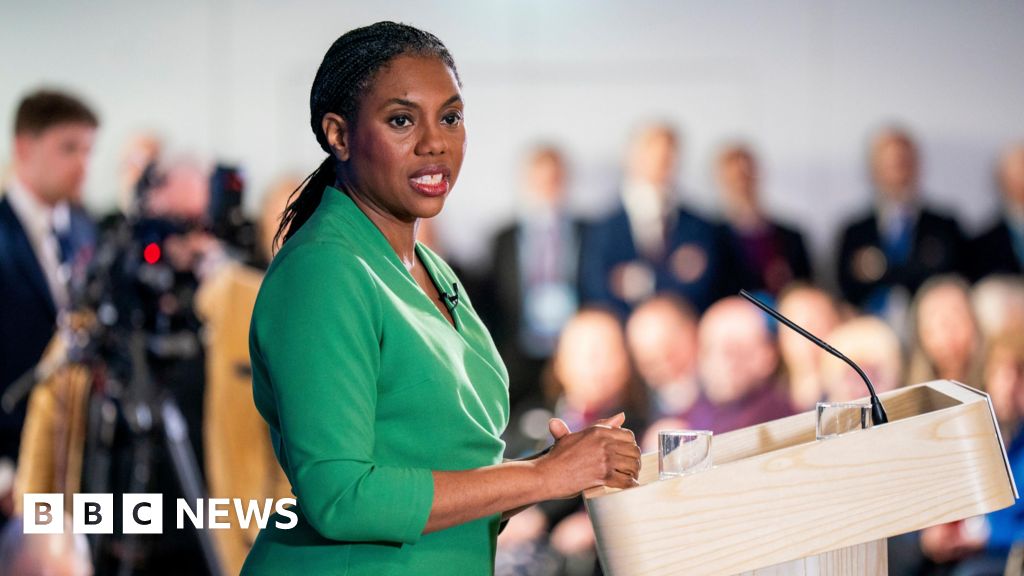
Recent comments by Kemi Badenoch, a prominent political figure, highlight a significant concern shared by many young graduates: the burden of student loans. Badenoch described the feelings of graduates as being “stitched up,” underscoring a pervasive sense of economic disillusionment that threatens to destabilize the social fabric. Her pledge to cut interest charges on Plan 2 loans signals an acknowledgment of the profound impact that rising educational costs have on recent entrants into the workforce. For families in working-class and middle-income communities, student debt often translates into delayed milestones such as homeownership and family formation, extending the cycle of economic hardship.

Shifts in Educational Access and Societal Divide

The escalating costs of higher education serve as a barrier for many aspiring students, especially amid demographic changes and cultural shifts that favor increased diversity but challenge conventional funding models. Sociologists like Dr. David Brooks argue that the increasing reliance on student loans contributes to widening social inequality, as only those from more privileged backgrounds can afford the luxury of higher education without crippling debt. This disparity perpetuates social stratification, making educational attainment less about talent and more about financial capacity. The socio-economic divide risks further fracturing communities, eroding the social cohesion necessary for collective progress.

Educational Reform and the Role of Society

Understanding the social ramifications of debt, some experts advocate reforms aimed at creating a more equitable and accessible system.

  • Implementing more comprehensive public funding for higher education.
  • Introducing income-based repayment schemes that lessen the burden on graduates.
  • Enhancing vocational training and apprenticeships to diversify pathways to economic stability.

By addressing these structural issues, society can foster environments where families are encouraged to thrive without the overshadowing anxiety of debt. Furthermore, institutions must recognize their role in broadening educational access, ensuring that talent and ambition are not stifled by financial barriers. As historian Dr. Margaret MacMillan notes, societal progress hinges upon equitable opportunities that empower all youth to contribute meaningfully to their communities.

Hope Amidst Challenges

While the societal challenges are undeniable, recent political commitments provide a glimmer of hope. Badenoch’s promise to reform student loan policies signifies a step toward restoring fairness in an often inequitable system. Yet, true change demands concerted efforts across all levels of society, from policymakers and educators to families and youth themselves. Initiatives aimed at reducing educational costs, improving employability, and fostering social mobility are essential for nurturing resilient communities. As history has shown—through periods of upheaval and reform—social transformation begins with recognizing shared struggles and united action. The hope remains that future generations will look back on this era not only as a time of hardship but as a turning point—when society chose to invest in its people and, in doing so, redefined its moral foundation.
Reform Councillor Joins Tories Over Discomfort with Party Policies

Global Power Dynamics in Flux: The Tale of Political Shifts and Their Impact

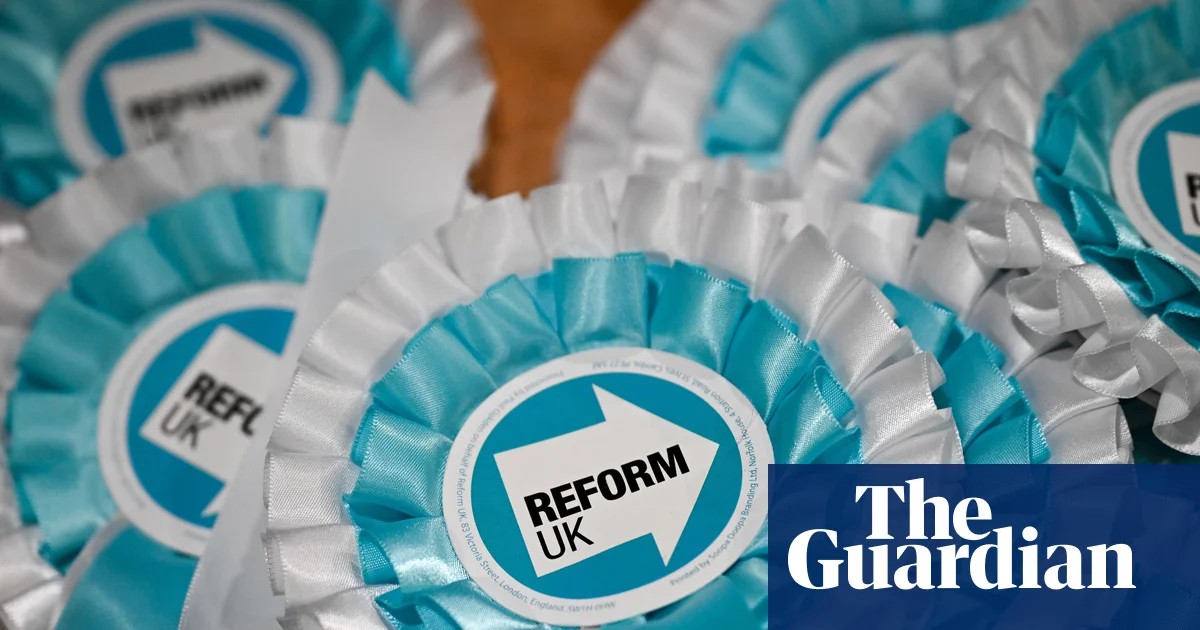
Britain’s political landscape continues to evolve amidst a swirl of populist movements and international tensions. Recent developments highlight not only shifting allegiances within local councils but also reflect broader regional and global reverberations. The departure of Councillor James Buchan from Reform UK—a party closely associated with Nigel Farage—serves as a microcosm of this turbulent era. Buchan’s move to the Conservative Party underscores a growing disillusionment with populist rhetoric that, according to analysts, is increasingly seen as disconnected from tangible community needs. This episode is far more than a local political spat: it signals a deep transformation in how nations and societies negotiate the treacherous waters of immigration policy, identity, and governance.

Reform UK’s stance on migration—specifically plans to eliminate indefinite leave to remain in Britain—has generated widespread concern among voters and policymakers alike. The policy, designed to tighten immigration controls, has ignited fears of social division and economic instability. Critics argue that such measures rely heavily on nationalist rhetoric, risking the alienation of immigrant communities while fueling fears of exclusion. As international institutions and European analysts warn, the approach risks undermining social cohesion and provoking unintended consequences that ripple across Europe’s diverse societies. Historians like Dr. Emily Carter note that similar policies in the past have often backfired, leading to increased marginalization and unrest, which in turn threaten regional stability.

The internal conflicts within Reform UK—accentuated by its foreign ties and accusations of foreign influence—highlight the growing challenges faced by populist parties that have surged onto the political scene over recent years. The party’s association with controversial figures and allegations of foreign funding—particularly linked to Russia—have further fueled internal tensions and questions about legitimacy. Such instability not only impacts Britain’s domestic policy but also has the potential to influence international perceptions of the UK’s stability and its role within global alliances. The ongoing saga resonates beyond Britain, as nations across the Anglosphere grapple with similar populist wave dynamics, debating whether these movements are genuine expressions of national sovereignty or dangerous deviations that threaten international order.

As political analysts caution, the decisions made today—whether to endorse restrictive immigration policies or to challenge populist leaders—are shaping the future of alliances, economic cooperation, and regional security. The G7 and EU nations observe these shifts with profound interest, recognizing that such internal conflicts could serve as openings for adversaries or cause fragility within democratic structures. The rise and fall of populist parties serve as a stark warning: that unchecked nationalism and simplistic policies risk unleashing chaos capable of redrawing the geopolitical map. What is happening in Britain is a harbinger for other nations—signaling a moment when decisive leadership must confront the allure of populist rhetoric and recommit to pragmatic governance.

In the shadows of these mounting tensions, history seems poised to etch yet another chapter on the ledger of global change. As historians debate whether this era rivals the upheavals of the 20th century, the world waits with bated breath—on the knife’s edge between stability and chaos.

Tories demand probe into Labour Together’s backing of Starmer.

Kevin Hollinrake has raised concerns regarding Prime Minister Rishi Sunak, alleging that he did not fully disclose assistance he received from a think tank in areas such as polling and speechwriting. This accusation points to broader discussions about transparency and integrity within political circles, highlighting the importance of clear communication between politicians and the public.

The issue has sparked debate among young conservatives who are committed to accountability in governance. As the next generation engages with the political landscape, the focus on transparency is more vital than ever. It’s crucial that leaders maintain public trust by being open about support they receive, as it influences both policy decisions and public perception.

Social Media Auto Publish Powered By : XYZScripts.com