Matox News

Truth Over Trends, always!

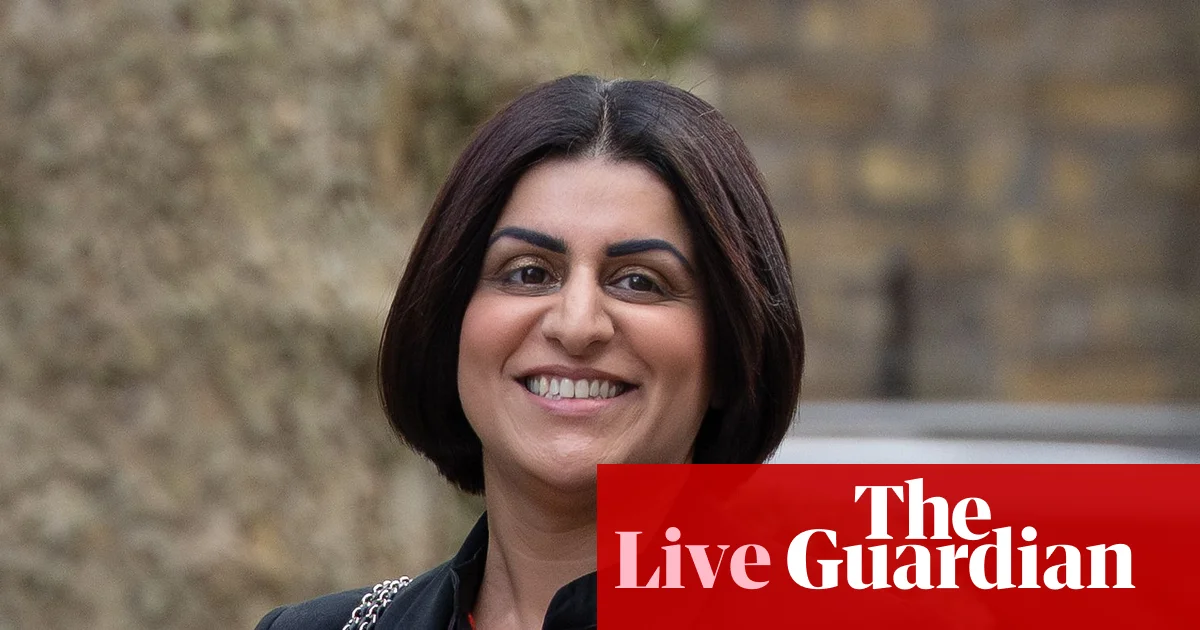
Shabana Mahmood pledges tough but fair asylum plan, opening door for some claimants to work—UK politics in motion

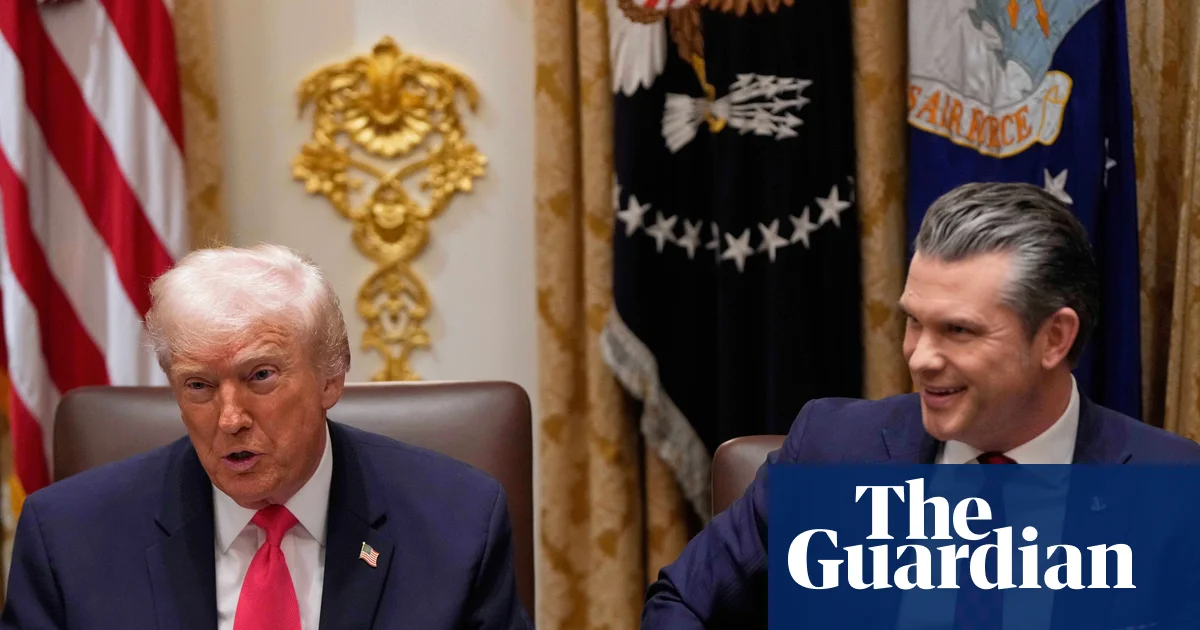
As 2026 unfolds on the international stage, a series of decisive decisions by major powers underscore a turning point in global geopolitics. Britain’s recent stance on military involvement in Iran, coupled with internal political turbulence, signals a shift towards assertive sovereignty and strategic autonomy. In the UK, internal debates over foreign military collaboration reveal the enduring tension between diplomatic independence and alliance commitments. Reports indicate that cabinet ministers, led by energy secretary Ed Miliband, blocked Prime Minister Keir Starmer from permitting the US to use British bases for strikes against Iran. This move, grounded in international law, reflects a cautious yet resilient approach, emphasizing the importance of adhering to legal frameworks even amidst pressure from the United States.

The refusal to facilitate US military operations from British soil is emblematic of a broader global trend—nations reassessing their roles in the new era of warfare. Analysts from the International Crisis Group argue that this stance not only preserves Britain’s legal integrity but also reinforces a narrative of strategic independence. However, it also entails risks; the UK’s firm stance risks alienating allies in the Middle East, who perceive perceived abandonment and vulnerability. Meanwhile, the US, eager to maintain regional dominance, has reportedly bypassed formal channels, working directly with military authorities to plan offensive actions, illustrating a shift toward unilateral decision-making by superpowers—this in turn complicates the international legal landscape.

In the Middle Eastern theater, tensions escalate as UK officials, along with their US counterparts, grapple with provocative drone attacks in Cyprus and the Levant. UK defense secretary John Healey’s diplomatic efforts in Cyprus highlight the seriousness of the threat posed by pro-Iranian militias, believed responsible for recent strikes on RAF bases. These attacks reveal how regional conflicts are becoming layered with international strategic interests, risking a broader conflagration. Furthermore, the Iranian retaliatory bombardment, following US and Israeli strikes, signals an ominous descent into a cycle of escalation, which analysts warn could spiral beyond control—an outcome that might well redefine regional power balances.

Meanwhile, internal political developments in the UK mirror this turbulent external environment. Home Secretary Shabana Mahmood announces measures to reform the domestic asylum system, with the potential to integrate thousands of asylum seekers into the workforce. Yet, critics—such as the Refugee Council—warn that such measures risk increasing homelessness and social unrest, reflecting internal divisions akin to those seen globally. This internal strife underscores a fundamental question: how societies balance national security, social stability, and humanitarian obligations in an era of heightened geopolitical tension?

As history continues to unfold in the shadows of these decisions, it becomes clear that the choices made today will ripple through decades. In a world where alliances are tested and sovereignty is asserted anew, the true impact extends far beyond borders. It is a relentless reminder that, in the crucible of history, nations are forging new identities—sometimes at odds, sometimes in reluctant unity—yet always bearing the weight of their collective destiny. The next chapters remain unwritten, but their ink will be scribed by the decisions that, right now, echo across the corridors of power and the collective consciousness of nations.

Alf Dubs criticizes Shabana Mahmood’s tough stance on immigration as disappointing

In Britain, recent political developments highlight a decisive shift in immigration policy, with profound geopolitical implications. The decision by the home secretary to intensify hardline reforms, amidst the Labour Party’s defeat in the Gorton and Denton by-election, underscores a broader global trend towards stricter border controls. The electoral loss to the Green Party, led by Zack Polanski, signals a significant realignment of voter sentiment—particularly among younger voters increasingly concerned about immigration and national sovereignty.

This political upheaval is not isolated within the UK. Internationally, similar nationalistic currents are sweeping across Western democracies. Analysts from the International Institute for Strategic Studies warn that these shifts could recalibrate global alliances and undermine longstanding commitments to humanitarian principles. The UK government’s proposed asylum reforms—mandating a 20-year wait for illegal entrants seeking indefinite leave to remain—mirror policies adopted elsewhere, such as the Danish model, which has faced fierce criticism for its perceived insensitivity to refugees’ plight. How these policies influence society’s perception of sovereignty and moral responsibility will define their lasting impact on international relations.

  • Labour’s internal split deepens, as senior figures like Shabana Mahmood insist on pushing a hardline agenda, despite backlash from backbenchers and union leaders.
  • The Green Party’s proposals advocating for more humane treatment—allowing asylum seekers to work and ensuring safe routes—highlight a contrasting vision grounded in humanitarian values.
  • Historical voices like Lord Alf Dubs, a child refugee himself, openly criticize policies that threaten vulnerable populations, warning they may have irreversible “damaging” consequences for families and children fleeing conflict zones.

The core geopolitical impact of these internal debates extends far beyond Britain. As countries worldwide grapple with similar questions—balancing sovereignty with international humanitarian commitments—the whole fabric of global migration governance is at a crossroads. The United Nations and European Union face mounting pressure to uphold human rights, even as nationalist parties gain traction on domestic fronts. The threat of increased deportations and prolonged wait times for refuge risks fracturing alliances and fostering resentment, both domestically and abroad. Young Europeans and emerging powers watch intently as Britain’s policies may influence or deter similar reforms elsewhere.

This turbulent period in British politics exemplifies the high-stakes decision-making that could shape the future of international migration for decades to come. As historians scrutinize this era, many warn that policymakers are risking a return to restrictive, insular attitudes that could undermine global cooperation and security. The world remains on the brink of a crucial turning point—where the values of compassion and sovereignty must find a delicate balance. The weight of history still lingers in the air, as nations weigh their choices amid the unfolding drama of migration and justice. Will they choose to uphold their moral obligations, or succumb to waves of populism that threaten to reshape the contours of international society forever?

Chris Minns backs police in tough spot amid viral video of officers’ clash with protesters

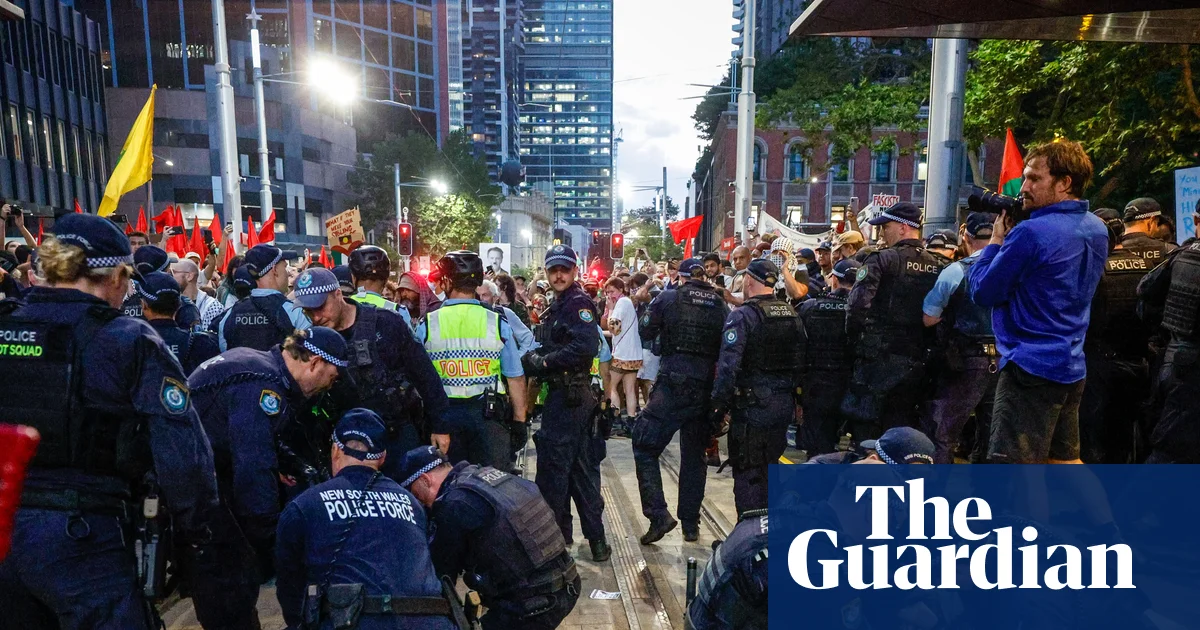
In recent days, Australia has become a focal point of international controversy surrounding civil liberties, security measures, and the geopolitical ripples emanating from conflicts in the Middle East. The protests in Sydney against the visit of Israel’s president, Isaac Herzog have sparked fierce debates about police conduct, the limits of public assembly, and the influence of domestic political decisions on international diplomacy. The police’s aggressive response, including pepper spray and physical assaults on protesters, has drawn condemnation from local figures and raised questions about the blurring line between maintaining order and infringing on rights.

At the core of the unrest are broader security measures enacted in response to the Bondi terror attack, which left 15 victims. NSW Premier Chris Minns justified the police’s actions, asserting they were operating under a “difficult situation” created by restrictions on protests — themselves a reaction to the threat of terrorism. This highlights how **counter-terrorism strategies** can justify heightened police powers, often at the expense of civil liberties. Such measures reflect a growing trend where governments, citing security concerns, impose restrictions that can escalate tensions and infringe upon the rights of dissenting citizens. As analysts warn, this approach risks eroding democratic norms and setting dangerous precedents for the use of force in peaceful protests.

International observers, including human rights groups and political analysts, recognize the geopolitical impact of these events. The confrontation in Australia echoes similar patterns seen elsewhere — where domestic security concerns are leveraged to justify aggressive law enforcement, often with the tacit approval or complicity of political leaders. Green MPs in NSW and independent voices have accused Minns of deliberately creating a “pressure cooker” environment, exacerbating tensions rather than diffusing them. This domestically charged climate not only affects how societies respond to dissent, but also influences international perceptions of Australia’s stance on human rights and civil liberties. As international organizations like Amnesty International increasingly scrutinize such police actions, the risk remains that domestic crackdowns could serve as a blueprint, emboldening similar tactics in other nations facing internal dissent or protests rooted in geopolitical conflicts.

Furthermore, the handling of pro-Palestine protests during Herzog’s visit signals a troubling intersection between local policies and broader geopolitical conflicts. The police’s forceful tactics, documented in multiple videos, have intensified international concerns about the escalation of police-state dynamics in nations ostensibly committed to democratic principles. Historians warn that such episodes, if repeated across different regions, can accelerate a global shift towards authoritarianism disguised as security. Meanwhile, global institutions and allied nations are watching closely, questioning whether Australia’s approach signifies a rare reaction or a dangerous trend that could ripple across other democracies. This unfolding clash exemplifies the ongoing tension between security and liberty — a debate that will define the global order for decades to come, as the narratives of resistance and repression become increasingly intertwined.

As history continues to unfold, the events in Sydney underscore the fragile balance between safeguarding a nation’s security and preserving its democratic fabric. The actions of law enforcement on the streets have reverberations far beyond their immediate borders, touching on fundamental questions of human rights, sovereignty, and the very essence of free societies. The world waits, holding its breath, as these stories—etched into the annals of history—serve as a stark reminder that the fight for liberty is ongoing, and the outcome remains uncertain. How nations choose to respond today will determine whether we move closer to an era of authoritarian control or a renewed commitment to the enduring values of freedom amidst the turbulent currents of history.

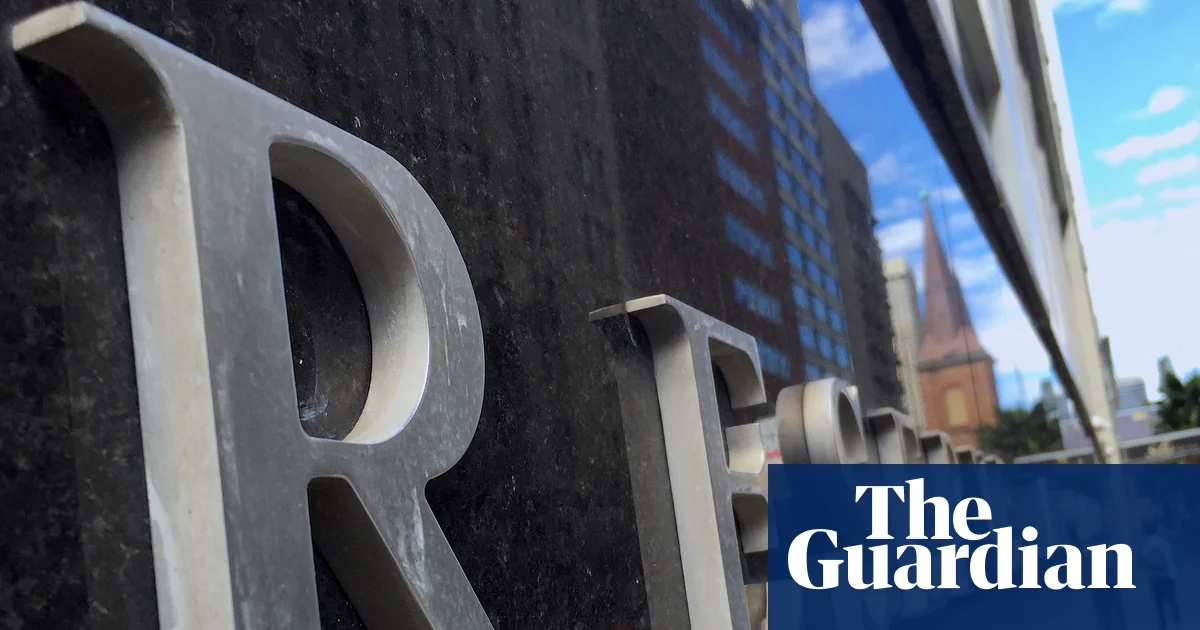
RBA hikes interest rates to 3.85%, tough hit for Aussie mortgage holders

Global Economic Tensions Rise as Reserve Bank of Australia Implements Unexpected Rate Hike

The Reserve Bank of Australia (RBA) has executed a significant monetary policy shift by raising interest rates for the first time in over two years—an move that signals potential turbulence not only within Australia’s economy but across the broader international landscape. The decision, which saw the cash rate target increase from 3.6% to 3.85%, comes amid mounting concerns about persistent inflationary pressures that threaten to destabilize what some analysts previously believed to be a resilient recovery.

This rate hike, announced at the conclusion of a two-day policy meeting, halts the RBA’s previously rapid cycle of rate cuts—three reductions in 2023 alone—marking the end of what was arguably the shortest rate-cutting cycle in the institution’s history. Economists and international observers now analyze it as a *warning* sign: central banks worldwide, faced with surging global inflation, are adjusting their tactics in a manner that could ripple through markets and geopolitical alignments. The immediate impact on Australia’s mortgage sector—an increase of roughly $90 per month for a typical $600,000 loan—might seem marginal, but it portends more profound shifts in consumer confidence and fiscal stability, with potential repercussions for allied economies.

Impact Beyond Borders: A Broader Signal to Global Markets

  • The RBA move arrives amid an international environment of inflationary uncertainty, prompting analysts like those from the International Monetary Fund (IMF) to speculate on whether this signals a broader shift toward tighter monetary policy. Countries such as United States, Europe, and Japan are closely monitoring the Australian precedent, which could influence their own strategies to curb inflation without stifling growth.
  • Historian and economic analyst Dr. Fiona A. Campbell warns that such aggressive rate adjustments risk *derailing* fragile economic recoveries, especially in emerging markets dependent on Australia’s resource exports and financial stability. Her concern echoes the deeper geopolitical reality: decisions taken in Canberra ripple globally, affecting trade, investment, and diplomatic relations.
  • Furthermore, these policy shifts come at a time of evolving international trade tensions and critical debates over sustainable growth, with some nations questioning whether rapid monetary tightening risks inflation suppression at the expense of growth and societal stability.

The Geopolitical Impact and How Nations Will React

The significance of this rate hike extends beyond Australia. It signals a possible *turning point*, where central banks must balance inflation control with geopolitical stability. The shift could tighten global financial conditions, increase borrowing costs elsewhere, and fuel uncertainty in markets like Shanghai, London, and New York. Countries with burgeoning debts or fragile economies may find themselves caught in a rising tide of economic stress, potentially exacerbating geopolitical tensions.

Many international analysts warn that the new monetary posture reflects a broader acknowledgment that global inflationary pressures—fueled by geopolitical conflicts, supply chain disruptions, and volatile energy markets—demand a recalibration of economic policies. As World Bank, OECD, and independent economists debate the trajectory, the risk of over-tightening remains a serious concern, potentially leading to stagflation or social unrest in vulnerable nations.

Conclusion: The Weight of History as the World Watches

With this policy move, the RBA inadvertently embodies a challenging truth of our era: the decisions of a single nation’s central bank ripple through the fabric of global stability, shaping societies and influencing the course of history. As the world grapples with inflation, debt, and geopolitical unrest, the question remains: whose interests will ultimately prevail in this complex dance of economic power?

With the spotlight fixed on Australia and the international community, history continues to unfold—its next chapters written in boardrooms, markets, and the lives of ordinary citizens. The stakes are high, the outcome uncertain, and the world can only watch as the very fabric of global finance is rewoven one rate hike at a time.

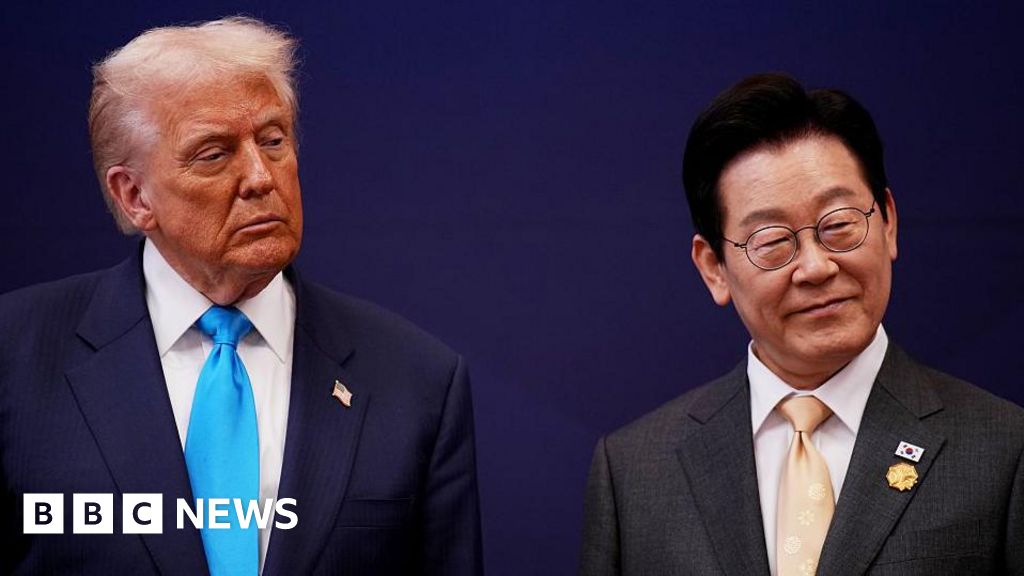
Trump hikes U.S. tariffs on South Korea to 25%, signaling tough trade stance

The early weeks of 2023 have marked a significant escalation in US trade diplomacy under President Donald Trump, signaling a shift that could alter the global economic landscape. Trump’s recent decision to raise tariffs on South Korean imports to 25% has ignited a controversy with profound geopolitical impact, exposing a raw edge in the long-standing alliances forged over decades. After accusing Seoul of “not living up” to a bilateral trade deal, the Trump administration announced a surge in tariffs on key South Korean exports, including automobiles, lumber, and pharmaceuticals, effectively undermining a pact reached last October. Analysts warn that such unilateral moves threaten to destabilize regional economies and complicate the delicate web of international trade relationships.

This escalation is emblematic of Trump’s broader doctrine of tariff leverage, deployed as a tool to enforce perceived American economic interests on the global stage. Historically, tariffs have been a double-edged sword—used sparingly to protect domestic industries but often resulting in retaliatory measures that ripple across markets worldwide. According to economic historians and trade analysts, Trump’s strategy of leveraging tariffs as a diplomatic stick has rekindled old debates about the limits of protectionism and the true cost of “America First” policies. The immediate market reaction reflected this tension, with shares of South Korean manufacturing giants, such as Hyundai, plummeting by approximately 2.5%, along with declines in pharmaceuticals and timber stocks, illustrating how decisions made in Washington reverberate swiftly through global supply chains.

The ripple effects extend beyond Asia, touching on broader U.S. foreign relations and the security alliances within NATO. Earlier attempts by Trump to impose a 100% tariff on Canadian imports if Ottawa agreed to a separate China deal strained relations with key allies. Although he later backed down from this threat, the episode underscored how Trump’s use of tariffs as a diplomatic weapon can undermine long-term trust and cooperation. Canadian Prime Minister Mark Carney publicly clarified that his country had no intention of pursuing a free trade agreement with China, emphasizing that official Canadian policy remains aligned with traditional liberal trade principles. Such clarifications highlight a persistent push-and-pull in international diplomacy, as allies navigate the risks of economic hostilities versus strategic cooperation.

Meanwhile, China’s response to these U.S. moves remains guarded but laced with warnings that their “strategic partnership” does not aim to “undercut other nations,” reflecting a nuanced effort to balance economic assertiveness with geopolitical stability. As analysts suggest, the future trajectory of trade relationships hinges on how Washington and its allies manage these tensions. History warns that unchecked tariff wars or unilateral policies could ignite profound shifts in global power dynamics, potentially favoring emerging economic blocs or destabilizing existing alliances. The residual shadow of these decisions casts over the international order, reminding all nations that every trade act bears the weight of history and the uncertain promise of what lies ahead.

As the world watches this unfolding saga, one thing remains clear: the decisions made today will shape the geopolitical landscape for generations to come. With each tariff threat or diplomatic overture, the fabric of international relations is rewoven, often at the expense of stability and trust. The echoes of this moment will be felt long after tariffs are imposed or rescinded, serving as stark testimony to a period where economic conflict and alliance fragility defined the course of history — a history still being written in the corridors of power and the markets of the world.

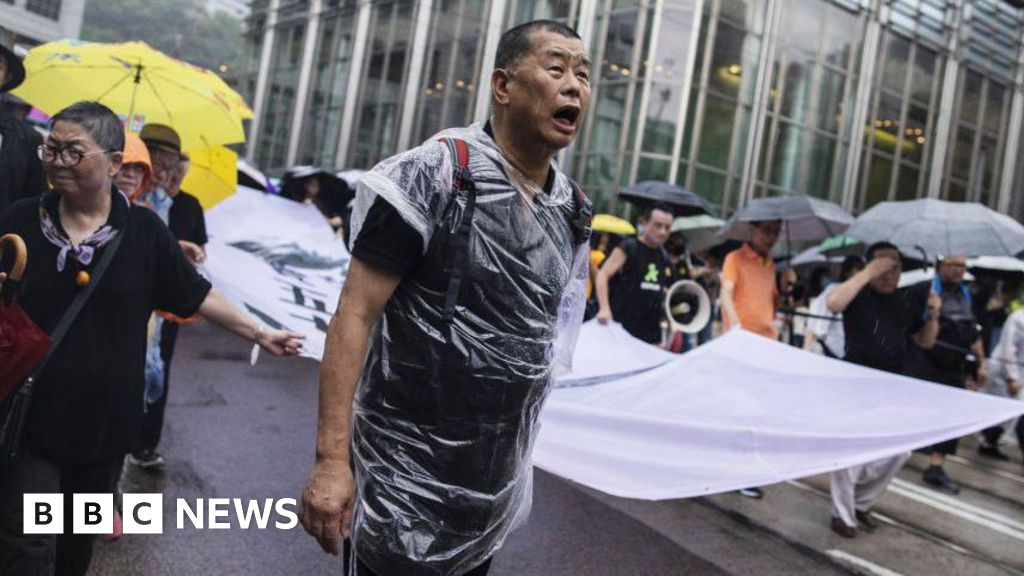
Hong Kong tycoon convicted in major national security crackdown, signaling tough stance on dissent

Hong Kong’s Jimmy Lai Conviction Marks a Turning Point in Global Geopolitics

The recent verdict against Jimmy Lai, the famed Hong Kong pro-democracy activist and media tycoon, signals a profound escalation in the ongoing struggle over the city’s future and the broader battle for influence between China and the West. Found guilty of colluding with foreign forces under the city’s controversial national security law (NSL), Lai’s conviction reverberates far beyond Hong Kong’s borders, serving as a stark warning to dissenters and a testament to Beijing’s unwavering commitment to tightening its grip on the former British colony.

This legal action, which many scholars and analysts are calling a turning point in judicial independence, exemplifies how Beijing is actively rewriting the rules of engagement within the region. The U.S. and UK, long advocates for civil liberties in Hong Kong, condemned Lai’s trial as an example of “politically motivated persecution,” emphasizing that his conviction was motivated not by justice but by China’s desire to silence anyone daring to challenge Communist Party authority. International watchdogs, including Human Rights Watch, have asserted that the NSL and related legal practices are used to crush dissent and dismantle Hong Kong’s once vibrant pro-democracy movement. The judgment underscores how decisions made in Hong Kong are now deeply intertwined with geopolitical impact, shaping a conflict that pits Western values of free expression against an authoritarian Chinese state eager to consolidate power.

The case of Lai, who used his now-defunct Apple Daily newspaper as a platform to promote democratic ideals and lobby foreign governments for sanctions, is a stark symbol of the broader clash for ideological control. His advocacy, coupled with open meetings with U.S. officials like then-Vice President Mike Pence and Secretary of State Mike Pompeo, demonstrated how the pro-democracy movement in Hong Kong was viewed as a direct challenge to Beijing’s sovereignty. The Chinese government, through state media like Global Times, has responded with unwavering resolve, asserting the case sends a “clear message” — that any attempt to undermine the integrity of the nation will be met with “severe punishment.” Such rhetoric highlights how Beijing’s strategy employs legal measures as a tool for political consolidation, signaling to the world that dissent in Hong Kong—and beyond—is increasingly dangerous and, ultimately, futile.

In analyzing this development, experts warn that the implications extend well beyond Hong Kong. The fallout influences international relations and impacts the ability of democracies to stand up for their principles. Governments including the UK and US have criticized the Chinese authorities, demanding Lai’s immediate release, claiming his trial exemplifies the danger facing free societies worldwide. This clash over Hong Kong’s legal sovereignty is viewed by many as a broader contest over the future of freedom in a rising tide of authoritarianism. The question remains: how long can the West afford to ignore the tide of Chinese expansion that is now sharply focused on rewriting regional laws and norms to serve the interests of a rising autocratic power? The decisions taken in this courtroom will resonate throughout history, testing the resolve of nations that cherish liberty and debating the limits of State power in the name of security.

As history continues to unfold, Lai’s fate whispers a haunting warning — that the battle for the soul of Hong Kong is not just a local story. It is a story written in the margins of a global power struggle, where freedom’s defenders confront an increasingly assertive state that will go to any lengths to silence those who dare challenge the order. The echoes of Lai’s verdict serve as a stark reminder: in the shadows of justice, the true conflict for history’s verdict still looms, waiting to be written with the blood and defiance of those who dare challenge the silence imposed from Beijing to the world stage itself.

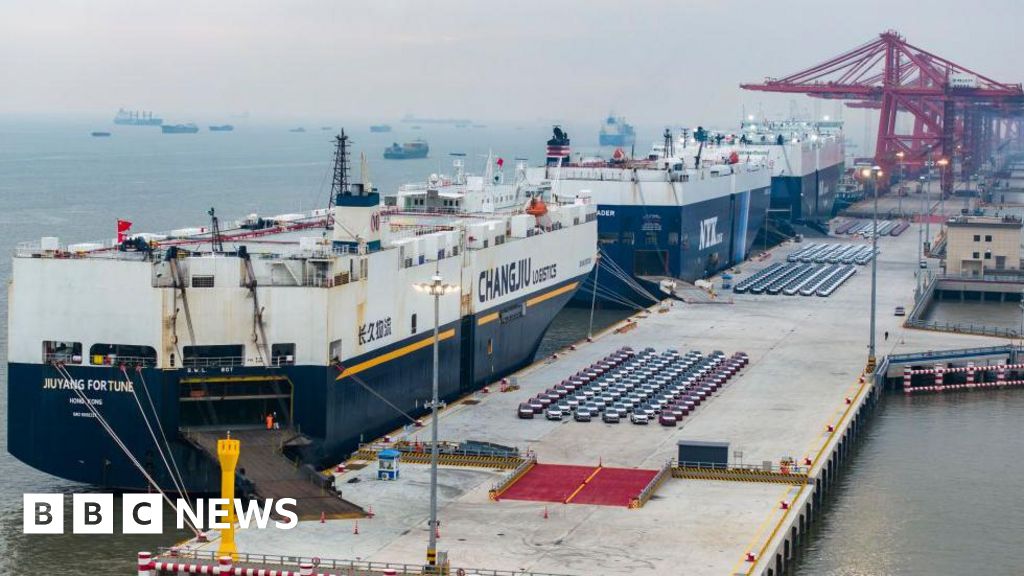
Mexico sets tough tariffs of up to 50% on China and others to protect its economy

In a bold move signaling a shift towards economic nationalism, Mexico has recently approved a comprehensive tariff package impacting over 1,400 products, many sourced from China. This policy, championed by President Claudia Sheinbaum, aims to bolster domestic manufacturing and reduce reliance on foreign imports amidst mounting economic pressures. These tariffs allow for duties of up to 50%, a clear indication of Mexico’s intent to recalibrate its economic strategies in a rapidly changing global landscape. While the move is framed domestically as a matter of economic sovereignty, its geopolitical implications ripple beyond borders, especially as Mexico engages in delicate negotiations with the United States.

  • The tariffs come at a fraught time, with U.S. President Donald Trump threatening steep import taxes on Mexico, including potential 50% duties on steel and aluminum. These measures are part of a broader strategy to exert economic pressure, ostensibly aimed at curbing the flow of synthetic opioids like fentanyl into the U.S., but also revealing a deeper struggle over trade dominance.
  • In addition, Trump has signaled intentions to impose a 5% tariff on Mexican goods, citing the longstanding Rio Grande treaty—an 80-year-old agreement—regarding water rights as a pretext. Through social media, the U.S. leader accused Mexico of “not meeting the terms” of this treaty, which historically grants the U.S. access to water from the Rio Grande tributaries, raising questions about the truthfulness and strategic motivation behind these claims.

International reactions have been swift and cautious. Warnings from Beijing to Mexico included a reminder to “think carefully” about the implications of imposing tariffs on Chinese products. Analysts note that these measures reflect a broader realignment of economic alliances in which Mexico seeks to navigate between two superpowers—the United States and China. As the world’s second-largest economy, Beijing remains deeply entrenched in Latin America, its investments and trade ties reshaping regional power dynamics. The decision by Mexican lawmakers underscores a strategic push to assert economic independence, but also signals potential shifts in regional stability, especially if tariffs spark retaliatory measures or escalate into trade conflicts.

Impact on Society and Future Trajectory

The societal impact of Mexico’s tariff policy cannot be understated. For consumers, increased costs on everyday products threaten to fuel inflation, while domestic industries may benefit from increased protection. However, historians and economic analysts warn of the long-term consequences of such protectionism—potentially fostering a fragmented global trade system that complicates international cooperation. The moves also reflect a broader pattern of nationalist resurgence across the globe, where nations challenge existing treaties and alliances in pursuit of national interests.

As Mexico confidently asserts its economic independence amid a tense geopolitical climate, the world watches with bated breath. The pending negotiations with the United States—a trading behemoth and regional neighbor—could set a precedent for how nations leverage tariffs and treaties in a new era of economic brinkmanship. The decisions made in Mexico today are not isolated policies but artifacts of a larger, ongoing competition for influence and sovereignty. With history unfolding before our eyes, the question remains: will these tariff maneuvers carve a path towards renewed national strength, or will they spiral into a broader confrontation that reshapes the very fabric of global geopolitics? The answer lies in the unfolding chapter of international relations, where every move could tip the delicate balance of power, leaving the world to witness the next act in this high-stakes geopolitical play.

Democrats push Pentagon to release footage of suspected drug boat strike — returning to tough on crime stance from Trump era

Controversy Erupts Over US Navy Strike in the Caribbean

In a development that could have far-reaching geopolitical impact, the United States is facing mounting scrutiny over a deadly naval attack in the Caribbean, where eleven individuals lost their lives. The controversy revolves around the Pentagon’s refusal to publicly release video footage of the incident, stirring international and domestic objections. Democratic leaders and security analysts argue that transparency is vital to assess the legality and moral standards of such military actions, especially given the disturbing reports of a second strike that targeted alleged survivors clinging to wreckage.

This incident has highlighted a broader debate about the limits of military authority and accountability. The attack, which took place on September 2, involved an operation against what US officials described as a drug-smuggling vessel. However, critics, including Democratic Senator Adam Schiff, emphasize that the absence of visual evidence fuels accusations of reckless conduct and potential war crimes. As some members of Congress demand transparency — with Senator Schiff calling for the release of the video — others, like Pentagon officials, cite concerns about safeguarding classified information, revealing a tension between national security and public oversight.

International and Strategic Ramifications

The refusal to share the footage comes at a critical juncture for global perceptions of US military engagement. The incident underscores the risk of escalation in the region, where such actions may erode the US’s image as a defender of moral standards. Analysts warn that this controversy could embolden rival powers like China and Russia, who have been keen to exploit perceived American overreach to justify their own aggressive postures elsewhere. How the Biden administration chooses to handle this controversy will influence the future of American military diplomacy and credibility, especially in unstable regions marked by lawlessness and turmoil.

International organizations, including human rights watchdogs, have expressed concern over the potential violation of international law. Historians note that such incidents, if unresolved or perceived as unjust, tend to serve as catalysts for broader regional conflicts. Furthermore, military experts remind that decisions made in the fog of conflict often bear consequences long after the firing stops, transforming battlefield actions into symbols of moral and strategic dilemmas. As the debate intensifies, the world watches closely — realizing that every clandestine attack, every withheld video, becomes another chapter in a narrative of power, justice, and the fragile morality of warfare.

Reader’s Reflection: The Weight of Unfolding History

As the dust settles and more information surfaces — or is concealed — the core question remains: what echoes will this bequeath in the annals of history? Will the US’s refusal to provide clarity strengthen its resolve and moral authority, or will it diminish its standing and invite doubt? The unfolding story is a stark reminder of the potent consequences when military force is wielded in the shadows, shaping not only the immediate battlefield but also the very fabric of international justice and sovereignty. The world stands at a precipice, evaluating whether the current path embodies strength or peril, and history’s verdict still hangs in the balance, waiting to be written.

Faroe Islands lifts tough abortion restrictions, giving young people more choice

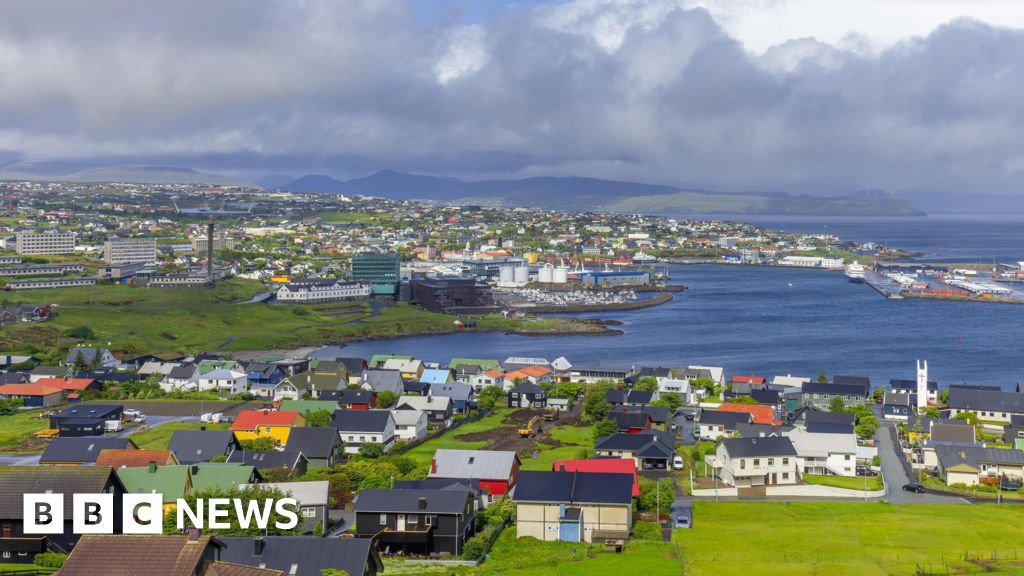
The Faroe Islands, a remote archipelago nestled between Scotland and Norway, has taken a historic step that signals a broader shift towards the protection of women’s rights and bodily autonomy in a region characterized by its conservative cultural values. On Thursday, the parliament narrowly approved legislation to legalize abortion until the 12th week of pregnancy, overturning decades-old restrictions rooted in laws dating back to 1956. This decision marks a significant departure from previous legislation, which permitted abortion only under restricted circumstances—such as cases of rape, incest, or severe fetal health issues—and involved rigorous medical assessments that could lead to criminal penalties for both women and doctors.

The legislative debate was fierce and closely contested, with just a one-vote margin—17 to 16—in favor. This razor-thin victory highlights the intense societal divide over reproductive rights on the islands, known for their distinct cultural identity and strong Lutheran traditions. As Ingilín Didriksen Strømm, one of the bill’s sponsors, proclaimed, “This is truly an historic day in the Faroe Islands,” emphasizing the move as a victory in the ongoing struggle for gender equality and human rights. Campaigners for reproductive freedom, such as Bjørt Lind of the advocacy group Fritt Val, have long argued that the previous legislation was outdated and infringed upon women’s right to make autonomous health decisions. According to international organizations like Amnesty International, this legal reform signifies a “huge step” toward securing safe, legal, and accessible abortion services—an essential component of bodily integrity that women across Europe have fought hard to defend.

Historically, the islands’ restrictive policies meant that women seeking abortions often had to travel abroad—most frequently to Denmark, where the law permits abortion on request up to 18 weeks. Since the 1973 law in Denmark, liberalized further in June this year, European nations have gradually broadened reproductive rights; however, only a handful—such as Andorra, Malta, Liechtenstein, Poland, and Monaco—preserve highly restrictive laws. The Faroese government’s move to align with neighboring Denmark’s more liberal stance underscores a broader trend: as societal attitudes evolve, so too do legal frameworks, often driven by international pressure and internal advocacy. Yet, opponents of the legislation, invoking the rights of the fetus, remain vocal. MP Erhard Joensen expressed skepticism, fearing that the pro-choice legislation might be rolled back in the future—a concern that echoes across many regions where tradition and religion continue to influence policy.

The decision in the Faroese parliament has profound geopolitical impact. As a self-governing territory within the Kingdom of Denmark, the islands serve as a microcosm of the broader cultural and political tensions that characterize Europe’s ongoing debate over moral values, sovereignty, and human rights. European analysts and historians warn that this shift signals a potential redefinition of societal norms in historically conservative territories. With international organizations increasingly advocating for women’s reproductive rights as fundamental human rights, the Faroese move could inspire similar legislative efforts elsewhere—yet it also risks backlash from conservative factions. Such internal conflicts highlight the delicate balance that nations and territories must strike between respecting cultural identities and adhering to a universal notion of human rights.

As this chapter in Faroese history concludes, the words of defenders of the new law ring with a renewed call for progress: “This change affirms the fundamental rights of women and all pregnant individuals,” yet the real weight of this victory rests in how it challenges the entrenched norms of a society rooted in tradition. The thin margin of approval leaves uncertain whether future political shifts may threaten this hard-won victory. Meanwhile, the echoes of this decision ripple across Europe’s moral landscape, where debates over life, autonomy, and sovereignty continue to shape the destiny of nations. The unfolding story of the Faroe Islands—a land caught between tradition and reform—reminds the world that history is never static, and the fight for justice often begins with the smallest of votes, shimmering as a testament to what can and should be changed.

Monarch Tractor warns of layoffs and potential shutdown as they prep for tough times

Monarch Tractor Faces Uncertain Future Amidst Innovation Challenges

Autonomous vehicle startups continue to embody the disruptive spirit fueling the next wave of agricultural revolution. Monarch Tractor, a pioneer in electric, autonomous tractors, now finds itself at a critical crossroads. The startup has issued a warning to over 100 employees of potential layoffs and even shutdown risks, signaling a significant setback in America’s push to innovate farming through cutting-edge technology. This development underscores a broader trend: even promising ventures in high-stakes tech sectors are vulnerable to technical flaws, market misalignments, and shifting strategic visions.

Historically, autonomous machinery has been hailed as a game-changer, promising increased efficiency and sustainability in agriculture. Yet, Monarch’s recent struggles reveal a stark reality: the inherent difficulty of translating autonomous concepts into reliable, scalable products. A lawsuit from an early dealer alleges that Monarch’s tractors were “unable to operate autonomously”—a serious blow that threatens investor confidence and market legitimacy. Despite substantial backing and bold visions by founders like Tesla veteran Mark Schwager, the company’s technical shortcomings have cast shadows over its future prospects. Analysts at Gartner warn that such failures highlight the steep learning curve and the disruptive risks involved in deploying autonomous systems at scale.

In parallel, the company’s shift away from manufacturing hardware towards a SaaS-based model signals a strategic pivot tailored to leverage software-driven revenue streams. Monarch’s new focus aims at providing full-fledged autonomy as a service, which could open lucrative partnerships with OEMs and other industry stakeholders. This aligns with industry-wide trends toward software-powered disruption; companies like Tesla and Mobileye have demonstrated that the future of autonomous driving hinges on software sophistication and networked ecosystems rather than just hardware. However, as timing and execution remain unpredictable, the risk of a startup failure remains high, especially in a market that demands flawless reliability and rapid rollout.

  • Innovation in autonomous tractors faces technical hurdles that only the most resilient tech giants can overcome
  • Disruption through SaaS enables new revenue streams but requires robust consumer trust and scalable operational models
  • Market shifts favor integrated hardware-software solutions, yet consumer adoption remains cautious amid technical setbacks
  • Business implications include potential consolidation within agri-tech, with larger firms exploiting gaps left by struggling startups

As industry leaders like Elon Musk and Peter Thiel emphasize, the path to disruptive innovation is fraught with risks but also ripe with opportunities for firms willing to invest in breakthrough technology. With industry giants and startups competing fiercely in the autonomous landscape, the urgency for rapid, reliable, and scalable solutions has never been greater. The current turbulence at Monarch Tractor serves as a stark warning: only those capable of overcoming technical hurdles and redefining business models will survive the fierce disruption looming on the horizon.

Looking ahead, industry stakeholders must heed these signals. The race to dominate autonomous farming is far from over, but the window for breakthrough success narrows. Innovation cycles are compressing, and consumer expectations for safe, reliable autonomous systems continue to rise. Companies that can master this balance will set the foundation for the next decade of agricultural and industrial transformation, leaving no room for complacency in an intensely competitive landscape. The future belongs to those who understand that disruption demands relentless innovation, strategic agility, and the courage to evolve faster than the competition—because in the relentless march of technology, the winners are those who act now, or fall behind forever.

Social Media Auto Publish Powered By : XYZScripts.com