Matox News

Truth Over Trends, always!

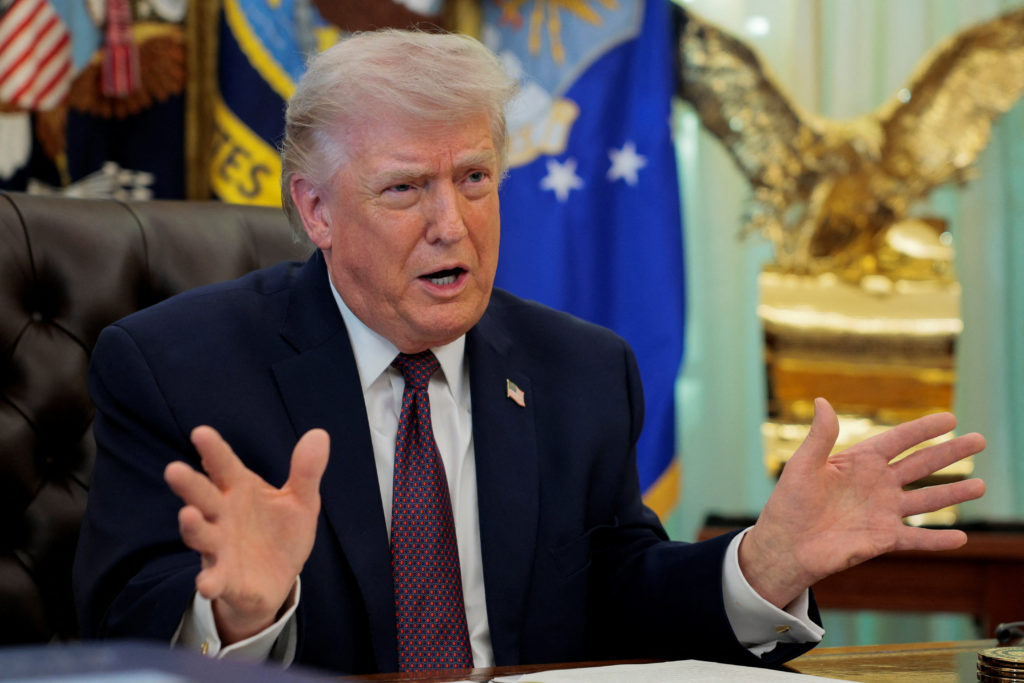
U.S. President Trump signs an executive order in the Oval Office of the White House
White House touts Trump’s pharma deals saving billions for Americans

In the relentless arena of American politics, the recent revelations concerning President Donald Trump’s negotiations with **pharmaceutical companies** underscore a critical juncture where economic policy intersects with political strategy. According to White House economists, these deals—aimed at reducing prescription drug prices to match those of other nations—could generate a staggering $529 billion in savings over the next decade. While such economic projections appeal to the public’s desire for affordability, the underlying power struggles reveal much about the conflicting forces shaping the nation’s health sector and its political landscape.

At the core of this controversy lies the tension between free-market principles and state intervention. Critics argue that the policy shift—a redefinition of conventional healthcare diplomacy— signals a bold move by the Trump administration to leverage government influence over private corporations. This approach echoes a longstanding debate among constitutional theorists who grapple with the extent of government authority. Drawing parallels with Reagan-era deregulation or Teddy Roosevelt’s trust-busting campaigns, the push for price moderation attempts to realign the balance of power in favor of consumers; yet, opponents contend that it risks undermining the very innovation that drives the pharmaceutical industry.

For many political analysts, the issue is less about healthcare and more about control. The Trump administration’s strategy demonstrates a deft understanding of how decisions made in the corridors of power ripple through the lives of ordinary Americans, influencing access to medication, economic stability, and perceptions of governmental efficacy. This is a classic example of policy choices serving as battlegrounds for influence. It’s not merely a matter of economics but a decisive move in power struggles where agencies, corporate interests, and political ideologies clash in a contest that will ultimately determine who holds sway in shaping the national future.

Significantly, these developments evoke echoes of historical parallels—such as FDR’s New Deal confrontations or the ongoing debate over the scope of presidential power. Scholars like **Leo Strauss** and **Walter Bagehot** have long observed that politics becomes the stage where destiny is written. In this context, the Trump administration’s policies redefine the boundaries of who controls healthcare. As the midterm elections loom, the political theater intensifies, encapsulating the fierce power struggle over **America’s economic sovereignty** and the rights of the people versus the influence of special interests.

In the final analysis, the battle over prescription drug pricing is emblematic of a larger, ongoing confrontation—one where the stakes are nothing less than the soul of the republic. As policymakers carve out their visions of America’s future, every decision becomes a stroke in the grand canvas of destiny, a reminder that politics is more than policy—it is the forge where history is shaped. How this controversy unfolds will determine not only healthcare but also the broader trajectory of American sovereignty and liberty, leaving an indelible mark on the fabric of the nation’s narrative.
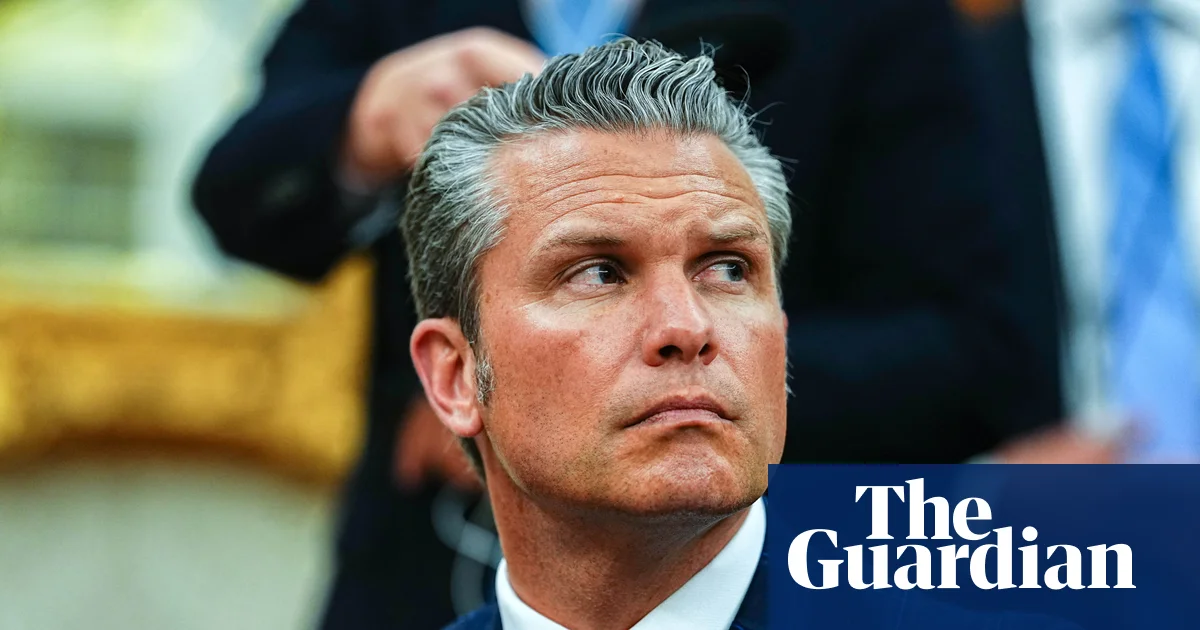
Hegseth touts successful US strike on suspected drug smuggling boat

The United States continues its assertive military push in the South American and Caribbean regions, signaling a shift towards more aggressive tactics in its ongoing war against drug trafficking and perceived threats. Defense secretary Pete Hegseth announced a recent deadly strike against a vessel suspected of ferrying illegal narcotics. This strike, which claimed two lives, marks at least the 16th in a series of actions authorized by the Trump administration, raising crucial questions about the legal justifications and the broad implications of such unilateral interventions. The administration claims it is engaged in an armed conflict with drug cartels and foreign terrorist organizations, but critics and lawmakers alike demand more transparency and adhere to international norms.

This escalation coincides with the deployment of the USS Gerald R. Ford aircraft carrier to the Caribbean, a move that signifies the extent of America’s military buildup in the region. Having left the Mediterranean through the Straits of Gibraltar, it joins a formidable fleet—including destroyers like the USS Bainbridge and USS Winston Churchill—forming a show of force that many analysts see as an effort to assert dominance over critical maritime routes. Experts from think tanks warn that such actions could destabilize regional diplomacy, creating a climate of uncertainty that threatens both regional stability and international law. This buildup is not merely about combatting drugs but is viewed as a broader message of U.S. geopolitical resolve amid rising tensions with rival powers.

International response to these American maneuvers remains divided. While some narrative voices inside the U.S. emphasize a need for ‘tougher’ stance against illicit trafficking, others, including diplomatic organizations and historical analysts, interpret these moves as part of a strategic effort to project power and influence in an increasingly contested global arena. The deployment of large naval assets to Latin America underscores a broader trend identified by geopolitical scholars: the U.S. aims to capitalize on regional vulnerabilities, positioning itself as both protector and hegemon. Meanwhile, whether these actions will bring peace or further conflict remains a matter debated in global corridors, where the tension between security and sovereignty plays out.

As the smoke of recent bombings clears and the ships traverse international waters, the weight of history presses heavily upon the unfolding narrative. The decisions made today echo through decades, shaping the future alliances and conflicts that will define the global order. With each vessel, each strike, the silent story of ambition, power, and the relentless pursuit of America’s strategic interests continues—leaving the world on the precipice of a new chapter where the lines of engagement are redrawn and the true cost of such power is written in the shadows of history yet to be fully revealed.

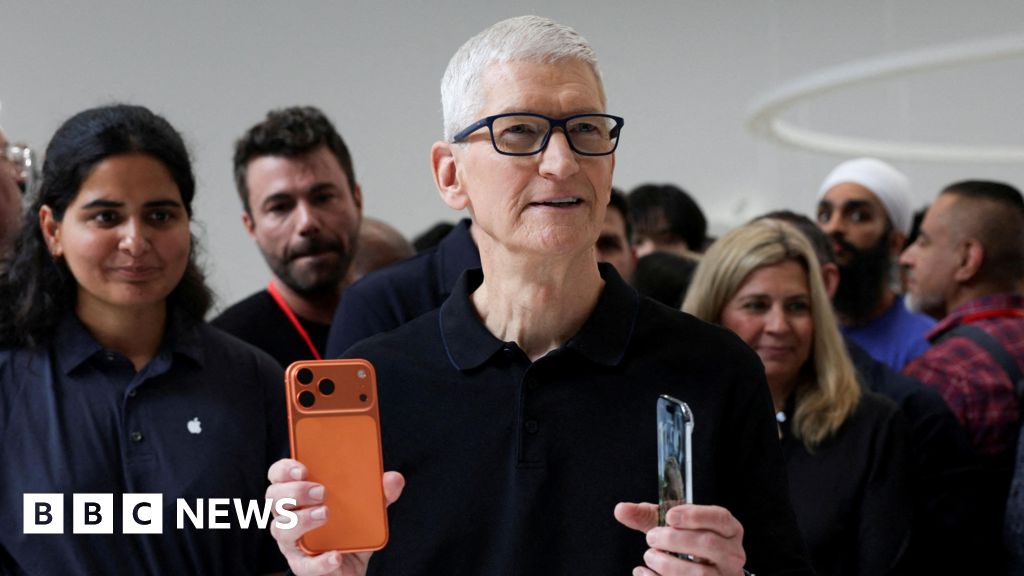
Apple touts massive global rush for new iPhones amid youth anxieties

In a world increasingly driven by innovation, America’s technological titans continue to shape the geopolitical landscape with their latest achievements and challenges. Apple, led by CEO Tim Cook, announced record-breaking financial results amid a surge in global demand for its new iPhone 17 and the ultra-slim iPhone Air. Despite supply chain constraints and recent shipment delays, especially in China, the tech giant maintains an optimistic outlook for the upcoming holiday season, predicting its “best quarter ever.” This optimism, however, is not without a hint of caution—Cook pointed to ongoing issues balancing supply and demand and the lingering impact of the US-China trade war, exemplified by tariffs enacted during the Trump administration. These trade tensions continue to cast a long shadow over global supply chains and market stability, underscoring the fragile interdependence of the world’s largest economies.

The U.S. and China are at a pivotal crossroads. Recent meetings between Donald Trump and Xi Jinping have sparked a cautious hope for de-escalating trade conflicts, yet analysts warn that the trade war’s repercussions are still Rippling through industries worldwide. Market research firms like Counterpoint report that early sales of the new iPhone 17 models in the US and China are up 14%, a promising sign for Apple’s prospects. Nevertheless, concerns about tariffs and supply disruptions remain a top priority for investors, with many watching the ongoing geopolitical tug-of-war that could either propel or hinder technological advancements globally. Experts like Harvard political analysts warn that these trade disputes could redefine the rules of international commerce, potentially accelerating the shift towards localized manufacturing and economic decoupling.

Meanwhile, in the broader tech sector, rivals like Amazon are also jockeying for dominance, with quarterly results indicating robust performance—not only in e-commerce but crucially in its cloud computing division, Amazon Web Services (AWS). As AWS’s growth accelerates at 20% year-over-year, it underscores the intensifying competition in AI-driven infrastructure—a sector seen as the battleground for the next wave of technological and geopolitical dominance. Microsoft and Alphabet are also doubling down on their AI investments, making the race for technological supremacy more fierce than ever. Analysts contend that this AI race will influence global power dynamics, as nations align their economies to harness its vast potential, but also prepare for the strategic threats it poses. The geopolitical implications are profound, with each corporate move echoing national security concerns, and the world teeters on the brink of a new technological era that could reshape power structures in ways yet unseen.

As history nears yet another defining chapter, the narrative looms with a weight of the potential for both progress and chaos. The decisions made by superpowers, corporations, and international institutions today will echo through generations, carving the contours of a future where technology, trade, and sovereignty collide on the global stage. The unfolding story of America, China, and beyond is a testament to the relentless pace of change—an ongoing battle for influence that could redefine not just economies, but the very fabric of societies worldwide. In this volatile arena of innovation and geopolitical shifts, one thing remains certain: the future is unwritten, and history’s next great chapter is still awaiting its pen stroke.

Social Media Auto Publish Powered By : XYZScripts.com