Matox News

Truth Over Trends, always!

Italian town faces fierce street clash, echoing the fight for tradition

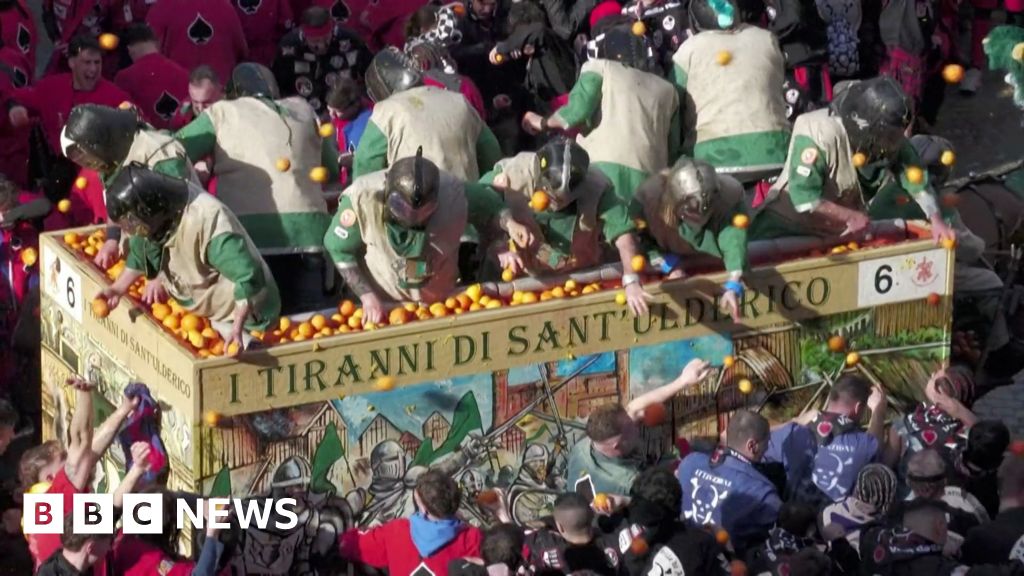
In a display of vibrant tradition and historical resilience, Ivrea, a northern Italian town near Turin, continues its annual Battle of the Oranges, an event that preserves a centuries-old legend of uprising and liberation. This spirited celebration, rooted in medieval history, is more than just a riot of color and fruit; it symbolizes the enduring spirit of society against tyranny. As participants hurl oranges at each other, they reenact the legendary defiance of Violetta, a miller’s daughter who confronted an oppressive tyrant and helped unshackle the town from despotism. Such cultural expressions are vital in reinforcing national identity in a time when global events increasingly threaten local traditions.

The Battle of the Oranges features nine teams representing the townspeople who once revolted to overthrow feudal oppression, with the oranges themselves symbolizing the fruits of their victory. The spectacle involves intricate choreography—teams on foot face off against horse-drawn carriages loaded with oranges—demonstrating the historical conflict between the oppressed and their overlords. According to organizers, the oranges are not meant for consumption; rather, they are collected and repurposed as fertilizer afterward, highlighting an environmentally conscious dimension to the event. Historians and cultural analysts emphasize that such festivals serve to reinforce community cohesion and cultural pride, especially amid mounting international uncertainties.

In the broader context, Italy’s tradition of carnival celebrations reflects a society keen to preserve its cultural uniqueness despite the homogenizing forces of globalization. Countries across Europe, from Spain to France, maintain their own versions of festive resistance—each emphasizing historical narratives that bolster national pride. International organizations acknowledge that these events contribute positively to local economies and regional identities, but they also serve as subtle acts of cultural defiance against the tides of global conformism. The resilience of such traditions underscores the importance of protecting local histories from being overshadowed by international commercial interests.

As global powers navigate a landscape of shifting alliances, economic upheavals, and ideological clashes, the significance of maintaining national stories like Ivrea’s is more crucial than ever. Decades from now, historians may see these festivals as the quiet acts of rebellion that kept a culture alive amidst a rapidly changing world. In a time where international institutions and diplomatic treaties often threaten sovereignty and cultural autonomy, the defiant spirit embodied in the Battle of the Oranges reminds us that history, much like the fruit hurled in jest, can be a potent symbol of struggle and resistance. The question remains: in an era of globalization, who will be the custodians of national identity, and at what cost? The story of Ivrea’s carnival suggests that the answer lies not just in diplomacy but in the collective memory of communities that refuse to be silenced, weaving their stories into the very fabric of history itself.
Small Canadian Town Gutted: Mass Shooting Leaves Community Heartbroken

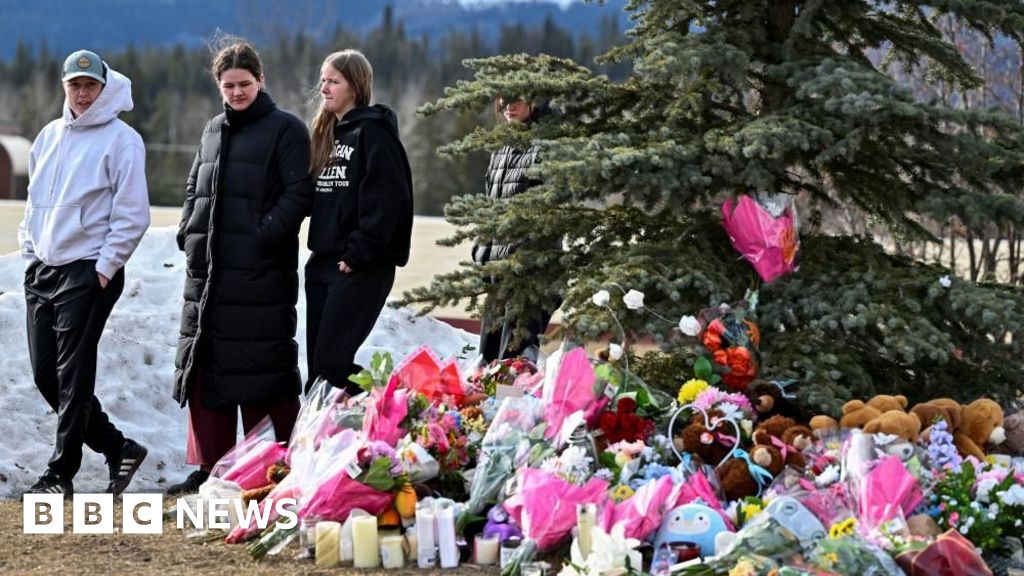
The recent shooting incident in British Columbia has sent shockwaves across Canada and reverberated through international communities, highlighting the persistent threat of violence in regions often considered peaceful. This tragedy, which has left dozens dead and many injured, underscores the vulnerability of even the most serene societies amidst complex geopolitical shifts and internal discord. As residents mourn and community leaders grapple with grief, analysts worldwide are parsing the wider implications of such acts of violence in an era marked by increasing instability.

Experts suggest that this incident is not isolated but rather a reflection of broader socio-economic and political tensions. According to international security analysts, the rising incidence of mass shootings in Western nations correlates with rising social polarization, economic disparities, and evolving criminal networks. Historically, such episodes often act as a grim turning point, prompting intensified debates on gun control, mental health policies, and national security frameworks. The Canadian government’s response, including calls for stricter gun legislation, echoes similar debates across United States and other allied nations, where firearm access remains a contentious issue. For some, the tragedy exposes vulnerabilities in existing social safety nets and underscores the importance of proactive measures to prevent future atrocities.

Moreover, this incident has resonated beyond Canada’s borders, drawing reactions from NATO allies and global organizations committed to peacekeeping and security. Many question whether current international cooperation mechanisms are adequate to address emerging threats that fuse local violence with transnational criminal activities. The United Nations and Interpol have issued statements urging nations to bolster intelligence sharing and combat illegal arms proliferation, which often fuels such violence. Historians like Dr. Margaret Saunders warn that “while local tragedies ignite immediate outrage, they also serve as stark reminders of the interconnected, fragile state of contemporary security.” This tragedy, therefore, acts as a stark mirror reflecting the urgent need for coordinated international action.

The geopolitical impact of such events extends further; they influence migration debates, domestic policy, and diplomatic relations. Countries increasingly face pressure to navigate internal stability while avoiding the stigmatization of their populations, all amidst rising nationalism and populist sentiments. Within Canada, the incident has prompted a national dialogue on social cohesion, law enforcement accountability, and political polarization – issues that are pivotal in shaping future policies. Conversely, critics argue that without addressing root causes—such as mental health, economic despair, and ideological extremism—such tragedies will persist, threatening the fabric of society itself. The ongoing debate underscores how internal security incidents have the power to redefine challenging issues, shaping diplomatic strategies and societal priorities for years to come.

As the world reflects on this dark chapter, the haunting question remains: how many more must suffer before decisive, systemic change occurs? With each headline, history continues to be written with silent, yet profound, consequence. The tragedy in British Columbia is not merely a national crisis but a stark warning etched into the collective conscience of a shared civilization. In the unfolding narrative of history, such acts of violence serve as a grim reminder that the battle for safety, social cohesion, and peace is an ongoing struggle—one that demands vigilance, resilience, and an unwavering commitment to justice, lest humanity be condemned to repeat the shadows of its darkest days.

Russian push ramps up near crucial Ukrainian town, army chief warns

Ukraine under Siege: The Battle for Pokrovsk and Its Global Significance

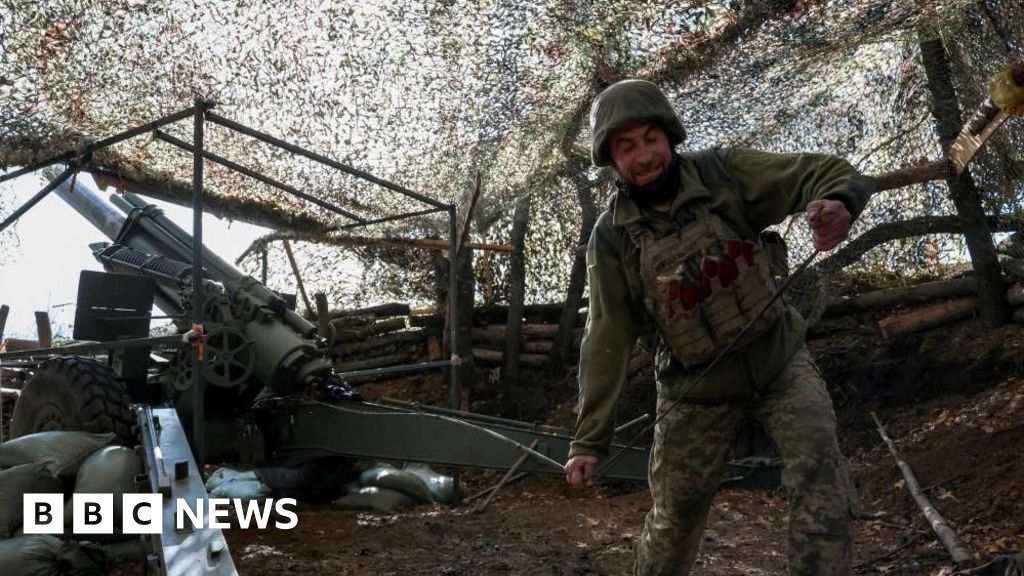
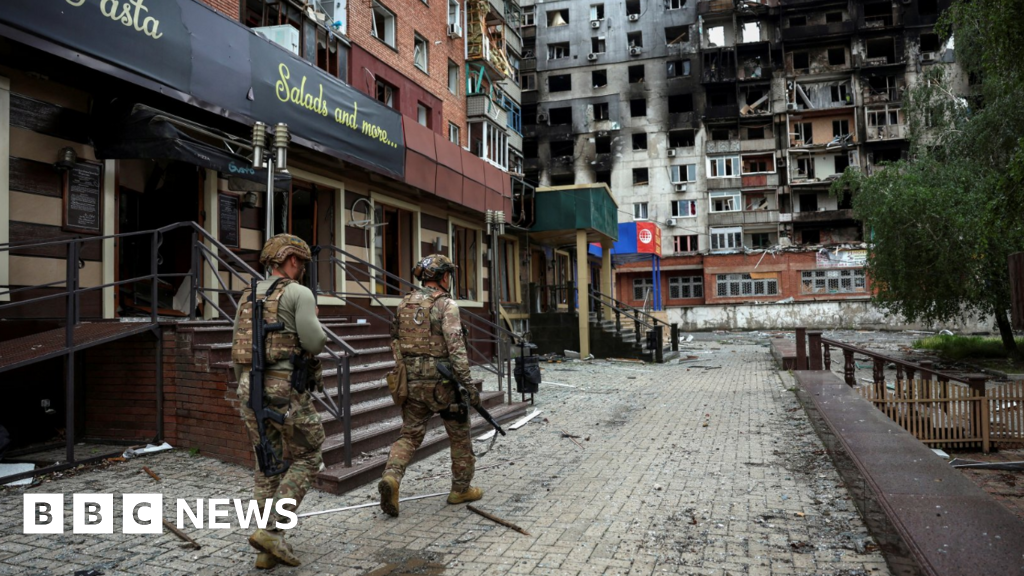
Amid the ongoing conflict in Ukraine, recent reports signal a disturbing escalation around the vital frontline town of Pokrovsk in the Donetsk region. Ukraine’s armed forces, led by Commander-in-Chief Oleksandr Syrskyi, have warned that Russian activity is intensifying, with Russian infantry massing and attempting to encircle the city. These developments are not merely localized skirmishes; they are a critical piece in the larger chessboard of Russia’s strategy to seize control of strategic transport and supply hubs in eastern Ukraine. The town’s fall could pave the way for Russian advances toward Kramatorsk and Sloviansk, the only significant Ukrainian-controlled urban centers still resisting in the region. This potential shift in control would significantly undermine Ukraine’s territorial integrity and complicate Western support efforts.

Official Ukrainian sources and independent analysts have painted a picture of a fierce and dynamic confrontation. Ukrainian General Syrskyi dismissed rumors of a blockade as propaganda, emphasizing that Russian forces are maneuvering around the town, seeking to infiltrate and weaken Ukrainian defenses. Despite the heavy Russian troop buildup, Ukrainian commanders are focused on maintaining a delicate balance—aiming to protect their soldiers while preventing encirclement. The situation remains “difficult,” according to Syrskyi, as Russian forces have been relentless in attempting to infiltrate deeper into Pokrovsk; some reports suggest the city is teetering on the brink of crisis. The battle for Pokrovsk symbolizes a broader struggle—one that involves not only regional territorial control but also the fight for world perception and geopolitical influence.

Meanwhile, international voices and intelligence assessments underscore the gravity of these developments. Ukrainian President Volodymyr Zelensky publicly declared Pokrovsk the “main target” of Russian advances and claimed Russia’s forces there are outnumbering Ukrainian defenders by a staggering ratio—eight to one. Zelensky asserted that Russia’s true aim is to demonstrate to the United States and NATO that Ukraine is on the retreat, a narrative Moscow desperately seeks to sell to bolster its strategic narrative. Analysts from organizations like Sybelline warn that the battle has entered a “highly dynamic and intense phase,” with Russian forces incrementally encircling and disrupting Ukrainian supply routes. Ukrainian monitoring groups suggest that time is running out—Pokrovsk is at a tipping point, and its loss could have rippling effects across the entire eastern front.

The stakes extend far beyond the battlefield. This confrontation encapsulates a broader geopolitical struggle—a symbolic battleground where Russia seeks to fracture Ukraine and redefine regional power balances, challenging the responses of Western allies. The international community, including NATO, watches anxiously as the outcomes here will determine whether Ukraine can withstand Russian pressure or if the tide will turn, forcing a reevaluation of Western support. This is a moment where history is not merely being written; it is being forged amidst gunfire and diplomacy, with the world hanging in a delicate balance. As the drums of war beat louder, global observers must ask—how will this chapter conclude, and what new order will emerge from the ashes of this relentless and pivotal confrontation?

Russian forces seize key Ukrainian town of Pokrovsk, strengthening their hold in the region

The ongoing conflict in Ukraine has reached a critical juncture, as Russian forces embed themselves further into the eastern frontlines. Reports emerging from Ukrainian President Volodymyr Zelensky indicate that Russian troops have gained a strategic foothold in the city of Pokrovsk, a vital logistical hub whose control could dramatically alter the regional balance of power. With Moscow’s forces outnumbering Kyiv’s by a staggering 8-to-1 in this sector, the situation underscores the extreme odds faced by Ukraine’s defending forces. The city’s importance cannot be overstated; it’s a linchpin for supply chains, troop reinforcements, and the broader effort to consolidate Moscow’s hold on the Donetsk region. If Russia succeeds in capturing Pokrovsk, it would close the gap to the heavily fortified towns of Kramatorsk, Slovyansk, and Kostyantynivka. These towns form a “fortress belt” that now sits perilously close to Russian missiles and infantry — an ominous sign of how the conflict may escalate further.

Analysts and military experts warn that this push points to a wider geopolitical shift, reflecting Moscow’s intent to solidify territorial gains under a veneer of strategic patience. Ukrainian officials, however, remain defiant, with President Zelensky refusing to accept outright defeat, even as the city undergoes relentless fierce fighting. Videos showing drone surveillance and reconnaissance indicate around **200 Russian soldiers** are within Pokrovsk, while Ukrainian defenders claim that Russian claims of encirclement are misleading. Ukrainian soldiers emphasize that technological warfare—particularly the use of drones—has transformed combat, making traditional encirclement tactics less relevant and more dangerous. These technological advancements highlight just how much modern war relies on precision and intelligence, which can shift the tide in an instant. Nonetheless, the high stakes are clear: control over Pokrovsk could serve as a turning point, potentially giving Russia an open route into Ukraine’s vital eastern heartland.

Meanwhile, the broader international response remains mixed, with Europe and the United States caught in a complex web of aid, sanctions, and diplomatic negotiations. Kyiv is calling for increased military and financial support, warning that its defenses are weakening and that prolonged fighting could threaten its sovereignty. Zelensky’s plea for allies to back Ukraine for an additional two or three years hinges heavily on the potential seizure of frozen Russian assets—an estimated €140 billion—that remains blocked at the EU summit, primarily due to legal and political hurdles. As the conflict drags into its fifth year, the European Union and allied nations find themselves at a crossroads: support a fragile democracy fighting for survival, or risk allowing Russian expansion to metastasize further into Eastern Europe. The ongoing debate over aid underscores the profound geopolitical impact—decisions made now will echo across generations, shaping the structure of Europe and beyond.

With President Zelensky working tirelessly to rally Western support, hopes hinge on bold diplomatic moves. The recent anticipated meeting between US President Donald Trump and Chinese leader Xi Jinping holds particular significance. Zelensky has expressed hope that China will reduce its support for Russia, potentially tipping the scales in Kyiv’s favor amid sanctions targeting Russian energy giants like Lukoil and Rosneft. Trump’s recent sanctions and appeals for Turkey and China to halt Russian oil imports demonstrate a strategic effort to exert economic pressure, aiming to weaken Moscow’s military capabilities. Yet the tides of history are shifting unpredictably. As the world watches Ukraine’s fate hang in delicate balance, the realization dawns: this conflict is not just a territorial dispute but a clash for the future direction of global power—a moment that might define the 21st century. The story of Pokrovsk, Ukraine, and the relentless struggle for sovereignty is still being written, with each decision edged into the annals of history—an echo of how nations choose their destinies in the face of adversity.

Catalonia town bans Black Cat adoptions this Halloween, citing safety concerns

Shadows of Tradition and Modern Morality: The Black Cat Ban in Terrassa

In a world increasingly attuned to the nuances of culture, animal welfare, and security, Terrassa, a historic town in Catalonia, has taken a controversial step that underscores the global tension between tradition and modern-day safety concerns. The town’s decision to temporarily ban the adoption of black cats during Halloween—set to last from October 6 to November 10—has sparked debates that reach far beyond its provincial borders. This measure, justified by local authorities as a safeguard against potential ritualistic abuse, embodies a broader societal shift where concerns for animal welfare increasingly influence policy-making amid fears of exploitation.

While Terrassa’s city council reports no local record of cruelty toward black cats, the decision aligns with a rising wave of precautionary policies motivated by incidents elsewhere—an approach reinforced by warnings from international animal rights organizations. European and Western communities have long associated black cats with superstitions rooted in witchcraft and misfortune, yet in many other cultures, such as in Japan and Egypt, these animals symbolize prosperity and good luck. The contrasting symbolism underscores how cultural perceptions can influence policy decisions that, ostensibly, aim to protect animals but also reflect societal fears and prejudices. Prominent historians and analysts suggest that such actions are frequently reactions to heightened societal anxieties, especially amid cultural shifts emphasizing safety and morality over centuries-old traditions.

Geopolitical Impact and Society’s Response to Cultural Shifts

The black cat ban in Terrassa could be viewed as emblematic of a larger global trend in which local authorities adapt policies based on perceived threats—whether they stem from cultural misunderstandings or real incidents—meanwhile influencing international standards. Such measures might appear minor, but they carry significant geopolitical implications. When a European town adopts an anti-\u201crituals\u201d stance without evidence of actual abuse, it adds to the narrative of a continent increasingly cautious—or perhaps afraid—of its own cultural rituals and symbols. Analysts warn that this could set a precedent, encouraging other jurisdictions to implement similar restrictive policies rooted in moral panic rather than factual crime rates.

Organizations like the World Animal Protection have expressed concerns about such bans, emphasizing that they often obscure deeper societal issues of superstition and misinformation. Yet, the decision’s impact on society reaches beyond animal welfare, touching on broader matters of cultural identity, immigration, and the ongoing clash between tradition and modern modernization. This is a reflection of how international communities are increasingly caught in debates where security and morality are prioritized over cultural diversity and historical significance. Political commentators argue that such measures, while temporary on the surface, could deepen divisions within Europe, particularly amid the continent’s ongoing struggle with multicultural integration and societal cohesion.

Yesterday’s Traditions, Today’s Fear: The Unfolding Tale of Cultural Evolution

As Terrassa‘s measures take hold, history will record whether this is a fleeting precaution or a sign of deeper societal transformation. The city’s decision to restrict animal adoptions during Halloween, though presented as an “extra precaution,” hints at a broader narrative echoed across borders: the ongoing effort to reconcile age-old cultural symbols with modern moral standards in an interconnected world. International organizations monitor these shifts, warning that too often, fear-driven policies obscure genuine cultural exchange and risk marginalizing traditions that have defined societies for centuries.

Indeed, as history continues to unfold, the world stands at a crossroads—where decisions on seemingly minor issues like the fate of black cats embody the profound tensions shaping the future of cultural identity, security, and morality. This is not just about animals or superstition; it is about how societies choose to navigate the complex dance between honoring the past and protecting the present, with the specter of history hovering in the background as an unyielding witness to all that is lost and gained in the march forward.

Santu Lussurgiu: The Sardinian Town Guarding an Unexpected Sip of Heritage

Embracing Heritage and Wellness: The Spirit of Sardinia

Living in harmony with tradition often leads to unexpected insights about ourselves and our environment. Sardinia, a rugged island of rocky hills and caves, exemplifies this philosophy through its centuries-old craft of making filu ‘e ferru — a potent, fennel-flavored spirit also known as “burning water.” Remarkably, for over 400 years, the small town of Santu Lussurgiu has cultivated this distinctive liquor, blending history, culture, and an unyielding spirit of independence that resonates with today’s health-conscious, lifestyle-seeking youth. As an all-natural, handcrafted beverage that arose from centuries of local innovation, filu ‘e ferru exemplifies the value of embracing roots while fostering a broader sense of wellness rooted in tradition.

Historically, this fiery elixir was more than a simple drink; it was intertwined with community health, medical practices, and local rituals. Distilled from wine—rather than the usual grape marc—it contains a rich, refined potency achieved through copper stills, making filu ‘e ferru truly unique. According to distiller Carlo Psiche, whose family has been reviving this tradition since the 1960s, this spirit embodies a wellness shift that aligns with mindful consumption. While it reached the peak of its popularity in the 19th century, thanks to the efforts of villages like Santu Lussurgiu, which housed around 40 distilleries, the spirit’s clandestine production persisted under the shadow of police raids and secret signals. Today, though legal restrictions have loosened, the culture around making and sharing filu ‘e ferru remains deep-rooted, both as a testament to resilience and a symbol of community identity.

The Spirit of Resistance and Lifestyle Liberation

In the past, police raids on distilleries were frequent, and families would hide their bottles underground or behind secret signals, reinforcing the notion that heritage conservation often necessitates a rebellious spirit. Today, this underground history has transformed into a source of pride and prideful preservation of culture. For many Sardinians, brewing filu ‘e ferru at home is an act of standing firm against the homogenization of modern life; it’s an expression of personal sovereignty, wellness, and community bonding. The spirit’s distinct flavor—softened with fennel seeds, sometimes infused with absinthe—mirrors the layers of resilience built into Sardinian culture. Psiche’s ongoing practice, which includes aging in oak barrels and using the family’s vintage alembic still, exemplifies a lifestyle that values artisanal quality over mass production—an important lesson for young aficionados seeking authenticity and personal impact in their leisure pursuits.

An Invitation to Embrace Heritage and Lifestyle Shifts

As the modern world offers endless options, the stories of Sardinia’s filu ‘e ferru take us on a journey beyond mere consumption. They remind us that wellness is often rooted in connection to place, tradition, and community, elements crucial in an era marked by disconnection and over-commercialization. The renewed appreciation for handcrafted, natural spirits reflects a broader lifestyle shift towards authenticity and personal impact, encouraging youth to seek meaningful experiences and embrace cultural heritage without compromise. Whether enjoyed as a digestif, a toast during special moments, or a ritual remembering those who have passed, filu ‘e ferru invites us to view our own lives as an ongoing journey—one where tradition and innovation harmonize into something truly extraordinary, crafting not just spirits but a way of living inspired by resilience, authenticity, and a respect for history.

  • Explore the rich culture behind age-old recipes and learn how community traditions influence wellness and lifestyle choices.
  • Understand that making personal, artisanal goods—be it spirits or other crafts—can be an empowering way to reconnect with roots and foster self-sufficiency.
  • Appreciate how cultural resilience embodies a broader attitude of embracing your own journey, challenges, and heritage to define your lifestyle with purpose.

In the end, living well isn’t just about health or leisure; it’s about embracing your unique narrative—honoring the past, shaping the present, and inspiring the future. Sardinia’s spirit, with its fiery history and unbreakable community, reminds us that our true strength lies in the roots we choose to nurture and the stories we continue to tell.

Trump Town Faces Shutdown Boot as Budget Crisis Builds

The US Government Shutdown: A Local Impact with Global Geopolitical Ripples

As the United States government enters its third month of shutdown, the geopolitical consequences are rippling far beyond the halls of Washington, impacting local communities and societies with tangible immediacy. In Martinsburg, West Virginia, a town emblematic of the broader American fabric, federal employees, veterans, small business owners, and residents find themselves at the mercy of political deadlock. While the immediate effects include furloughed workers and shuttered services, analysts warn that this crisis highlights the deeper fissures and vulnerabilities within the very structure of American governance.

The shutdown began after a contentious political impasse over federal funding, with Democrats and Republicans entrenched in their stance since October 1st. The result has been the suspension of vital programs that sustain not only the lives of millions but also the stability of local economies. For instance, in Martinsburg—an area with a significant federal workforce—over 3,300 federal employees are directly affected, with additional thousands commuting to the capital daily. The impact on veteran care, as seen through the story of Army veteran Jonathan Giba, exemplifies the human toll: delayed medical treatment, halted career transition programs, and a growing sense of worry among those already scarred by service. Somber voices,” as noted by analysts, suggest this crisis is not merely about politics but about the systemic neglect of everyday Americans’ needs.

Within the broader geopolitical context, this shutdown underscores divisions within the United States—dubbed “Trump country”—where a fierce sense of independence and skepticism toward establishment politics runs deep. The political stalemate reflects more than a budget dispute; it embodies an ideological struggle that risks eroding trust in democratic institutions at a time when international confidence in American stability could waver. Historians fragility warn that repeated shutdowns risk long-term damage to the @America’s global standing, as allies and adversaries watch with keen interest. International organizations, like the United Nations, have expressed concerns over the stability of US policies and their capacity to meet global commitments, emphasizing that the world cannot ignore the internal crises of the most powerful nation on Earth.

Meanwhile, the impact is felt deeply within the American heartland—where small businesses like Tina Hissam’s suffer from the ripple effects of disrupted federal contracts and service closures. With USDA service centers shuttered and furloughed IRS workers further delaying claims and refunds, local economies flounder in uncertainty. According to economists and local leaders, such as Kelly Allen of the West Virginia Center on Budget and Policy, the suffering touches every stratum—from laid-off federal personnel to the most vulnerable members whose survival depends on stable government support. These mounting pressures threaten to further destabilize a politically divided society, fueling an urgent call for resolution amid a landscape of growing economic fragility.

As the crisis drags into the months, the narrative remains one of profound uncertainty—where history offers grim lessons: prolonged shutdowns lead to deeper policy failures, increased societal fractures, and a diminishing capacity for government to serve its people. With each passing day, the weight of history presses down; the American experience is once again at a crossroads, teetering between political brinkmanship and the imperative for leadership, unity, and purpose. The question persists—will this be a moment of reckoning, or a chapter of further decline, as the unstoppable momentum of history continues its relentless course?

German mayor stabbed in attack, badly injured—police report sharp violence hitting the town

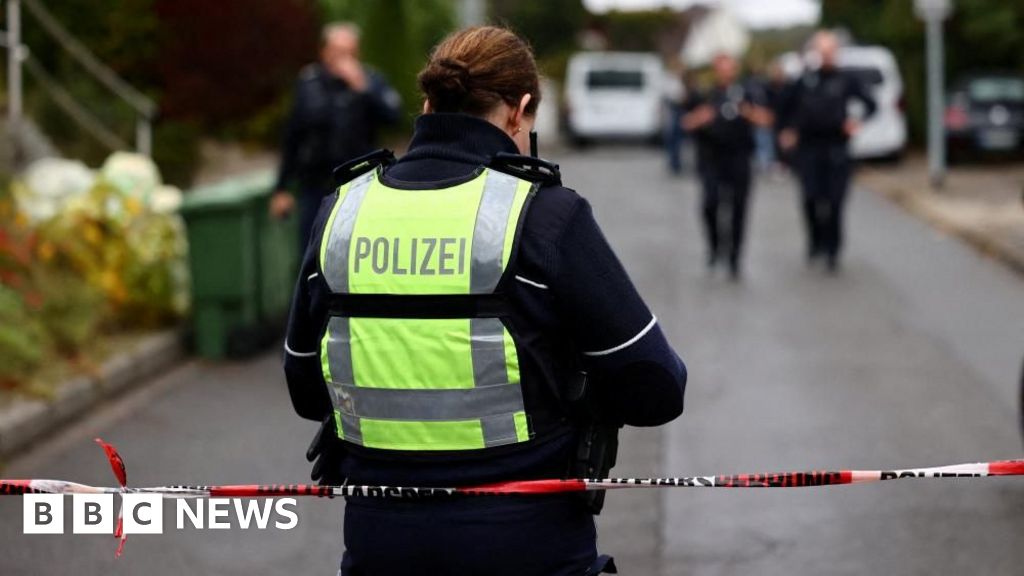
The recent assault on Iris Stalzer, the newly elected mayor of Herdecke in North-Rhine Westphalia, has sent shockwaves through the international community. The incident, which left the 57-year-old politician critically injured just near her home, underscores the fragile state of local political stability in parts of Germany. As police launch a sweeping investigation, the ramifications of this violent act resonate beyond the immediate community, raising alarms about the security faced by public officials in Europe amid rising polarization.

German Chancellor Friedrich Merz condemned what he called a “heinous act”, emphasizing the threat violence poses to democratic processes. His statement reflects a broader concern among international leaders and analysts, who warn that escalating domestic unrest could threaten the stability of democratic institutions. The attack has been linked to familial issues, with police considering a potential family connection in the crime, given the presence of Stalzer’s two adopted children at the scene and reports of domestic violence earlier this summer. Such revelations remind observers of the complex and often tragic intertwining of personal and political lives in today’s shaken social fabric.

The Social Democratic party (SPD), to which Stalzer belongs, expressed profound shock, emphasizing the dangers faced by political representatives who often find themselves vulnerable beyond the political arena. Officials disclosed that her children—a 17-year-old daughter and a 15-year-old son—made an emergency call, prompting a forensic investigation and police questioning. This incident spotlights the rising concerns about domestic issues within political families, which can sometimes become unpredictable flashpoints with national implications. As historians and cold-eyed analysts warn, such violent episodes threaten to undermine citizens’ faith in their leaders and the security of local governance, particularly in a Europe grappling with economic and social upheavals.

The international geopolitical impact of rising violence against politicians echoes far beyond Germany. With many nations confronting similar threats—whether driven by internal discord, ideological extremism, or other destabilizing forces—the attack on Mayor Stalzer might serve as a warning of a broader trend: the potential decline of civil discourse and an increase in political violence. These developments challenge the core principles of democracy and bring into focus how decisions made within political and security frameworks have profound effects on societal stability. The global community watches cautiously, aware that today’s local event could foreshadow larger crises with the power to reshape international order itself.

As the investigation unfolds and the world debates the implications, history offers a sobering perspective: acts of violence against political figures often mark turning points. They serve as stark reminders that while progress and stability may be built through cooperation and law, they are fragile and require constant defense. The shadows of history loom large, warning us that the ongoing struggle to preserve democratic ideals amid chaos remains a defining challenge of our era. With each chapter written in this unfolding saga, it becomes clear: the weight of history is not merely in the past, but in every decision that determines whether a society moves toward unity or descends into chaos.

Social Media Auto Publish Powered By : XYZScripts.com