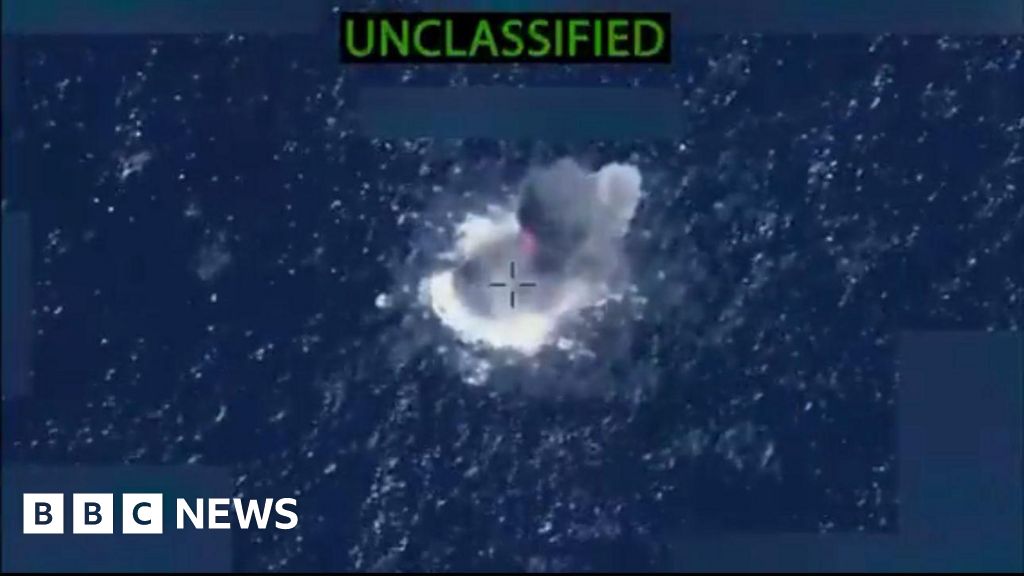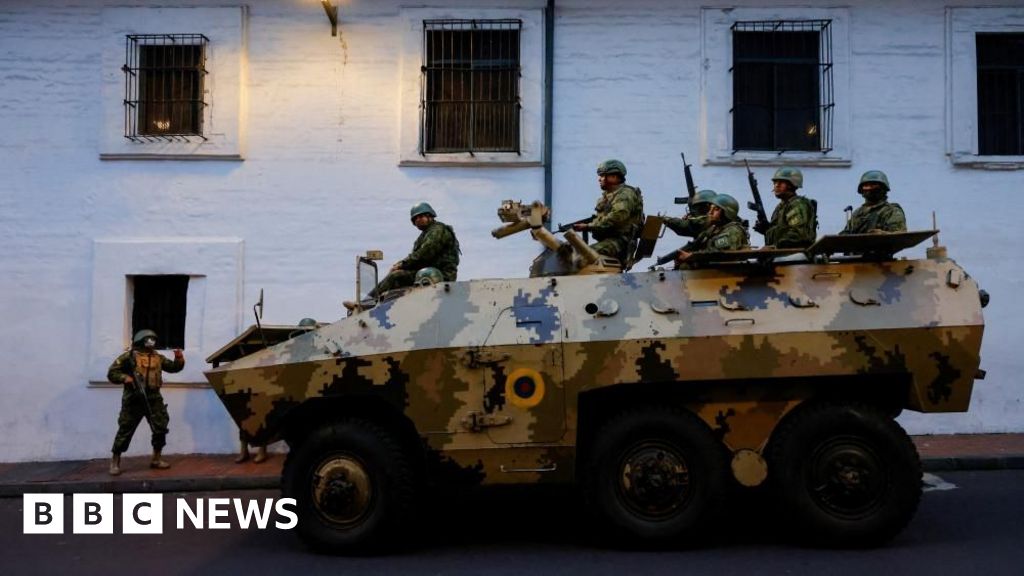

Recent statements from Washington reveal a concerted effort to combat what it describes as ‘designated terrorist organizations’ operating within Ecuador. This development signals a significant escalation in regional security dynamics, with broad geopolitical implications extending well beyond South America. The United States’ involvement underscores a broader strategy to contain extremist elements that threaten not only regional stability but also international security, as global powers seek to project influence amid shifting alliances and rising threats.
Analysts point out that the uprising of terrorist groups in the region signals a troubling trend, with insurgent groups leveraging Ecuador’s geographic and political vulnerabilities. Historically, Ecuador has remained relatively insulated from the turmoil that has plagued neighboring countries, but recent years have witnessed increased infiltration by various militant factions. According to reports from international organizations such as the United Nations, these groups have posed threats not only to Ecuador’s internal security but also to global efforts to destabilize fragile governments. Washington’s assertions suggest a desire to prevent these entities from establishing sanctuary on the continent, which could facilitate transnational operations, drug trafficking, and illicit arms smuggling.
In response, Ecuador’s government has reaffirmed its commitment to joint operations with the United States and regional allies, exemplifying what some analysts describe as a pivot toward stronger security cooperation. The move comes amid ongoing debates about sovereignty versus the need for international assistance in combating extremism. Historians emphasize that such cooperation often marks a pivotal shift in a country’s foreign policy, reflecting the increasing importance of security alliances in a world where traditional borders are increasingly porous. Yet, critics caution that such interventions could also fuel anti-Western sentiments, complicating diplomatic relations and potentially destabilizing the region further.
This unfolding scenario exemplifies the delicate balance of power in the 21st century, where the fight against terrorism serves as a proxy for broader geopolitical strategies. As global leaders deliberate the next moves, the international community must reckon with how these decisions will shape the societal fabric of Ecuador and neighboring nations. The echoes of history warn us that, often, the true cost of such interventions is paid in the long run—by innocent civilians caught in the crossfire and by nations entangled in the shifting tides of global conflict. As the world watches, the pages of history continue to be written, with each chapter potentially determining the future stability of a continent whose every move resonates far beyond its borders.