Matox News

Truth Over Trends, always!

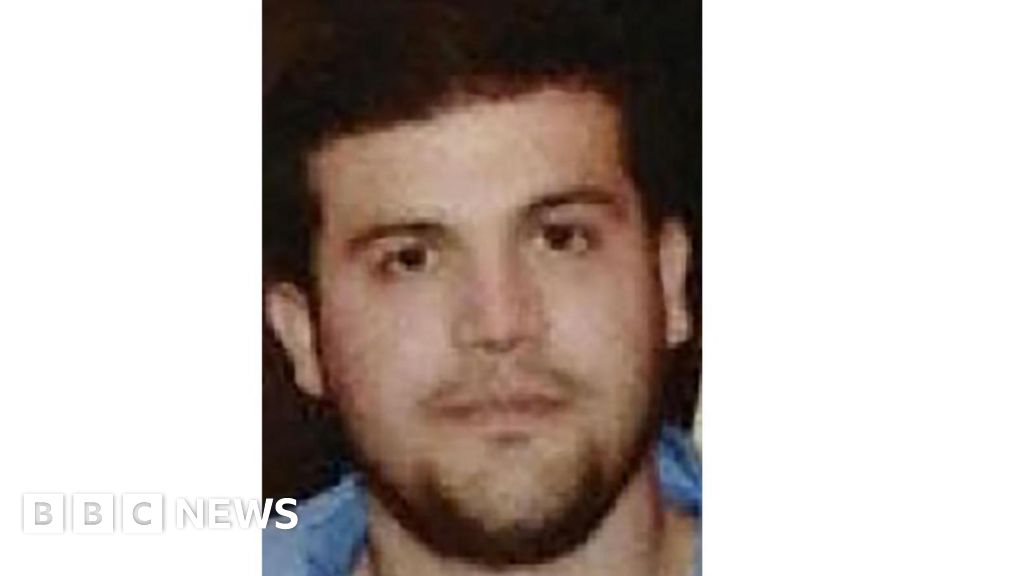
El Chapo’s Son Admits Guilt in US Drug Trafficking Case

The recent developments in the ongoing battle against organized crime and international drug trafficking underscore a pivotal moment in the global effort to curb a deadly epidemic. The guilty plea of Joaquín Guzmán López, one of the sons of notorious Mexican drug lord Joaquín “El Chapo” Guzmán, signifies more than a personal legal victory; it signals a shift in the power dynamics within the transnational drug trade. As a member of Los Chapitos, the elite faction of Guzmán’s cartel leadership, López’s cooperation with US authorities highlights the increasing pressure on the Mexican and American criminal landscapes. The arrest and subsequent plea reflect a broader strategy that aims to dismantle the structural pillars of an organization responsible for a significant portion of the substances plaguing North America.

According to US prosecutors, the Guzmán family’s cartel, particularly after the arrest of El Chapo, has evolved into a formidable force commanding the production and trafficking of a vast array of illicit drugs, including cocaine, heroin, methamphetamine, marijuana, and fentanyl. Their rise to power, especially through criminal consolidation subsequent to their father’s incarceration, illustrates an entrenched network resistant to traditional law enforcement.
In a striking move, authorities arrested López alongside cartel boss Ismael “El Mayo” Zambada. The operation—engineered through deception by leading López to believe he was assisting in property scouting—demonstrates the clandestine tactics employed by these organizations. As part of his plea deal, López admitted to overseeing multi-faceted operations designed to flood the US market with death-bringing substances, with fentanyl—over 50 times more potent than heroin—being a prime focus. The proliferation of fentanyl has become a national crisis, accounting for the majority of overdose deaths among Americans aged 18 to 45, highlighting the dire consequences of these criminal enterprises for society’s most vulnerable.

The criminal activity of Latin American drug cartels has profound geopolitical impact, influencing both regional stability and international policy. The Trump administration’s recent move to designate these cartels as terrorist organizations has stirred controversy, provoking debates about legality and moral authority. Such designations aim to justify aggressive military operations, including missile strikes at sea, claimed to be necessary to halt the flow of drugs into the US. Critics, including many international law scholars and human rights groups, contend that these actions risk violating international treaties and resorting to extra-judicial killings—posing a dangerous precedent for sovereignty and justice. The debate centers on whether these measures are effective or merely escalate violence, potentially destabilizing the fragile security balance in Latin America.

Meanwhile, on the other side of the border, Mexico’s authorities continue to counter decades of drug war violence, recently eliminating Pedro “Pichon” Inzunza Coronel, a prominent fentanyl trafficker involved in heinous crimes, including murders, kidnappings, and violent debt collection. US Ambassador Ronald Johnson lauded these efforts, emphasizing the importance of international cooperation in fighting transnational crime. These actions demonstrate a global acknowledgment of the crucial need for joint strategies to combat these deeply rooted criminal networks. As these powerful figures fall, the question remains: can justice truly dismantle the sprawling, adaptable infrastructure of drug cartels, or are we simply witnessing the beginning of a new, more desperate chapter in this ongoing war?

History’s judgment may soon be written in the unfolding of these events, as nations grapple with the consequences of their choices. The fight against drug trafficking is not merely about law enforcement but about confronting the societal decay that underpins these criminal empires. As the struggle intensifies, one thing is clear: the decisions made today will carve the geopolitical landscape of the future, shaping a narrative of resilience, resistance, and relentless pursuit of justice—a narrative that history will scrutinize for generations to come.
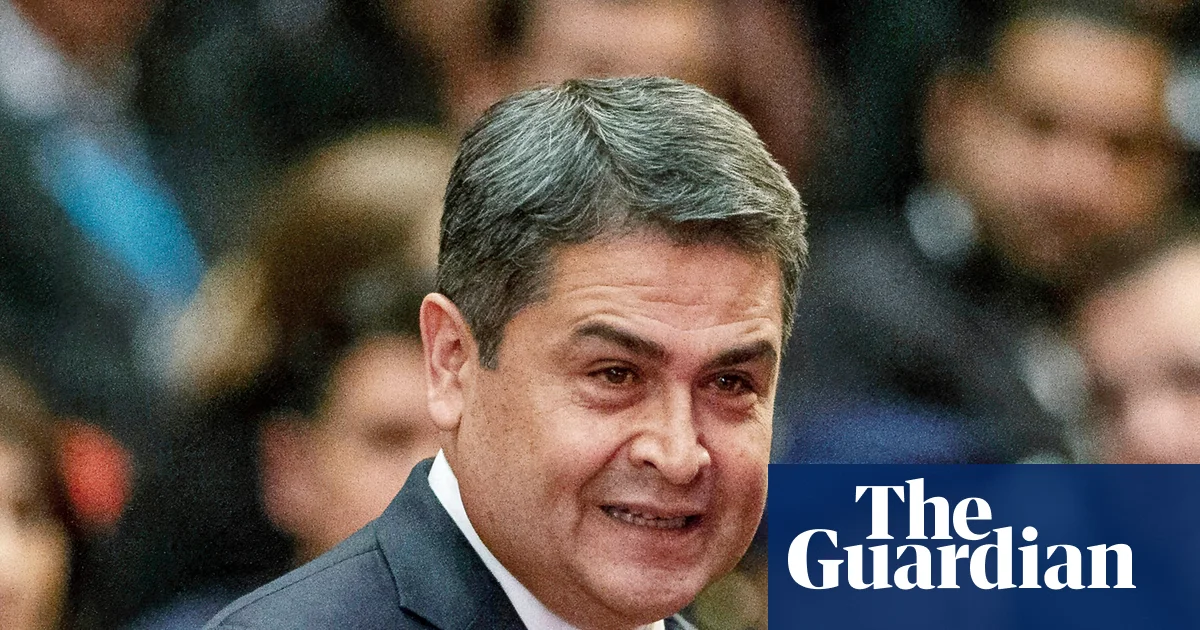

Trump to Pardon Former Honduran Leader Behind Drug Trafficking Conviction

Geopolitical Tensions Surface as Honduras Heads to the Polls Amid Controversial U.S. Interventions

As the Honduran electorate prepares for their upcoming presidential election this Sunday, international observers, including the Organization of American States and Washington, remain vigilant about the political climate and the potential ramifications on regional stability. The race is notably close, with candidates such as Tito Asfura, Rixi Moncada, and Salvador Nasralla vying for leadership of a nation historically caught between external influences and internal strife. Yet, beneath the surface of a democratic process, recent U.S. actions and political maneuvering reveal a more complex, often troubling geopolitical narrative that extends well beyond Honduras’ borders.

Former President Juan Orlando Hernández, now serving a 45-year sentence for accepting bribes linked to drug trafficking, has become a focal point in this international chess game. Just days before the election, Donald Trump declared his intent to issue a full and complete pardon for Hernández, claiming the ex-leader had been treated unfairly. This move underscores Washington’s enduring engagement with Honduras, where Hernández’s tenure was marked by close ties to U.S. interests and an open alliance with anti-drug strategies that often bypassed diplomatic norms. Historically, U.S. policymakers have leveraged such relationships to secure regional parameters that favor their geopolitical objectives, particularly in combating drug flows into America. However, critics argue this approach exacerbates corruption and undercuts democratic legitimacy, especially when the political process becomes entangled with extrajudicial efforts and covert operations.

Implications of U.S. Involvement and Shifting Alliances

  • Honduras has pivoted historically toward U.S. support under Hernández’s leadership, but recent elections pose challenges to this model, with Xiomara Castro pushing a more independent, leftist agenda.
  • Castro’s government, though pragmatically maintaining some cooperation, has openly criticized U.S. policies toward Cuba, Venezuela, and the broader Latin American left, providing a counter-narrative to Washington’s influence.
  • The U.S. claims to combat drug trafficking via designations of cartels as terrorist organizations and conducting military strikes have drawn international criticism for their humanitarian toll, raising questions about the efficacy of such strategies when deployed as tools of foreign policy rather than justice.

Despite the growing tensions, the election’s outcome remains unpredictable, with some analysts warning that the political landscape could further fragment should multiple candidates claim victory—a possibility that could deepen instability in a country vital to U.S. southern policy. Historians and regional analysts emphasize that this election signifies more than the choice of a leader; it is a reflection of America’s ongoing efforts to shape Central America’s future, often at the expense of local sovereignty. The recent moves by Trump and other figures demonstrate a pattern where personal political gains intertwine with geopolitics, influencing policies that have profound implications for regional security, migration, and economic development。

Shifting Alliances and Future Uncertainties

Meanwhile, Castro’s government, while receiving some engagement from the Biden administration, has managed to sustain relations with Cuba and Venezuela, challenging traditional U.S. narratives of dictatorships and economic crises. This pragmatic shift signals a broader regional pivot away from pure U.S. influence towards more diverse partnerships, a development noted with cautious optimism by international observers. Yet, the overarching concern remains: how will these geopolitical shifts affect the stability of Honduras and the wider Central American corridor?

As history continues to unfold, the impact of external powers like the U.S., combined with internal political dynamics, will determine whether Honduras moves toward deeper democracy or succumbs to chaos. The coming days are critical, not just for Hondurans, but for the entire hemisphere as each decision could shape the trajectory of regional order for decades to come. The weight of history presses down, reminding the world that today’s choices are the foundations upon which liberty, sovereignty, and stability will be built—not only in Honduras but across a fragmented and restless Latin America.

Social Media Auto Publish Powered By : XYZScripts.com


