Matox News

Truth Over Trends, always!

Devon man loses mental health support, kills stranger in park — tragic reminder of system failures

System Failures and the Fragile Tapestry of Our Communities

In a tragic saga that underscores the profound societal repercussions of mental health neglect, the murder of Lorna England in Devon reveals significant gaps in the support systems intended to protect our most vulnerable. As investigations have shown, the intersection of mental health services, community safety, and technological vulnerabilities can have devastating consequences. The case of Cameron Davis, a man with known mental health issues whose threats went unaddressed due to administrative failures and system cyber-attacks, exemplifies how the breakdown of social safety nets endangers families and destabilizes communities.

The inquest disclosed critical shortcomings: Davis was known to mental health services since late 2021, yet on the day he murdered England, a series of missed opportunities and systemic failures culminated in tragedy. Despite warnings from Davis himself—both to police and medical personnel—that he would kill someone if not detained—these alerts were either ignored or inadequately acted upon. Notably, an emergency call made by a mental health nurse seeking police assistance was delayed due to technical glitches, attributed to a cyber-attack that corrupted NHS records, effectively removing Davis from the system’s radar. Such failures highlight the societal dilemma of reliance on digital infrastructure that is vulnerable to cyber threats and administrative oversight.

During the inquest, experts emphasized that mental health teams followed proper procedures in their assessments, but the absence of a dedicated care coordinator set the stage for missed interventions. The senior coroner, Philip Spinney, pointed out that a multi-agency risk assessment could have been convened had Davis been properly documented and monitored. This emphasizes that, when families face the repercussions of administrative errors—especially those rooted in technological vulnerabilities—the fabric of societal safety begins to fray. The question remains: how do we strengthen these safety nets to prevent future tragedies?

Social Challenges and the Need for Systemic Reform

  • Technological vulnerability: Cyber-attacks compromising vital health records expose dangerous gaps in digital security, risking the safety of at-risk individuals and the communities they belong to.
  • Community and professional disconnect: Despite clear warnings, the collective failure to act decisively illustrates a disconnection among police, healthcare, and social services, undermining efforts to mitigate risks for vulnerable populations.
  • Insufficient resource allocation: The case underscores the importance of allocating sufficient resources and establishing protocols for multi-agency collaboration, especially for individuals with complex mental health needs.

Furthermore, sociologists and social historians warn that “the erosion of community-based mental health services and reliance on digital systems alone risk creating a society where vigilance becomes a false substitute for proactive care,” as sociologist Dr. Lisa Carter notes. Our communities, especially those in rural or underserved regions, bear the brunt of these systemic deficits. The moral obligation to safeguard these lives requires not just technological fortification but a cultural shift—prioritizing compassionate, coordinated care over bureaucratic complacency.

As society grapples with these dilemmas, the image of families torn apart and communities fractured serves as a stark reminder of our collective responsibility. “Are we willing to accept the status quo,” asks mental health advocate Tom Reynolds, “or will we finally confront the uncomfortable truth that safeguarding our society depends on unwavering commitment to mental health care, technological resilience, and community engagement?” The case of Lorna England is an urgent call for reform—not only of policies but of societal values—to ensure that no other family endures such heartbreak.

In the silent moments following these tragedies, society is compelled to reflect: how do we mend the social fabric torn by neglect, misinformation, and systemic failure? Perhaps, in our pursuit of technological progress and administrative efficiency, we have overlooked the importance of human connection. Yet, there remains hope that, through renewed vigilance, community solidarity, and moral resolve, we can write a new chapter—one where our societal systems serve not just efficiency, but compassion. A future where tragedies like this become echoes of the past, rather than forewarnings of what society has failed to prevent.

US officials confirm Titan sub’s tragic implosion due to faulty engineering—youth concerns grow

OceanGate’s Titan submersible disaster has ignited a fierce debate across international corridors about the responsibilities of private firms venturing into deep-sea exploration. The implosion of Titan in June 2023, which resulted in the tragic loss of all five onboard—including OceanGate’s chief executive—has cast a stark spotlight on **faulty engineering practices** and **lukewarm regulatory oversight**. According to a recent report by the US National Transportation Safety Board (NTSB), the tragedy was not an unforeseen act of nature but a consequence of **”inadequate” engineering processes that failed to meet established safety standards**. Such findings underscore how, in the pursuit of adventure and profit, safety deficiencies are often brushed aside, with deadly consequences.“

At the core of this catastrophe lies a **daring yet dangerously flawed vision**—one where a private firm sought to capitalize on ultra-wealthy thrill-seekers paying up to $250,000 for a seat in an experimental deep-sea vessel. It was the company’s reckless disregard for adequate testing that set the stage for disaster. The NTSB’s report elucidates how OceanGate’s testing protocols were superficial at best, leaving critical structural weaknesses unaddressed and the vessel unfit to withstand the immense pressures of the North Atlantic’s depths. This failure to ensure safety not only endangered lives but highlighted a broader systemic issue—how the lack of stringent regulation allows profit-driven entities to gamble with human lives under the guise of exploration.

The **geopolitical impact** of this incident extends beyond the oceanic depths. It raises urgent questions about the regulation of commercial deep-sea operations—a sector increasingly driven by private enterprise and ambitious billionaires’ projects. Analysts warn that such failures threaten to erode public trust and could result in international calls for tighter oversight. International organizations and regional governments are watching closely—fearful of a domino effect that might embolden similar risky endeavors across other frontier zones such as space or uncharted territories. Furthermore, the incident underscores how the decision to prioritize profits over safety can undermine the diplomatic stature of nations hosting or regulating such activities. Several experts, including maritime safety authorities and historians of exploration, emphasize that this tragedy is a stark reminder of the perils of deregulating high-stakes ventures.

In the wake of the investigation, revelations of **internal culture and alleged corruption** at OceanGate have raised alarms about the nature of private sector involvement in hazardous exploration. The NTSB’s findings reveal that some internal employees voiced concerns over **”safety being ignored”** and even criticized the *business model*, which involved **accepting paying clients as “mission specialists,”** contrary to US safety regulations that prohibit transporting passengers in experimental vessels. Disturbingly, accounts describe how OceanGate’s leadership, including Stockton Rush, allegedly dismissed these warnings, with reports suggesting attempts to manipulate oversight through corrupt political influence—an issue that many analysts argue highlights the risks of privatized exploration operating outside the bounds of strict governance.

As history unfolds, it becomes clear that the maritime tragedy involving Titan is emblematic of a broader shift in how nations and societies negotiate the boundaries of exploration and commerce. While mankind’s quest for discovery is integral to progress, it must not be unchecked. The sinking of Titan, and the subsequent revelations, serve as a grim warning **that unchecked greed and lax regulation** can turn daring ambitions into existential dangers. In the face of this deadly lesson, international institutions and governments are increasingly called upon to assert control—integrating strict safety standards with accountability—to ensure that the wave of exploration does not drown mankind in its wake. As the oceans remain veiled in mystery, the danger now is that history’s ongoing struggle with tragic hubris may repeat itself, leaving future generations to ponder whether we learned enough from the depths’ darkest secrets.

Autumn's Himalayan Climb Turns Tragic: Youth Adventure Ends in Disaster
Autumn’s Himalayan Climb Turns Tragic: Youth Adventure Ends in Disaster

The once serene autumn seasons in Nepal and Tibet are now subject to increasingly unpredictable and extreme weather phenomena, signaling a profound turning point in global climate patterns. Reports from meteorological agencies and independent scientists reveal that the typical clear skies and stable weather that long attracted mountaineers and adventure tourists are vanishing. Instead, these regions face a turbocharged monsoon season, driven by a disturbing confluence of atmospheric systems. Experts warn that the interactions between the traditional Indian monsoon and the westerly disturbance—a cold air system originating in the Mediterranean—are intensifying due to climate change, leading to unprecedented weather events in one of the world’s most fragile mountain ecosystems.

  • Recent episodes of extreme rainfall and snowstorms stranded hundreds of travelers near Mount Everest’s eastern face, forcing rescue operations that involved yaks and helicopter evacuations. These events, occurring well outside the normal mountain tourism season, suggest the weather is no longer predictable or reliable.
  • In Nepal, landslides and flash floods have claimed dozens of lives within a week, with official estimates reaching around 60 casualties. The disruption has not only impacted local communities but also raised alarm in international climate circles about the implications of such erratic weather patterns.
  • Study findings and expert analyses now recognize that a warming climate facilitates the interaction between the monsoon and westerly disturbances, effectively “turbocharging” the summer rains and snowfalls, thereby destabilizing the Himalayas’ climatic equilibrium.

International environmental organizations, including the UN World Meteorological Organization, warn that these shifts are not isolated incidents but part of a broader pattern affecting the entire Himalayan region. As the global climate continues to warm, scientists like Professor David P. Stone from the University of Oxford underscore that “the Himalayas are becoming a bellwether for climate change impacts on fragile mountain ecosystems and the societies that depend on them.” This rapid transformation underscores the interconnected nature of climate change and geopolitical stability, with the Himalayan region standing at the crossroads of local and international crises.

Historian and climate analyst Dr. Maria K. Jensen echoes these concerns, emphasizing that recent shifts pose a direct threat to regional security and global biodiversity. As glaciers melt at unprecedented rates, sea levels rise, and weather patterns become erratic, nations like Nepal and Tibet face not only environmental challenges but also risks to their sovereignty and socio-economic stability. The increasing difficulty in forecasting weather complicates mountaineering, tourism, and disaster preparedness efforts—elements vital for the local economies and the health of communities that have thrived for centuries in harmony with nature.

Ultimately, the sudden, violent storms and unpredictable weather patterns offer a stark warning—how decisions made in the corridors of power in Europe, North America, and beyond directly influence the fate of vulnerable, remote regions. As Earth’s climate continues to warm, the Himalayan peaks will serve as a dramatic tableau for future conflicts, migration, and ecological upheaval. History is unfolding before our eyes, and the question remains: **Will humanity heed the urgent call to action, or will we watch as the mountains themselves become silent witnesses to the upheaval of an unstable climate?** The choices made today will shape the legacy of the 21st century, leaving behind a story that will be told by generations yet unborn.

Coroner: Suffolk School Not to Blame for Girl’s Tragic Death

Society Faces Critical Challenges as Young Lives Are Lost to Social and Mental Health Crises

The tragic death of Georgia Scarff, a talented 16-year-old from Bury St Edmunds, Suffolk, underscores the complex nexus of mental health issues, school safeguarding shortcomings, and broader societal challenges affecting families, education, and communities. While the context surrounding Georgia’s death is individually heartbreaking, it also reflects systemic flaws that demand urgent societal reflection and action. The circumstances reveal how social issues, when unaddressed, can lead to devastating outcomes for our youth—and by extension, threaten the fabric of our society.

A key element of the tragedy lies in the ineffective safeguarding protocols within Georgia’s school environment. Despite an established system meant to protect students, a critical lapse occurred when an email from her mother outlining her mental health struggles was not logged on the school’s safeguarding platform. This omission meant that teachers and staff, who might have been able to intervene, remained unaware of Georgia’s vulnerability. Coroner Darren Stewart, in his report, emphasized that such failures in communication could compromise the well-being of children. As sociologists like Dr. Helen Fisher point out, “school safeguarding systems are only as strong as their implementation—and that implementation must be universal and meticulous.” The gap in information sharing serves as a cautionary tale about the importance of robust, technology-enabled safeguarding that ensures no warning signs go unnoticed, especially when young lives hang in the balance.

Further complicating Georgia’s story are broader societal issues such as mental health stigma and demographic pressures faced by well-funded institutions. Despite her evident talents and positive reputation among peers and family—highlighted as a “significantly positive force”—she struggled with feelings of hopelessness rooted in personal loss and academic anxiety. Her family described her as “kind and thoughtful,” passionate about design, technology, and geopolitics, and an accomplished athlete. Yet, her transition into an elite boarding school, where fees can reach £52,000 annually, was marked by difficulties. The emotional toll of adapting and her prior history of trauma, including her father’s tragic death, were overshadowed by societal expectations of resilience and success. This mismatch between societal assumptions and individual mental health needs fosters a social tension whereby young people feel compelled to hide their struggles in environments that are supposed to nurture them.

  • High academic pressure and societal expectations can amplify mental health issues among youth.
  • School safeguarding protocols need more rigorous, technology-driven safeguards to prevent information gaps.
  • Families and communities must foster open, stigma-free dialogue around mental health to better support vulnerable youth.
  • Public policies should prioritize mental health funding and teacher training to recognize early signs of distress.

As social commentator Mark Bauerlein observes, “the society we have built often overlooks the silent suffering of its young, making tragedy an all too familiar outcome.” Georgia’s story is a stark reminder that mental health crises cannot be ignored or minimized, nor can they be treated as solely personal issues. Instead, they are societal issues demanding collective responsibility—a shared moral imperative to reshape our institutions and cultural attitudes. The hope remains that through improved communication, comprehensive support systems, and a societal shift toward genuine empathy and understanding, we can prevent future tragedies and create an environment where young people like Georgia—bright, hopeful, and talented—can realize their potential without the shadow of despair looming over them.

In this society’s reflection on loss, there lies an opportunity—an opening to rebuild and to fortify the bonds that define our communities. For even as the night falls dark with tragedy, the dawn of a more compassionate and robust social fabric glimmers on the horizon. Society’s greatest challenge is not just in acknowledging these wounds, but in tending to them—the hope of transformation whispering softly amid the echoes of those we’ve lost.

Tragic methanol overload claims life of young man in São Paulo

The recent surge of methanol poisoning in Brazil is shaping up as a significant public health crisis with far-reaching geopolitical implications. Over the past few weeks, reports from the state of São Paulo reveal a tragic toll—three confirmed deaths and over 225 confirmed cases, as authorities scramble to contain an outbreak associated with contaminated alcohol. The authorities’ investigations focus on both the source of the tainted drinks and the broader risks posed by illicit alcohol markets that often evade regulation in countries vulnerable to organized crime and economic instability.

While officials remain uncertain whether this crisis is accidental or part of a deliberate effort to undermine public safety, the situation underscores issues that transcend Brazil’s borders. In a global context, dangerous products—whether contaminated alcohol or counterfeit pharmaceuticals—highlight how illicit transnational trade flows threaten national sovereignty and public health. Experts from organizations such as the World Health Organization warn that the proliferation of toxic substances like methanol—frequently sourced from illegal fuel or cleaning product channels—poses systemic risks that are often underestimated. The death of a young woman, Bruna Araújo de Souza, along with the two men and dozens of hospitalizations, has intensified calls for stricter regulation, yet the problem persists, revealing flawed enforcement of existing laws.

The response of Brazilian authorities indicates a broader struggle against the shadow economy heavily intertwined with the illicit alcohol trade. More than 10,000 bottles have been seized, and at least 11 businesses have been shut down, yet the crisis continues. The impact extends beyond health; it questions the reliability of local businesses and the safety of daily consumption, particularly in urban hubs like São Paulo. The bar near Paulista Avenue—one of Latin America’s busiest districts—reported concerns from patrons and urged caution, exemplifying how trust in local commerce is eroding amid fears of contaminated products. These events threaten social stability and highlight the importance of international cooperation in trade regulation and public health safety.

Historians and analysts caution that these incidents are not isolated; instead, they serve as stark reminders of the digital age’s complexity in enforcing laws across borders. The United Nations and Inter-American Development Bank emphasize that unresolved economic inequalities and lax regulation create fertile ground for criminal enterprises, which exploit local vulnerabilities for profit. As the world watches, Brazil’s plight underscores how local health emergencies can quickly escalate, destabilizing geopolitical relationships, especially with nations involved in illicit trade networks. The ongoing investigation into whether the poisoning was deliberate or accidental adds a layer of complexity, yet the ultimate message remains clear: how nations respond to such crises will define their resilience in the face of transnational threats.

As the shadows of this crisis stretch across the political landscape, the heavy weight of history hangs in the balance. The unfolding story of methanol poisoning in Brazil is less about isolated incidents and more about a global struggle—an ongoing battle between lawful governance and criminal shadow economies. The outcome will determine whether societies can reclaim their streets, restore faith in local businesses, and prevent future tragedies from turning into yet another chapter in the ongoing saga of international disorder. As with all moments of upheaval, this chapter remains unwritten, yet its echoes will resonate through history’s corridors for generations to come.

Skydiver loses life after tragic free fall—without a parachute

International Spotlight on Skydiving Safety as Tragic Incident Unfolds in Nashville

The recent fatal skydiving incident in Nashville, Tennessee, has ignited a global debate on the safety standards of extreme sports and the geopolitical implications of regulatory oversight. The incident, involving experienced skydiver Justin Fuller, underscores the risks faced by adrenaline enthusiasts worldwide, but it also highlights how national safety protocols can influence international perceptions and regulatory cooperation. As investigations unfold, analysts warn that such tragedies could prompt a reevaluation of safety standards across borders, potentially impacting the international skydiving industry.

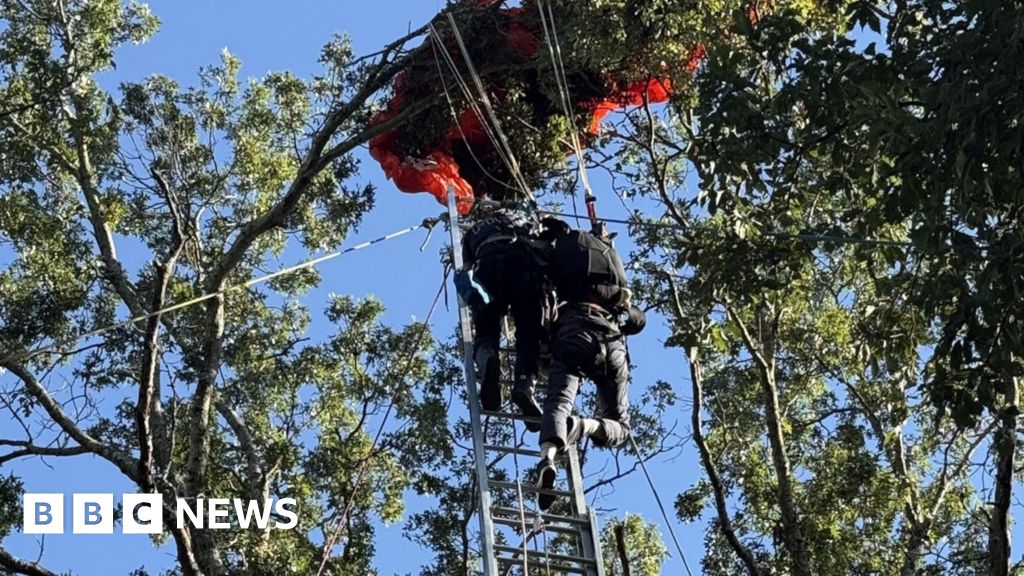
The Federal Aviation Administration (FAA) has launched a comprehensive investigation into Fuller’s death, which authorities suspect resulted from a sudden separation from his client’s parachute during a tandem jump. Police reports confirm that Fuller, 35, appeared to have become disconnected from his parachuting rig, leading to his presumed fall from the sky, while his 46-year-old client survived by emergency parachute and was rescued hours later by Nashville Fire Department. This incident raises critical questions on international safety protocols and whether the current standards are sufficient to prevent such tragedies, especially for seasoned professionals like Fuller who dedicated their lives to teaching and advancing their sport.

From a geopolitical perspective, incidents like this resonate beyond local borders, affecting broader international discourse on regulatory harmonization. Historians and safety analysts argue that the globalization of extreme sports necessitates cohesive safety standards and transparent oversight, especially as international tourism and sports competitions grow. Notably, the skydiving community has seen increasing incidents worldwide, prompting calls for stricter international accreditation systems. Such evolutions could lead to potential treaties or agreements aimed at elevating safety benchmarks, yet they also risk complicating the industry’s competitive landscape.

  • The incident occurs amid rising scrutiny of safety practices following recent high-profile accidents in various countries.
  • Aviation and sporting authorities worldwide have debated the efficacy of current safety standards, with some advocating for stricter regulations modeled after FAA protocols.
  • International organizations, including the International Air Sports Federation, are under pressure to reinforce safety reforms, which could reshape industry norms.

As the world watches, the aftermath of this tragedy could serve as a catalyst for sweeping reforms that redefine international norms of adventure sports safety. While Nashville mourns its latest loss, the global community is reminded that the pursuit of thrill comes with profound responsibility — one that intertwines the fate of societies, the integrity of regulations, and the relentless march of history. The question remains: how many more must fall before the world collectively elevates the standards that safeguard human daring in the face of nature’s fury? In this unfolding story, the margins between safety and catastrophe are razor-thin, and the weight of history continues to press upon the present, demanding action before another life is lost to the skies.

Social Media Auto Publish Powered By : XYZScripts.com