
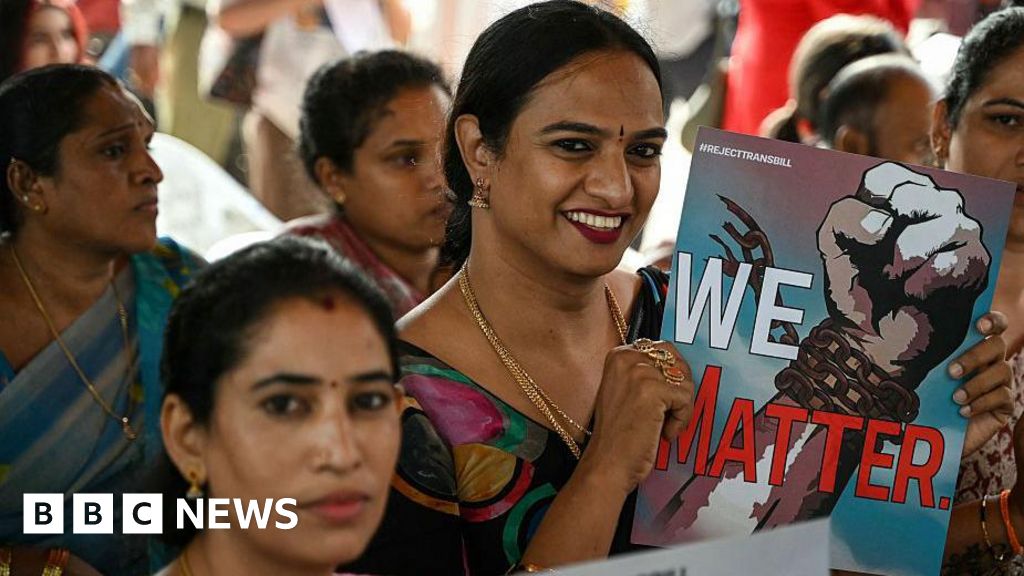

In recent weeks, a significant legislative proposal has emerged that aims to redefine the legal recognition and self-identification rights of transgender individuals. This bill, currently under debate in several nations, represents a pivotal moment in the evolving landscape of human rights and national sovereignty. At its core, the legislation seeks to modify existing frameworks, potentially limiting or expanding the ability of transgender people to legally affirm their gender identity. As nations grapple with the cultural and political ramifications of such laws, the broader geopolitical impact becomes increasingly apparent.
Many analysts warn that these legislative shifts are more than domestic policy changes—they are reflective of larger geopolitical currents. Countries like the United States, Canada, and European nations are watching closely, with some governments advocating for stricter laws that emphasize traditional values, while others push for greater inclusivity. The international community is divided, with organizations such as the United Nations urging respect for human rights, yet facing pushback from respective governments citing cultural sovereignty. This divergence highlights a broader contest over how societies define identity and morality amid a rapidly changing global order.
Historians and geopolitical analysts point to the potential consequences of such legislation as influencing inter-state relations and alliances. Countries that impose restrictive policies risk diplomatic friction with Western democracies advocating for human rights. Conversely, nations solidifying traditional policies may seek closer ties with other states that prioritize national values over international norms. According to recent reports from the International Crisis Group, these legal battles have the potential to deepen existing ideological divides, shaping a new international landscape where morality is increasingly contested on the global stage. The legislation’s passage or rejection could thus serve as a bellwether for shifts in geopolitical alignments, especially as nations seek to assert their cultural identities amidst external pressures.
Ultimately, these legislative debates echo the historical pattern of societies wrestling with fundamental questions of rights, identity, and sovereignty. As the world watches, the decisions made in legislative chambers—whether to uphold individual self-determination or to enforce traditional values—will resonate profoundly. They are not merely domestic policy matters but are intertwined with the future of global order. The weight of history rests heavily upon this unfolding chapter, reminding all of us that each choice echoes through time. In this pivotal moment, history’s pen continues to write an enduring saga of cultural conflict, ideological contestation, and the relentless pursuit of societal identity.






