Matox News

Truth Over Trends, always!

Qantas Scores $1.46bn Profit Boom as Aussie Travelers Keep Flying Despite Rising Costs

Global Economy and Geopolitical Shifts: A New Chapter in International Affairs

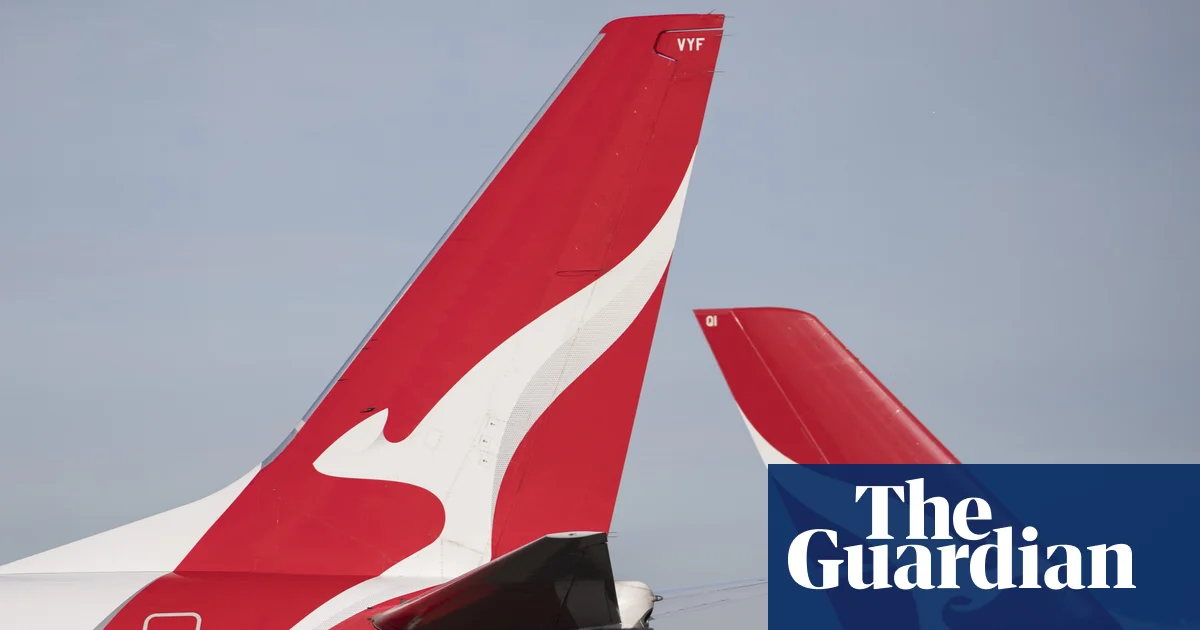
In a remarkable turn of events, Qantas, Australia’s largest airline, has announced a robust $1.46 billion half-year profit, demonstrated by resilient consumer demand despite ongoing global economic pressures. This narrative of economic revival challenges the prevailing narrative that high living costs and inflation are universally dampening national economies. Instead, it marks a pivotal shift showing how some nations, particularly those with strong resource bases and strategic industries, are navigating the turbulent waters of economic globalism. \u201cTravel remains a priority for Australians,\u201d said airline CEO Vanessa Hudson, who is orchestrating the most expansive fleet renewal program ever. This aligns with a broader pattern of resilience among resource-rich nations and key industrial players seeking to lend strength to their influence on the global stage.

Meanwhile, Australia continues to bolster its position through strategic investment in infrastructure and commerce. The airline’s investments include upgrading its fleet with newer, more fuel-efficient aircraft, allowing it to open new routes—particularly to regional hubs like Japan, Bali, and across the Tasman. This move not only enhances passenger experience but also cements the nation’s role as a key connector between the Asia-Pacific and the economic powers of the West. Analysts from international think tanks note that such developments contribute significantly to Australia’s geopolitical leverage, giving it greater sway within regional diplomatic contexts, particularly in counterbalancing the influence of China and the United States.

However, challenges remain, especially in the U.S. market. Despite optimism about domestic resilience, Hudson acknowledges that US economic uncertainties persist, prompting close monitoring of the “evolving economic environment.” The challenge posed by rising inflation, coupled with recent social media and travel policy shifts, underscores the complex, interconnected nature of modern geopolitics. Reports indicate that social media activity is under increasingly strict scrutiny, with some nations enforcing measures that impact international travel and diplomacy. Such policies serve as a stark reminder of the fragile balance between national security and individual freedoms, raising questions about the future trajectory of international cooperation and civil liberties. This tension echoes worry among historians and policymakers about the long-term implications of rising societal control and surveillance, which, if unaddressed, could foster geopolitical tensions or even conflict.

  • Qantas’s strategic fleet renewal: Replacing aging domestic aircraft, expanding long-range capabilities, and improving fuel efficiency.
  • Australia’s strengthening economic links: Enhanced regional connectivity and regional influence through targeted infrastructure and trade investments.
  • US market challenges: Uncertain economic climate and stricter travel-related social media regulations impacting international mobility.
  • Potential global repercussions: Increasing social controls and economic uncertainties could reshape international alliances, trade routes, and security policies.

As these developments unfold, they place a spotlight on a broader geopolitical landscape amidst evolving economic power dynamics. European analysts warn that the balancing act between Western democracies and rising authoritarian tendencies will define the stakes of this decade. The decisions made today—regarding economic resurgence, social regulation, and international diplomacy—will determine whether the path leads to cooperation or conflict. Historians will look back on this era as one where the weight of history pressed heavily upon the shoulders of leaders seeking stability in an increasingly volatile world. With each policy shift and economic indicator, the question lingers: are we witnessing the stabilization of a new geopolitical order or the tremors of a coming upheaval? The answers, as always, remain to be written, yet the narrative of this generation’s history is unmistakably unfolding—one cautious step at a time.
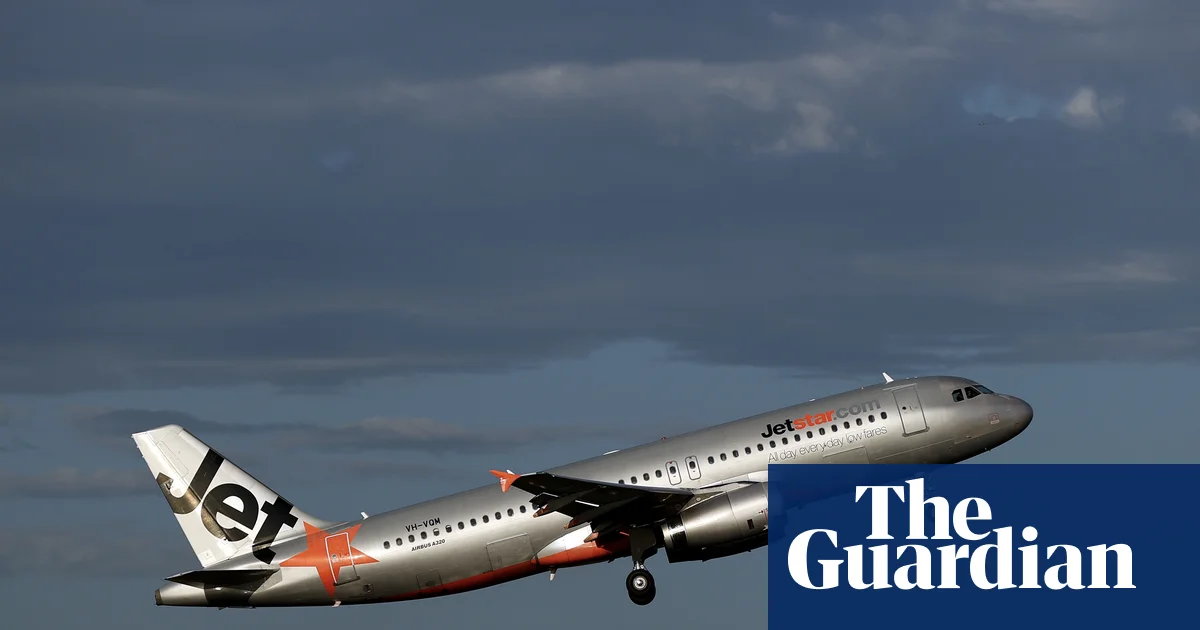
Jetstar cancels 90 Aussie flights amid Airbus A320 recall—disrupting travelers nationwide

International Flight Disruptions Reveal Fragility in Aerospace Safety and geopolitical Stability

In an unprecedented cascade of events, the global airline industry finds itself grappling with a crisis rooted not only in technical malfunctions but in the intricate web of international aviation safety. The recent grounding of **Jetstar**’s Airbus fleet, following critical software updates mandated by **Airbus** after a series of mid-air incidents, underscores how interconnected modern geopolitics, technological reliability, and national security have become. This incident exemplifies a pivotal moment where the safety of millions of passengers is intertwined with broader geopolitical currents, as nations emerge to scrutinize regulations, and global institutions face the pressure to act decisively.

The triggering event was an alert issued by **Airbus**, ordering an immediate software overhaul on a substantial number of its A320 aircraft, which are widely used by airlines such as **Qantas**, **Virgin Australia**, and **Air New Zealand**. The incident followed a JetBlue flight from Cancún, Mexico, to Newark, where an unexpected altitude loss resulted in injuries among passengers—raising alarms about potential vulnerabilities in critical flight control systems. The European Union Aviation Safety Agency (EASA), which certifies these aircraft, identified the problem as an “uncommanded pitch down event,” holding the potential for catastrophic structural failure should unchecked. Analysts warn that such technical glitches, if widely unaddressed, could erode confidence in international aviation safety standards, with ripple effects extending into diplomatic relations and economic stability.

The geopolitical impact extends beyond the immediate safety concerns. Countries that rely heavily on Airbus aircraft face a delicate balancing act—prioritizing passenger safety while managing the economic disruptions caused by flight cancellations across international and domestic routes. For instance, **Qantas** and **Virgin Australia**, both using Airbus aircraft, assured that their fleets would largely remain unaffected, emphasizing how national airlines are navigating the balance of safety, economic vitality, and geopolitical posture. Meanwhile, **Air New Zealand**—a cornerstone of New Zealand’s international connectivity—announced cancellations but reassured safety measures, highlighting how emerging aviation challenges threaten to influence regional stability and trade routes.

International organizations and security experts have voiced concern that this crisis exposes vulnerabilities in an era of increasingly sophisticated aviation technology—an arena now vulnerable to a potential mix of natural and malicious influences. Some agencies warn that the incident is a symptom of a broader shift where technological dependencies in aerospace are becoming new battlegrounds for international power struggles. Historically, analysts like Dr. Emilia Goto from the Global Security Institute argue that such disruptions, if exploited, could serve as pretexts for political leverage, especially amidst current global tensions involving **China**, **Russia**, and the **United States**. The crisis prompts a sobering reflection on how decisions taken in boardrooms and regulatory agencies now directly influence the security architecture of nations.

As this unfolding story continues to develop, the weight of history reminds us that in the 21st century, technological dependence has fundamentally altered the fabric of international stability. The recent grounding of aircraft and swift regulatory response symbolize how fragile the balance is—where the decisions of a multinational corporation, a regional airline, or a regulatory body can tip the scales of geopolitics. With each flight canceled, each safety directive issued, the world moves closer to a reality where the safety of the skies hinges on the complex interplay of technology, international cooperation, and geopolitical influence—an intricate dance where the first misstep could lead humanity into uncharted and dangerous territory, forever etching this crisis into the annals of history’s turbulent chapters.

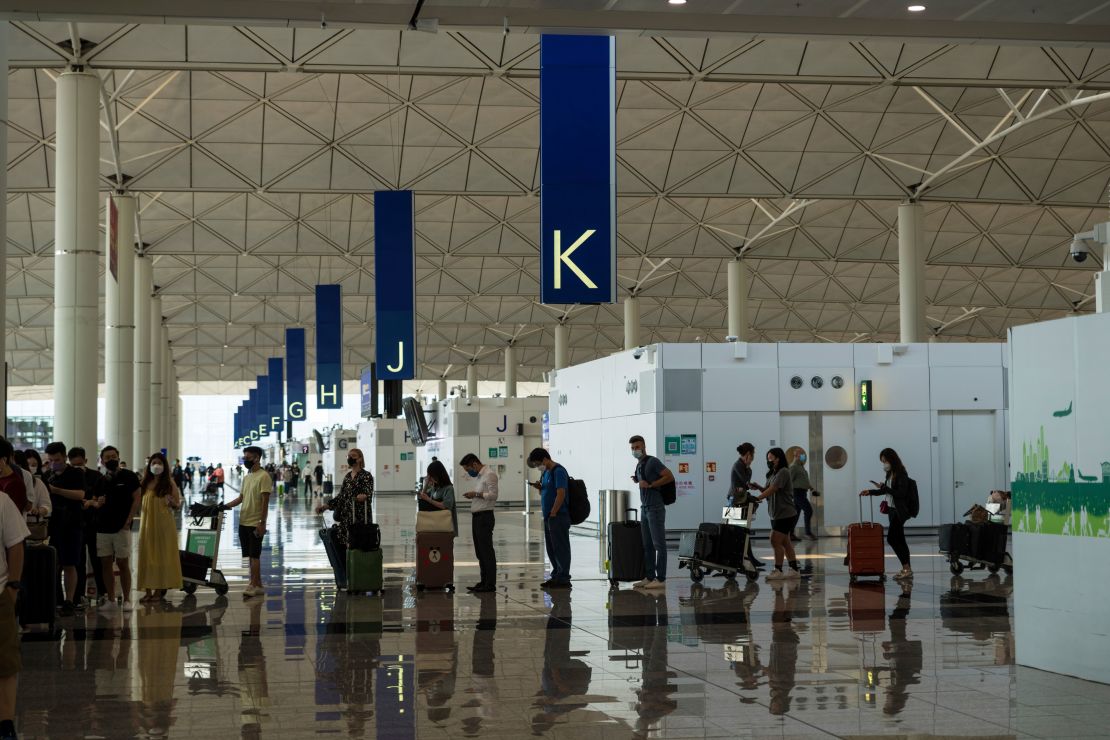
Hong Kong Scores Big with Free Airline Ticket Giveaway for Adventure-Ready Travelers

Once a bustling hub attracting over 56 million visitors annually, Hong Kong has faced unprecedented challenges in recent years due to stringent pandemic measures. The city’s economy, heavily reliant on global tourism, was hit hard when strict quarantine protocols and travel bans limited international arrivals. After over two years of virtual isolation, the narrative is shifting. Now, the city is making bold moves to re-engage the world, signaling a fresh chapter in its vibrant life and economic revival.

Hong Kong’s decision to abolish its longstanding hotel quarantine policy, along with a concerted push to lure back travelers, underscores a strategic shift toward normalcy. The landmark move was followed by an audacious campaign: the giveaway of half a million airline tickets, valued at approximately $254.8 million. Announced by the Hong Kong Airport Authority, this effort aims to inject liquidity into the aviation sector while reigniting global interest in the city. These tickets are allocated to both international visitors and residents alike, emphasizing Hong Kong’s commitment to reconnect with the world and restore its vibrancy. Such initiatives reflect a broader ethos echoed by travel and lifestyle experts—embracing the restorative power of travel not only fuels local economies but reinvigorates individual purpose and global fellowship.

While these efforts mark a significant step, the journey back to normalcy remains layered with challenges. Despite lifting quarantine measures, visitors must navigate complex entry requirements: vaccination certificates, multiple PCR tests, and mandatory self-monitoring periods. Hong Kong’s government remains cautious, understanding that safety and confidence are paramount in rebuilding trust. The city’s historic approach—initially requiring 21 days of quarantine, then reducing it to three—demonstrates a measured path towards reopening. Notably, the city’s flagship airline, *Cathay Pacific*, and agencies like Expedia report surges in travel demand, foreshadowing a promising rebound. These signs serve as a testament to the resilience ingrained in Hong Kong’s culture, a community that has continually adapted and persevered through adversity, channeling an unbreakable spirit of innovation and hope.

Living the Hong Kong Experience Today

  • Prepare early: Gather vaccination proofs and PCR test results to streamline your entry process.
  • Stay informed: Follow official sources for the latest updates on travel restrictions and guidelines.
  • Plan with flexibility: Expect some restrictions, like self-monitoring and limited dining options initially.

For those seeking inspiration in the wake of global upheavals, the evolving landscape of Hong Kong offers a compelling narrative of rebirth. It’s a story rooted in resilience, determination, and the relentless pursuit of a better future. As the city reopens its arms, it beckons worldwide explorers to rediscover its unique blend of tradition and modernity, to experience firsthand that even in the face of hardship, life finds a way to flourish. Embracing this journey isn’t just about travel; it’s about reclaiming a piece of ourselves—curious, adventurous, and inspired—ready to forge ahead into new horizons.

Transport Secretary warns shutdown could ground US flights to a trickle, sparking concerns for travelers and the economy

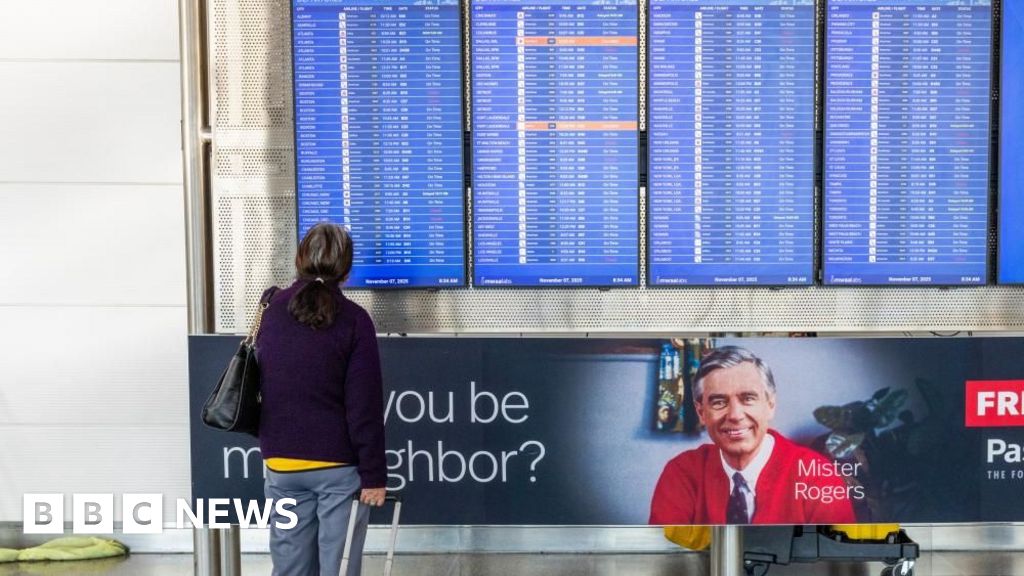
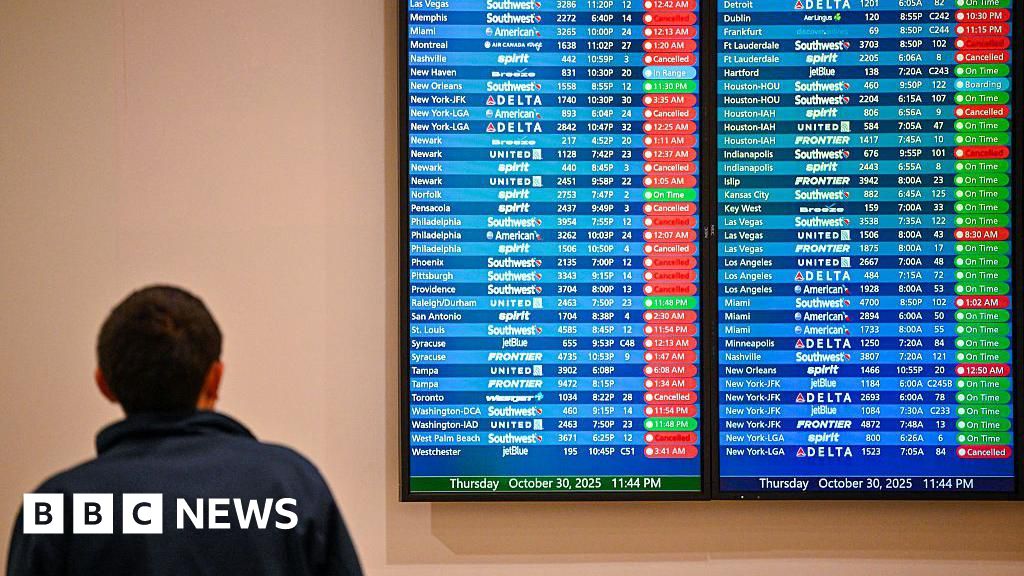
The ongoing US government shutdown has entered its 40th day, marking the longest in American history and sending ripple effects across the socio-economic fabric of the nation. As federal workers face unpaid wages and essential services grind to a halt, the transportation sector bears the brunt of the crisis. Thousands of flights are canceled or delayed daily, with the Federal Aviation Administration (@FAA@) announcing capacity reductions of up to 10% at major airports, such as Newark. These measures are driven by fatigued air traffic controllers, many of whom are working without pay—raising urgent safety concerns and exposing the weaknesses of bureaucratic gridlock.

Analysts and international observers warn that without swift resolution, the impact on the global economy could deepen. Flight delays and cancellations serve as a stark reminder of how domestic political stalemates threaten to destabilize global markets and international travel. US lawmakers are under pressure, with the Senate convening in a rare weekend session, attempting to broker a deal that could temporarily end this impasse. However, the core dispute remains entrenched, with Democrats demanding policy concessions tied to healthcare funding, and Republicans insisting on pure budget measures without additional policy layers. As President Donald Trump proposes redirecting relief funds directly to Americans’ health insurance, global financial markets watch nervously, understanding that timely compromise is paramount to prevent economic contagion.

This crisis highlights the deep fissures in the American political landscape—fissures that have far-reaching geopolitical impact. While Washington grapples with its stalemate, China and Russia observe closely, noting America’s internal divisions and the potential for weakened global influence. The shutdown also reveals the fragility of public trust in democratic institutions, with historians warning that prolonged crises may erode societal resilience and foster disillusionment among youth and working-class Americans. Meanwhile, international organizations like the IMF warn that such internal turmoil could serve as a distraction from pressing global issues, including geopolitical conflicts and economic reforms.

As the hours tick by and the nation stands on the brink of further chaos, the weight of history presses heavily on decision-makers. The words of analysts echo—the prolonged deadlock not only jeopardizes national stability but also threatens to reshape the international order. With each delay, the story of a nation divided unfolds anew, leaving the future tangled in uncertainty and the past whispering warning signs. The question remains: will this chapter in history’s relentless unfolding be resolved in time, or will it become yet another symbol of a lingering, unresolved crisis that stains the legacy of a once-powerful superpower?

Staff shortages from government shutdown hit US airports, causing delays for travelers

The ongoing United States federal government shutdown has precipitated a crisis extending far beyond Capitol Hill, revealing vulnerabilities in America’s critical infrastructure, notably its aviation sector. With nearly 13,000 air traffic controllers working without pay, widespread delays and cancellations have become the new norm at major hubs like Newark Airport. On Sunday morning alone, a ground stop was issued at one of the country’s busiest airports, exemplifying the severity of staffing shortages that threaten both safety and economic stability. According to the Federal Aviation Administration, approximately half of the 30 major US airports are experiencing significant staff deficits, as controllers grapple with the ethical dilemma of working unpaid versus risking safety. This situation underscores a broader systemic failure that has alarmed not just domestic observers but international stakeholders tracking the stability of global air traffic flow.

Officials, including Transportation Secretary Sean Duffy, have issued stark warnings over the potential fallout: “Flights will be canceled across national airspace to ensure safety,” he declared. The FAA has resorted to restricting flight traffic to mitigate risks associated with an overburdened and underpaid workforce operating under extreme stress. Analysts warn that the consequences of this shutdown extend beyond the skies, disrupting commerce, tourism, and international diplomacy. Flight data from Saturday showed over 4,500 delays within the US and more than 500 cancellations, illustrating how delinquent internal governance directly impacts global connectivity. This crisis is unfolding at a pivotal moment, raising urgent questions about the capacity of American institutions to maintain their global leadership role amidst internal chaos.

International organizations and geopolitical analysts emphasize that US stability is crucial to the global balance of power. As the world navigates complex geopolitical shifts, turmoil within the US government sends ripples through alliances and economic networks. Here, the failure of bipartisan negotiations over budget appropriations not only exposes domestic political fragility but also fosters uncertainty for allies and adversaries alike. The inability of lawmakers to compromise, as Democrats demand extensions of tax credits and reversal of Medicaid cuts, highlights a deeper conflict over the nation’s future direction. Many experts warn that such dysfunction, if prolonged, could diminish the nation’s soft power and challenge its role as the world’s economic anchor, fostering an environment where authoritarian regimes might seek to exploit American vulnerabilities to reshape the geopolitical landscape in their favor.

Historians and international analysts warn that this internal chaos could serve as a precursor to larger unravelings, as the US faces rising challenges from rising powers such as China and Russia. The decision-making paralysis at the federal level exemplifies a fragile democracy strained by internal divisions, threatening to weaken the safeguards that underpin global stability. The implications for societies worldwide are profound: economic disruptions cascade into social unrest, migration crises, and a newfound uncertainty about the future. As history continues to be written amidst this chaos, the world watches intently, acutely aware that the unfolding crises in America may well influence the course of global history for decades to come. Will this rising tide of internal disintegration force a reevaluation of American supremacy, or will resilience emerge from the crisis? The answer remains unwritten, but the weight of history presses heavily on today’s shoulders.

EU Court: Pets on Flights Now Just Baggage—Standards Lowered for Travelers

European Court of Justice Declares Pets as Baggage: Shaping International Liability Rules

In a landmark decision that could reverberate across Europe and beyond, the European Court of Justice (ECJ) has definitively classified pets transported by airlines as baggage. This ruling, born from a contentious case involving a lost dog during an Iberia flight from Buenos Aires to Barcelona, underscores a significant shift in how international flight liabilities are understood, with profound geopolitical implications. As debates intensify around the status and welfare of companion animals, this decision crafts a legal framework that emphasizes the role of airlines in their cargo management, potentially recalibrating international standards and influencing judicial interpretations globally.

The case arose after Felicísima, the owner of Mona, a pet dog, embarked on a long-haul journey, only to see her beloved animal escape during transfer and subsequently become lost despite extensive search efforts. The incident, ultimately classified as the loss of baggage under the Montreal Convention, was pivotal. The ECJ ruled that since no special declaration about Mona’s contents was made at check-in, the airline’s liability was limited, awarding just over €1,500 despite the owner’s €5,000 claim. This decision clarifies the legal standing of animals in transit, casting long shadows over international commerce and responsible pet transportation. Analysts and legal scholars interpret this as a reinforcement of airlines’ authority to treat animals as cargo, effectively redefining the boundaries of liability and responsibility.

The ruling’s geopolitical impact is palpable. Countries observing the European Union are left to consider the broader implications for animal welfare, international trade, and security protocols. The ECJ’s explicit wording states that animals fall under baggage and are subject to the liability framework established for cargo, even acknowledging the EU’s recognition of animal welfare as a general interest. This raises questions for international organizations like the ICAO (International Civil Aviation Organization), which will need to adapt its guidelines to account for such rulings. For global powers, the message is clear: transportation of pets is a legal matter rooted firmly in cargo policy, complicating efforts to extend more compassionate or protective standards without international consensus.

Furthermore, nations outside the EU are observing with a mixture of alarm and strategic recalibration. Many developing countries, where pet tourism and expatriate communities thrive, now face a future where airlines could prioritize cargo standards over animal welfare unless established through bilateral agreements. Meanwhile, human rights and animal advocacy groups are warning that this legal interpretation might diminish the already fragile protections for companion animals. As one leading analyst notes, “It’s a turning point—where economic interests and legal clarity threaten to eclipse the emotional bonds we forge with our animals, transforming them into commodities regulated solely by international cargo conventions.”

As history continues to unfold, the weight of this decision will likely challenge lawmakers and the judiciary alike, forcing a reevaluation of how societies balance commerce, compassion, and responsibilities. The echoes of this ruling will resonate in the corridors of power, compelling a global conversation about the moral obligations of nations in safeguarding not just human lives but the lives of those animals that share our journey into an increasingly interconnected and legally complex world. The unfolding chapters remain ominous, and it is within these deliberations that the future of international animal transport—and perhaps the soul of 21st-century global governance—will be written.

Munich Airport Closes Amid Drone Threat, Raising Security Concerns for Travelers

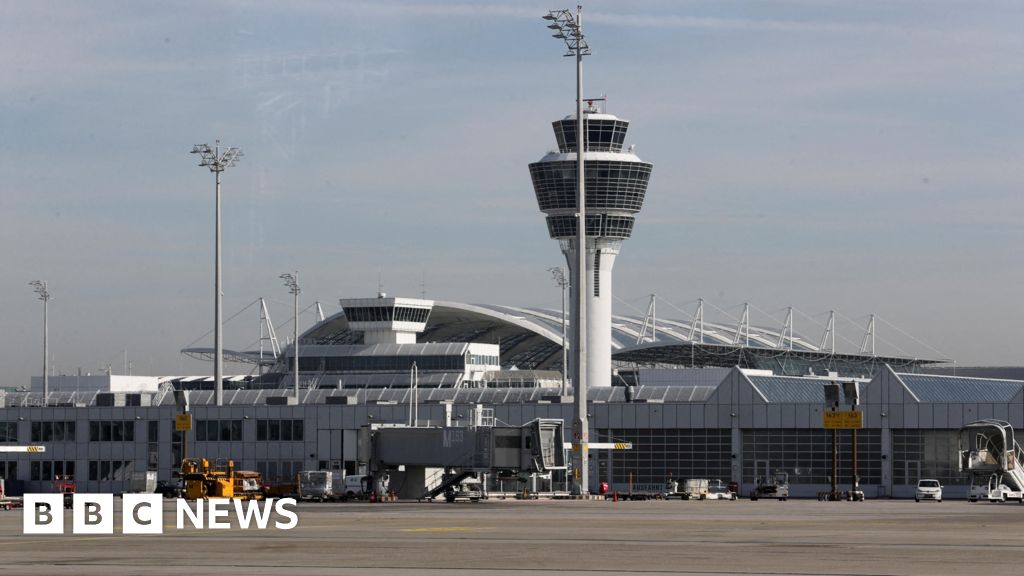
Recent events at Germany’s Munich airport have underscored the growing volatility in European airspace security, with authorities forced to cancel over a dozen flights and ground almost 3,000 passengers. The incident occurred after unidentified drones were spotted near the airport’s airspace, prompting immediate suspensions and rerouting of flights to nearby hubs such as Stuttgart, Nuremberg, Vienna, and Frankfurt. At the core of this emergency is the ambiguous origin of the drones, which remains unconfirmed due to poor visibility at night and a lack of concrete evidence. Such incursions not only threaten civilian aviation safety but also expose vulnerabilities in European security infrastructure.

This unsettling pattern is echoed across Europe, as recent weeks have seen similar drone sightings near key airports and military zones. Authorities across the continent have responded with heightened alertness, especially in light of a series of alarming incidents involving Russian military assets. Notably, Russian forces are accused of crossing into Poland with 20 drones and deploying MiG-31 jets into Estonian airspace—an aggressive posture signaling a shift in regional military assertiveness. Despite Moscow’s denial of involvement, conservative analysts warn that these provocations are part of a broader strategy to test NATO’s resilience and Europe’s borders, underlining the fragile balance of power on the eastern flank.

Adding to the geopolitical tension, the recent drone disturbances have prompted a summit in Copenhagen, where European leaders debated security measures and coordinated responses to emerging threats. The consensus is clear: while Russia dismisses these actions as provocations or misunderstandings, the effective deployment of drones and the apparent willingness to challenge European airspace norms reveal a shifting battlefield. European Union officials and military experts warn that such tactics threaten to escalate into open conflicts—an alarming prospect that could redefine security alliances and trigger a new era of confrontation.

As thousands remain stranded amid the chaos, the question lingers: Who is truly behind these incursions, and what is their ultimate goal? With the tranquility of Oktoberfest now overshadowed by fears of unseen threats, history once again bears witness to a continent on the brink—a place where the decision of a rogue drone or a calculated military maneuver could ignite a geopolitical catastrophe. In this volatile landscape, every flight canceled and every border challenged adds a new chapter to the unfolding saga of European resilience and vulnerability—reminding us that peace, once taken for granted, is now a fragile illusion.

What the EU’s new EES border system means for young entrepreneurs and travelers

European Border Reforms Signal Economic Shift

The dawn of a new era in European security and mobility is upon us, as the European Commission prepares to implement the highly anticipated Entry/Exit System (EES) this autumn. Designed as a digital overhaul of border controls across 29 EU countries, EES aims to streamline movement within the Schengen Area, significantly impacting commerce, tourism, and cross-border investments. While these reforms are heralded as a step forward for security and efficiency, the incoming system also raises questions about initial logistical bottlenecks and the potential policy repercussions on the free movement of people and goods.

Market Impact and Policy Consequences

The rollout of EES is expected to have profound market implications across the trans-European economy. The system’s eventual full activation is projected to influence industry sectors relying heavily on border transit, notably transport, logistics, and hospitality. According to analysts at the Centre for European Policy Studies, industries linked to travel and tourism could encounter initial disruptions as travelers adjust, possibly causing short-term declines in passenger volumes which ripple through local economies. The haulage and freight sectors, meanwhile, are closely monitoring the phased implementation, aware that prolonged congestion at key ports such as Dover may inflate costs and impact supply chains.

From a policy perspective, the introduction of biometric registration and digital tracking signifies a tough stance on border security, echoing EU-wide ambitions to control migration flows more tightly. This effort aligns with policy shifts advocated by security-focused think tanks and conservative councils which emphasize sovereignty and border integrity. However, critics within European Parliament warn that such measures could inadvertently constrain business mobility, especially for young entrepreneurs and freelance professionals who frequently cross borders. These reforms could redefine the fundamental policy calculus on civil liberties versus security, setting precedent for future regulatory innovations.

Technical and Economic Opportunities

Despite the initial hurdles, the phased roll-out offers a window of opportunity for technological innovation within the EU. The development of kiosks and biometric systems, along with the digital application for ETIAS—the upcoming travel authorization—could position Europe as a hub for cutting-edge border tech. Markets are already betting on the module’s efficiency boosting future business growth, with Eurostar and Eurotunnel investing heavily in automated check-in systems that could be adapted for wider commercial applications.
Economists from the Oxford Economics group highlight that, while initial costs of system deployment and training will be high, long-term gains in border processing speed and security could lead to a more robust economic environment, inviting new investments in tourism, real estate, and retail sectors along popular transit routes.

Looking Forward: An Economy Driven by Future Power

As the EU advances toward an interconnected, digitally integrated border system, the epicenter of geopolitical and economic power shifts ever closer to technological sovereignty. The seamless flow of goods, services, and talent across borders will define the economic vitality of the next generation, positioning Europe to challenge global competitors like North America and Asia. The dynamic interplay of security, innovation, and policy reform indicates a future where Europe is not merely reacting to change but shaping it, asserting its influence on the stage of global economy.

For young entrepreneurs, investors, and policymakers, this transformation represents a pivotal moment—an epoch when technological mastery and strategic foresight will carve out Europe’s place as a new epicenter of economic resilience and innovation. The heartbeat of the continent’s economy shall be the drum of progress, echoing across borders as Europe reaffirms its role as the powerhouse of the future.

Social Media Auto Publish Powered By : XYZScripts.com