Matox News

Truth Over Trends, always!

V&A to Spotlight Schiaparelli: The Art, Style, and Innovation Shaping Tomorrow’s Trendsetters

In 2023, fashion’s fascination with extravagance and outré design reached a new peak as Kylie Jenner took to the marble steps of Paris’s Petit Palais, donning an eye-catching outfit featuring a fake lion head attached to her dress. While her statement look might have raised eyebrows at first, it spotlighted a broader shift in cultural values: the rising celebritainment-driven phenomenon of turning fashion into a form of theatrical self-expression. This isn’t just about high society’s whimsy; it’s a vivid reminder of how social media saturation has propelled fashion into a hyper-stylized, image-conscious arena where every look becomes a statement—often fleeting but endlessly viral.

What’s truly notable, however, is that this trend has deep roots in the legacy of icons like Elsa Schiaparelli. The V&A’s latest exhibition on the legendary Italian designer makes this connection clear: today’s BIG moments in fashion—be they red carpet crushes or TikTok trend cycles—are echoes of Schiaparelli’s original approach to culture creation. As Roseberry, designer derrière Schiaparelli’s modern revival, puts it, Elsa was not just a dressmaker but an image-maker and culture creator. Her collaborations with avant-garde artists like Salvador Dalí and her innovative trompe l’œil techniques continue to influence contemporary designers like Martin Margiela and Rei Kawakubo. This synergy between art and fashion exemplifies how design is intertwined with broader societal narratives.

Elsa Schiaparelli and Salvador Dalí collaboration, 1938
Skeleton dress, designed by Elsa Schiaparelli and Salvador Dalí, 1938. This piece exemplifies her mastery of surrealist design, a hallmark that continues to inspire haute couture today.

Fast forward to 2024, and the impact of Schiaparelli’s daring aesthetic is palpable in the brand’s haute couture collections. A recent show featured whimsical pieces like glittery robot babies and trompe l’œil leather and knitwear hybrids that seem to defy conventional textile logic. The brand’s knack for blending wit, humor, and wearable art has secured its status as a cultural powerhouse while resonating with a new generation eager for authenticity tinged with spectacle. Influencers like Bella Hadid and Teyana Taylor have been seen sporting these inventive looks on red carpets, making Schiaparelli a staple of the social media-era wardrobe.

  • The “Schiap pack”—a term affectionately coined in fashion circles—references the brand’s signature couture looks that continue to dominate Instagram feeds and TikTok videos.
  • Designs feature tongue-in-cheek accessories like brass necklaces shaped like lungs or crystal thongs, emphasizing the brand’s mastery of humor balanced with high fashion.
  • The V&A’s retrospective aims to draw over half a million visitors, showcasing how the brand’s edgy, provocative style has seeped into mainstream consciousness, redefining what it means to be trendsetting.

While the spectacle of fashion’s current moment is truly flamboyant, the underlying question remains: are we witnessing a passing trend driven by social media’s short-lived attention span, or is there a deeper cultural shift towards viewing fashion as performance art and personal identity? As designers like Roseberry continue to weave the threads of history and modernity, the next big question becomes: will the future of style embrace even more technological integration and boundary-pushing creativity, or will it settle into a more sustainable, understated aesthetic? The answer might well determine whether fashion continues to serve as a mirror of social values—oscillating between absurdity and authenticity—or transforms into something entirely new.
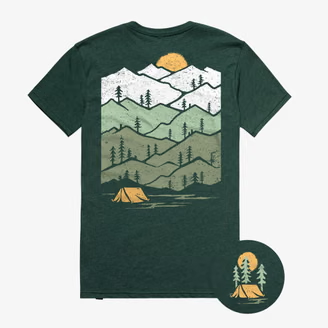
This Bulletproof Brand T-Shirt Still Looks Fresh After 300+ Washes — Here’s Why it’s a Must-Have for Trendsetters

In a world where fast fashion dominates and disposable trends flood social media feeds, the quest for lasting quality and authentic style has resurfaced among the youth committed to purposeful living. Many young Americans are shifting away from the cycle of constantly replacing worn-out garments, seeking instead clothing that endures both in its durability and its ability to express individuality. The ideal wardrobe now blends rugged practicality with bold aesthetics, and brands like Into the AM are leading the movement towards long-lasting, vibrant apparel that doesn’t compromise on style or sustainability.

Founded with a mission to craft graphic tees built to withstand the rigors of daily wear, Into the AM exemplifies how quality apparel can resonate with youth who refuse to settle for fleeting fashion. Their design ethos combines eye-catching artistry with a commitment to durability—ingredients that appeal to the new generation of conscious consumers. Unlike typical fast fashion brands that flood the market with cheaply made items destined for landfill, Into the AM uses a strategic blend of 60% cotton and 40% polyester. This combo ensures their tees are not only soft and breathable but also resistant to shrinking, fraying, and fading, even after hundreds of washes. For confident young individuals embracing a lifestyle of resilience and self-expression, such apparel becomes a personal statement rooted in value and sustainability.

What truly sets Into the AM apart is their commitment to built-to-last textiles and artistic integrity. Their designs, created by in-house artists, avoid fleeting fads and instead focus on timeless, bold imagery. This approach aligns with a growing paradigm among youth who want their fashion choices to reflect not only their personality but also their principles. As wellness experts like Dr. David B. Agus have emphasized, investing in durable, quality clothing can have a profound personal impact—reducing waste, lowering expenses, and fostering a sense of authenticity. In an era where 34 billion pounds of textile waste are discarded annually in the U.S., choosing versatile, durable garments becomes a form of quiet activism—supporting a more sustainable and mindful approach to consumption.

Embrace Lasting Style

  1. Prioritize quality over quantity—invest in versatile pieces that can stand the test of time.
  2. Support brands committed to sustainability and craftsmanship, like Into the AM, which produce textiles designed for longevity.
  3. Choose designs that express individuality without relying on fleeting trends, fostering a more authentic wardrobe.
  4. Combine comfort with durability—embrace functional fashion that empowers your lifestyle.

As the narrative of fashion continues to shift, young people are discovering more than just surface-level style—they’re cultivating a lifestyle rooted in resilience and responsibility. Materials and designs that endure become symbols of a mindset that refuses to accept mediocrity, favoring instead a long-term outlook. Think of your wardrobe as a personal journey, where each well-made garment is a chapter in a story of self-respect and respect for the environment. Through these choices, the youth are not only redefining what fashion means—they are embracing a paradigm where quality, authenticity, and sustainability converge to shape a future worthy of aspiration.

Ultimately, the movement towards durable apparel signifies more than just shopping habits; it embodies a broader desire for meaningful living—a recognition that true style is about more than appearance. It’s about investing in oneself and in the planet, forging a path where fashion becomes a reflection of values, strength, and a relentless pursuit of excellence. As the journey unfolds, the young generation stands as a testament to the idea that high-quality, enduring fashion is not a luxury but a vital part of living intentionally in the modern age.

“Forget the Runway: How This Podcast Is Changing How Young Trendsetters See Fashion”

In a world captivated by fleeting trends and viral influencers, a new wave of curiosity is emerging—one that digs beneath the surface of our everyday wardrobe to uncover the profound cultural and social significance of clothing. At the forefront of this movement is Avery Trufelman, a sharp and engaging podcast host whose show, Articles of Interest, offers a fresh, insightful perspective on fashion’s history, symbolism, and societal impact. Her approach is a reminder that what we wear isn’t just about aesthetics; it’s a mirror reflecting profound societal shifts and hidden histories. As her episodes navigate topics from the evolution of pockets to military-inspired gear, Trufelman redefines fashion as a form of cultural expression with enduring social relevance.

Her explorations reveal how clothing connects to pivotal societal developments. For example, she highlights how the seemingly mundane zipper was actually born out of personal passion—a love story involving Swedish-American engineer Gideon Sundback—illuminating that even the most ordinary objects have rich histories intertwined with innovation and romance. Similarly, her podcast delves into the history of military uniforms, exposing the unexpected links between civilian fashion and warfare. Today, American civilians and the military are more interconnected than ever, with military-grade fabrics and camouflage becoming staples in everyday wardrobes. Trufelman’s narrative suggests that our clothing often embodies the echoes of national conflict, societal shifts, and technological progress, making it a potent indicator of broader social dynamics.

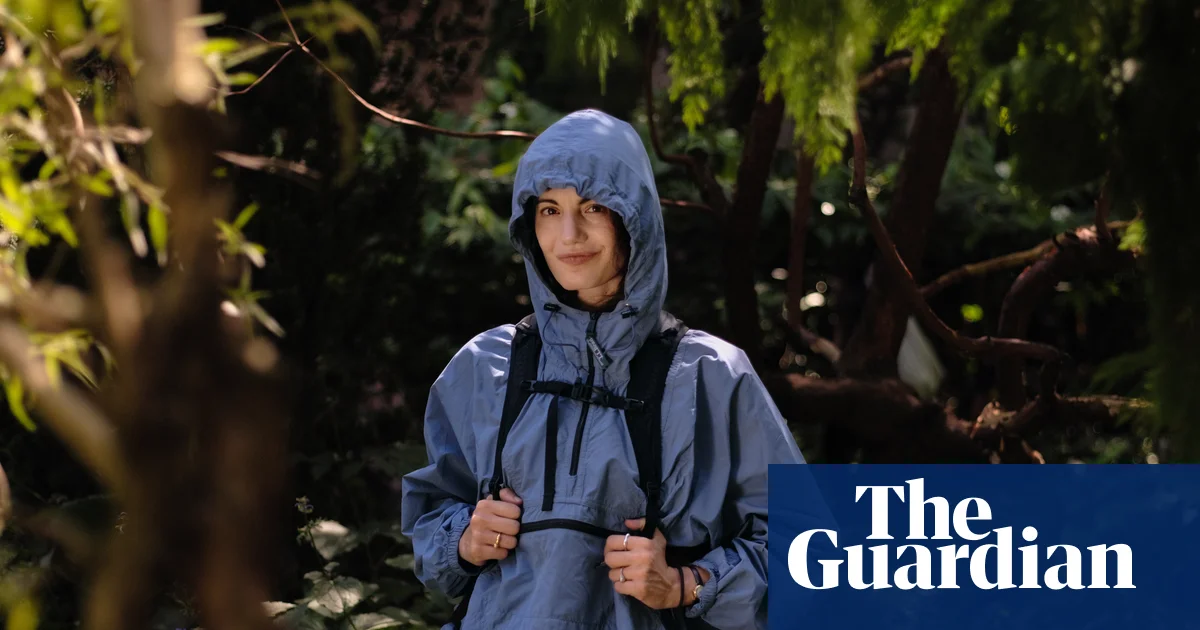
This cultural lens elevates fashion from superficial trends to a form of social commentary. Influencers, sociologists, and industry analysts increasingly recognize that clothing choices reflect and influence societal values. The phenomenon of gorpcore, for instance, emerges not just as an aesthetic trend but as a response to the desire for practicality and resilience in uncertain times. Likewise, debates about gender privilege in pockets expose ongoing conversations about gender roles and societal expectations. Trufelman’s ability to connect these dots demonstrates that today’s youth aren’t merely chasing styles—they’re engaging in a dialogue with history, power, and identity through what they wear. Her work encourages a generation to view everyday garments as symbols of collective memory and societal resilience.

As her podcast gains traction, it’s clear that Gear—her deep dive into the relationship between clothing and war—exposes uncomfortable truths about how military and civilian clothing are intertwined in ways that often escape notice. With each episode, Trufelman underscores that fashion’s real power lies in its capacity to embody cultural narratives, challenge stereotypes, and reflect societal tensions. But perhaps the most compelling question her work raises is: what will the next chapter in this story look like? As military influence continues to shape civilian fashion, and as societal values evolve, the next big question is whether clothing will remain a silent reflection of history or become an active tool in shaping social change. The future of fashion, it seems, is not merely about what’s on the surface, but about how what we wear might help us navigate and redefine our societal landscape in a rapidly changing world.

Gift Lab by Mashable: The Ultimate Trend for Young Trendsetters

The Digital Shift: How Youth Culture is Reshaping Trends and Society

In today’s fast-paced world, social media influencers and online communities are redefining what it means to be engaged, expressive, and connected. Among the most compelling phenomena is the way young generations, especially Gen Z and Millennials, are shaping cultural narratives—often with more influence than traditional media ever could. From TikTok challenges to new lifestyle obsessions, this demographic is not just consuming content; they’re actively crafting it, steering the cultural ship in directions that leave older generations astonished and sometimes, even perplexed.

Particularly intriguing is the emergence of *new lifestyle trends* that resonate through platforms like Instagram and Snapchat. These trends often reflect deeper societal shifts such as a desire for authenticity, social justice, and self-expression. For instance, viral challenges centered around sustainability or mental health awareness are more than fleeting fads—they represent the social relevance of a generation eager to align their online personas with meaningful causes. Influencers like Emma Chamberlain and MrBeast exemplify this movement, blending entertainment with activism and prompting followers to rethink how they engage with the world around them.

The cultural impact of these developments extends beyond pop culture—they’re influencing consumer behavior and even societal norms. The shift in youth preferences toward ethical brands and self-empowerment is evident in the rise of companies that prioritize **sustainability** and truth-driven marketing. According to sociologists like Dr. Lisa Miller, this generation’s trend towards authenticity and social responsibility is rooted in a desire to build a community that reflects their values, rather than just chasing profits or superficial popularity. As a result, advertisers and brands are rapidly adapting, creating products and campaigns tailored to these emergent, youth-led priorities.

  • Viral Content remains king, with short-form videos rapidly going viral and setting new cultural norms.
  • Personal branding is now a primary concern for millions of young people, with social media serving as a modern-day portfolio.
  • Social activism has become a core aspect of digital engagement, transcending traditional political boundaries.

Yet, beneath the surface of this energetic trend lies an important question. As youth culture continues to influence societal norms at an unprecedented scale, are we witnessing the dawn of a {digital activism era} that could challenge established institutions long-term? Will the relentless pursuit of authentic self-expression and social justice foster genuine societal change, or will it devolve into performative activism driven by viral notoriety? As influencers and sociologists debate, one thing remains clear: this movement is not static—it’s evolving, and its future promises to be even more disruptive.

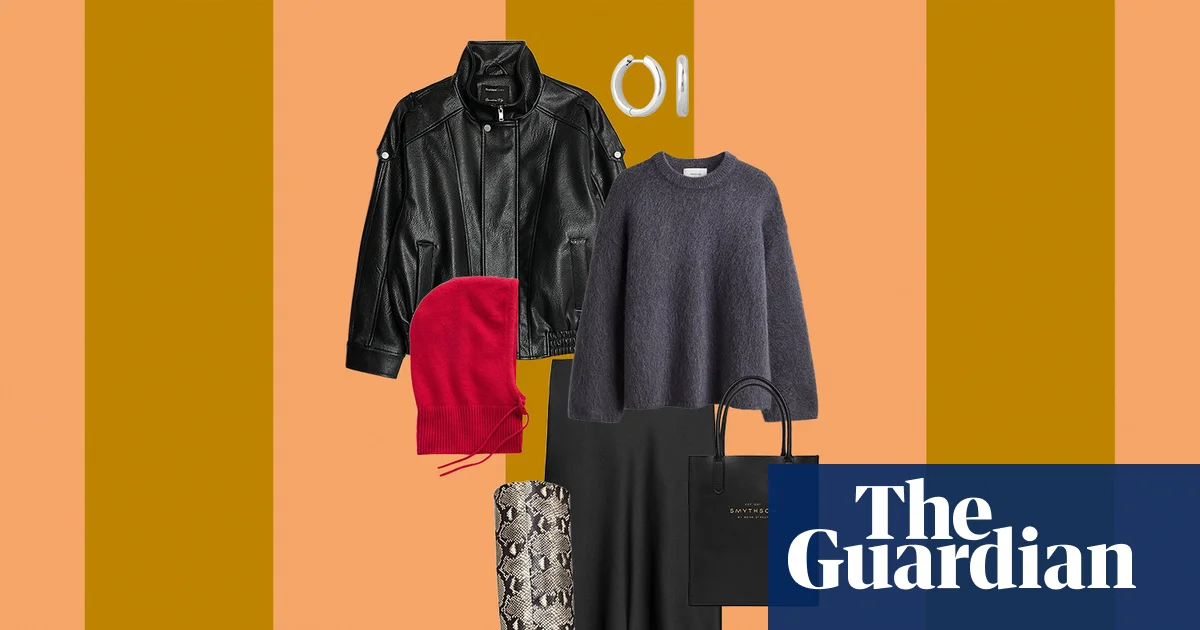
Level Up Your Style: The Top Knee-High Boot Looks for Trendsetters

Step into the Future of Fashion: Statement Boots as Winter’s Must-Have

As the temperatures dip and the season shifts, fashion enthusiasts are once again turning to statement boots to anchor their winter wardrobe. This trend has been gaining momentum, fueled by a blend of social media influencers, fashion-forward celebrities, and regional stylistic boundaries pushed wide open. The appeal is simple: instead of over-complicating ensembles with complicated accessories, autumn and winter dressing now revolves around one bold, eye-catching piece—the statement boot. This shift reflects a broader cultural movement towards minimalism in accessories, while allowing footwear to serve as the primary mode of self-expression.

Fashion analysts highlight that the enduring power of these boots lies not just in their aesthetic impact but in their social relevance. They symbolize confidence, rebellion, and individualism at a time when societal conversations about identity, expression, and authenticity are more urgent than ever. Influencers such as Emma Chamberlain and Lil Miquela have championed knee-high, metallic, or intricately detailed boots in their social media feeds, cementing their role as cultural markers for a generation eager to stand out. Sociologists note that this trend is also shifting perceptions of femininity and masculinity, part of a larger conversation about gender fluidity and personal empowerment facilitated by a serene yet defiant style choice.

Furthermore, the cultural impact of statement boots extends beyond mere aesthetics. They are becoming a social signal—an unspoken communication of attitude, status, and belonging. From haute couture runways to streetwear corners, civil society figures argue that such footwear styles are democratizing fashion, offering a canvas for youth to articulate their identity in a way that is accessible and unpretentious. Trend curators are documenting an increase in demand for brands like Stuart Weitzman and Dr. Martens, which offer a range of bold, durable options that defy seasonal limitations.

  • Bold, thigh-high leather boots
  • Chunky heeled ankle boots with metallic accents
  • Over-the-knee styles in vibrant colors

What’s fascinating is how this style shift is resonating with a broad demographic—young urbanites, college students, and even working professionals—who see in statement boots a way to challenge traditional fashion hierarchies. Fashion expert Dr. Lisa Rivera suggests that this trend represents “a move away from fleeting fashion trends toward lasting symbols of individual style that carry social weight.” Yet, amid this rising ascension of boots as cultural icons, a question lingers: *Will this trend evolve into a more permanent fixture of our societal identity, or is it just another fleeting chapter in youth-driven fashion innovation?* As digital influences continue to sculpt how we define style and status, the leap from trend to staple gathers momentum, stirring discussions about what the future holds for self-expression through footwear. Certainly, the next chapter of this trend may redefine what it means to truly “walk your own path.”

Challenging the Norms: How ‘Mom Style’ is Powering a New Generation of Trendsetters

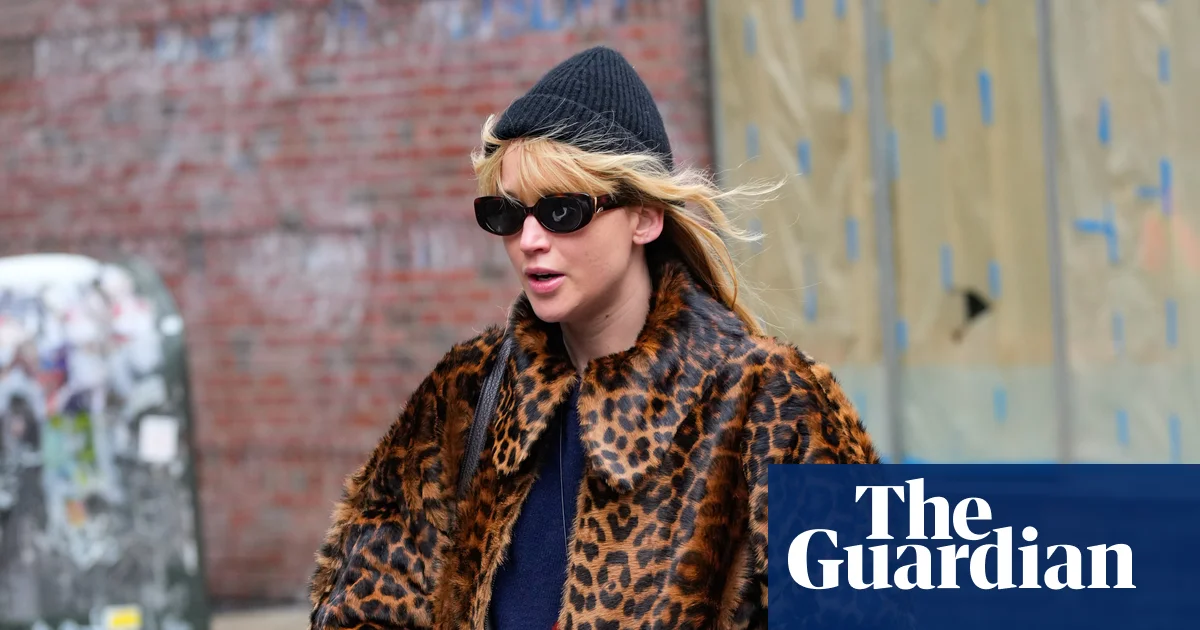
In the ever-evolving landscape of fashion, one of the most striking cultural shifts emerging today is how motherhood is reshaping the idea of “cool mom style”. Traditionally, society has viewed motherhood as a point where personal style takes a backseat, often replaced by clichés of frumpiness or sacrificing one’s identity for the sake of the family. Yet, recent trends, amplified by influential voices like Jennifer Lawrence and Rihanna, are challenging this notion—elevating motherhood from a stereotype of restraint to a powerful statement of identity and self-expression. The rise of what some call a “postpartum-forward” fashion ethos signals a broader cultural shift, one that centers on autonomy, experimentation, and even rebellion in how women present themselves after welcoming children into their lives.

  • The “momboy style” trend, coined by fashion insiders like The Cut, epitomizes this movement. With its mixture of tomboyish silhouettes, graphic T-shirts, and relaxed fits, it signifies a deliberate departure from the ultra-feminine ideals historically associated with motherhood. Women like Jennifer Lawrence and artists such as Beyoncé are embracing and showcasing their multi-dimensional identities—blurring conventional lines of femininity while asserting that parenting and style are not mutually exclusive.
  • This phenomenon also signifies the broadening of cultural representations. Sunny Shokrae, a Brooklyn-based photographer and mother, points out that the media’s portrayal of mothers has expanded, allowing women to take more liberties with their style without fear of judgment. From the CFDA awards to street-level interactions, women are making a statement: their fashion choices are directly tied to their life experiences, including motherhood, and should reflect that complexity rather than conform to outdated notions of decorum.

At its core, this trend is about more than just clothes; it’s about the social relevance of reclaiming identity. The once dominant narrative that motherhood inevitably diminishes a woman’s independence and style is being upended by a new generation of women who view dressing as a form of empowerment. Fashion analysts and sociologists highlight that these shifts are fueled by a desire to express agency and individuality amidst the chaos of early parenthood. Zoe Latta, of Eckhaus Latta, emphasizes that her evolving relationship with her changing body has led her to be less invested in traditional styles and more open to experimentation, illustrating a cultural appetite for embracing fluidity and personal reinvention.

Rihanna in postpartum-forward fashion
Rihanna’s ‘postpartum forward’ Alaïa suit exemplifies this new confident approach to motherhood and fashion.

Beyond individual choice, this movement underscores a larger societal dialogue about the social relevance of female self-reliance and the importance of reshaping cultural narratives around motherhood. Icons like Adwoa Aboah and Simone Rocha are standing at the forefront, pushing boundaries with hoodies, asymmetric outfits, and jewelry-infused Crocs—challenging not just fashion stereotypes but societal expectations. This evolution asks a pressing question: as more women redefine their identity post-motherhood, what does the future hold for the cultural standards of femininity? Are we headed toward a landscape where authenticity and self-expression become the new markers of style for women everywhere, regardless of their stage in life? The next big question for youth and society is whether this wave will catalyze a lasting shift—one that not only transforms closets but also redefines the social fabric of gender and identity itself.

Score Big: Over 10 Must-See Early Black Friday Apple iPad Deals for the Trendsetters

The Rise of Early Black Friday Apple iPad Deals and Their Cultural Significance

As Black Friday approaches, a shift in consumer behavior is underway that reveals much about our evolving social norms and relationship with technology. Traditionally seen as a single, explosive shopping event in late November, the holiday season now kicks off early, with tech giants like Apple leading the charge in offering substantial discounts on their most coveted devices. This phenomenon is more than mere consumerism; it is a reflection of changing social values and the heightened importance of digital connectivity among young Americans. The early bird gets the deal—and for many, that means securing the latest iPad models at prices that highlight an increasingly competitive landscape among major retailers.

Influencers and tech analysts now recognize that these early deals shape a new cultural narrative: the merging of lifestyle enhancement with practical productivity. For instance, brands like Amazon, Best Buy, and Walmart are competing head-to-head, spotlighting not only savings but also the social status that comes with owning cutting-edge Apple gadgets. The iPad Pro, for example, is on sale for up to $200 off, with models like the 13-inch M4 chip variant already chilling at close to its historic low of $1,299. This is significant—especially when considering how such devices are now embedded in our identity as digital natives. The graying line between work and leisure continues to blur as young users embrace tablets not just for entertainment but as essential tools for education, content creation, and social connection.

Beyond the pricing hacks and flash sales, these tech discounts serve as a marker of a broader societal shift—a shift towards prioritizing digital fluency and self-optimization. Sociologists suggest that Early Black Friday deals on tools like the iPad Air and iPad Mini mirror the ambitions of a generation eager to leverage technology to shape their future. Experts observe that this trend emphasizes a collective aspiration for innovation and self-reliance. A prime example: the iPad Air in a vibrant purple or sleek blue, now offered at nearly $50 off, symbolizes not just affordability but a form of lifestyle branding—an emblem of youth empowerment in the digital age. These devices are not mere gadgets; they are *extensions* of our identity and social capitalization.

But here’s the next big question: as these early Black Friday deals become the new norm, are we witnessing a permanent shift in how the younger generations approach consumerism and technology? Will the accumulation of digital tools redefine notions of status, productivity, and community? Influencers and tech futurists are already debating whether this early shopping frenzy signals a predictable evolution or a disturbance in the traditional retail calendar. What remains clear is that the cultural impact of snagging your latest iPad at a discounted rate may be just the beginning—prompting us to ask whether the future of society will be more driven by *early adoption* and *digital identity* than by the conventional rhythms of commerce.

Hollywood icons and trendsetters champion bold cinematic fashion

Global Power Shifts as Nations Navigate an Era of Uncertainty

In a world grappling with unprecedented geopolitical shifts, recent developments underscore the fragile state of international stability and the profound consequences of diplomatic decisions. Central to this evolving landscape is the complex interplay of major powers vying for influence, while international organizations grapple with maintaining order amid mounting challenges. As analysts warn of an impending recalibration of global alliances, nations are forced to confront the realities of a multipolar world where decision-making bears the weight of history.

The United States remains a dominant actor, yet its diplomatic posture appears increasingly cautious as tensions with China and Russia intensify. According to historians such as Dr. Elizabeth Carter, recent policies signal a retreat from unilateral engagement towards a more strategic balance of power, emphasizing resilience rather than dominance. Meanwhile, European Union nations face their own dilemmas, balancing economic recovery with the rising tide of internal and external dissent. Crucially, the G7 summit’s resolutions reveal a commitment to shoring up defenses and fostering alliances, yet critics argue this may be insufficient against the backdrop of a resurgent Russia’s assertiveness.

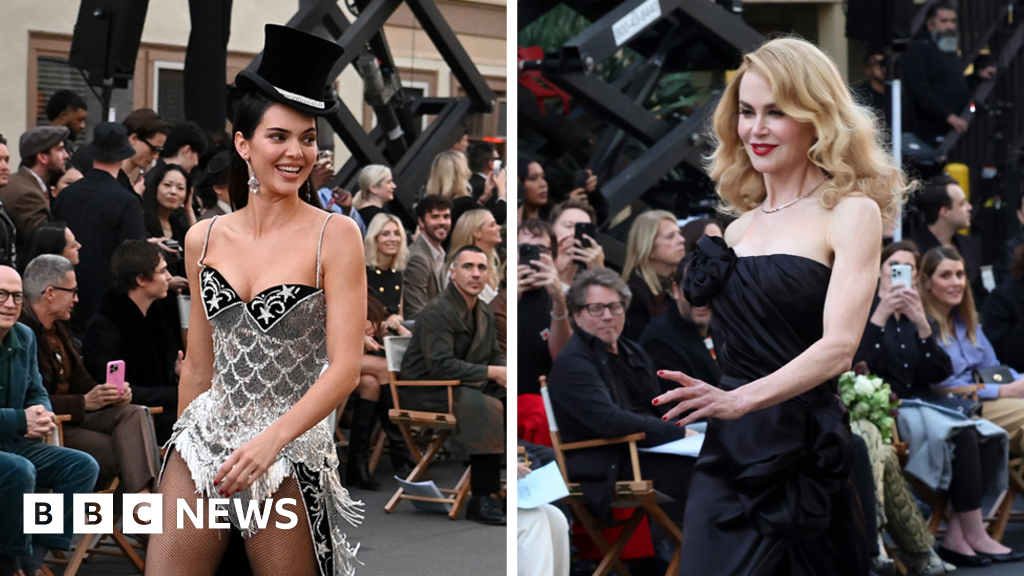
Simultaneously, a wave of cultural and social upheaval continues to shape domestic policies. Events such as Vogue World: Hollywood exemplify how nations project soft power and influence through spectacle and celebrity. The recent gathering in Los Angeles, showcasing luminaries from Nicole Kidman to Miley Cyrus, exemplifies the strategic use of media and culture to bolster national prestige. Beyond glitz and glamour, these moments reflect a deeper narrative: how nations choose to present themselves to the world influences not only perception but also diplomatic leverage. International organizations such as the United Nations caution that these cultural displays are no substitute for substantive policy, yet the spectacle continues to serve as a reflection of a world obsessed with image and influence.

As geopolitical tensions deepen, the choices made today will echo through history’s corridors. Analysts warn that a failure to address core conflicts risks ushering in an era of instability where societal divisions widen and the fabric of international order unravels. In the shadow of these monumental decisions, societies are left to ponder the future—whether unity can be restored or if history’s relentless tide of change will forge a new world order in flames of conflict or in the quiet whispers of diplomacy. It is here, at this crossroads of history, that the true weight of our era is being written, a story yet unfinished, destined to shape the generations to come.

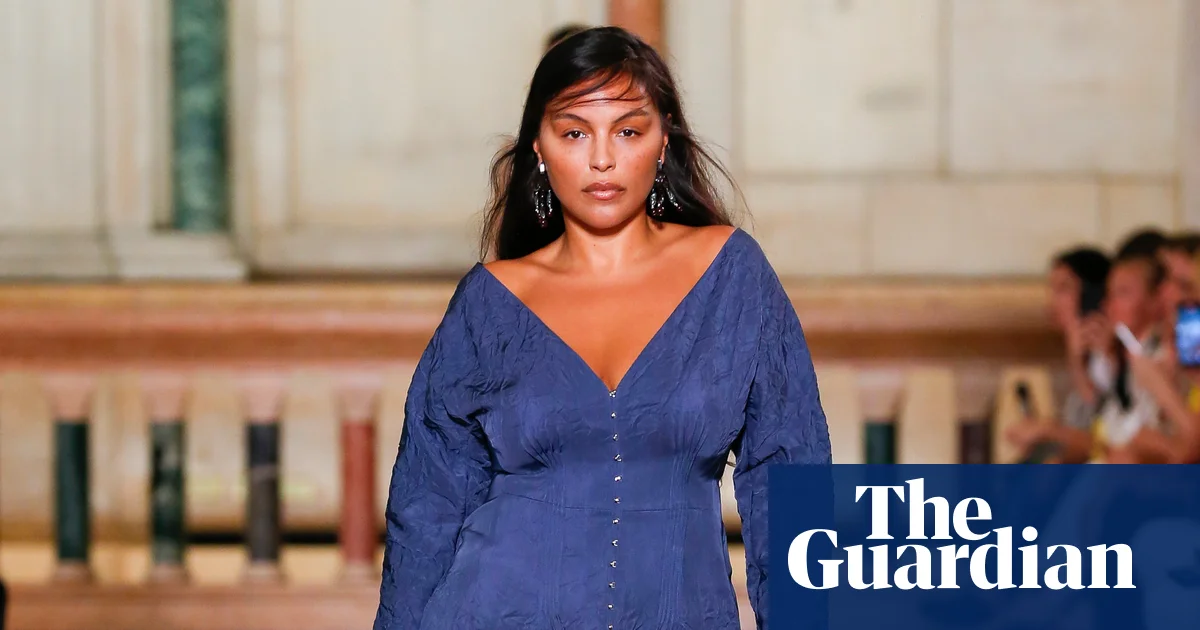
Fashion Shift Alert: Less Plus-Size Presence at Runway Shows Sparks Conversations Among Young Trendsetters

In recent years, the fashion industry was beginning to show signs of embracing true inclusivity. Runways were dominated by models of varied sizes, and campaigns spotlighted body diversity as a message of progress. However, new reports reveal a disturbing regression toward a predominantly thin ideal. According to a recent Vogue Business analysis, a staggering 97.1% of the 9,038 looks across 198 womenswear shows featured models measuring between US size 0-4 — hardly a sign of genuine size diversity. This trend underscores a broader societal push back, with catwalks and advertising reinforcing a narrow beauty standard that many critics argue is both unfair and unhealthy.

Among industry insiders, alarm bells are ringing. Elektra Kotsoni, Deputy Editorial Director of Vogue Business, describes the current situation as “horrible,” highlighting that in Milan alone, only 4 of 55 brands showcased models outside the straight-size range — the lowest proportion since such data collection began. This resurgence of skinny-shaming, bolstered by the widespread use of weight-loss drugs like Ozempic, signals a societal shift fueled by consumer obsession with thinness. Celebrity endorsements and a rising trend among influencers promoting extreme weight management reveal how the #bodypositivity movement is increasingly sidelined in favor of commercialized perfection. Such drugs, originally designed for diabetes treatment, are now contributing to shortages and a parallel online market that encourages rapid, often unhealthy, weight loss.

Yet, despite the industry’s flirtation with inclusion just a few years ago, the trend is veering sharply in the opposite direction. The decline of plus-size visibility on the runway is lamented by models like Felicity Hayward, who describes the previous era (2011-2017) as a “golden age” of representation. Today, plus-size models are reportedly losing ground, with some resorting to weight loss to stay relevant in a market that is increasingly favoring the ultra-thin. Designer Rick Owens exemplifies this shift; after showcasing a handful of plus-size models last season, he has now entirely excluded them. Such decisions threaten to reduce fashion to a mere product of societal standards—an unsettling placeholder for a culture that once prided itself on progress and diversity.

While this reversion to conventional standards might appear to be a superficial industry trend, it bears profound social implications. Brands are removing dedicated plus-size sections and shrinking their ranges, effectively making inclusion inaccessible outside online platforms. Meanwhile, critics like sociologist Susie Orbach argue that these developments reflect the commodification of bodies—a societal shift where physical appearance is increasingly dictated by market forces rather than individual authenticity. The unsettling reality is that the fashion world, and by extension society, may soon face a pivotal question: are we returning to a narrow definition of beauty because it’s easier to sell, or because society is truly more comfortable with it? As influencers and sociologists continue to debate, the next big question might be whether this push toward superficial uniformity is masking deeper societal anxieties about identity, health, and progress itself.

Yayoi Kusama’s iconic yellow pumpkin makes a vibrant return to Naoshima Island—Japan’s hottest art destination for young trendsetters

Amidst the serene waters of the Seto Inland Sea, Naoshima emerges once again as a beacon of resilience and artistic innovation. Known globally as Japan’s premier art island, Naoshima captivates visitors with its harmonious blend of contemporary sculptures and tranquil natural beauty. The island’s famed yellow pumpkin sculpture by Yayoi Kusama, a symbol of joyful eccentricity, recently returned to its rightful place after a tumultuous encounter with Mother Nature. Last summer, a powerful typhoon swept through the region, damaging the beloved installation and washing parts into the sea, yet the spirit of artistic boldness refused to be washed away. The festival of recovery and creativity that followed exemplifies how cultural icons can serve as anchors of community pride, inspiring a new wave of appreciation for lifestyle shifts centered on wellness and cultural connection.

This act of renewal underscores the importance of embracing wellness through cultural engagement, which experts like wellness advocate Dr. Jordan Peterson and art historian Lucy R. Lippard emphasize as vital for mental and emotional resilience. The resilience of Kusama’s sculpture was not simply a matter of replacing broken pieces; it was an affirmation of enduring creativity amid adversity. The artist’s production team crafted a new pumpkin that is 10% thicker and embedded with a hook, ensuring it can withstand future storms and wind. This thoughtful upgrade exemplifies an evolving lifestyle philosophy: embracing preparedness while remaining open to beauty and inspiration. Visitors, locals, and officials gathered in celebration when the sculpture was reinstalled, reaffirming that community and culture are intertwined in the pursuit of a balanced, inspired life.

Naoshima’s accessibility, a short ferry ride from Okayama and a 50-minute bullet train from Osaka, makes it an ideal destination for young adventurers seeking meaningful leisure. The island’s aesthetic is a testament to how blending art and environment can elevate everyday experiences, transforming a simple visit into a deliberate act of self-care and reflection. The ongoing Setouchi Art Festival invites travelers to partake in a journey of discovery, highlighting how curated cultural exposure enhances personal impact — from inspiring creativity or encouraging mindfulness to cultivating a sense of global community grounded in local beauty.

  • Plan your trip during the festival’s duration to experience fresh exhibitions and community events.
  • Take the 20-minute ferry from Okayama to fully immerse yourself in a peaceful, art-infused environment.
  • Explore nearby museums and abandoned houses turned into artistic statements, deepening your cultural engagement.

As the story of Naoshima’s yellow pumpkin exemplifies, lifestyle is an ongoing journey of embracing change, resilience, and beauty. It invites each individual to see the world not merely as a passive observer but as an active participant in a shared narrative of cultural revival, inspiring us to nurture our inner well-being while connecting with the wider world. The island’s rebirth serves as a reminder that life’s storms, whether literal or metaphorical, can forge stronger foundations — and that through art, community, and perspective, we can all navigate toward a more vibrant, meaningful existence.

Social Media Auto Publish Powered By : XYZScripts.com