
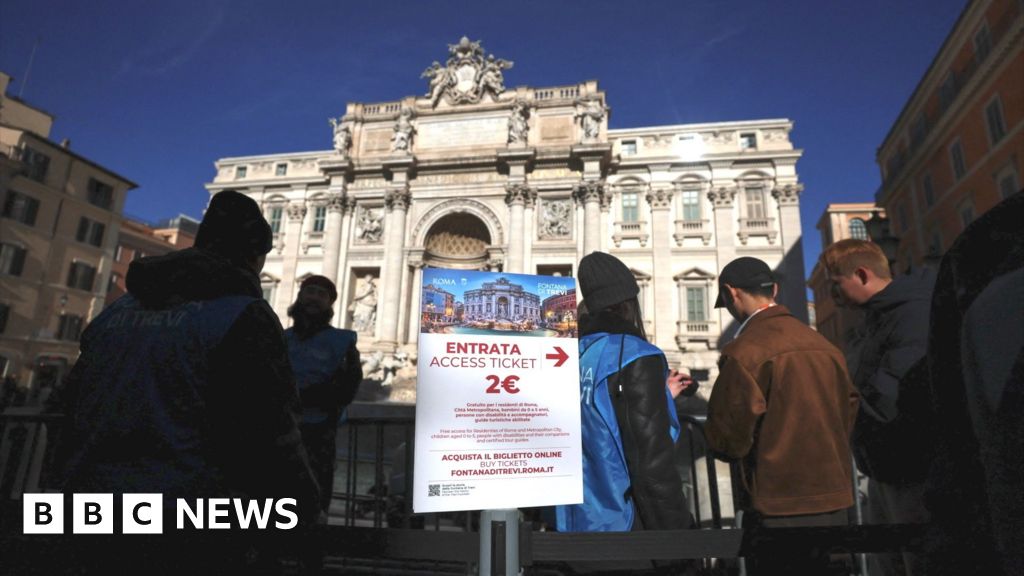

In a move that underscores the shifting landscape of urban tourism and cultural preservation, Rome has introduced a €2 fee for visitors to access the iconic Trevi Fountain. Once a freely accessible symbol of Italy’s rich heritage, the fountain now joins a growing list of global monuments adopting entrance fees in a bid to finance maintenance and manage surging tourist numbers. This decision reflects a broader trend among nations seeking sustainable ways to balance economic benefits with preservation needs amidst increasing international visitor flows.
Proponents argue that such fees are necessary for the upkeep of historic sites, which face mounting pressures from mass tourism. According to international conservation organizations and urban planners, the financial inflow can help prevent decay and allow for modernized preservation efforts. In this context, Italy’s initiative aligns with global strategies seen in cities like London, Paris, and Venice, where local governments are recalibrating their approach to tourism through monetization and regulation. This development has been lauded by some, who believe that a paid access system could reduce overcrowding, enhance visitor experience, and contribute significantly to the local economy.
However, critics raise concerns about the socio-cultural implications of such measures. A skeptical tourist from Sicily expressed resignation, remarking that travelers will now have to “pay and smile,” highlighting a growing frustration among many who view these charges as commodification of cultural landmarks. Economists and cultural historians warn that this trend might lead to a further divide—favoring wealthier tourists and potentially diminishing the accessibility of shared historical heritage. Such debates resonate across Europe and beyond, with analyst Dr. Lucia Romano warning that “many nations risk transforming their cultural identity into a commercial commodity, diluting the essence of community and shared history.”
The geopolitical impact of this shift extends beyond tourism economics, influencing broader international relations. Countries opening spaces for tourism revenue are increasingly facing pressure to balance economic gains with cultural integrity. Furthermore, international organizations, such as UNESCO, have expressed concern, cautioning that commercialization might threaten World Heritage sites if not managed carefully. The intricate dance between preservation, economic necessity, and social equity reflects a deeper, often misunderstood global struggle over identity and authority. As Europe’s traditional art and architecture are monetized in new ways, the cultural landscape is being reshaped—sometimes at the expense of authenticity and accessibility.
History has shown that decisions made today carve the contours of tomorrow’s cultural and political terrain. As nations like Italy adapt to a changing world, the reverberations of these choices will be felt across generations. Will these initiatives serve as a blueprint for sustainable preservation, or will they herald a new era of cultural commodification? The unfolding narrative leaves the world at a crossroads—one where the echoes of the past must be weighed against the relentless march of modernity, and where the true cost of what we choose to safeguard remains an open question, awaiting the verdict of future history.





