Matox News

Truth Over Trends, always!

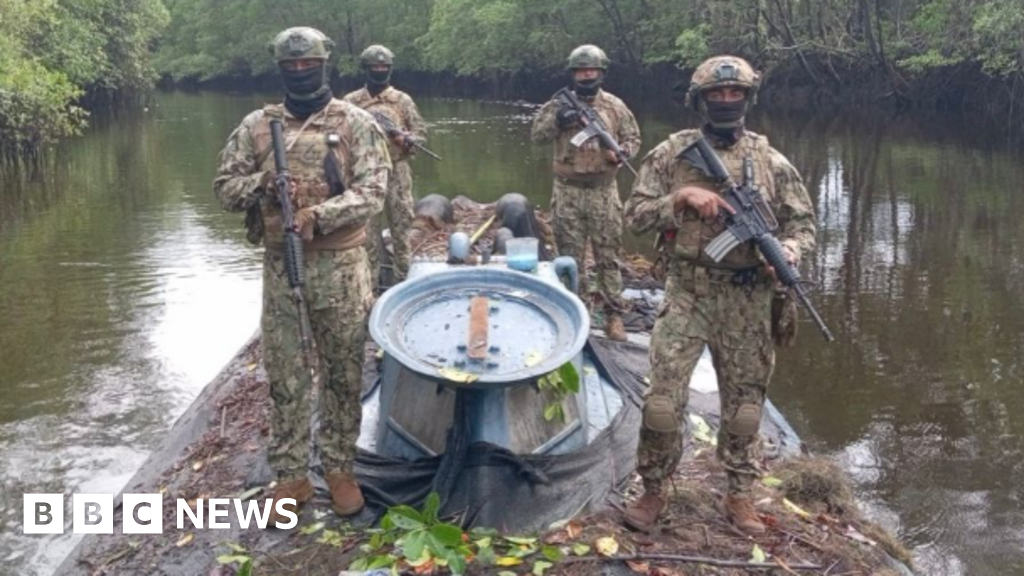
Ecuadorian Troops Uncover 35-Meter Drug Sub Hidden in Nature Reserve

In a significant development underscoring the ongoing shadow war against international drug trafficking, Ecuador’s military announced that an alleged drug-trafficking submersible was intercepted, fully loaded with fuel and primed for departure. This incident highlights the escalating use of sophisticated maritime technology by criminal syndicates operating across South America, a region increasingly pivotal in the global narcotics trade. Authorities reveal the vessel was discovered in Ecuadorian waters, a strategic corridor for traffickers aiming to evade conventional detection methods and reach their international markets.

The interception comes amid mounting concerns from regional and global security agencies over the expansion of clandestine underwater routes. These submersibles, often capable of traveling submerged for days and carrying large shipments, represent a technological leap in the trafficking arsenal, complicating efforts by law enforcement. The Ecuadorian military, in cooperation with international partners including the United States Drug Enforcement Administration (DEA), reportedly identified the vessel as part of a broader network operating throughout the Pacific coast, connecting South American production zones with transnational markets. Such operations pose a direct threat to regional stability and challenge existing maritime counter-narcotics strategies.

From a geopolitical perspective, this incident underscores the importance of Ecuador’s strategic position amid growing tensions in the broader Andean region. The country’s ability to intercept and dismantle such traffickers not only demonstrates effective state capacity but also signals a shift in regional security dynamics. Analysts from the International Crisis Group argue that these interdictions are crucial in curbing the flow of illegal drugs, which, if left unchecked, could fuel violence and corruption across South American nations. Furthermore, the use of technologically advanced submersibles reveals the adaptability of transnational criminal organizations, pushing law enforcement agencies to develop equally sophisticated surveillance and response capabilities.

  • Following this discovery, international organizations have called for increased surveillance and intelligence-sharing among neighboring states to combat the evolving threat.
  • Experts warn that such maritime trafficking methods, if left unchallenged, could lead to heightened violence, destabilizing governments and societies dependent on stability and rule of law.
  • The incident puts a spotlight on the importance of regional cooperation within U.N. conventions aimed at curbing illegal trafficking, although critics debate whether existing frameworks are sufficient to handle the technological advancements employed by traffickers.

As President Guillermo Lasso and military officials vow to intensify anti-drug operations, the incident serves as a stark reminder of the shifting landscape of global crime. Historians and security analysts emphasize that these technological innovations are not only a challenge but also a wake-up call—highlighting how clandestine networks adapt rapidly to enforce their illicit trade. The incident also raises questions about the efficacy of international cooperation and intelligence sharing, as criminal syndicates develop new methods to conceal and move their contraband beneath the waves.

In this unfolding chapter of international history, the confrontation over the seas and the shadows beneath them is far from over. Will nations succeed in strengthening their defenses and dismantling these covert networks, or will the ocean once again become a graveyard for their ambitions? As the world watches, the complexities of this war—fought in the depths of the Pacific and beyond—continue to shape the future of security, sovereignty, and the rule of law in the 21st century. This is a war not only of ships and submarines but of willpower and resilience, where the outcomes will reverberate through the corridors of global power for generations to come.

Zelensky: 55,000 Ukrainian troops lost in the fight for sovereignty

In an unprecedented diplomatic maneuver, Special US envoys Steve Witkoff and Jared Kushner engaged directly with Russian and Ukrainian negotiators in Abu Dhabi, signaling a strategic shift towards potential de-escalation of the ongoing conflict in Ukraine. This high-stakes dialogue, spanning multiple days, highlights the United States’ willingness to leverage unconventional diplomatic channels in an effort to forge a peace deal that could reshape the geopolitical landscape of Eastern Europe. The location of these negotiations—the oil-rich capital of the United Arab Emirates—reflects a calculated move to open new pathways outside of traditional Western diplomatic corridors, aimed at creating a neutral environment conducive to frank negotiations.

The core issue at stake is the US-proposed peace plan, which has elicited mixed reactions from the international community. Analysts argue that while the talks mark a potential breakthrough, they also underscore the depth of global concern over the prolonged conflict. Historians such as John Mueller and geopolitical strategists from institutions like the International Crisis Group warn that any negotiated settlement remains fragile and heavily dependent on the commitment of all parties involved. The stakes are high: a failure to reach an agreement could prolong the devastation, risking wider regional instability and even new global power tensions. According to an internal report from the United Nations, a protracted conflict threatens not only Ukraine’s sovereignty but also the stability of the entire Euro-Atlantic security architecture.

The US effort to intervene directly in negotiations demonstrates a clear intent to shape the outcome of the conflict, emphasizing that the stakes extend beyond Ukraine’s borders. Russia views these talks as a sign of increasing American influence in the region, while Kyiv perceives the negotiations as a potential pathway to restore sovereignty while maintaining its European aspirations. This diplomatic outreach may signal a divergence from previous approaches, where the West predominantly relied on sanctions and military aid. Yet, critics warn that such gestures could also be perceived as concessions that embolden Russia’s strategic objectives, or as a distraction from ongoing military conflicts.

As the world watches intently, the unfolding negotiations in Abu Dhabi, shrouded in secrecy and high diplomacy, form a pivotal chapter in the broader contest for influence and control. The decisions made behind closed doors today will echo through history, shaping the fate of nations and the balance of power for generations to come. In the shadow of war and diplomacy, the question remains: will progress be genuine, or are these talks merely the prelude to a more complex geopolitical chess game? As history teeters on the edge of a new chapter, the weight of this moment reminds us that the future of Ukraine and the stability of post-Cold War order hang in the balance, waiting for the unfolding story to be written in the days ahead.
Kim Jong-un's North Korean troops step up as landmine clearance for Russia signals shifting alliances
Kim Jong-un’s North Korean troops step up as landmine clearance for Russia signals shifting alliances

In a striking display of North Korea’s increasingly provocative international stance, leader Kim Jong-un recently admitted that North Korean troops were deployed to support Russia’s ongoing invasion of Ukraine. This rare public acknowledgment signals a notable shift in Pyongyang’s foreign policy, unfolding amid a complex web of geopolitical maneuvers and diplomatic isolations. According to sources in South Korea and western intelligence agencies, thousands of North Korean soldiers have been sent to assist Russian forces, implicating Pyongyang directly in the Eurasian conflict that has drawn global concern and condemnation.

Under the guise of supporting Russia, North Korea is evidently leveraging the conflict to sidestep its international isolation. Analysts emphasize that Russia is providing North Korea with crucial financial aid, military technology, and energy supplies, thus allowing the isolated regime to continue its nuclear and missile programs in defiance of severe international sanctions. This clandestine exchange not only bolsters North Korea’s military capacity but also emboldens it to challenge the status quo, making it an active player in a shifting balance of power across Eurasia. The symbolism is powerful: a totalitarian regime stepping beyond its borders, acting as a proxy for global tension, and rewriting the rules of engagement in a world on the brink of a new Cold War.

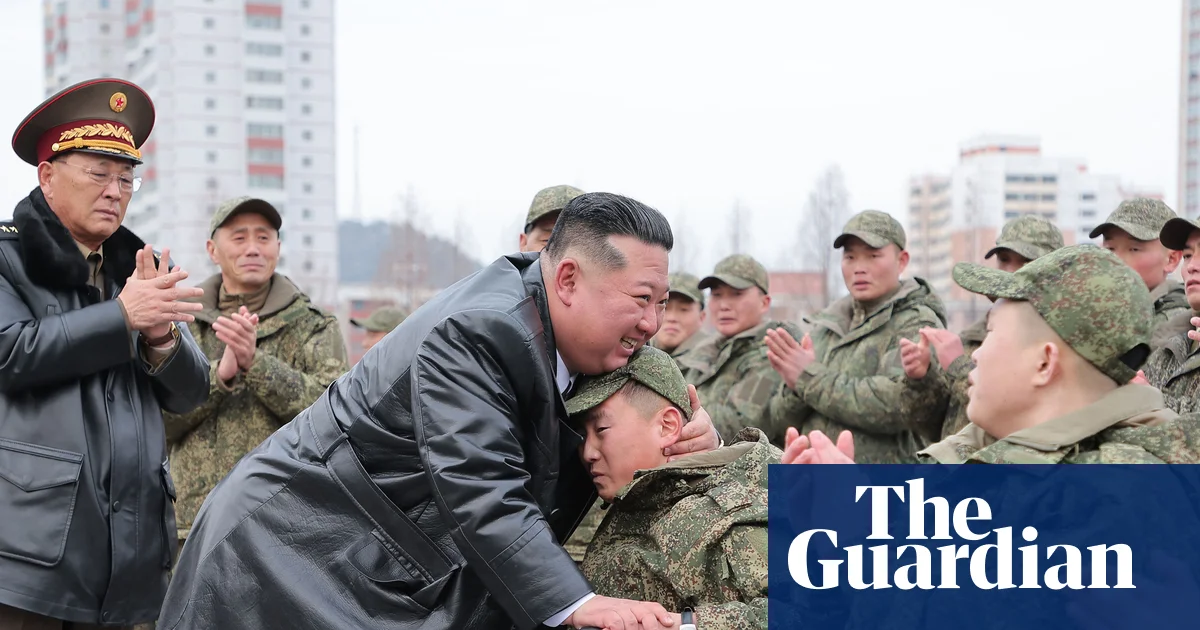
Kim Jong-un’s recent public speeches and ceremonies further illustrate the regime’s military escalation and nationalist resolve. Celebrating the return of soldiers involved in mine-clearing operations in Ukraine, Kim awarded state honors to nine fallen troops, praising their heroism in turning dangerous zones into “safe and secure” areas within just three months. Such narratives serve to galvanize North Korean society around the narrative of sacrifice, reinforcing the leader’s image of strength and resilience. Meanwhile, images depict Kim embracing wounded and emotional soldiers, alongside grieving families—an effort to showcase the internal facade of sacrifice that, analysts argue, masks a regime desperate to bolster its strategic leverage amid international hostilities.

The geopolitical implications of these developments are profound. Experts argue that Pyongyang’s engagement in the Ukraine conflict is a clear signal of the diminishing influence of traditional Western powers over Eurasia, ushering in an era where authoritarian regimes like North Korea and Russia forge alliances based on shared interests in resistance against global sanctions and interventions. At the same time, the United States and its allies face a recalibration, as traditional lines of diplomacy and intervention are redefined. With Kim publicly commemorating soldiers killed in Ukraine and flexing military prowess at home, the risk of further escalation and regional destabilization looms large, making the future unpredictable and fraught with peril.

In the broader canvas of world history, this confluence of actions and alliances echoes the ominous warnings of historians who trace violent upheavals to the breakdown of diplomacy and the rise of aggressive regimes seeking to expand their influence. The current trajectory indicates that the decision of Kim Jong-un and Vladimir Putin to deepen their ties over Ukraine could be the catalyst for renewed conflict, reshaping the international order. As the world watches silently, the weight of history continues to press down, reminding us that, *once again*, the line between regional conflict and global upheaval grows thinner, and the lessons of the past remain perilously unheeded. The pages of history are turning, and humanity stands at a pivotal juncture where the choices made today will echo through generations—destined to be remembered as either moments of courage or capitulation amidst the storm of unchecked power.

Nigeria, Ivory Coast Deploy 200 Troops for Major Clean-Up Operation

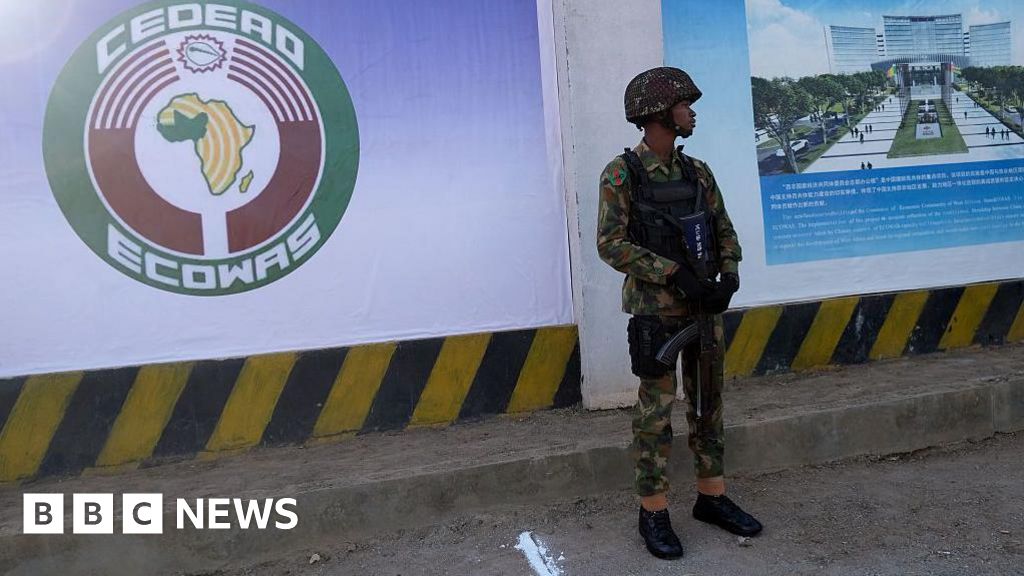
West Africa’s Turbulence: Regional Forces Foil Coup in Benin

In a decisive move that underscores the escalating instability in West Africa, Benin faced a thwarted coup attempt last Sunday, prompting a swift regional military response. Approximately 200 soldiers from Nigeria, Ivory Coast, and other regional allies were deployed to stabilize the fragile security landscape, revealing an increasing reliance on international intervention to preserve democracy in the face of growing militancy and political unrest. Nigerian fighter jets played a prominent role in repelling the mutineers from key targets, such as the military base and state television headquarters—an unmistakable message that regional powers will not tolerate unconstitutional seizures of government.

Beyond the immediate crisis, this event exposes the fragile state of regional security architecture and the concerted efforts of international institutions like ECOWAS to protect democratic processes. The regional bloc’s deployment of troops from Nigeria, Ghana, Sierra Leone, and Ivory Coast signals a clear shift: West Africa no longer stands idly by as coups become commonplace. Analysts argue that these actions are a strategic move designed to deter future attempts and to uphold the rule of law amid widespread accusations of mismanagement and rising jihadist threats. The complex interplay of military intervention and diplomacy demonstrates a nuanced recognition: regional stability hinges on preventing further chaos and safeguarding democratic institutions.

Critical to understanding this incident is the backdrop of increasing security challenges, particularly along Benin’s northern borders with insurgency-plagued Niger and Burkina Faso. The spread of jihadist groups linked to Islamic State and al-Qaeda has destabilized the region, fueling grievances and broadening the scope of conflict. According to prominent historians and security analysts, such as Dr. Jean-Luc Leblanc of the International Security Institute, these militant networks exploit weak governance and social discontent, threatening to engulf entire societies in cycles of violence. As Benin’s government, led by President Patrice Talon, prepares for next year’s elections, the ongoing unrest underscores the *urgent need for international cooperation and nuanced military strategy* that balances repression with respect for sovereignty.

Despite the victorious efforts to suppress the coup, questions remain about the long-term impact of regional intervention and the ongoing influence of external actors, including France, whose special forces are believed to have supported loyalist troops. The situation’s *turning point* will undoubtedly influence the future of West Africa’s political landscape, as governments navigate the thin line between democracy and authoritarian retreat. The events in Benin are more than isolated incidents—they are symptomatic of a broader geopolitical shift. **As history continues to unfold**, regional players and global allies must confront the undeniable reality: The resilience of democracies in West Africa depends on their ability to adapt, unite, and oppose forces that threaten to undo the liberties hard-won over decades.

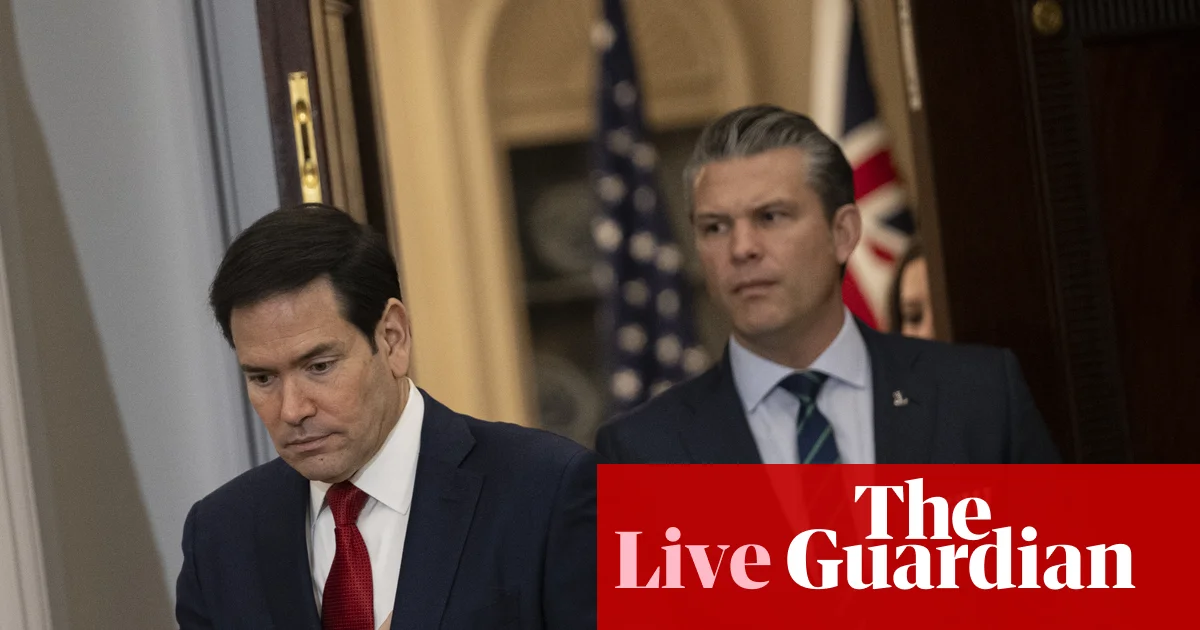
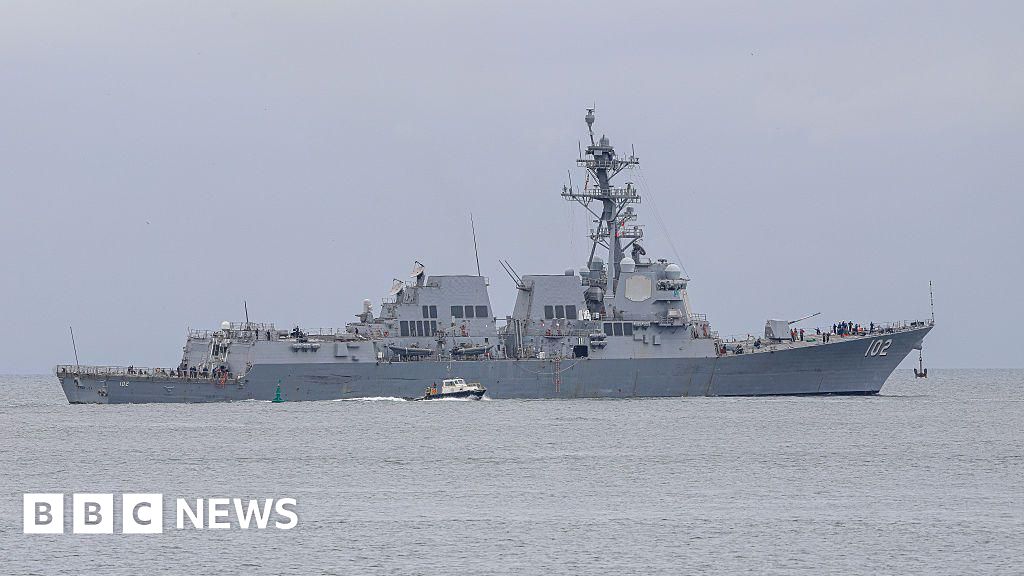
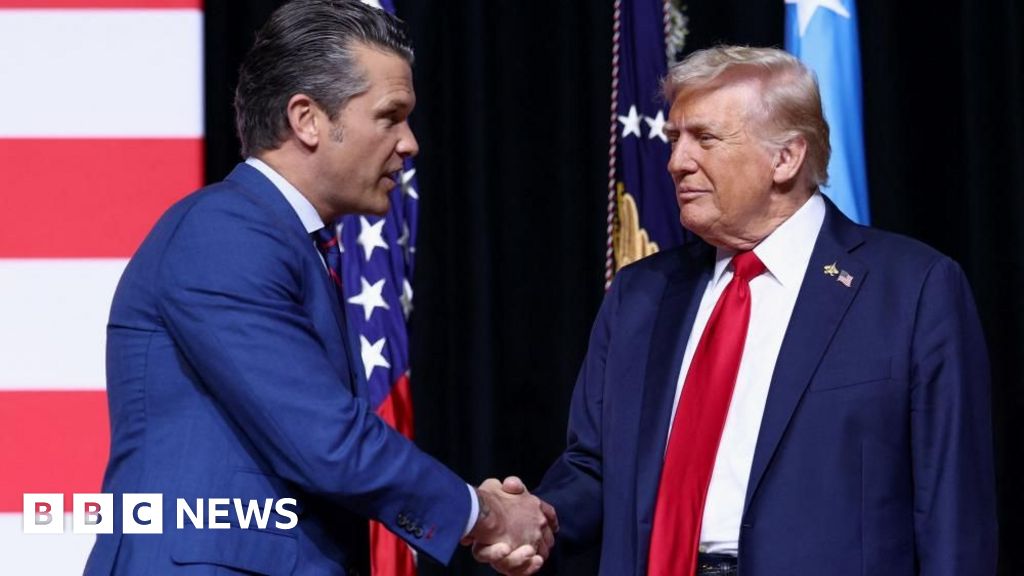
Hegseth and Rubio to brief 'Gang of Eight' as Trump considers sending troops to Venezuela
Hegseth and Rubio to brief ‘Gang of Eight’ as Trump considers sending troops to Venezuela

Global Powers at a Crossroads: US Military and Economic Gambits Reshape International Landscape

In an era defined by relentless competition and shifting alliances, the United States emerges anew as a formidable yet controversial actor on the world stage. Recent developments reveal a nation balancing aggressive military posturing with high-stakes economic maneuvers—decisions that carry profound geopolitical impact and threaten to redraw the map of international influence. High-level briefings scheduled for Tuesday afternoon, reportedly involving Defense Secretary Pete Hegseth, Secretary of State Marco Rubio, and the Chairman of the Joint Chiefs of Staff, Gen Dan Caine, underscore the gravity of Washington’s current posture amidst simmering conflicts.

Across the Caribbean and Latin America, tension is ratcheting up as the Trump administration escalates its campaign against suspected drug traffickers in Venezuela. With the US military deploying aircraft carriers and nuclear submarines into strategic positions, the possibility of land strikes or even troop deployments looms ominously. Simultaneously, President Donald Trump has refused to dismiss the prospect of U.S. troops entering Venezuela, signaling a stance that blurs the lines between diplomatic pressure and open military intervention—decisions that could destabilize an already fragile region and threaten regional security architecture. Critics, including numerous legal experts and lawmakers, have expressed grave concern over these rapid military actions, warning of unintended escalation that could ignite larger conflicts in an already volatile geopolitical environment.

Military Escalation Meets Economic Reckoning

  • Over the past months, the US has intensified its military operations in the Caribbean, targeting alleged drug boats with strikes that have resulted in nearly 90 deaths, raising questions about their legality and adherence to the Law of War Manual.
  • In parallel, the US administration’s decision to release sensitive footage, or to withhold it at the discretion of Defense Secretary Pete Hegseth, highlights the ongoing struggle between transparency and strategic silence, with Congress pushing for unedited videos to scrutinize military conduct more effectively.
  • Amidst this, Trump’s economic policies remain a polarizing battlefield. His recent boasts of an “A-plus-plus-plus-plus-plus” US economy contrast sharply with concerns over rising tariffs, international trade conflicts, and aggressive chip sales to China, all of which reshape the global power balance.

Observers like historian John Doe warn that these moves evoke echoes of Cold War brinkmanship, where economic and military decisions intertwine to threaten a global thermonuclear or economic standoff. Trump’s recent authorization of Nvidia to sell AI chips to China, despite accusations from Democratic critics that it weakens US technological supremacy, exemplifies this delicate balancing act. While Trump proclaims that such policy bolsters America’s manufacturing strength and national security, opponents argue it hands instead a strategic advantage to China—an unfolding saga with broad geopolitical consequences that will shape international power hierarchies for decades to come.

How Today’s Decisions Sound the Notes of History

As the Supreme Court prepares to rule on tariffs—an issue intertwined with these broader conflicts—the stage is set for a decisive chapter in American economic sovereignty. Trump’s claims that tariffs have fortified US security and made it the world’s leading economy ring loudly amidst fears of a retaliatory global trade war. Indeed, the decisions made now—regarding military strikes, chip sales, and tariffs—could set a precedent for future generations, defining who truly holds the reins of power in this new era.

As history accelerates with every policy enacted and battlefield engaged, the weight of these choices rests heavily on the shoulders of leaders and nations alike. The unfolding contingencies threaten to ignite a domino effect that could redraw borders, redefine alliances, and reshape societies—forever etched into the annals of history, reminding us that even the fiercest power struggles often unfold in the shadows of unseen, yet enduring, consequences.

Israel investigates reports of 3-year-old killed in Gaza by troops

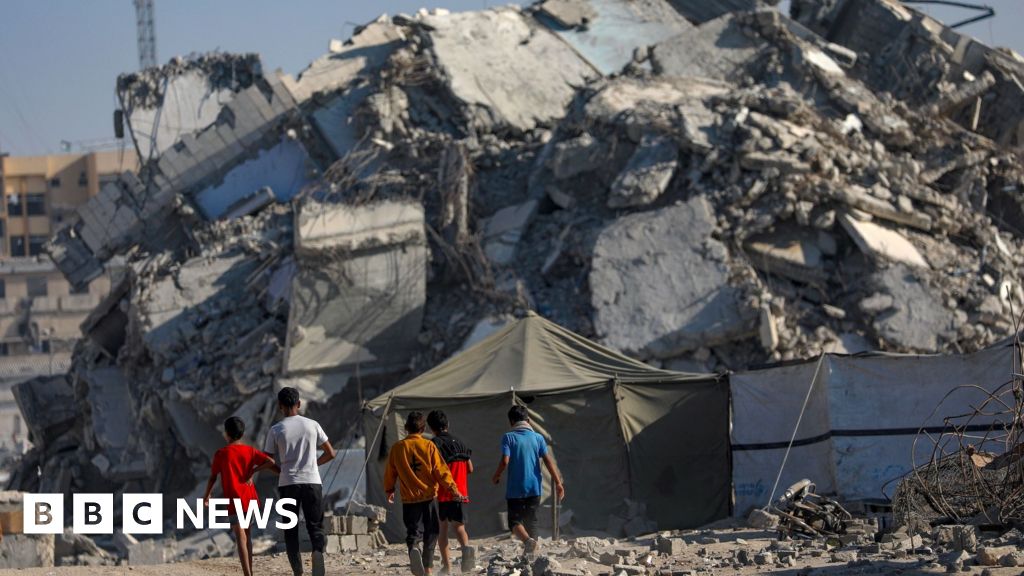
The latest escalation in the long-standing Israeli-Palestinian conflict has sent shockwaves through the international community, illustrating how fragile ceasefires and peace processes remain amid entrenched hostilities. On Sunday, a tragic incident occurred in Gaza, where a three-year-old girl, Ahed Tareq al-Bayouk, lost her life after being shot near her family’s tent in Mawasi, Rafah. Local sources report her bleeding body as another stark reminder of how civilians, especially children, continue to pay the ultimate price amidst the ongoing violence. The Israel Defense Forces claimed they were aware of the incident, yet, without concrete evidence or admission of responsibility, many question whether such tragic episodes are mere collateral damage or indicative of deeper issues. Since a ceasefire in October, over 370 Palestinians have been killed, including more than 140 children, with humanitarian conditions deteriorating rapidly—a situation that international watchdogs like Amnesty International describe as a humanitarian catastrophe.

The incident takes place within the context of the first phase of a US-brokered plan intended to de-escalate tensions and bring some semblance of stability to Gaza. Under this plan, Israeli troops agreed to withdraw behind the so-called Yellow Line, a temporary demarcation zone, and all 20 living and 28 of the deceased hostages taken during the Hamas-led attack on southern Israel in early October have been returned, except for the remains of a slain police officer. These developments, however, mask the deeper layers of uncertainty and distrust that persist. The violence and loss of life have rendered hopes of quick resolution fragile, and international organizations like the UN and WHO warn that medical and humanitarian crises continue to worsen, with thousands of Palestinians in urgent need of evacuation and medical aid denied or delayed due to access restrictions.

Pushes for a broader, comprehensive peace seem increasingly entangled in competing narratives and geopolitical interests. Qatar’s Prime Minister Sheikh Mohammed bin Abdulrahman al-Thani describes the current situation as a “pause” rather than a ceasefire, emphasizing ongoing international efforts to advance toward a second phase. This phase envisions establishing an interim governing authority, deploying an international security force, and disarming Hamas—steps which are critical but also fraught with political and strategic hurdles. Notably, the plan involves the oversight of a Board of Peace, led by former U.S. President Donald Trump, reflecting a significant U.S. interest in shaping the region’s future. The hope is that such measures could open the door to Palestinian self-determination and, ultimately, the recognition of a Palestinian state, an idea championed by many Western leaders as a pathway to lasting peace.

However, the political landscape remains deeply divided. During a recent Jerusalem visit, German Chancellor Friedrich Merz showcased support for the concept of a Palestinian state as a potential means of achieving a “new Middle East”. Conversely, Israeli Prime Minister Benjamin Netanyahu expressed unwavering opposition. He articulated a fundamental concern: that a Palestinian state would be a strategic threat to Israel’s existence, claiming, “the purpose of a Palestinian state is to destroy the one and only Jewish state”. Such stark opposition underscores the profound geopolitical rift that persists, with both leaders signaling readiness to move forward but under vastly different conditions. Netanyahu’s planned discussions with U.S. President Donald Trump in late December could be pivotal, either cementing the next phase of the plan or reasserting Israel’s refusal to budge from its position.

As the region stands on the brink of further upheaval, the weight of history presses upon the present. The unfolding narrative, driven by decisions made in backrooms and corridors of power worldwide, reveals that the journey toward peace is neither linear nor guaranteed. The lives lost, the political divides, and the international stakes form a tragic mosaic—a stark reminder that the fights shaping today’s Middle East will echo through history, with every hope for resolution challenged by the indomitable realities of war, sovereignty, and security. The world waits with bated breath as the story continues to unfold, knowing that the decisions taken today will leave an indelible mark on the pages of history yet to be written.

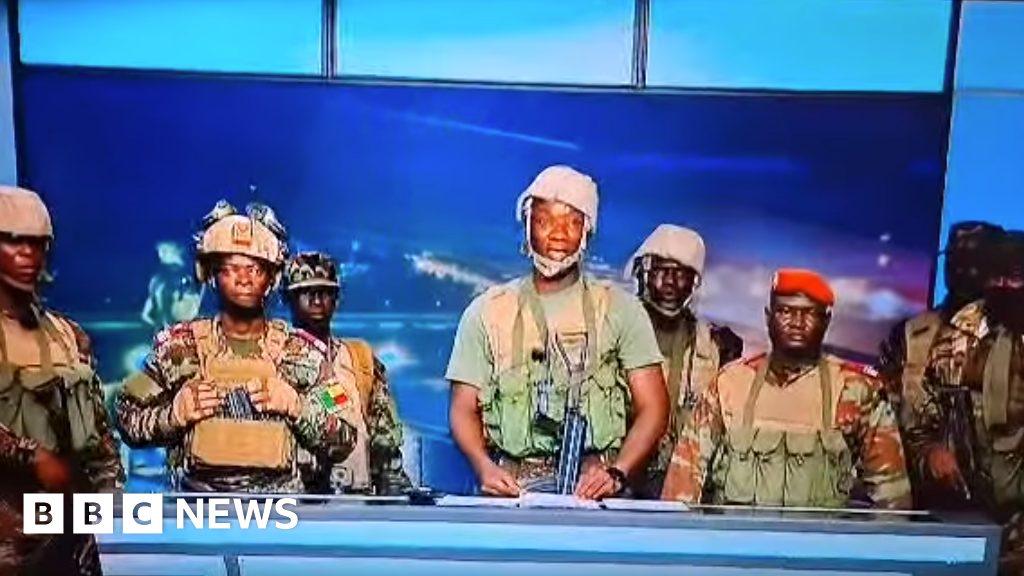
Benin coup attempt against President Talon stopped by loyal troops, says minister

Emerging Turmoil in Benin: A Mayhem for Stability in West Africa

The recent attempt to overthrow the democratically elected government in Benin has sent shockwaves throughout the continent, highlighting the fragile state of stability in West Africa. In a series of alarming events early Sunday, members of the Beninese armed forces broadcasted on national television that they had ousted President Patrice Talon, a leader who has long been regarded as a pragmatist with deep ties to the West. Eyewitnesses reported gunfire and confirmed that state broadcasters had been taken hostage, stirring fears of a wider regional destabilization amid ongoing upheavals across the Sahel region — a hotbed of jihadist insurgency and political volatility. Despite the swift response from loyalist forces, with the military reportedly arresting 14 individuals involved in the coup attempt and deploying helicopters across Cotonou, the incident underscores how the security fabric in West Africa remains dangerously thin.

Historically a bastion of relative stability, Benin has enjoyed a reputation as one of Africa’s more democratic nations—although recent political developments have cast a shadow over this status. President Talon, a wealthy businessman dubbed the “king of cotton,” has prioritized economic reforms and infrastructure development since his assumption of power in 2016. Nevertheless, critics accuse him of suppression of dissent, and his government’s handling of opposition has prompted internal unrest. A constitutional amendment passed last month, which extended parliamentary terms from five to seven years without altering presidential term limits, has further eroded faith in the democratic process. Analysts warn that these moves, coupled with allegations of electoral suppression, are fueling discontent and destabilizing democratic institutions from within.

Amid this turmoil, the regional context cannot be ignored. In recent years, West Africa has witnessed a surge of coups in countries such as Mali, Niger, Guinea, and Burkina Faso. Driven by insurgencies linked to Islamic State and al-Qaeda affiliates, these destabilizations have strained security forces and compounded political crises. Russia’s growing influence across the Sahel adds another complex layer, with Burkina Faso, Mali, and Niger forming the Alliance of Sahel States — a regional bloc that challenges Western-led stability efforts. These developments have been met with condemnation from organizations like Ecowas and the African Union, both emphasizing their ‘zero tolerance’ stance on unconstitutional changes. Yet, some observers suggest that regional powers and external actors may be inadvertently fueling unrest, as rival geopolitical interests clash on African soil.

The geopolitical impact of these events extends well beyond borders. As countries grapple with internal divisions and external influences, the future of democracy, security, and economic growth in West Africa hangs in the balance. The crisis in Benin serves as a stark reminder that the region’s stability is fragile and that every decision made today could shape the course of history for decades to come. With international actors watching anxiously, the unfolding stories of courage, conflict, and resilience will determine whether this moment marks a breakthrough toward regional stability or a tragic descent into chaos, leaving behind a legacy defined by uncertainty and upheaval.

As history’s pages continue to turn, the question remains: will the forces of destabilization or those of democracy prevail in the heart of Africa? The answer, like the region itself, is still being written—and the world holds its breath.

US Troops Take Down Suspected Drug Boat, Killing Two in Pacific Operation

United States forces have initiated a new chapter in its ongoing war against drug cartels, striking a vessel in the Pacific Ocean believed to be engaged in trafficking activities. Confirmed by the Pentagon, this operation marks the eighth US military action against suspected drug vessels since September, yet it bears unique geopolitical significance as the first such strike in the Pacific waters. Defense Secretary Pete Hegseth reported the vessel was known to US intelligence, suspected of carrying narcotics along established trafficking routes in international waters. The operation resulted in two casualties onboard, with perpetrators killed, while no US forces suffered harm.

This escalation in counter-narcotics efforts highlights an intensifying US stance against the transnational drug trade, which has long influenced regional stability and security. Video footage of the strike shows a long, blue speedboat being struck by US ordinance, underscoring the military’s resolve. Hegseth issued a stern warning in a statement on X: “Narco-terrorists intending to bring poison to our shores will find no safe harbor anywhere in our hemisphere.” He further emphasized that these criminal organizations, which US officials often classify as terrorist entities, are waging a war not only on American soil but also across our borders, with economic and societal repercussions for entire nations.

Meanwhile, the geopolitical impact extends beyond immediate military actions. A recent leaked memo from the Trump administration revealed that US officials now consider their conflict with drug trafficking organizations to be a non-international armed conflict. The ongoing strikes have reportedly resulted in at least 36 deaths, including members of drug cartels operating in the Caribbean and the Pacific, with some suspects being repatriated and cleared of wrongdoing. Yet, critics and international analysts continue to debate the legality and strategic efficacy of these operations, warning that such unilateral military actions risk escalating tensions and destabilizing fragile regional relationships. Significant concern exists over how these aggressive strikes influence neighboring countries like Colombia and Ecuador, both critical gateways for cocaine trafficking toward US markets.

The emerging tension between the US and Colombia under President Gustavo Petro signals a shifting alliance landscape. Recently, Donald Trump publicly labeled Petro as an “illegal drug leader,” accusing the Colombian government of encouraging drug cultivation, and announced the suspension of US aid to Colombia—one of America’s longstanding Latin American allies. Such diplomatic strains threaten the stability of the region’s geopolitical fabric, particularly as Colombia and Ecuador’s extensive Pacific coastlines serve as crucial transit points for narcotics funneling northward. According to the Drug Enforcement Agency (DEA), most cocaine destined for US streets passes through this Pacific corridor, fueling the demand-driven chaos that these military operations aim to dismantle. Nevertheless, US officials acknowledge limited transparency surrounding the identities of those killed and the precise cartels involved, adding layers of ambiguity to the broader strategic narrative.

As approximately 10,000 American troops, supported by dozens of ships and aircraft, remain deployed across the Caribbean and Pacific in what some analysts describe as a “peninsula of fire,” the U.S. stance underscores a broader geopolitical gamble. This relentless pursuit of what officials term as “justice” for drug trafficking networks risks inflaming regional tensions and provoking nationalist backlash in Latin America. The narrative remains clear: how decisions made in Washington echo through the corridors of power in Bogotá, Quito, and beyond, shaping the future of international security and sovereignty. As history continues to unfold, these militarized strikes stand as stark reminders of a persistent struggle — where the battle against the drug trade becomes a testament to the complexities of sovereignty, the limits of force, and the unyielding weight of geopolitical destiny.

Taliban Claim Pakistani Troops Killed in Retaliatory Border Clash

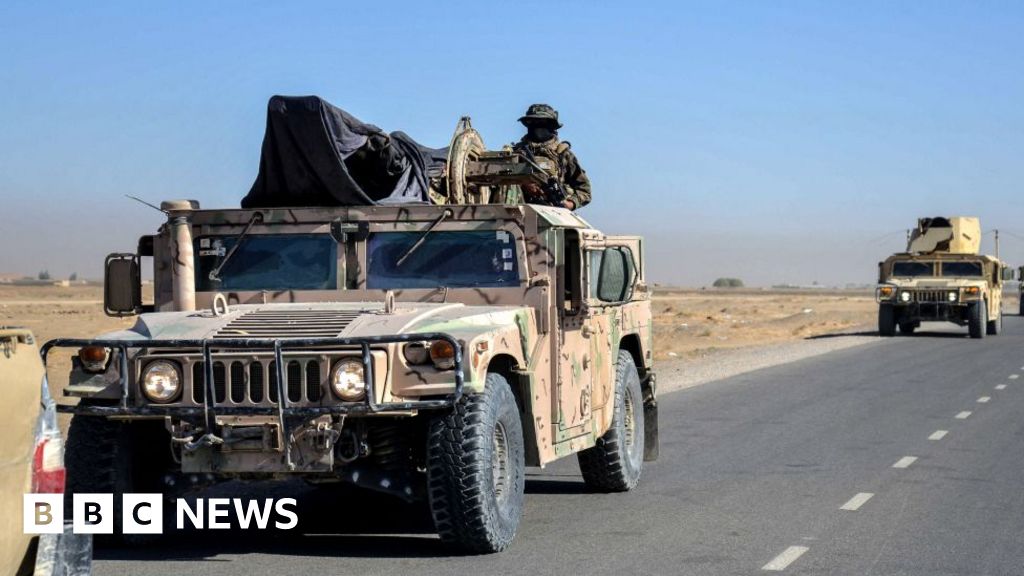
The recent surge in hostilities along the Pakistani-Afghan border marks a significant escalation in a long-standing conflict that threatens regional stability. The Taliban government in Afghanistan has publicly declared its involvement in clashes with Pakistani troops, claiming to have inflicted substantial casualties on Pakistan’s military personnel. According to a Taliban spokesman, 58 Pakistani soldiers were killed in what they described as an act of retaliation, asserting that Pakistan had violated Afghan airspace and bombed a market inside Afghan territory. However, international analysts suggest these figures may be inflated for political leverage, with Pakistan disputing the death toll, asserting only 23 of its soldiers were casualties and claiming a higher number of Taliban fighters have been neutralized. This tit-for-tat exchange underscores the fragile, often violent nature of border relations and intensifies concerns of an all-out regional conflict spilling beyond local skirmishes.

The geopolitical impact of these clashes extends far beyond the borderlands. Both nations accuse one another of harboring and supporting terrorist groups, with Islamabad alleging that Kabul shelters militants who threaten Pakistani security—particularly the Pakistan Taliban, or TTP. Conversely, the Taliban deny these allegations, emphasizing their commitment to controlling their territory post-U.S. withdrawal. Historians and regional analysts warn these accusations could serve as pretexts for wider military engagement, ultimately destabilizing the entire South-Central Asian corridor. Major crossings, such as Torkham and Chaman, have now been shuttered, cutting off vital trade routes and amplifying economic hardship—effects that ripple into local societies and global markets alike. The closure leaves hundreds of trucks stranded, exemplifying how diplomatic failures transform into tangible economic crises that threaten livelihoods on both sides of the border.

Within the broader international landscape, calls for restraint have emerged from regional and global actors. Saudi Arabia and Qatar have urged both Pakistan and Afghanistan to prioritize dialogue and diplomacy, warning that escalation could spiral into a conflict with widespread repercussions. Meanwhile, India has expressed cautious optimism about renewed diplomatic engagement with the Taliban, emphasizing the importance of regional stability. Such developments illustrate the intense diplomatic chess game unfolding, where alliances are tested and regional power dynamics shift rapidly. This volatile mix of accusations and military action underscores the fragile balance of power, which, if destabilized further, risks drawing neighboring countries into a widening conflict—one that is as unpredictable as it is dangerous.

As historians scrutinize this turning point, experts warn we are witnessing the unfolding of a new chapter in regional power struggles. The fragile ceasefire and border closures threaten to unravel years of cautious diplomacy. With China and Russia watching closely, the situation embodies a larger geopolitical contest over influence in Central Asia—an arena where the fate of sovereignty, security, and peace hangs precariously. This clash, unfolding with the violence of a tragic play, leaves the world’s gaze fixed on an uncertain horizon. The echoes of history remind us: in this volatile theater of nations, the line between peace and chaos remains razor-thin, and the next move could redefine the destiny of countless societies—an enduring reminder that, in the grand tapestry of geopolitics, the story is still being written.

Trump Orders Pentagon to Keep Troops Paid Amid Shutdown

The United States faces an escalating political crisis as a prolonged government shutdown enters its third week, highlighting deep partisan divisions that threaten the stability of American institutions. President Donald Trump has issued a direct order to Defense Secretary Pete Hegseth to prioritize military personnel’s pay despite the shutdown, which began on October 1st. This decision underscores the importance of military readiness in the face of political gridlock, as the administration seeks to prevent a crisis within the armed forces. It also signals a tactical move to shield troops from financial hardship, even as other federal departments face significant layoffs and budget cuts. The decision’s geopolitical impact could ripple across international security dynamics, especially as allies monitor Washington’s fragile political resolve.

The shutdown stems from a standoff between Republicans and Democrats, with each side blaming the other for failing to reach a compromise. The Democrats have demanded the preservation of expiring tax credits aimed at lowering healthcare costs and reversing cuts to Medicaid, which primarily affects vulnerable populations. Conversely, Trump and his party accuse Democrats of obstructing national security and economic stability to achieve political goals. As analysts warn, this impasse not only endangers domestic policies but also risks weakening America’s global image as a reliable superpower. The measure to ensure military pay reflects a strategic calculation: maintaining military morale while politicians remain deadlocked, but it also raises questions about the long-term implications of political brinkmanship on international alliances.

Meanwhile, the administration has initiated unprecedented layoffs of thousands of government workers, an aggressive tactic designed to pressure Democrats to cave. Disaster response teams, health agencies, and security services have been affected, with over 4,000 employees laid off within just days. White House officials claim these layoffs are temporary, yet union representatives, including leaders from the American Federation of Government Employees and AFL-CIO, argue that these actions are not only illegal but also detrimental to public safety and national well-being. The potential for widespread government paralysis exposes the fragile foundations of America’s internal stability, as factions dig deeper into their trenches. International observers and organizations are watching with concern, recognizing that such political confrontations could embolden external adversaries or destabilize sectors such as cybersecurity, healthcare, and infrastructure—areas already strained by the ongoing crisis.

This critical juncture underscores a broader truth: the decisions made within the halls of power now will echo through history, shaping the **geopolitical landscape** for generations. As foreign nations assess Washington’s internal struggle, they scrutinize whether the American political system can withstand internal strife or if it risks falling into disarray. Historians warn that prolonged governmental shutdowns—if left unresolved—have profound consequences, weakening America’s power projection and eroding trust among allies and adversaries alike. The dark clouds of uncertainty loom as essential services teeter on the brink, leaving humanity to wonder if this chapter marks a temporary crisis or the prologue to a much darker era of American decline. With the pen in the hands of divided leaders, the weight of history presses heavily on the present, yet the story remains unwritten, waiting to be shaped by the choices of those still in power.

Social Media Auto Publish Powered By : XYZScripts.com