
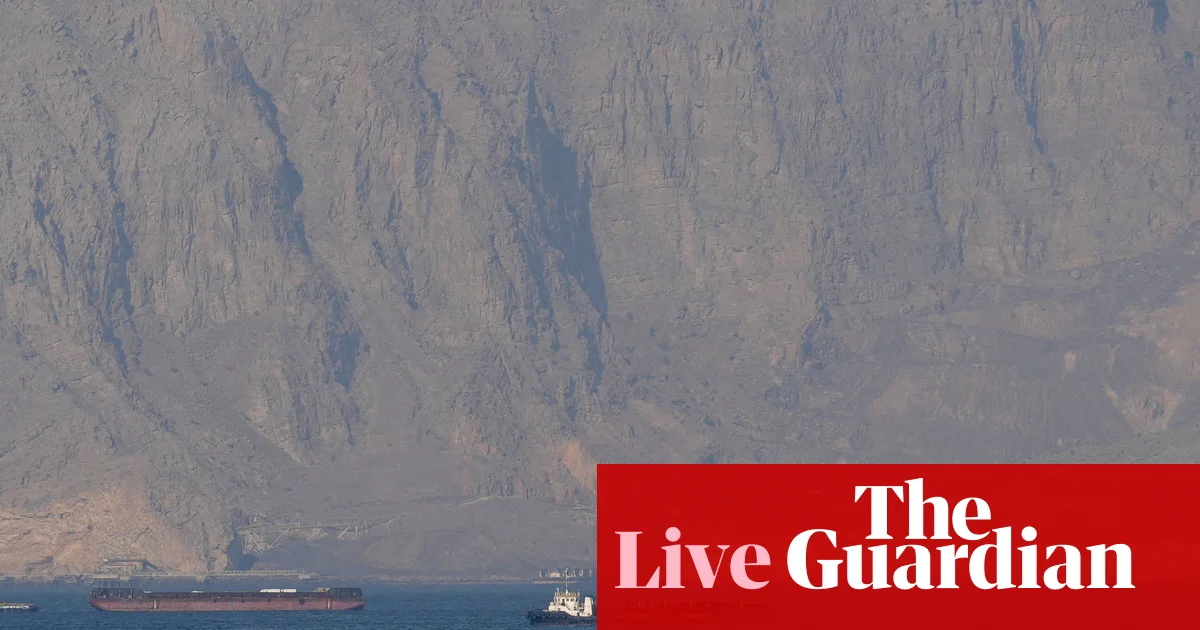

The Strait of Hormuz remains at the epicenter of escalating geopolitical tensions, as Iran signals its readiness to respond aggressively to foreign military incursions. According to a statement from the Iranian military’s unified command, any presence of US or other foreign armed forces within the strategic waterway will be met with force. The warning underscores Iran’s assertion that it controls crucial maritime passages and will defend them vigorously. This recent stance marks a significant inflection point, raising fears of a broader regional conflict.
Amidst this brewing crisis, the United States announced plans to intervene in what it calls a humanitarian effort: to free ships and crews stranded within the narrow passage as Iran continues to blockade vital Gulf shipping lanes. However, the precise nature of this operation remains ambiguous, and analysts warn of unintended consequences. US Central Command has stated that the supported military presence will include guided-missile destroyers, hundreds of aircraft, and tens of thousands of troops. Yet, reports suggest that the US might not escort ships directly, adding uncertainty to the mission’s scope. Meanwhile, Iran has maintained its position by emphasizing that the security of the Strait is its sovereign right and warning that any foreign interference will be confronted decisively.
The crisis has been further complicated by recent attacks on commercial vessels, one of which was struck by unidentified projectiles just after President Donald Trump announced the US would aid trapped ships. The incident, occurring north of Fujairah in the United Arab Emirates, has intensified fears of escalation. Authorities from the UK Maritime Trade Operations have noted the presence of mines in the vicinity and have advised mariners to route through Oman territorial waters to avoid danger. Such warnings highlight the heightened level of maritime security threat, with the region’s stability hanging in the balance.
Strategic analysts, including military experts and international organizations, view these developments as part of a dangerous game of brinkmanship that could spiral out of control. Many consider the recent threats and incidents as the manifestation of Iran’s resolute posture against perceived U.S. and Israeli aggression—an attitude grounded in decades of regional unrest. The United Nations and other policymakers worldwide are monitoring the situation closely, aware that any miscalculation could ignite a wider conflagration involving Lebanon, Syria, and parts of the Arabian Peninsula, where militant groups like Hezbollah could further complicate the conflict. As historians like Samuel Huntington have warned, these flashpoints are catalysts for a potential new world conflict, and the ongoing decisions carry the weight of legacy that will shape the Middle East for generations.
As the world watches this fragile chess game unfold, the question remains: will diplomacy prevail, or will the Strait of Hormuz become a conduit for a new epoch of warfare? The shadows of history loom large over this vital corridor, and every move from Tehran, Washington, and their allies writes a new chapter—one with consequences that will echo in the annals of geopolitics and global stability. The fading echoes of past diplomacy serve as a stark reminder that the tread of war is never far from the surface, and in this frozen moment in time, the relentless pulse of history continues its inexorable march.






