
Matox News

Truth Over Trends, always!

Trump-backed World Liberty Financial sues crypto entrepreneur over defamation

The escalating legal and public relations conflict between World Liberty Financial—a high-profile crypto venture linked to Donald Trump and his family—and Justin Sun, a renowned Hong Kong-based crypto billionaire, exemplifies the volatile intersection of cryptocurrency markets, political influence, and international legal battles. Since its inception, this dispute has drawn significant attention from global financial analysts and international institutions, highlighting the profound geopolitical impact of private sector intrigues on the broader technological and economic landscape.

The lawsuit filed by World Liberty in Florida accuses Sun of orchestrating a “public smear campaign” by improperly transferring tokens and allegedly short-selling WLFI tokens to suppress their market value. This action is portrayed as a coordinated effort to manipulate the nascent crypto asset during its trading debut in September. Such tactics, if proven, could trigger regulatory scrutiny not just from U.S. authorities but from international regulators as well, given the global reach of Sun’s investments and influence. In response, Sun dismissed the lawsuit as a “meritless PR stunt,” highlighting the deep divisions and high stakes involved. This legal skirmish underscores how crypto ventures are increasingly becoming battlegrounds for ideological, financial, and political supremacy, with consequences that ripple across national borders.

The fall from grace for World Liberty—which surged 12% on news of the lawsuit but remains down 72% since trading began—mirrors an alarming pattern of instability within the digital asset sphere. Importantly, Sun’s substantial stake—worth approximately $264 million—underscores how influential figures with political ties are deeply embedded within the crypto ecosystem. Historically, analysts like Dr. Emily Cartwright of the International Blockchain Institute warn that such entanglements threaten to erode investor confidence, especially as regulatory bodies worldwide grapple with establishing consistent frameworks for digital currencies. The once rosy relationship between Sun and World Liberty has shattered, exposing the underlying fragility of crypto alliances intertwined with political ambitions. The legal disputes could set precursors for tighter regulations and increased governmental intervention in markets that were once seen as the frontier of unchecked freedom.

  • In April, Sun initiated legal action against World Liberty over alleged token freezing mechanisms, claiming they unlawfully blocked his ability to sell tokens—claims denied by the company, which asserts such measures were disclosed in sale terms.
  • The controversy intensifies as Sun’s early endorsement—initially helping propel the project—becomes embroiled in accusations of market manipulation and sabotage.
  • Meanwhile, the Trump-linked crypto empire, according to a Reuters analysis, has already reaped over $1 billion in revenue from World Liberty and other ventures, with a considerable majority of profits routed to the Trumps, further complicating international efforts to regulate or curb derivative political-financial networks.

As international institutions and nation-states watch this drama unfold, the geopolitical stakes extend beyond mere market fluctuations into the realm of national security and sovereignty. The involvement of influential political figures and the potential for crypto-based influence operations pose questions about the future of global economic sovereignty and how societies can maintain sovereignty amid the relentless tide of digital globalization. The decisions taken—or ignored—today will determine whether digital currencies become instruments of freedom or puppets of elite manipulation. With history in the making, the world stands at a crossroads: one where the outcomes of legal battles, regulatory reforms, and international cooperation will decide if this new financial frontier becomes a battlefield for power, influence, and control.
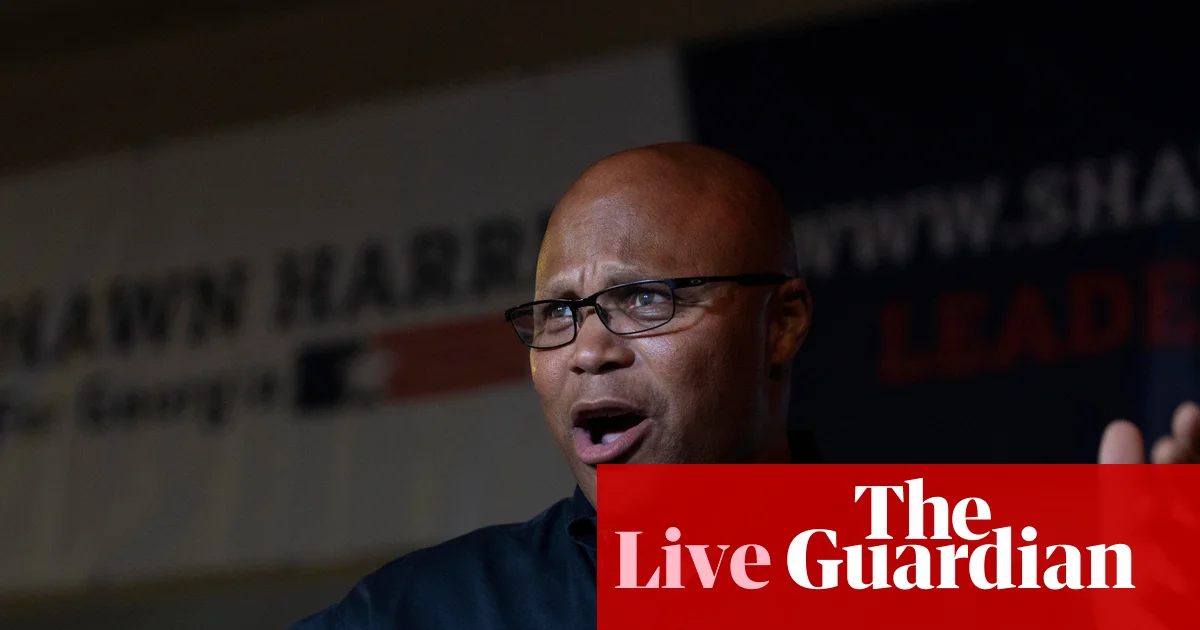

Trump-backed Republican faces Democrat in Georgia runoff for Greene’s seat

Global Politics in Unprecedented Turmoil: A Turning Point in History

In recent days, the international stage has been witnessing a series of seismic shifts, with nations recalibrating their positions in response to emerging conflicts, diplomatic failures, and strategic recalculations. United States foreign policy appears to be increasingly aggressive, as evidenced by recent military strikes against Iranian vessels near the Strait of Hormuz, a vital global chokepoint. Unclassified footage released by US Central Command shows multiple Iranian ships, including minelayers, being targeted following warnings from former President Donald Trump, who condemned Iran’s destabilizing activities and warned against laying mines in these critical waters. This escalation could deepen regional tensions and threaten global energy supplies, impacting societies worldwide.

Meanwhile, in a conflicting move, the US domestically remains embroiled in political upheavals, notably in Georgia, where a rare opportunity for the Democrats to challenge entrenched GOP strongholds has emerged. In a competitive runoff, retired Army General Shawn Harris, backed by a formidable campaign effort and raising over four times as much as his Republican opponent Clay Fuller, seeks to harness a moment of political tension. Fuller’s assertion that the Republican party will unite behind him, framing it as a fight against a dangerous Democrat, reflects ongoing partisan polarization but also highlights the fragile balance in American electoral politics that could influence the broader geopolitical landscape, especially as the U.S. continues to wield immense influence in global affairs.

Shifting Alliances and Critical Policy Flaws

The internal fissures within US politics threaten to undermine its international leadership. The recent withdrawal of Trump’s nominee Jeremy Carl from a key diplomatic role after a backlash over controversial remarks underscores a broader trend: America’s political apparatus is increasingly polarized, with bipartisan opposition crippling strategic appointments. Historians and analysts suggest that these internal divisions distort America’s ability to project strength abroad, thereby inviting rivals like China and Russia to fill the power vacuum. As the US struggles with internal dissonance, nations across the globe watch warily, knowing that a weakened America risks ceding leadership on critical issues such as climate change, security, and economic stability.

Meanwhile, regional conflicts persist, exemplified by the ongoing US-Israeli interventions in Iran, which threaten to spiral into broader conflicts with far-reaching implications. The Biden administration’s inability to stabilize energy markets, with inflation stubbornly remaining at 2.4%, signals not only economic strain but also the potential for global instability if energy prices surge amid geopolitical crises. International organizations, including The UN, warn that such policy missteps could ignite conflicts that spiral beyond control, leaving societies around the world to grapple with the consequences of a fractured order.

The History Unfolds

History has repeatedly shown that in times of chaos, the stakes are enormous. Each decision — be it military strikes, diplomatic appointments, or electoral upsets — writes a new chapter in the annals of geopolitics. Analysts warn that the current trajectory echoes earlier eras when internal splits and external conflicts fueled global upheaval. The war drums in the Middle East, the tense run-offs in American politics, and the fissures within superpowers like the US all signal that we stand on the precipice of a new era—one where the decisions made today will reverberate for generations to come. The weight of history presses down, reminding us that every action is interconnected, shaping the fragile fabric of international stability.

Social Media Auto Publish Powered By : XYZScripts.com


