Matox News

Truth Over Trends, always!

Trade court demands tariff refunds, deal a blow to Trump’s trade policies

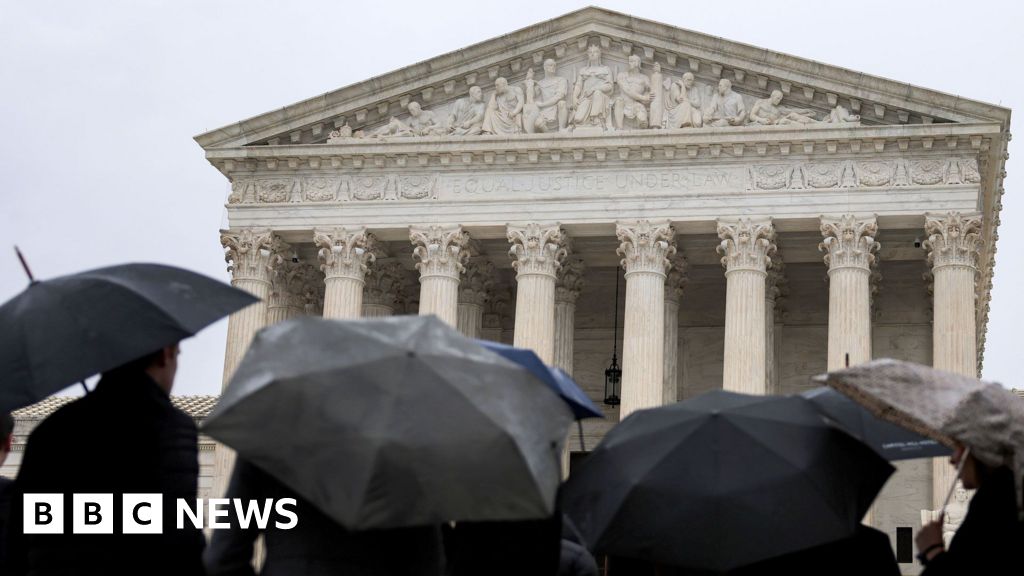
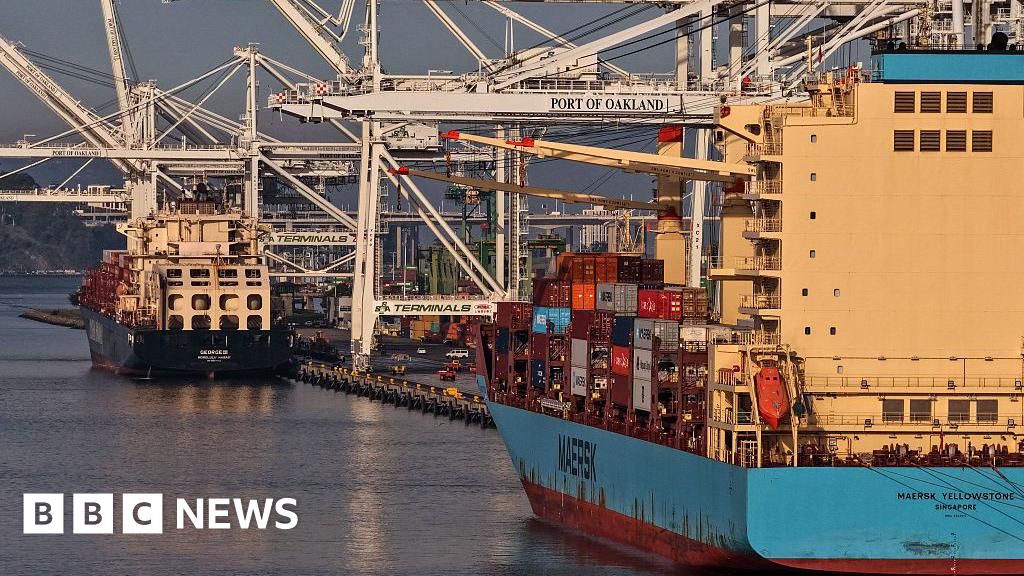
In a significant turn of events, a prominent trade court has recently cleared the path for businesses worldwide to secure refunds for tariffs that the Supreme Court invalidated last month. This ruling marks a vital development in the ongoing evolution of international trade policies and signals a potential shift in how nations approach economic sovereignty and commerce regulations. The decision underscores the volatile and unpredictable landscape of global markets, where legal, political, and economic forces intertwine to shape the fabric of international commerce.

The initial Supreme Court decision dismantled a set of tariffs that, for years, served as a tool for several U.S. administrations to protect domestic industries from foreign competition. But its recent reversal prompted uncertainty, especially among businesses that had anticipated potential rebates or refunds due to the ramped-up tariffs. Now, with the trade court’s endorsement, companies can begin pursuing these refunds, thus rekindling economic hopes for many sectors hit hard by previous tariffs. This move has caused ripples across the global economic community, illustrating how legal reinterpretations within the U.S. legal system can send shockwaves through international markets and alliances.

Analyzing this development, respected international trade analysts highlight the geopolitical impact of this shift. Historically, tariffs served as tools of protectionism, often sparking retaliatory measures and trade wars. The recent court decision appears to reinstate a more predictable legal environment within the U.S. and potentially affecting negotiations on trade agreements such as the USMCA or upcoming bilateral pacts. Countries like China, Mexico, and Canada closely monitor American legal dynamics, as this determines their own standing in intertwined trade networks. The renewed availability of tariff refunds could influence American relations with these economic giants, potentially leading to a recalibration of trade strategies and diplomatic dialogues.

Adding complexity, the decision bears profound consequences for emerging economies. As nations such as India and Brazil seek to propel growth through increased trade liberalization, the reactivation of tariff refunds in the U.S. could either bolster or hinder their efforts, depending on how the shifting legal landscape influences global supply chains. The World Trade Organization and other international bodies have voiced cautious optimism; however, many analysts warn that this development could signal a broader return to protectionist tendencies, challenging longstanding efforts to foster open and fair trade. The stakes for sovereignty, economic resilience, and societal stability are rising; what remains uncertain is whether this decision marks a temporary reprieve or the beginning of a fundamental transformation in America’s trade posture.

Many experts warn that such legal victories and reversals, while seemingly technical, embody a deeper battle — one that will determine the future trajectory of global power. Historians and political strategists remind the world that decisions made in courtrooms and legislative chambers today will ripple through generations, shaping whether nations move toward greater economic independence or capitulate to the forces of globalization. As the international community watches with bated breath, one thing is clear: in the unpredictable arena of global geopolitics, the course of history is still being written, and the next chapter could turn the tide of international influence in unforeseen directions.
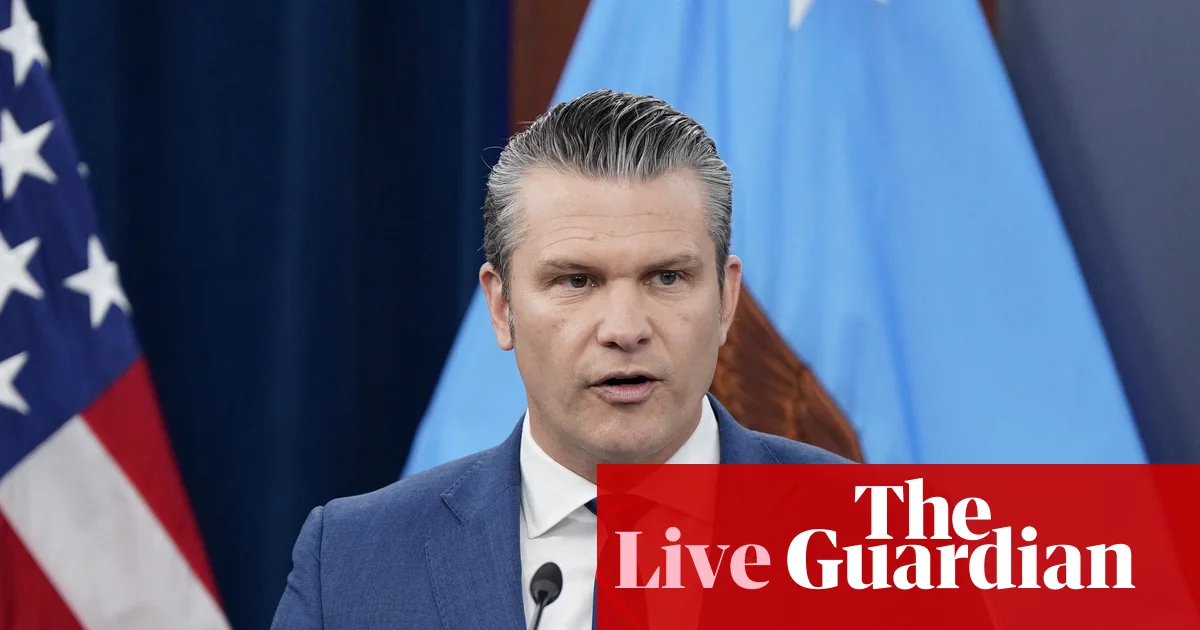
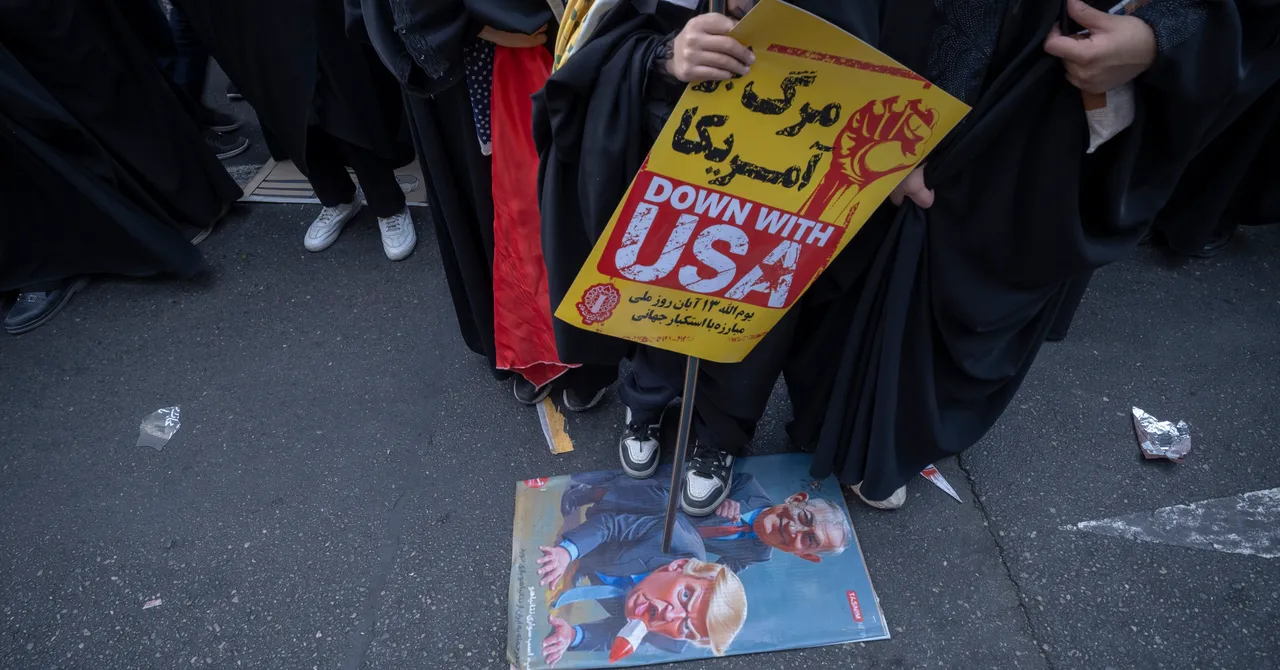
Pete Hegseth says Trump’s ‘closing’ Iran conflict as tensions escalate – US politics update

Global Escalation: The US, Iran, and the Future of World Power

In a dramatic turn of events, the United States has launched a major military operation against Iran this week, igniting a complex geopolitical crisis with potentially irreversible consequences. The operation, dubbed Operation Epic Fury, was authorized by President Donald Trump after nearly half a century of Iran’s alleged hostile actions against Western interests. As US officials publicly assert that they are “finishing” what was started long ago, the very fabric of international diplomacy and national sovereignty is being tested like never before, creating ripples that threaten to destabilize the Middle East and reshape global power balances.

From the outset, the US government has framed the conflict as a necessary response to Iran’s persistent threats—rhetoric rooted in accusations of missile proliferation, nuclear ambitions, and regional destabilization. Defense secretary Pete Hegseth has emphasized that this campaign will not be swift, describing the operation as a “big battle space” requiring patience and strategic precision. His assertion that “We didn’t start this war, but under President Trump, we are finishing it,” signals a shift toward a more aggressive posture that bucks the traditionally cautious approach of past administrations. Historically, analysts and war critics warn that such a posture risks spiraling into a regional conflagration from which even nuclear deterrence may not protect the world’s superpowers from entanglement.

The unfolding escalation has prompted urgent responses from Congress, with Democratic leaders demanding a vote under their constitutional authority to limit Trump’s military actions.

  • Top Democratic representatives, such as Gregory W. Meeks, have vowed to oppose the war effort, with some even willing to board planes to oppose what they see as an unconstitutional invasion.
  • Yet, despite these efforts, the administration maintains that it “set the terms of this war from start to finish,” signaling a federal executive branch increasingly willing to bypass Congress and consolidate military authority in a manner reminiscent of imperial overreach.

International organizations, including the United Nations, have expressed concern that the open warfare risks pushing the region into chaos, with war analyst Dr. Laura Hendrick warning that “such unilateral military actions could trigger a regional domino effect, leading to wider conflicts involving neighboring states and geopolitical rivals.” Moreover, the humanitarian fallout—particularly with reports of pregnant immigrant children moved into detention centers—raises questions about legality and human rights abuses under the guise of national security.

As the world watches with wary eyes, both America’s role as a global policeman and Iran’s resilience in the face of relentless pressure are at a critical crossroads. The death of Iran’s Supreme Leader Ali Khamenei, hailed by some U.S. hawks as a “turning point” for regime change, has further inflamed tensions, prompting Tehran to launch missile counterstrikes and hinting at an ongoing, perhaps endless, cycle of violence. Historian Prof. William Carter warns that “Decisions made in the coming weeks will determine whether this is an isolated chapter or the start of a new era characterized by prolonged regional chaos and a realignment of alliances.” The resurgence of military intervention, coupled with the use of AI-driven targeting from agencies like the Pentagon, signals a dangerous precedent—one where technology and brute force threaten diplomacy and peaceful resolution.

As the narrative of war continues to unfold, the weight of history presses down on leaders and nations alike. Will this conflict be resolved before irreversible damage is done, or are we witnessing the dawn of a new era of global instability? The choices made today in Washington and Tehran will echo through time, shaping the destiny of the world and leaving an indelible mark on history’s grand canvas. With war drums echoing across the landscapes of geopolitics, the future hangs precariously, reminding us that in the theater of international power, the stakes have never been higher.

Top 5 Unknowns in Trump’s New Iran Showdown

Cyber Warfare and Geopolitical Disruption: Iran’s Strategic Edge

The landscape of modern conflict is evolving rapidly, driven by groundbreaking innovations in cyber technology that challenge traditional notions of security and sovereignty. Iran, once considered a regional player with limited cyber capabilities, has increasingly demonstrated a knack for exploiting vulnerabilities with calculated sophistication. As Jeff Greene, former assistant director at CISA, points out, Iran is adept at maximizing the impact of its cyber capabilities, making it a serious disruptor in the global arena. From attacks on Wall Street institutions in 2016 to destructive assaults on Saudi Arabia’s Aramco in 2012, Iran has established a track record of destabilizing critical infrastructure, signaling a shift in how state adversaries leverage innovation for geopolitical gain.

The implications for U.S. and allied forces are profound. As Iran’s cyber arsenal grows more sophisticated, its potential to deliver asymmetrical blows—whether through cyberattacks, destabilizing information operations, or even retaliatory cyber espionage—raises questions about future conflict scenarios. The proliferation of AI-enabled hacking tools and autonomous attack vectors means that even lower-scale cyber skirmishes can escalate swiftly, intertwining economic stability with national security. Industry analysts from Gartner and MIT underscore the need for rapid innovation and better threat intelligence to stay ahead of these disruptive tactics, emphasizing that disruption is no longer a matter of if, but when.

Beyond cyber, Iran’s strategic calculus appears to be expanding, linking cyber operations with traditional military and hybrid warfare techniques. The broader geopolitical implications are alarming; recent U.S. military strikes and confrontations suggest a shifting paradigm where conventional and unconventional tactics converge. Defense Secretary Pete Hegseth’s provocative rhetoric—reminiscent of a broader doctrine of ‘F-A-F-O’—signifies a newfound emphasis on demonstrating strength. Yet, Iran’s own historical resilience, shaped by pivotal moments like the 1979 revolution and lasting power struggles, indicates that its response to U.S. actions could involve a complex mix of cyber retaliation, proxy operations, and geopolitical maneuvering. As the post–World War II landscape illustrates, legacy conflicts evolve into long-term paradigms that reshape regional and global order, making the current crisis a mere chapter in a much larger story of upheaval.

Looking ahead, industry leaders, policymakers, and technology innovators must recognize that the intersection of disruptive tech and geopolitical strategy is accelerating at an unprecedented rate. The strategic environment demands not only more advanced cybersecurity defenses but also proactive innovation in AI, quantum computing, and autonomous systems—areas where companies like OpenAI and Boston Dynamics are pushing boundaries. The nature of future conflict is being rewritten in lines of code and cyber flux, with the potential to unleash consequences that could echo through global markets and political stability for decades to come. The urgency is clear: to prevent disaster, the world must accelerate its innovation cycle and recognize that today’s cyber and military disruptions are merely the vanguard of a new era—an era where technology and geopolitics are inextricably linked, demanding vigilance, agility, and relentless pursuit of what’s next.

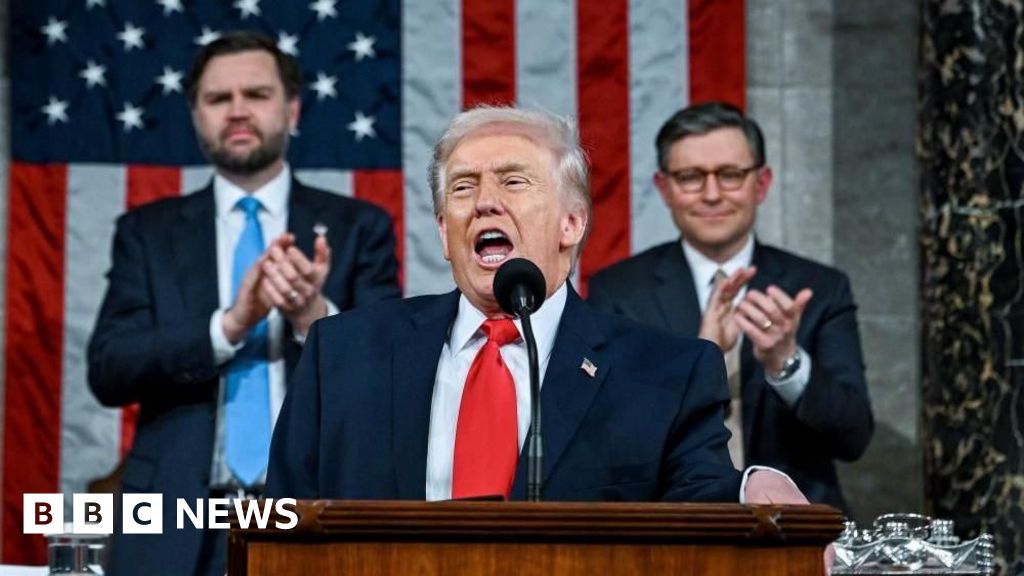
Trump’s Showbiz State of the Union Signals No Real Shift Ahead

In recent weeks, the United States has been wrestling with a complex internal political landscape, centered around a contentious national address delivered from the White House. While the president reiterated familiar themes—emphasizing economic statistics, domestic policies, and national security concerns—the message has yet to resonate convincingly with the broader public. This political event, although seemingly confined within the borders of America, bears significant geopolitical repercussions, especially as global stakeholders analyze the implications of leadership narratives fueling or undermining international stability.

From an international perspective, the lack of public consensus on such critical domestic messages hints at the growing divide in America’s societal fabric—a divide that does not exist in isolation. Analysts from institutions such as the Council on Foreign Relations underscore how internal political turbulence within prominent nations like the U.S. can weaken international trust and influence. As China and Russia continue to shape a multipolar world, the domestic instability exemplified by unresolved partisan divides undermines America’s ability to project power and uphold its international commitments.

Historically, public perception and internal cohesion serve as bedrocks of global influence. When U.S. leaders appeal to a broad audience—aiming for tens of millions during national broadcasts—they are not only addressing domestic concerns but also signaling to allies and adversaries the current state of leadership stability. Experts warn that persistent narratives of discontent and political inertia risk emboldening rival powers, which are actively seeking to fill perceived vacuums of influence. Meanwhile, international organizations such as NATO and the United Nations are increasingly cognizant of how internal political turbulence in leading nations can, in turn, destabilize regional and global security architectures.

In the backdrop of these internal debates, the geo-economic landscape continues to shift. Nations such as India and Brazil are demonstrating resilience and strategic independence, leveraging moments of perceived American weakness. The European Union grapples with its own internal divisions but remains keenly aware that the stability of dominant global powers like the U.S. is integral to its own geopolitical posture. As such, the ongoing internal struggles and their international ramifications are echoing in diplomatic corridors worldwide, highlighting the delicate balance between national sovereignty and transnational stability.

Ultimately, history reveals that the fates of mighty nations are entwined through a tapestry of decisions, conflicts, and moments of introspection. As America faces a pivotal crossroads—balancing authentic political engagement with the weighty expectations of global leadership—future events remain unpredictable yet inevitable. The currents of history continue to sweep forward, carrying the world into uncharted realms where the outcome of internal political delays could define the course of international affairs for generations. The question remains: in the unfolding mosaic of geopolitics, whose vision of the future will prevail, and at what cost to civilization’s collective hopes? Only time will tell, but the echoes of current choices will undoubtedly resonate for decades—an enduring reminder that history’s pen remains inexorably poised to inscribe the next chapter.

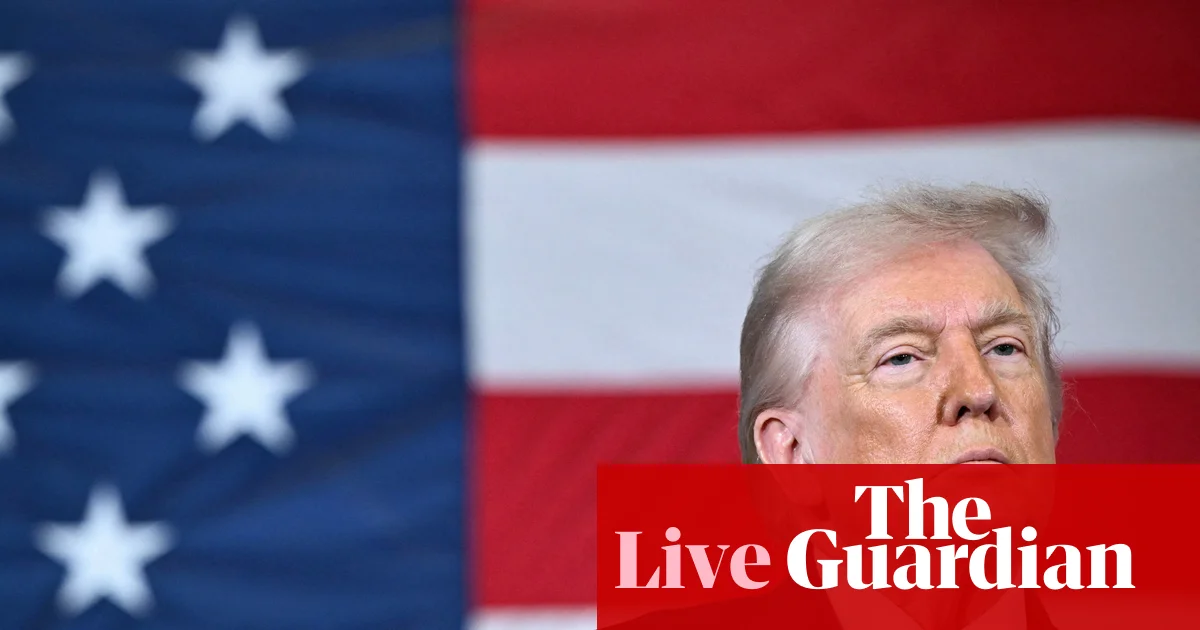
Only 32% of Americans believe Trump’s priorities are right — poll ahead of State of the Union

Global Power Plays Amid Political Turmoil and Military Posturing

As the United States prepares for yet another theatrics-filled State of the Union, the international landscape is brimming with a complex web of strategic moves, diplomatic tensions, and military maneuvers that underscore the ongoing power struggle on the world stage. Behind the scenes, the decisions made in Washington ripple outward, reconfiguring alliances, testing borders, and recalibrating the delicate balance of global influence. This is a critical moment in history where the choices of leaders will not only define domestic agendas but also have lasting consequences for geopolitical stability.

On the military front, the USS Gerald R. Ford, the world’s largest aircraft carrier, has reached the US naval base at Souda Bay, Crete, en route to join a burgeoning military buildup in the Middle East. The move signals heightened tensions, as Trump-era threats to Tehran repeatedly threaten to spark a new regional conflict. The President, who has openly threatened Iran with renewed military action over its nuclear program, now appears increasingly frustrated by diplomatic stalemates. According to sources, Trump’s advisers are weighing options for a strikingly forceful call to Iran, but caution persists due to the risk of escalating an already volatile situation. Analysts warn that any misstep could ignite a prolonged war in the Middle East, dragging global powers into a conflict that might shift regional power dynamics and destabilize international order.

Meanwhile, in the theatre of international diplomacy, the US State Department continues to issue advisories about Western Mexico amid ongoing cartel violence following the killing of a prominent drug lord. This situation reflects the broader implications of America’s border policies and counter-narcotics efforts that are often criticized for their impact on social stability and economic development in the region. The United States’ stance on border security, trade tariffs, and military intervention remains a key feature of its geopolitical posture, influencing policy decisions in neighboring countries and European allies alike. European nations, already rattled by the recent US Supreme Court ruling against Trump’s tariffs, now face the challenge of recalibrating their trade relations amid America’s impulsive economic tactics. The court’s decision has been lauded by conservatives but accused by liberals of sowing chaos and undermining executive authority, fueling ongoing battles over the proper scope of presidential power.

On the home front, the US political scene is equally tumultuous. Biden’s administration faces mounting pressure from both the left and right, as factions within Congress debate whether to attend or boycott the upcoming address. Several prominent Democrats, including the likes of Abigail Spanberger and Summer Lee, plan to deliver alternate rebuttals, signaling a rift that underscores the fragile unity of US political institutions. Meanwhile, Trump’s approval ratings continue their steep decline, with only a minority of Americans believing he holds the right priorities—highlighting the deepening divide and the turbulent state of American democracy. Observers like historians and political analysts warn that this systemic discord may herald a period of instability that could have profound ramifications for the future of the Western alliance. As the country braces for Trump’s lengthy and combative speech, other nations worldwide watch with bated breath, knowing that the domestic unrest and foreign conflicts are intertwined in a grander, treacherous geopolitical dance.

Chains of history are being forged in this tumultuous chapter, where decisions made today will echo across generations. In the vortex of military build-up, diplomatic upheavals, and political chaos, the weight of destiny hangs heavy. An uncertain future unfolds, where the boldest leaders’ choices may either forge a new era of strength and stability or plunge the world into chaos, leaving history to judge who truly understood the stakes. As the world stands at this crossroads, the unfolding narrative signals that the next few days may be pivotal—an epoch in the making that no observer can afford to ignore.

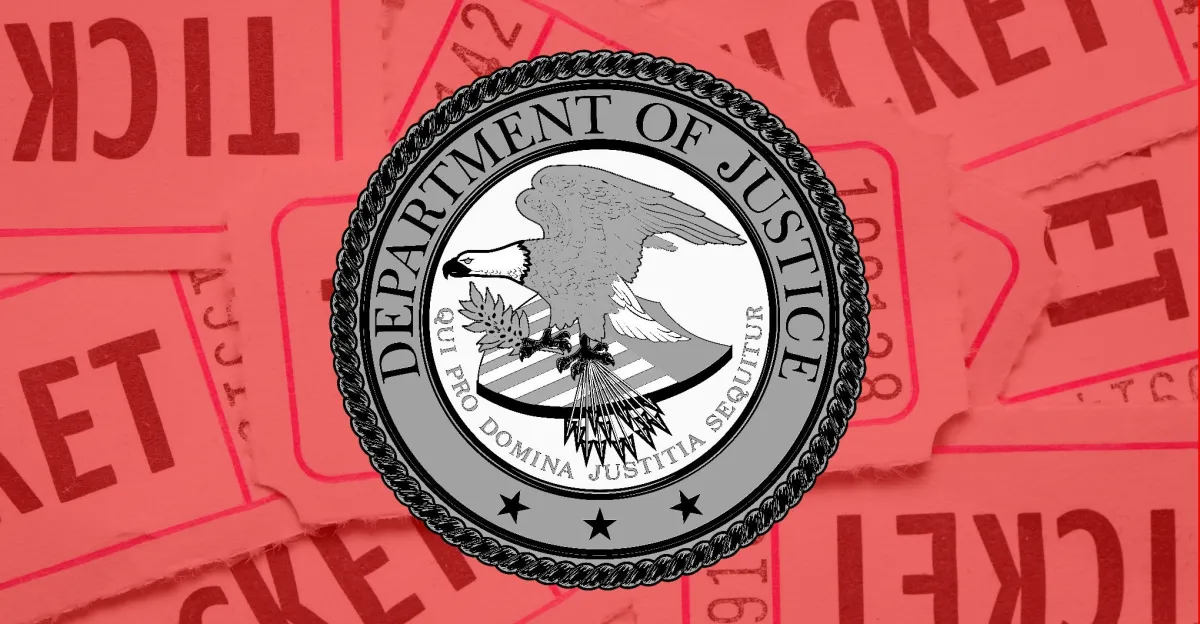
Is Trump’s DOJ about to take on Ticketmaster?

US DOJ Antitrust Division Faces Turmoil Amid Industry Disruption

The recent departure of Gail Slater, head of the Department of Justice’s Antitrust Division, marks a pivotal moment amidst an already ongoing upheaval in the enforcement landscape. Just weeks before a landmark case against Live Nation and Ticketmaster was scheduled to be argued, Slater’s unexpected exit has sparked concerns over the division’s ability to maintain a robust, disruptive stance against monopolistic giants. Critics argue that her apparent disagreement with overarching political and corporate interests had been suppressed, and her departure signals a deeper trend of industry influence over antitrust policymaking. Disruption at the highest levels of federal enforcement could undermine the United States’ capacity to regulate the tech giants and conglomerates that increasingly dominate markets today.

The case against Live Nation-Ticketmaster exemplifies the formidable challenges facing antitrust regulators. Alleging that the firm engaged in anticompetitive practices—such as exclusive contracts, tied-up business models, and threats of financial retaliation—the DOJ and 40 state attorneys general aim to dismantle what many see as a monopoly built on exclusionary tactics. However, the company contends that such claims are “ignoring reality,” asserting that higher ticket prices are driven by broader consumer demand and market shifts. This ongoing dispute underscores a larger trend: entrenched corporations are leveraging complex legal and political networks to shape regulatory outcomes in their favor, threatening to diminish market competition and consumer choice. The implications are notable: if government enforcement wavers, the market could see a wave of consolidation, limiting innovation and enabling further orchestrated market disruption.

Amid this turbulence, voice-from-the-field insights point to a pattern of strategic lobbying infiltrating enforcement agencies. Leaked reports indicate that lobbyists close to political figures and corporate interests are actively influencing antitrust proceedings. For example, Mike Davis, a known Trump associate involved with HPE-Juniper Networking deal, is now reportedly linked to Live Nation. Such ties raise red flags over the impartiality of enforcement decisions at a critical juncture for innovation-driven industries. Experts like Peter Thiel and institutions such as MIT warn that without vigilant oversight, the power of big tech and monopolist corporations will only intensify, marginalizing emerging competitors and stifling disruptive innovation.

Meanwhile, the leadership shift within the DOJ’s Antitrust Division to Omeed Assefi, who vows to uphold a tougher, trial-focused agenda, signals a potential counterbalance. Assefi’s stance—favoring vigorous enforcement over settlement—echoes calls from industry watchdogs and think tanks emphasizing that “settling cases for monetary penalties” is insufficient deterrence in today’s fast-moving markets. Yet, the shadow of political interference and corporate lobbying continues to cast doubt on whether the US government can truly embody an aggressive force capable of fostering innovation, competition, and consumer welfare. The high-profile collapse of Slater’s legacy within the agency exemplifies the precarious relationship between policy and power in America’s market landscape.

Looking ahead, the dynamic interplay of legal, political, and technological currents points to an urgent need for renewed vigilance. In a landscape where corporations increasingly blur the lines of influence, the future of innovation depends on a firm, principled approach to regulation—one that can withstand pressure from vested interests and empower disruptors to challenge entrenched giants. As regulatory scrutiny intensifies, the momentum toward breaking up monopolies and creating fairer markets becomes more than policy—it becomes a defining challenge for the next generation of tech innovators and entrepreneurs. The stakes have never been higher; the future belongs to those who dare to disrupt the status quo, harnessing transparency, accountability, and technological ingenuity to forge a competitive, consumer-centric economy.

Project 2025: The blueprint from Venezuela to immigration shaping Trump's next move
Project 2025: The blueprint from Venezuela to immigration shaping Trump’s next move

America’s Bold Pivot: A New Chapter in Global Power Dynamics

The recent assertion by White House spokesman Davis Ingle underscores a narrative that President Donald Trump has fundamentally reshaped America’s position on the world stage over the past year. According to Ingle, the administration’s efforts have not only fortified the nation internally but have also elevated the United States to an unparalleled level of influence and economic strength. These claims highlight a strategic shift rooted in a focus on sovereignty, economic nationalism, and a reassertion of American priorities amidst a rapidly evolving global landscape.

Significant policy moves, including the securing of the border, historic tax reforms targeted at the middle class, and an influx of trillions of dollars in foreign investments, have energized critics and supporters alike. However, the true geopolitical impact extends beyond economics. It signals a decisive move away from globalist policies favoring multilateral agreements, towards an America-centric approach. As many analysts suggest, this transition could redefine international alliances, with ripple effects on trade agreements, security alliances, and diplomatic priorities across continents.

  • Border security efforts aim to curb illegal crossings and affirm national sovereignty amid increasing migration pressures.
  • Tax cuts are designed to stimulate domestic investment, employment, and innovation, fostering a resilient economy with global implications.
  • Foreign investments have surged as foreign nations and corporations see America as a safe haven and hub for future growth, further empowering U.S. global influence.

However, this strategic realignment raises fundamental questions about the future of international diplomacy. Critics warn that turning inward could diminish existing cooperative efforts like the Paris Agreement or WHO collaborations, and spark a recalibration of alliances such as NATO. Conversely, supporters argue that a restored sense of national pride and economic independence will enable America to lead more effectively in addressing transnational issues — a sentiment echoed by historians like Dr. James Roebuck, who caution that the global stage is in flux and that leadership is as much about resilience as cooperation.

Globally, this shift has caused concern in regions like Europe and Asia, where longstanding alliances are tested against the backdrop of America’s newfound assertiveness. Trade tensions and strategic realignments threaten to redefine geopolitical boundaries, resemble a new Cold War landscape where economic strength and diplomatic defiance become the core currencies of power. The decisions made today will shape our collective future, echoing through generations of nations seeking stability and prosperity amid upheaval.

In the shadow of these transformations, the question remains: will this new era herald renewed strength and clarity for the United States, or will it ignite conflicts that threaten global stability? As historians and analysts watch closely, the weight of history presses down, hinting that the coming years will determine whether this chapter of decisive action will carve a legacy of sovereignty and resilience — or sow chaos in a world still teetering on the edge of transformation. The story of our time is still being written, and the future remains unwritten, hanging in the balance of choices made today.

Trump’s new tariffs: What’s coming and how it will impact the future

Supreme Court Ruling Sparks International Debate Over Tariff Refunds and Economic Sovereignty

The recent decision by the Supreme Court has sent shockwaves across national and international economic spheres, igniting debates over the legality and repercussions of unlawful tariffs. The ruling centers on whether consumers and businesses affected by these tariffs are entitled to refunds—an issue that, while seemingly domestic in scope, echoes broader questions of economic sovereignty and international trade compliance. Analysts argue that this decision could set a precedent, impacting not only domestic trade policies but also challenging the authority of global economic governance institutions such as the World Trade Organization (WTO).

This pivotal ruling arrives at a tense crossroads where national courts intersect with the global economic order. Legal experts highlight how historic tariff disputes have often tested the limits of sovereignty and compliance. Now, the question of refunds over unlawfully imposed tariffs brings into sharp relief the crisis of trust between states and international institutions. Countries that have traditionally relied on tariff measures to protect domestic industries now face the potential backlash of unrecoverable costs, fostering concerns of a “clash of legal frameworks.” For instance, the United States, under the current administration, has frequently utilized tariffs as leverage in trade negotiations, but this decision may limit future flexibility.

International organizations and economists have expressed concern about the wider geopolitical consequences of this decision. The International Monetary Fund (IMF) and World Trade Organization warn that unpredictable legal outcomes threaten to destabilize global markets and undermine longstanding trade agreements. Several trade analysts suggest that broader repercussions may include the erosion of rules-based international trade system, particularly if nations begin to interpret judicial rulings as license to bypass international standards. The European Union, for instance, scrutinizes the ruling as a catalyst for potential retaliatory measures that could escalate into trade conflicts, further fracturing a delicate global economic balance.

The stakes are further heightened by historical perspectives. Renowned economic historian Dr. Anne Williamson notes that tariff disputes have historically been catalysts for major international crises. “When legal frameworks falter, and countries feel empowered to disregard international agreements, the risk of geopolitical instability soars,” she emphasizes. Similarly, United Nations’ officials warn that disregarding rulings and refund rights could undermine efforts to foster international cooperation and economic justice, pushing more nations toward unilateralism and protectionist policies. These developments threaten to reshape the global economic landscape—an arena where power struggles and national interests increasingly overshadow multilateral efforts.

As the world watches, the Supreme Court‘s decision underscores a critical juncture in geopolitical history. It propels the international community into a period of uncertainty and recalibration—where the borderlines of sovereignty, law, and economic stability are continuously redrawn. With each legal precedent and policy shift, nations edge closer to a new era—one fraught with the dangers of fragmentation and the loss of shared mechanisms that once upheld global order. As history continues to unfold, the weight of this decision may be remembered as a turning point—a moment when the delicate balance between national sovereignty and international cooperation was forever altered. The future remains unwritten, yet the echoes of today’s choices will resonate for generations to come.

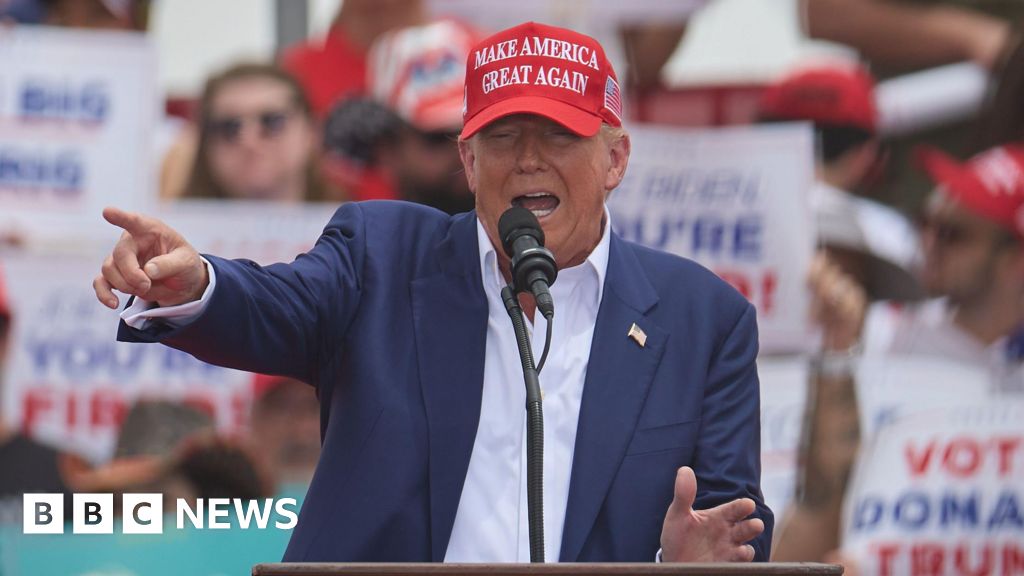
Tariffs Ruling Deals Blow to Trump's Second-Term Plans
Tariffs Ruling Deals Blow to Trump’s Second-Term Plans

Recent developments in the United States judicial system have sent ripples through the international arena. According to renowned analyst Anthony Zurcher, the Supreme Court has taken measures that significantly diminish former President Trump’s capacity to negotiate and enforce international policies. This judicial pivot marks a critical juncture in US foreign policy, with potential consequences that extend well beyond American borders.

The core issue centers on the Supreme Court’s ruling which effectively constrains the executive branch’s ability to unilaterally engage in certain internationally oriented actions. Historically, US presidents have wielded wide-ranging authority in international diplomacy, often bypassing legislative hurdles through executive directives. However, recent rulings illustrate a shift towards judicial limitation, signaling a more cautious approach to executive power in global affairs. Experts and international organizations, such as the Council on Foreign Relations and the Brookings Institution, have expressed concern that this judicial stance could weaken the United States’ ability to project influence, negotiate treaties, or respond swiftly to global crises.

This legal development carries weighty geopolitical impact. As Washington grapples with domestic legal restrictions, allies and adversaries alike are reassessing the US’s reliability as a diplomatic partner. Countries like Russia and China view this as a signal of internal division, potentially emboldening their own strategic ambitions. Meanwhile, longstanding allies, especially in Europe, are watching these legal shifts closely, considering how forthcoming US actions—laden with legal uncertainty—will influence NATO and broader security arrangements. It is widely recognized among international analysts that legal constraints on unilateral action could inhibit the US from effectively countering rising threats like cyber-attacks, territorial disputes, and emerging military conflicts.

Adding to the complexity, historians caution that this judicial curtailing of executive power echoes a broader trend of institutional checks against prominent leaders, reflecting a delicate balance that has historically defined American democracy. Yet, some see it as a necessary correction to overreach, signaling a maturation of the US legal-institutional fabric. Nonetheless, the decision’s ripple effects may influence future administrations’ capacity to navigate the ever-changing web of international relations, for better or worse. As the world’s attention turns to these unfolding legal and diplomatic shifts, the question remains: what future will this new legal landscape carve in the annals of history?

In the shadow of these pivotal changes, the world holds its breath. The world’s nations, watching as the balance of power teeters on the knife’s edge of legal and political currents, are forced to ask: who will shape the future of global order—nation-states constrained or leadership unleashed? As history continues to write its complex narrative, one thing is certain: the impacts of this judicial decision will resonate across continents, affecting societies, economies, and the very fabric of international relations for generations to come.

Trump’s Peace Council members commit $7bn for Gaza aid—big move for peace-minded youth

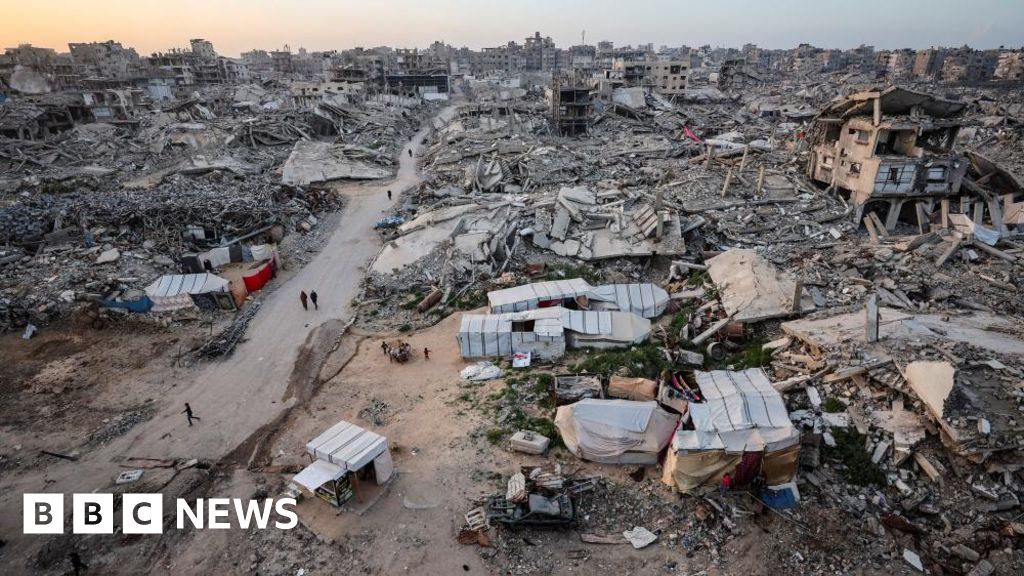
In a statement that has sent ripples through international diplomatic circles, former U.S. President Donald Trump recently expressed a cautiously optimistic outlook, suggesting that Hamas might disarm. His remark came amidst growing concerns over the group’s apparent resurgence in the Gaza Strip, despite pervasive international efforts aimed at curbing the militant organization’s influence. While Trump’s comment appears to signal a potential de-escalation, recent signs point toward a more complex reality on the ground, where Hamas is undoubtedly regrouping, testing the limits of peace and undermining longstanding efforts toward stability in the region.

According to analysts, Trump’s assessment, while optimistic, does little to account for the recent evidence of Hamas’s resilience and strategic realignments. Intelligence reports and on-the-ground observations reveal that the militant organization is actively rearming, recruiting, and consolidating influence among local populations. This resurgence challenges the narrative of an imminent disarmament and underscores the intricate power struggles shaping the geopolitics of the Middle East. Experts from institutions such as the Council on Foreign Relations and the Middle East Institute warn that disregarding these signs of regrouping could result in renewed violence, destabilizing an already fragile region. The international community remains divided over how to approach this volatile equation, with some advocates emphasizing diplomatic engagement, while others urge a firmer stance against militant regrouping.

Such developments carry profound geopolitical implications. Decisions made at the highest levels of diplomacy will resonate across nations, influencing regional alliances, economic stability, and the future of peace negotiations. The Biden administration, along with allies in Europe and the Middle East, faces mounting pressure to reassess their strategies. Historically, efforts to suppress militant movements have often been sidetracked by internal political divides and shifting alliances. As mentioned by security analysts, this pattern underscores the importance of comprehensive, long-term approaches rather than temporary tactical victories. Meanwhile, the United Nations continues to call for de-escalation, but critics argue that such calls lack the enforcement power necessary to curb militant encroachment.

In the backdrop of these developments, the narrative of Middle Eastern conflict remains as complex and treacherous as ever. The implications extend far beyond regional borders, affecting global security and economic interests. The United States, in particular, finds itself again at a crossroads, weighing whether to double down on military support or renew diplomatic efforts. As history has demonstrated, symbols and statements carry weight, but it is the tangible actions—those taken in corridors of power and on the battlefield—that ultimately shape the course of future generations. The world watches with bated breath, aware that the unfolding story in the Middle East is not merely a regional conflict but a pivotal chapter in the larger narrative of global stability, where alliances are tested and the faint hope of peace remains an elusive, yet fervently pursued, beacon amidst the chaos. For in the game of nations, history is written not in words but in deeds—and every move now could echo for generations to come.

Social Media Auto Publish Powered By : XYZScripts.com