Matox News

Truth Over Trends, always!

Key insights on Ohio and Indiana primaries this Tuesday for young voters

This Tuesday marks a critical juncture in the ongoing contest for America’s conservative future, as voters in Ohio and Indiana head to the polls. These primary elections are more than routine exercises in democracy; they are a battleground where the destiny of policy direction and ideological dominance hinges on the decisions made today. In Ohio, residents are selecting candidates for Senate, House, and gubernatorial offices, while Hoosiers are focused on House and state-level races. These elections serve as a vivid demonstration of the resurgence of grassroots populism and strategic recalibration within the republican ranks.

Historically, primary elections have often foreshadowed the ideological shifts that come to define national politics. This cycle is no different. In Ohio, the race for Senate has become emblematic of the power struggles within the GOP—where establishment figures contend with insurgent candidacies fueled by conservative populist energies. The outcome will inevitably determine if the state’s political apparatus continues its traditional trajectory or embraces a more confrontational, America-first approach. Similarly, in Indiana, the emphasis on state assembly and legislative control signals a broader strategy to shape policy at the ground level, positioning the party for a push against perceived federal overreach. These contests are not just about local leadership; they are about dictating the tone and direction of the national conservative revival.

Commentators and constitutional experts see these elections as a testing ground for how political decisions influence everyday Americans. The stakes extend beyond simple ballot counts; they are about who controls the narrative of liberty, sovereignty, and economic independence. As historian and political theorist Carl Schmitt argued, power struggles within political institutions reveal much about the underlying sovereignty—the ability of a nation to determine its own future. When voters engage in these primaries, they’re participating in a decisive clashing of visions: one that could reinforce the status quo or pivot toward a revolutionary redefinition of governance rooted in the principles of limited government and individual freedoms.

  • Candidates promising to uphold constitutional principles and resist federal encroachment are appealing to disenfranchised voters craving authenticity in leadership.
  • Campaign promises to bolster national security and restore economic sovereignty resonate in states where unchecked bureaucracy and globalist policies have left many citizens disillusioned.
  • Power dynamics between establishment party insiders and populist insurgents spotlight an ongoing struggle for control within the GOP—a reflection of wider fears about losing political integrity to technocratic elites.

Throughout history, electoral battles such as these carry echoes of profound constitutional conflicts—where the very idea of sovereign authority teeters on the edge of transformation. Just as the Federalist and Anti-Federalist debates once defined America’s constitutional fabric, today’s primary contests serve as a modern iteration. They challenge the foundations of representative democracy, confronting the question:

As the nation stands on the cusp of these pivotal elections, one truth persists: politics remains the arena where the future is etched with resolute clarity—where leaders are forged and ideologies are set in stone. Yet amid the fervor lies an immutable reality—the decisions made in Ohio and Indiana will ripple outward, shaping not only policy but the very fabric of American identity and sovereignty for generations to come. The stage is set, the actors are primed, and history waits for those who dare to claim their place in the chronicles of destiny.

Tuesday Briefing: How AI Facial Recognition in Police Can Help — and Hurt

In recent months, international headlines have illuminated a world on the brink of transformative shifts, driven by both emerging technological capabilities and volatile geopolitical tensions. The deployment of facial recognition across the UK exemplifies how technological advancements are rapidly outpacing the existing regulatory frameworks. Authorities are increasingly deploying live surveillance systems—not just for crime prevention but under the guise of national security—which fosters concern among analysts about civil liberties. As Robert Booth, Guardian’s UK technology editor, notes, “The pace of adoption is outstripping safeguards,” highlighting the risk of widespread unchecked surveillance and the creeping erosion of privacy rights. This phenomenon, escalating at an exponential rate within Britain, foreshadows a broader international trend where technology is reshaping societal norms and power dynamics.

Simultaneously, the Middle East remains a focal point of confrontation and peril. Donald Trump‘s recent threats to Iran, threatening “to blow it off the face of the earth” if its forces attack US vessels, amplify the mounting regional tensions. Such inflammatory rhetoric from Washington echoes historic patterns of interventionism that risk igniting a larger conflict, potentially drawing in Russia and China into a broader confrontation. Meanwhile, Iran’s leaders have issued warnings against U.S. military incursion, exemplified by their recent drone launches at the UAE. The United Nations and international security analysts warn that unresolved security dilemmas in the region could escalate into a full-scale conflict, compromising not just regional stability but challenging the global balance of power. The confluence of aggressive posturing and strategic miscalculations highlights how fragile the current peace remains—the very fabric of diplomacy is being tested in real time.

Furthermore, the European continent is witnessing a strategic balancing act. As Keir Starmer urges the European Political Community to confront tensions with the United States, the continent remains caught between transatlantic allegiances and its own sovereignty. Discussions around Ukraine’s future and the EU’s financial aid schemes are not merely policy debates—they are battlefronts for influence and control. The decision to engage or oppose US-led initiatives has profound geopolitical impact—shaping alliances, military commitments, and economic stability. Diplomats and analysts warn that failure to assert European independence could lead to a diminished role for EU nations in global affairs, undermining their strategic autonomy. The choices made today will reverberate across generations, determining whether Europe remains a unified political force or a pawns in larger global chess matches.

At the same time, Britain confronts internal turmoil—its political leaders and societal debates echo the larger contest of values. In the UK, rising antisemitism requires a nuanced mixture of action and acknowledgment, as Keir Starmer advocates for a society that actively opposes hatred. While some believe in a “nothing to hide” approach to surveillance, the broader societal concern lies in the cumulative effects of being constantly monitored—an issue that transcends Britain and resonates worldwide. The very fabric of democratic societies is being tested by the dual forces of technological innovation and rising societal discord, with governments tasked with safeguarding rights amidst rapid change.

Historically, these shifts reflect a recurring narrative—nations adapting to new realities with often unpredictable consequences. Historians warn that the current confluence of technological, military, and societal upheaval may be the prelude to a new epoch in geopolitics. As decisions made today unfold in tomorrow’s history books, the world remains at a pivotal juncture. The question is whether humanity can reconcile the pursuit of innovation with the need for restraint—and whether the lessons of the past can serve as guiding beacons amid a turbulent future. One misstep, one ignited conflict, or unchecked technological excess could mark the beginning of an era where the archaic forces of power threaten to drown the promise of progress, leaving history to judge whether humanity learned too late or rose resilient above its trials.

Tuesday Brief: Epstein Survivors Share Their ‘ Life-Shattering’ Stories

International Spotlight: Unveiling Power, Corruption, and the Shifting Balance of Global Influence

Recent high-profile releases of sealed documents related to the notorious Jeffrey Epstein case have cast a revealing light on a shadowy network of elite enablers interconnected with some of the world’s most influential figures. These disclosures, elicited by persistent investigative journalism and legal pursuits, expose a sprawling web of corruption, entrenching questions about systemic accountability among powerful governments, banking institutions, and international law enforcement agencies. While the headlines focus on the wealth of salacious details—names of politicians, entrepreneurs, and even royal connections—the deeper geopolitical impact underscores how intertwined privilege, entitlement, and impunity genuinely are in shaping global stability.

The revelations serve as a stark reminder that justice, particularly against the backdrop of international elites, often operates at a snail’s pace, favoring public relations over real accountability. As the US Department of Justice indicates, the release of these files is unlikely to yield new prosecutions—highlighting a troubling disparity between appearance and reality. Experts, including prominent historians and legal analysts, warn that this pattern of delayed responses and redacted information fosters a sense of ongoing injustice among victims, many of whom have faced systemic neglect and retraumatization. This systemic failure not only tarnishes the credibility of the US legal system but also signals an erosion of the rule of law, especially when powerful figures seem to skate free while vulnerable victims are left in the shadows.

In London and across Europe, political figures like Peter Mandelson face scrutiny over alleged leaks linked to Epstein, raising questions about the depths of diplomatic and financial corruption—ranging from market-sensitive information leaks to shady dealings with figures connected to the scandal. Media outlets such as The Guardian, Mail, and The Times report that investigations into Mandelson’s conduct are intensifying, reflecting a broader international effort to confront the entrenched networks enabling these high-stakes abuses. Such developments underscore a vital geopolitical impact: individuals operating at the highest echelons of power are shielded not merely by legal loopholes but also by the tacit support of institutional elites. This “elite protection” threatens to destabilize societal trust and fuels populist upsurges that demand transparency and justice.

Meanwhile, global institutions such as the European Union face their own crises, with a recent report declaring that EU’s renewable energy goals for 2030 are “out of reach”, exposing possible failures in governance and domestic policy execution. This reflects a broader concern about how international commitments often clash with national interests, especially when economic or political gains are prioritized over environmental and social stability. Analysts warn that these systemic vulnerabilities could diminish the EU’s global standing economically and politically—potentially ceding ground to emerging powers, notably China. As international power shifts decisively, the global balance of influence is vulnerable to redefinition, with nation-states and societies caught in the crossfire.

In essence, these interconnected stories serve as chapters in a larger narrative of seismic geopolitical change. The enduring legacy of corruption, the uneven pursuit of justice, and the erosion of institutional integrity symbolize a world grappling with a fundamental question: Who truly holds power, and at what cost to society’s moral fabric? As the threads of history continue to weave together—highlighting the ambitions of those seeking dominance and the resilience of the victims left to pick up the pieces—the weight of tomorrow’s choices looms large. The unfolding drama leaves us with an urgent reminder: the destiny of nations—like the lives fractured by these scandals—remains in flux, hanging precariously on the edge of justice or chaos.

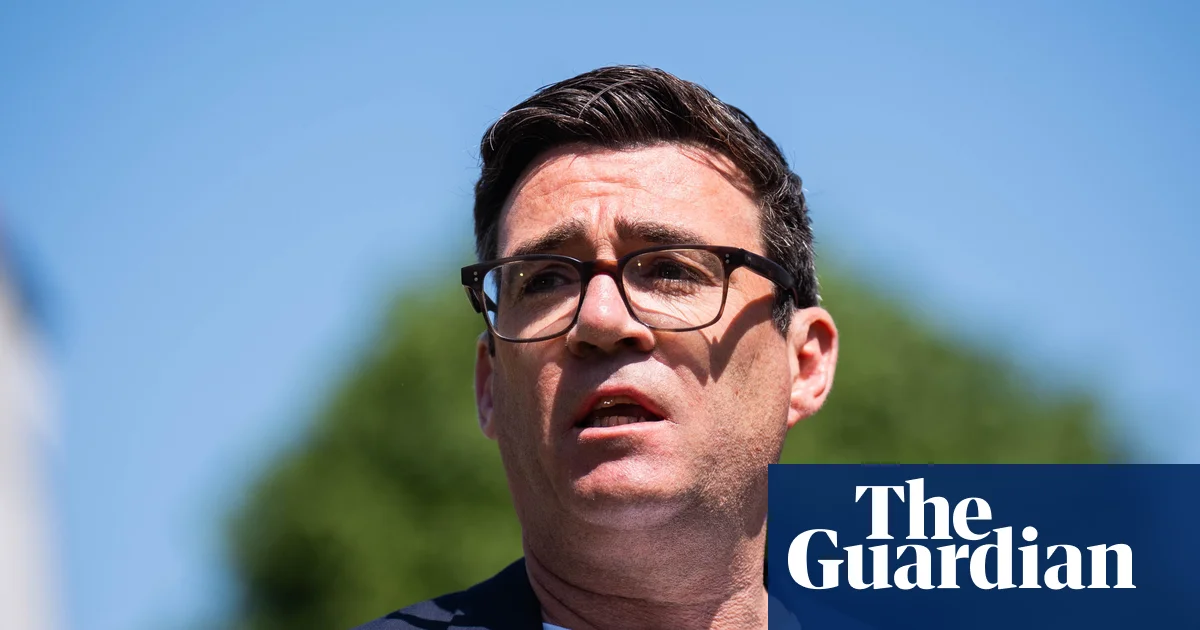
Tuesday Briefing: Labour Bans Burnham — What the ‘King of the North’ Could Do Next

Today’s societal landscape is increasingly marked by divisions that threaten the fabric of families, erode the unity of communities, and challenge the very foundations of our education systems. These social tensions are often driven by political upheavals, demographic shifts, and cultural clashes that leave many feeling uncertain about the future. As prominent social commentators like sociologists and historians observe, these issues are not merely surface-level disagreements but reveal deeper rifts rooted in values, identity, and resource allocation. Consequently, understanding how these issues impact the everyday lives of citizens—especially families—is critical to forging paths toward societal recovery and hope.

Demographic change and societal fragmentation have significantly contributed to strained social cohesion. Urban centers, once melting pots of diverse populations, now face challenges in fostering inclusive environments. The shift away from traditional community bonds has been accelerated by migration, economic disparity, and the decline of local institutions. Families find themselves at the frontline, struggling to maintain stability amid economic insecurities and shifting cultural norms. These pressures have profound implications; children growing up in fractured communities experience less social capital, which impacts their education and future opportunities. As educators and child development experts warn, the erosion of communal support jeopardizes the moral and social fabric necessary for nurturing well-rounded individuals. This neglect of communal bonds, in turn, perpetuates cycles of disadvantage, making societal resilience harder to achieve.

Community institutions — including schools, religious centers, and local councils — have historically played vital roles in maintaining societal equilibrium. However, their capacity is diminishing as social issues deepen. For example, persistent conflicts over cultural identity and political ideology often spill into local settings, creating tensions that threaten to fracture neighborhoods further. Political decisions, such as policies that marginalize or exclude certain groups, exacerbate these divisions. In the realm of education, this manifests as curricula that may no longer reflect shared moral frameworks, leading to a sense of alienation among youth. Educational institutions are expected to be moral compasses, yet their ability to instill a unified sense of purpose is hampered by societal discord. As a result, young people may grow up feeling disconnected from their communities, compounding the social challenges faced by their families and the broader society.

Recognizing these issues, many social commentators and policy-makers advocate for fostering a renewed sense of shared identity and responsibility. Proposed solutions include revitalizing local institutions, promoting civic engagement, and encouraging dialogue across cultural divides. One promising approach emphasizes strengthening families as the primary social units responsible for moral education and social cohesion. Initiatives such as community-based programs, mentorship schemes, and inclusive educational reforms are being championed to rebuild bridges between disparate social groups.

  • Prioritizing family stability and shared values in social policy
  • Investing in local community infrastructure and education
  • Promoting intercultural understanding through dialogue and shared activities
  • Supporting families and communities directly impacted by social fragmentation

The path forward demands a collective effort—an acknowledgment that social harmony rests on the shoulders of families and communities. As social historians suggest, societies that invest in strengthening bonds at the grassroots level are better equipped to navigate and resolve conflicts. For the youth, this contends with the moral imperative of fostering resilience and shared purpose amid chaos. Ultimately, society’s greatest challenge—and its greatest hope—lies in rebuilding trust and unity from the fragments, ensuring that future generations inherit not a broken world, but one capable of renewal and hope. Society’s potential for transformation exists precisely in moments of reflection and concerted action, reminding us that even in division, there is room for unity—an enduring hope that, through collective effort, society can forge a brighter, more inclusive future.

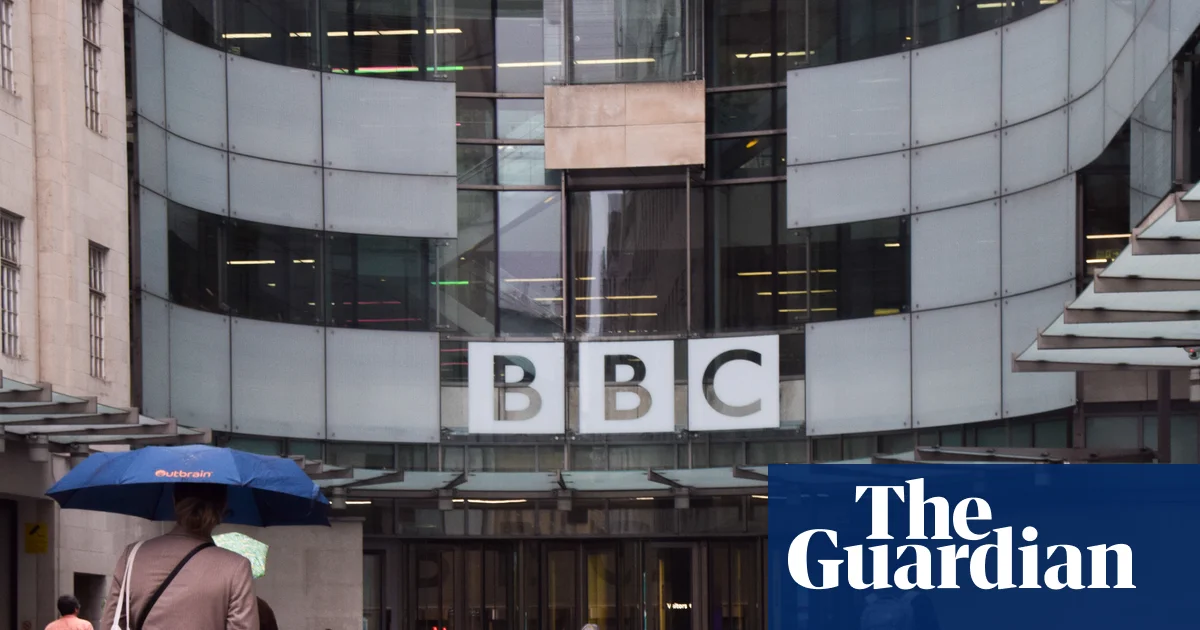
Tuesday Briefing: What the BBC’s Crisis Tells Us About Its Failures — and a Path Forward

The recent upheaval at BBC exemplifies the volatile state of Western democracies grappling with the tensions between political influence and institutional integrity. The resignations of Tim Davie, the director general, and Deborah Turness, head of news, unfold amid a barrage of criticism led by the right-wing press and aligned political figures, especially from Conservative-linked media outlets. This crisis is not merely about journalism; it is emblematic of the broader struggle for who controls the narrative in a society that faces mounting external and internal pressures.

Experts like Michael Savage, a seasoned media analyst, emphasize how this turmoil exposes weaknesses in the *governance* of the BBC. Amid what he describes as an environment of “weak oversight,” a small clique of board members—including Gibb, whose influence has leaned towards the politicization of the corporation—decided to appoint Prescott to a sensitive advisory role. The fallout reveals how internal decisions are increasingly weaponized, reflecting a pattern seen in other major democracies where institutional independence is compromised to suit specific political agendas. As Britain approaches the critical renewal of its public broadcasting charter in 2027, the question emerges: will this revered institution find itself subsumed into the ideological fold of a nation deeply divided?

On the international stage, the United States swiftly introduces a stark new development that has ramifications far beyond the Atlantic. The “impossible job” now facing BBC leadership is paralleled by the impending battle for influence over global narratives. As US President Donald Trump threatens to sue the BBC for over $1 billion, alleging biased coverage—an accusation echoing the broader fight for media dominance—it becomes clear that the confrontation extends beyond mere legal threats. Such threats are a reflection of how hostile the global political environment has become towards independent journalism. Analysts warn that this clash signals a shift in international power dynamics, where information is weaponized as a tool for shaping perceptions and controlling societies.

There is a rising recognition among geopolitical strategists that the battle for the soul of media is integral to national sovereignty. Countries like France confront their own crises; the recent release of former President Nicholas Sarkozy from custody is a stark reminder of how internal political conflicts can reverberate across borders, affecting diplomatic relations. Meanwhile, Brazil’s hosting of the Cop30 climate talks underlines how global consensus on climate change is fractured, with failing national policies blamed for international chaos—famine, conflicts, and the destabilization of vulnerable societies. As world leaders debate and often delay fundamental reforms, the world stands at a crossroads, with decisions made in the coming months likely to influence generations.

The tapestry of these interconnected crises culminates in a stark lesson: as history continues to unfold, the choices made by key nations and institutions will determine whether the principles of free societies persevere or collapse into new forms of authoritarianism. The BBC, a symbol of the enduring power of public service media, finds its very existence challenged by forces seeking to rewrite the narrative for their own gain. And as international tensions escalate—be it legal threats from Trump or ideological assaults on free press—one truth remains: the battle for truth and influence is the battlefield of the 21st century, where the echoes of today’s decisions will resound through the corridors of history, shaping the destiny of societies yet to come.

Social Media Auto Publish Powered By : XYZScripts.com