Matox News

Truth Over Trends, always!

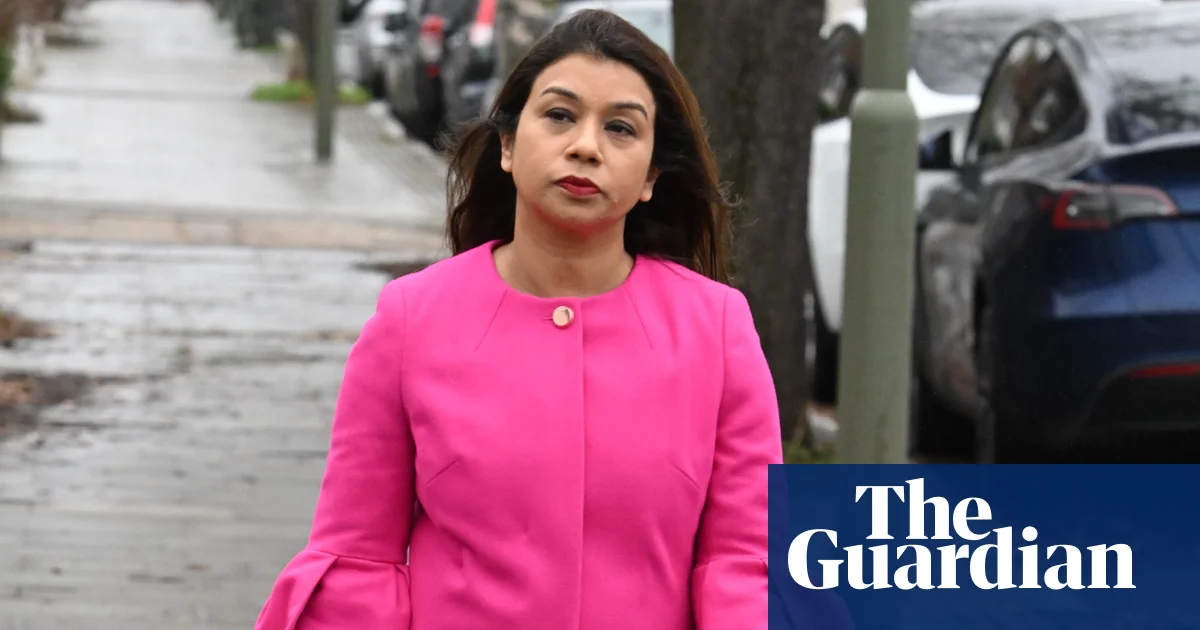
Bangladesh Court Sentences UK MP Tulip Siddiq to Two Years in Absentia

Bangladesh’s Political Turmoil Sends Shockwaves Through the International Arena

In a development that underscores the fragile balance of geopolitical stability, Bangladesh recently made international headlines with the sentencing of British MP Tulip Siddiq to two years in prison. This verdict is not merely a domestic legal matter; it signals deeper undercurrents of political vendettas, corruption accusations, and regional power struggles. The case reveals how East Asian politics intertwine with Western foreign policy, impacting international perceptions of justice, sovereignty, and intervention. Siddiq, a prominent figure in the UK Parliament representing Hampstead and Highgate, was convicted in absentia on charges linked to alleged land deals involving her family and Sheikh Hasina, the deposed prime minister. Her conviction, seen by many analysts as politically motivated, echoes Africa, Asia, and beyond—the rise of judicial regimes used as instruments for power consolidations.

The trial of Siddiq, alongside the recent convictions of Hasina herself for crimes against humanity, reveals a broader crackdown by an interim government led by Nobel laureate Muhammad Yunus. Following Hasina’s ouster in August 2024, Bangladesh has entered a phase where justice and political purity have become tools for reshaping the nation’s identity and regional alliances. Critics argue that these trials are fraught with accusations of * injustice, lack of due process,* and a blatant attempt to consolidate power amid public unrest. Major international organizations, along with legal scholars, are warning that such proceedings threaten to turn Bangladesh into a legal battleground—one where justice is weaponized to silence political opponents. Historical figures such as Amnesty International and regional analysts have described these moves as a shift toward authoritarianism masked as accountability, with lasting impacts on the rule of law in South Asia.

Moreover, the *geopolitical impact* of Bangladesh’s internal crisis is far-reaching. As the country grapples with political instability, neighboring India and regional rivals are carefully observing the unfolding drama, wary of spillover effects. The Western world, particularly Britain and the United States, is watching closely, especially concerning the potential destabilization of a key ally in South Asia. This episode acts as a reminder that regional power struggles and external interests often exploit internal fractures for geopolitical advantage—be it from China’s Belt and Road ambitions or Western strategic interests. Analysts warn that the fallout from Bangladesh’s judiciary, intertwined with its regional and international relations, could influence global commerce, security alliances, and diplomatic balances for years to come.

As history writes its next chapter beneath the shadows of political unrest and judicial crackdowns, the agonizing question remains: How will this turbulent chapter shape the future of democracy, sovereignty, and justice in South Asia and beyond? With the weight of history pressing down, the world watches as Bangladesh’s leaders, judiciary, and international allies navigate a future where the lines between justice and power are perilously blurred. The unfolding saga acts as a stark reminder that even in the face of national upheaval, the course of history is often driven by decisions made in courtrooms and diplomatic corridors—decisions that will resonate across generations, shaping the destiny of a nation and its role on the world stage.


Tulip Siddiq MP handed jail sentence in Bangladesh amid unresolved legal issues

International Impact of Bangladesh’s Political Crackdown: A Warning to Global Power Dynamics

Recent developments in Bangladesh’s political climate have sent shockwaves through the international community, highlighting a rising trend of judicial activism intertwined with political persecution. Sedition, corruption, and influence-peddling allegations have led to the sentencing of prominent opposition figures and politicians, including Labour MP Tulip Siddiq, whose case underscores the complexity of justice and governance in a nation where the rule of law is increasingly under threat. Siddiq’s conviction—two years in prison and a fine—follows a highly politicized trial in Dhaka, where scrutiny from international legal experts and former officials has raised questions over the fairness and transparency of the proceedings.

This case is emblematic of a broader pattern in South Asia, where authorities have launched sweeping legal actions against former leaders, their families, and political opponents, often in the wake of regime changes. The former Prime Minister Sheikh Hasina now faces a death sentence for her alleged role in a brutal crackdown, with her conviction occurring in absentia—a move that, critics say, further consolidates the government’s power while undermining international standards of justice. According to numerous analysts, including members of the United Nations and prominent legal voices in the UK, such proceedings often lack due process, serving as tools to marginalize opposition rather than seek truth. The ramifications extend beyond Bangladesh, threatening regional stability and raising alarms over similar tactics potentially spilling over into other fragile democracies.

Historically, India, Myanmar, and other neighboring nations have demonstrated how judicially driven political purges can destabilize societies and diminish citizens’ trust in institutions. The recent crackdown on Hasina’s regime has unleashed a wave of concern regarding the erosion of democratic principles. The international community, including India and Western democracies, remains divided over how best to respond, balancing calls for justice with warnings about instrumentalization of legal systems for political ends. Analysts warn that if this pattern persists, it could further weaken Bangladesh’s nascent democratic institutions and entrench authoritarian tendencies under the guise of combating corruption. The case notably questions the integrity of the judicial process and reflects a broader geopolitical struggle—where regional influence is contested by global powers eager to shape Bangladesh’s future.

Implications for Global Diplomacy and Future Stability

The diplomatic fallout from Bangladesh’s judicial actions has potential reverberations across the international stage. The UK and European Union have expressed concern over the fairness of Siddiq’s trial, prompting debates over international standards of justice and the limits of national sovereignty. Interestingly, while Siddiq’s case highlights the challenges faced by foreign nationals entangled in foreign legal systems, it also underscores the fragile nature of international alliances based on shared democratic values. The fact that the UK does not have an extradition treaty with Bangladesh complicates efforts for legal accountability but does not diminish the importance of global scrutiny in protecting political dissidents from potential abuses.

Some international legal experts argue that the unfolding developments serve as a stark warning—how alliances are tested when national interests clash with human rights considerations. The ongoing political turbulence acts as a catalyst for further geopolitical contests in the region; nations keen on expanding influence may utilize or oppose such legal proceedings as leverage to sway regional balances. How the international community responds—either by backing democratic norms or turning a blind eye—could define the future of political stability in South Asia and influence global perceptions of justice and sovereignty. As Bangladesh navigates this turbulent period, the world watches with anticipation, bearing witness to a chapter that could either cement its democratic resilience or serve as a cautionary tale of power abuse under the veneer of legal reform.

In the shadow of these upheavals, the weight of history remains heavy: the unfolding saga in Bangladesh is a stark reminder that the pages of our shared story are being written not only through elections and treaties but through the silent, often unseen, battle for the soul of justice itself. As international observers debate the legitimacy of these trials, the true question persists—how long can a society sustain its legitimacy when justice is weaponized for political gain? This is a question whose answer could shape the course of democracy, stability, and human rights for decades to come.

Social Media Auto Publish Powered By : XYZScripts.com


