

Pinterest’s New Feature Empowers Users to Tweak AI Influence on Visual Discovery
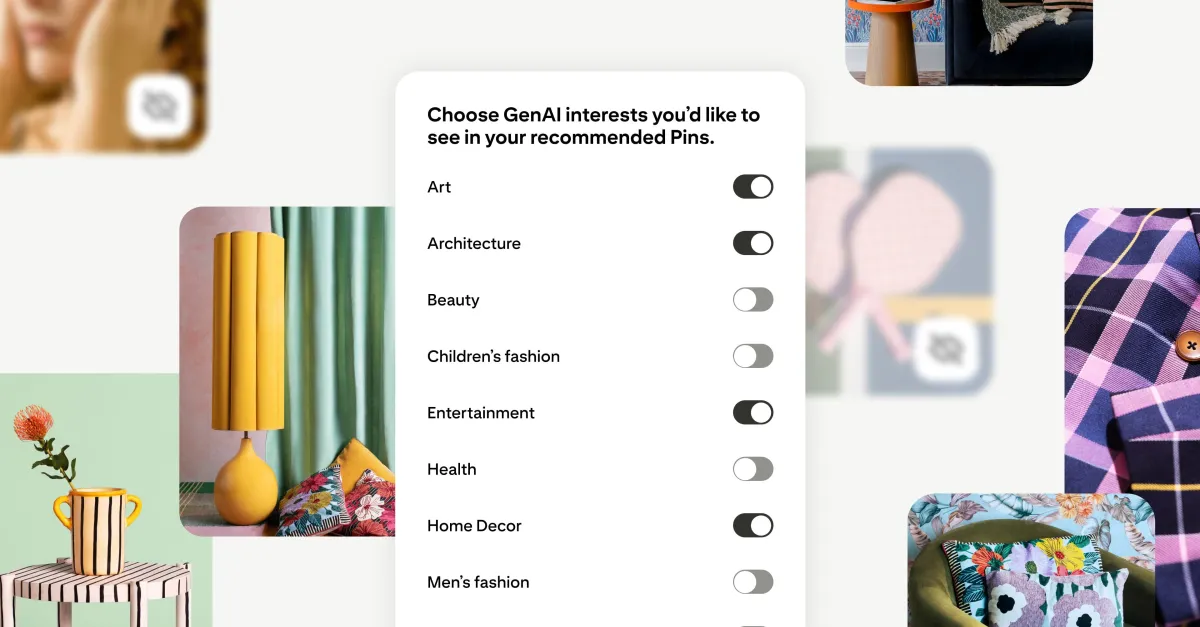
In a move reflecting the rapid evolution of artificial intelligence within the social media landscape, Pinterest has unveiled a novel tool that enables users to modify the prevalence of AI-generated content in their feeds. Dubbed a “tuner,” this feature offers a meaningful step toward personalized content filtration—a critical innovation amid ongoing debates over the rise of AI-infused media. Available immediately on Android and desktop platforms, with an anticipated rollout to iOS shortly, the feature allows users to fine-tune their experience in key categories such as beauty, art, fashion, and home decor.
This development underscores a broader industry shift—tech companies are increasingly prioritizing user agency over AI-driven algorithms. By placing control in the hands of individual consumers, Pinterest disrupts the standard dynamic where platforms push AI-curated content with minimal transparency. Instead, reflecting insights from institutions like MIT and analysts at Gartner, this approach not only enhances user trust but also positions Pinterest at the forefront of a disruption aimed at neutralizing “AI fatigue” among a digital-savvy generation hungry for authenticity and choice. The “refine your recommendations” setting leverages existing AI detection tools to personalize content, effectively allowing users to cut through the noise of AI-generated imagery.
Moreover, Pinterest has historically grappled with what it terms “AI infestation” — a tongue-in-cheek way to describe the overwhelming influx of AI-generated pins. In May, the company introduced an “AI modified” label, aiming to enhance transparency amid rising concerns about misleading or synthetic visuals. With increased detection and more visible labeling, Pinterest seeks to strike a balance between technological innovation and consumer protection—an approach that echoes calls from Think Tanks and industry experts like Elon Musk, who warn against unchecked AI proliferation. These efforts showcase a larger industry trend: digital platforms recognizing the necessity of integrating AI responsibly to preserve user trust and differentiate themselves in an increasingly crowded marketplace.
The implications for businesses and developers are profound. As the industry shifts towards more user-controlled AI experiences, companies must innovate not only in detection and labeling but also in personalization and transparency. This move towards nuanced content filtering could set a precedent for future AI applications across social media, e-commerce, and entertainment sectors. Early adopters of such controls—particularly younger demographics—may demand a new level of engagement, where technology respects user preferences rather than hidden algorithms dictating discovery. Leaders like Meta and Google are likely to follow suit, embedding similar features that allow for expansive customization, thereby disrupting traditional content recommendation models.
Looking ahead, the future of AI in consumer platforms hinges on balancing disruption with responsibility. Pinterest’s push for user empowerment signals a critical turning point—an industry-wide call for transparency and user-centric design. For technologists, investors, and industry watchers alike, this signals a pressing need for innovation that aligns with growing demands for authenticity and control. As AI continues to evolve at a breakneck pace, the next decade will define the trajectory of how digital experiences are curated—either as tools of manipulation or as repositories of genuine human expression. The urgency is clear: embracing these shifts now will forge the path toward a more transparent, personalized, and ethically grounded digital future.





