Matox News

Truth Over Trends, always!

Monaco Yacht Show Doubles Down: Global Turmoil Can’t Sink the Luxury Wave

Living Large in Monaco: The Resilient Allure of Superyachts

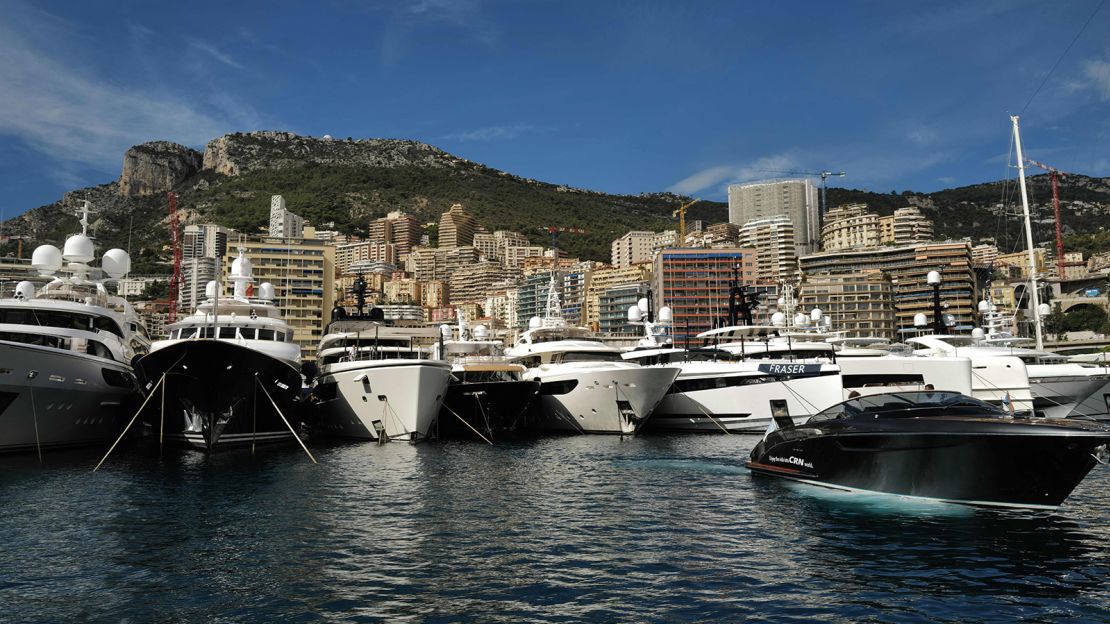
In a world beset by international conflict, rising energy prices, and lingering pandemic uncertainties, one of the most captivating spectacles continues to defy global turmoil: the Monaco Yacht Show. This annual event, held in the glamorous Mediterranean enclave, showcases some of the world’s most extravagant and technologically advanced superyachts ranging up to over 100 meters in length. Despite a backdrop of geopolitical anxiety, the event attracted a record-breaking assembly of luxury vessels, a testament to the resilience and enduring allure of luxury lifestyle.

The Monaco Yacht Show exemplifies how wellness and leisure pursuits remain pillars of personal well-being for the wealthy and aspirational alike. As Johan Pizzardini, the show’s communications head, notes, all of the world’s leading superyacht brands and the latest models were present, including 118 magnificent vessels with a combined value near $3.8 billion. Even amidst economic uncertainty, luxury yacht ordering remains robust, with new entries like the record-breaking AHPO, a 115.1-meter giant from German builder Lürssen, making waves in the industry. The message is clear: for the elite, investment in personal escape—whether by land or sea—continues to be a priority, fostering a culture centered around self-optimization and life’s pleasures.

Emergence of New Buyers and Design Innovations

This year’s event showcased a shift in buyer demographics. Not only seasoned yacht owners but also first-time luxury yacht buyers are making splashes with their debut vessels. New models like the 60-meter Lusine from Dutch shipyard Heesen, which boasts exquisite interiors by Sinot Yacht Architecture, exemplify this trend. Interior design experts such as Ron Holland and Francesco Paszkowski continue to elevate yacht aesthetics, blending functional luxury with cutting-edge sustainability. For many, this pursuit is more than ostentation: it’s about creating personal sanctuaries that promote mental/physical health and inspire.

Innovations like hybrids and eco-conscious propulsion systems reflect a _growing emphasis on environmental responsibility_. Tankoa’s Kinda, with its hybrid engine modes, encapsulates this commitment—combining power, efficiency, and a respect for nature. Such focus aligns with wellness experts advocating for a sustainable lifestyle that harmonizes indulgence with planetary stewardship, showing how luxury can coexist with _\u201cmindful living\u201d_ principles.

Industry Confidence and Investment in Dreamscapes

Despite recent sanctions impacting the Russian superyacht industry, the global order book remains strong. CEOs like Arthur Brouwer of Heesen report record orders, with over 1,000 superyachts under construction worldwide—a 24% increase from the previous year. This surge illustrates a confident market driven by a pandemic-inspired mindset: a desire to seize the moment and embrace personal freedom through luxurious escapism. For many, these vessels are more than assets—they are floating retreats that foster community, rejuvenation, and escape into wellness.

Moreover, the event revealed an ever-expanding array of custom features—from vibrant murals and opulent materials like mother-of-pearl and rare woods, to innovative amenities such as onboard gyms, massage salons, and helipads. These details exemplify how personalized experiences and lifestyle upgrades are shaping a new era of private luxury. Industry leaders emphasize that even in uncertain times, the quest for personal excellence remains a steadfast pursuit, fueling continued shipbuilding and innovation.

This glamorous gathering in Monaco reminds us that lifestyle is an ongoing voyage—a pursuit of balance, beauty, and strength amid the chaos. Like the majestic vessels that glide through azure waters, our own journeys are marked by resilience, innovation, and a relentless pursuit of betterment. In embracing these ideals, we discover that luxury isn’t just about material wealth—it’s about cultivating inner peace and creating spaces where one can truly thrive. As the world sways with uncertainty, the message is clear: through vision, craftsmanship, and a bold yearning for living fully, the journey to personal fulfillment continues unabated.
Tanzania Cancels Independence Day Festivities Amid Election Turmoil

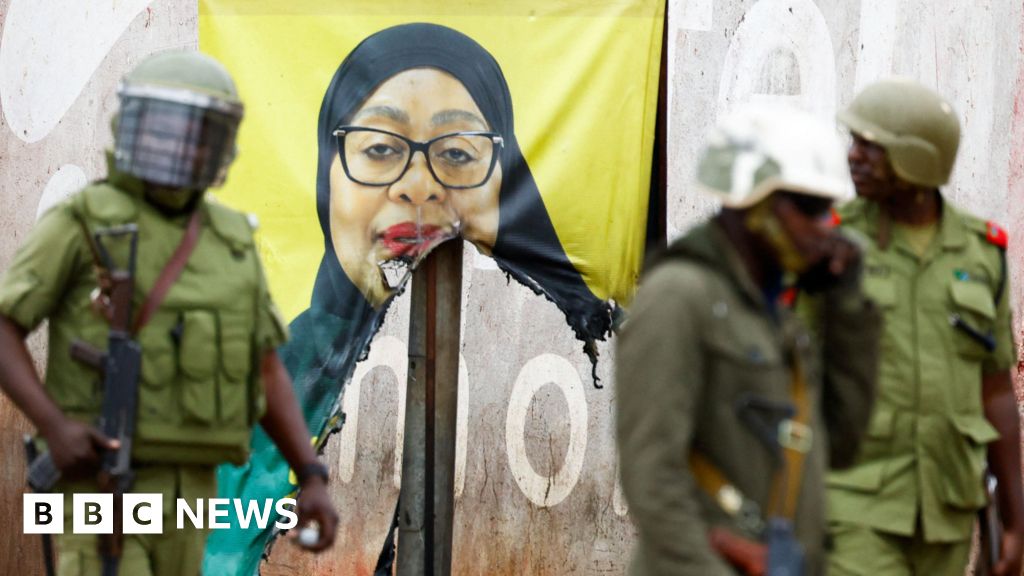
Tanzania has made a controversial decision to cancel its upcoming Independence Day celebrations, redirecting national funds toward rebuilding infrastructure damaged amid recent election unrest. Prime Minister Mwigulu Nchemba announced this shift, emphasizing the government’s focus on internal stability over patriotic festivities. This move underscores the deepening political crisis in East Africa’s second-largest economy and raises questions about how destined to be a model of stability Tanzania is becoming. Nevertheless, international analysts warn that such austerity measures reflect underlying political fractures that threaten both regional and global security.

The backdrop to this decision is a disputed election perceived by many experts as a clear deviation from democratic norms. President Samia Suluhu Hassan secured a landslide victory with 98% of the vote—an outcome widely dismissed by opposition figures as a “mockery of democracy.” Her main rivals were either detained or disqualified, fueling accusations of electoral manipulation. Election observers, including representatives from renowned organizations, pointed to irregularities and a flawed process, suggesting the vote fell short of fair standards. Meanwhile, the government responded with an internet blackout during the vote, and a crackdown on protests, which has resulted in the deaths of hundreds—an assertion still denied by authorities but corroborated by numerous eyewitness reports. The international community watches this unfolding crisis with concern; the African Union and United Nations have urged transparency and dialogue, but the substance of their influence remains uncertain.

Amid these circumstances, the Tanzanian government has sought to reframe its narrative, claiming that the protests and political repression are exaggerated efforts by critics aiming to tarnish national pride. Yet, reports of mass arrests—including charges of treason against at least 240 protesters—along with the perceived erosion of democratic space, serve as stark warnings of how fragile Tanzania’s political fabric has become. Historians and geopolitical analysts alike warn that such internal strife in pivotal regional nations not only impacts national stability but also shifts the global balance of power. Analysts from International Crisis Group emphasize that sustained instability in Tanzania could embolden authoritarian tendencies in similar states and undermine regional cooperation efforts, which are central to Africa’s economic development initiatives.

As President Hassan seeks to navigate this turbulent period, her administration’s push for political dialogue and appeals for national unity appear increasingly symbolic. The decision to halt Independence Day celebrations, a hallmark of national pride, highlights both internal dissension and the potential for long-term consequences on Tanzania’s geopolitical standing. How this crisis unfolds will sculpt the narrative of East Africa’s future: a region caught at the crossroads, where the choices made today will echo through history’s corridors for generations. Making perhaps the most solemn reminder of the weight carried by leaders: in the grand chessboard of international relations, the game is far from over—and the stakes have never been higher.

Macron shakes up leadership, reappoints Lecornu as French PM amidst turmoil

France’s Political Crisis Deepens as Macron Reinstates Lecornu

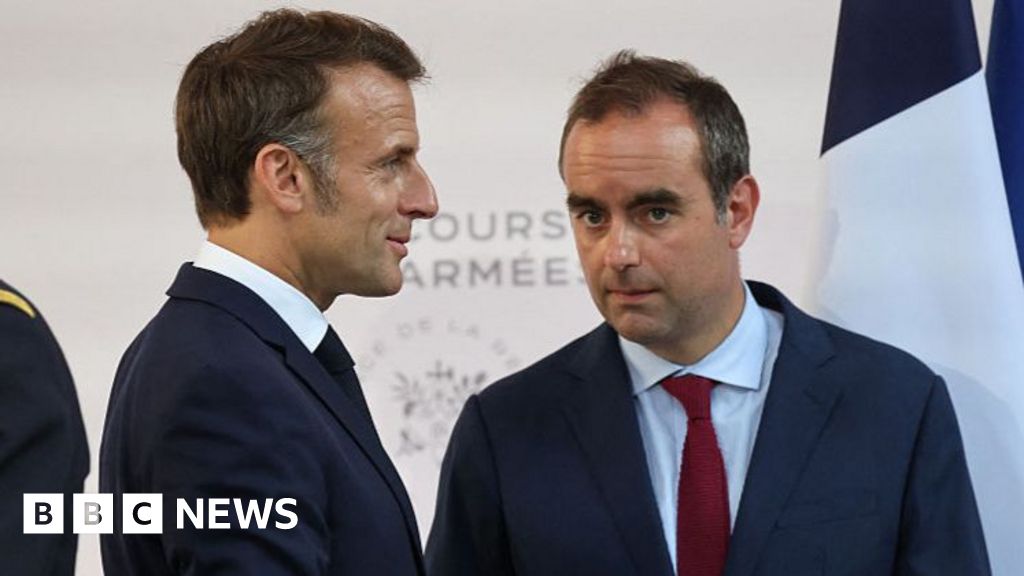
In a move that has stunned political observers across Europe, France is once again plunged into uncertainty after President Emmanuel Macron unexpectedly appointed Sébastien Lecornu as Prime Minister merely days after Lecornu’s resignation. This abrupt reversal highlights the volatile state of French politics, where fiscal austerity measures, societal discontent, and internal divisions threaten to destabilize the Macron presidency. Following an intense week of negotiations and silent power plays, Macron’s decision underscores a broader strategic gamble aimed at stabilizing the government amid record-low approval ratings and escalating economic pressures.

Macron’s maneuvering occurs against a backdrop of profound political division and economic peril. France is confronting a fiscal crisis, with public debt swelling and a burgeoning budget deficit, factors that have brought two of the past three prime ministers to their knees. Historians and financial analysts concur that France’s trajectory toward economic insolvency could threaten the stability of the entire eurozone—challenging not only Paris but also igniting ripple effects across European markets. London-based policy think tanks emphasize that Macron’s choice—giving Lecornu a near-impossible mandate to deliver a 2024 budget in record time—reflects an urgent attempt to stave off economic chaos and buy time in an era of unprecedented fiscal strain.

The international community views Macron’s unpredictable political gambles with cautious concern. According to the International Monetary Fund, “such internal instability risks undermining Europe’s fragile recovery from crisis, with social unrest exacerbated by austerity measures and economic reforms.” Meanwhile, French opposition leaders and the far-right National Rally have already condemned the move as “a bad joke,” warning of forthcoming votes of no confidence that could plunge France further into crisis. Jordan Bardella of the National Rally criticized Macron’s leadership as increasingly “disconnected,” pointing to the president’s record low approval ratings of just 14%—a crisis of legitimacy that threatens to undermine Macron’s authority and embolden radical factions inside France.

While Macron’s allies in the Elysee Palace insist Lecornu’s reappointment signifies a firm resolve to confront France’s fiscal realities, critics argue that such a bold, reckless gamble could backfire, destabilizing the political landscape further. The 18-month window remaining in Macron’s term makes the upcoming parliamentary vote paramount—especially with a fractured National Assembly where Macron’s own party holds no true majority. As Lecornu prepares to face the daunting task of passing next year’s budget, the stakes are clear: France’s future hangs in the balance—a nation grappling with internal discord, economic uncertainty, and political betrayal, all set against the stormy backdrop of Europe’s unfolding crisis.

In this high-stakes game, the shadows of history loom large. The decisions made in the coming days will carve the contours of France’s destiny and, by extension, Europe’s stability. As the nation braces itself for what some analysts describe as a potential turning point, the weight of history presses down—silent yet unyielding—as France teeters on the brink, and the world waits to see what future will be forged in these turbulent times. The unfolding saga of Macron and Lecornu may very well define the next chapter of European history—one marked by resilience, chaos, or profound change.

Social Media Auto Publish Powered By : XYZScripts.com