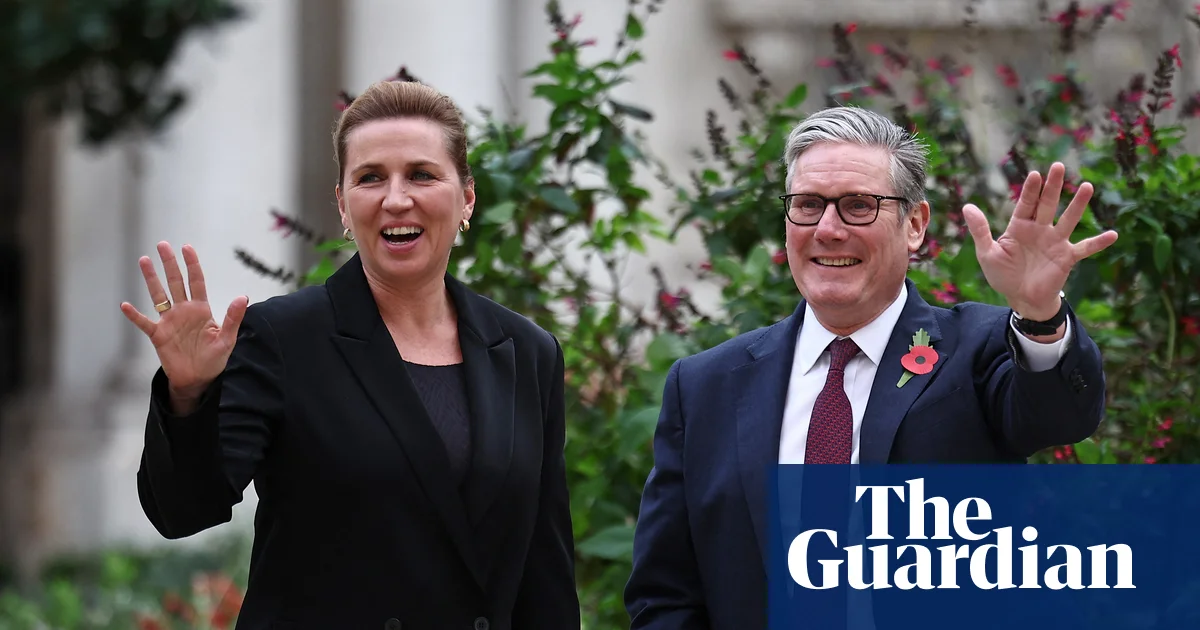

The United Kingdom appears poised to follow the controversial footsteps of Denmark in overhauling its immigration and asylum policies. The imminent announcement by Home Secretary Shabana Mahmood signals a shift towards stringent measures reflecting recent Danish reforms, which have sparked intense debate across Europe. Since 2019, Denmark‘s government, under a center-left banner, has devolved from traditional social democratic ideals to adopt radically restrictive policies, aiming to diminish what they perceive as burdens on their social fabric. This includes not only tightening border controls but also, controversially, bulldozing settlements with high concentrations of residents of “non-western” descent—a move that has polarized both domestic and international opinion.
Major dialogues surrounding Denmark’s approach, as explored in interviews between Helen Pidd and Nilas Heinskou of Politiken, reveal that these policies are rooted in a desire to curb what some officials describe as cultural and social strain. However, critics, including Syrian refugee Agob Yacoub, highlight a disturbing climate of rising racism and Islamophobia embedded within Danish politics since these measures took hold. Analysts warn that such policies risk undermining principles of human rights, prompting international organizations like the European Union to scrutinize these shifts, raising questions about their compatibility with fundamental freedoms and the EU’s commitment to humane treatment and diversity.
The geopolitical impact of these developments extends far beyond Scandinavia. As the UK considers adopting similar approaches, the ramifications could ripple through Europe’s social, political, and security frameworks. Experts such as historians and political analysts argue that these policies reflect a broader trend of nationalist resurgence across Western nations, driven by fears of demographic change and economic strain. The move signifies a potent reset—one that challenges not only international law but also the long-held European values of multiculturalism and integration. As Britain navigates its post-Brexit identity, decisions on immigration policy will inevitably influence the country’s position on the world stage, shaping alliances and adversaries alike.
Ultimately, the story unfolding in London and Copenhagen is more than domestic policy—it is a harbinger of a changing global order. As nations grapple with internal pressures and external threats, the choices made today will linger in history’s chronicles. Will they forge resilient societies built on inclusion, or will they fracture along lines of ethnicity and ideology? History quietly watches, waiting to record whether these policies will serve as catalysts for renewal or catalysts of division—the weight of this unprecedented chapter on the global stage remaining poised on the precipice of the future.