Matox News

Truth Over Trends, always!

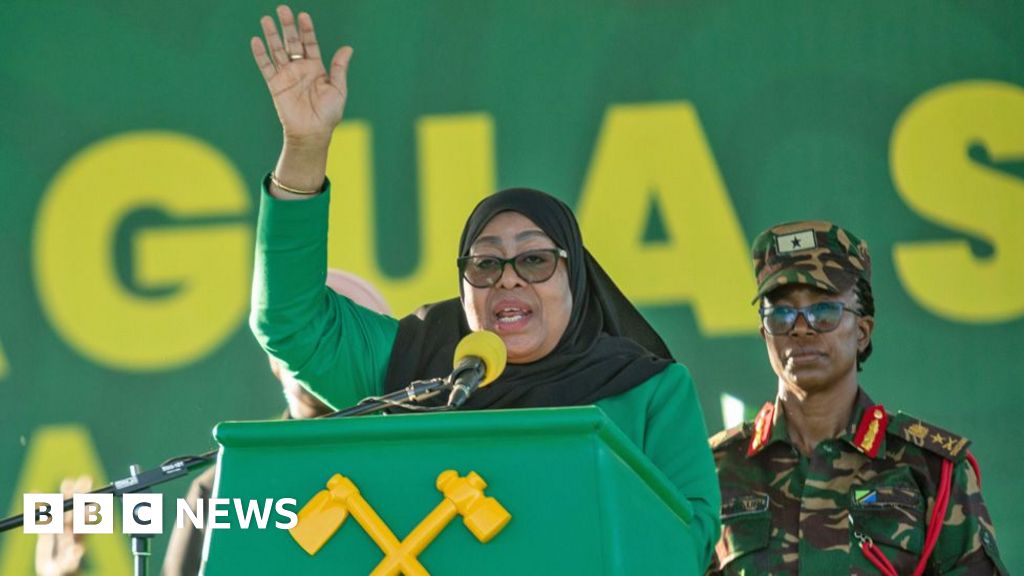
Tanzania’s Election Turns into a Showcase for President Hassan’s Rise, Not a True Contest

The geopolitical landscape of Tanzania, a nation often celebrated for its natural beauty and regional stability, has recently been marred by profound political shifts and internal power struggles. Since the death of President John Magufuli in 2021, the country has been navigating an ambiguous path marked by the emergence of its first female leader, President Samia Suluhu Hassan. Her ascent initially brought hope for renewed international engagement and economic reform under her “four Rs” policy—reconciliation, resilience, reform, and rebuilding—aimed at reinvigorating Tanzania’s relations with global powers like the International Monetary Fund (IMF) and the World Bank. The move was viewed by many analysts as a crucial pivot towards economic normalcy after years of Magufuli’s controversial, authoritarian governance, which involved crackdowns on dissent and a contentious handling of the COVID-19 pandemic.

However, beneath the veneer of diplomatic recovery, the nation’s political atmosphere has darkened significantly. Observers from organizations such as Freedom House now categorize Tanzania as “not free,” citing increased suppression of opposition voices, disappearance and imprisonment of critics, and a ruthless crackdown on dissent. Political analyst Mohammed Issa explained that President Samia, who initially adopted a conciliatory tone, has recently demonstrated a more assertive and hardened stance, reflecting a complex balancing act driven by internal party dynamics and external pressures. The recent disqualification of multiple opposition candidates, including the prominent Tundu Lissu, and the detention of critic leaders like Humphrey Polepole, highlight a disturbing shift towards electoral authoritarianism. Such moves deepen the divide within Tanzania’s political system, casting doubt on the sincerity of its democratic commitments and raising fears about the future stability of its institutions.

This internal tightening coincides with a burgeoning sense of internal fear and media suppression—an environment where free speech and civic participation seem increasingly endangered. As historian and regional analyst Dr. Samuel Mnyeti pointed out, “the long-standing control exerted by the ruling CCM party, coupled with external influences from powerful business networks known as Mtandao, has limited genuine political discourse,” leading to a society retreating into silence and social media echo chambers. Meanwhile, the semi-autonomous archipelago of Zanzibar shows vibrant electoral activity, contrasting sharply with the mainland’s subdued political landscape. With the incumbent Hussein Mwinyi seeking renomination against a stiff challenge from opposition Othman Masoud, the island elections appear to offer a more spirited contest, highlighting regional disparities within the nation.

As international commentators warn of the risks of continued suppression and disenfranchisement, the question persists: what kind of future is forging amidst these tumultuous currents? With the voice of the youth and reform-minded citizens growing faint, the nation teeters on the precipice of a new chapter—one that could cement its status either as a resilient beacon of hope or a cautionary tale of suppressed democracy. The unfolding of Tanzania’s electoral process—marked by disqualifications, alleged intimidation, and internal fractures—will ultimately enter the annals of history. As it shapes the destiny of its people, the world watches, knowing that the path chosen now will echo across generations, echoing a stark reminder: the future’s principles are forged in moments of crisis.

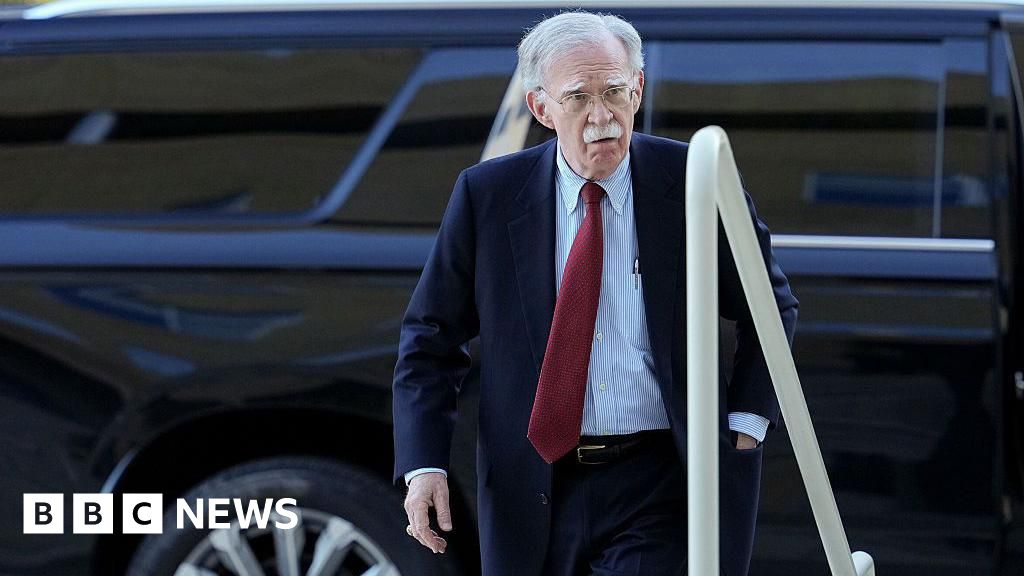
Former Trump adviser Bolton turns himself in over leaked classified info

In a move signaling a stark escalation in
the ongoing legal battles surrounding political figures in the United States, John Bolton, the former national security adviser to President Donald Trump, has surrendered to federal authorities on charges related to mishandling classified information. This development marks a significant chapter in the erosion of political norms and a deepening of partisan divides that threaten the fabric of American democracy. Bolton, a controversial figure who parted ways with the White House bitterly and publicly criticized Trump, now finds himself at the center of a high-profile legal controversy that could have profound geopolitical impact.

The indictment alleges that Bolton utilized personal messaging apps and email to transmit sensitive intelligence, revealing future attack plans, foreign adversaries’ strategies, and foreign policy negotiations—acts prosecutors argue constitute illegal conduct. Such revelations, if proven true, threaten the delicate international balance of security cooperation and risk exposure of classified information to hostile nations. The case underscores the increasingly contentious environment surrounding national security in the digital age, with experts warning that these developments could ripple beyond domestic politics, impacting global stability. Historians and international analysts alike point out that the mishandling or reckless disclosure of intelligence not only jeopardizes the safety of citizens but complicate diplomatic relations with key allies and adversaries alike.

Further, Bolton’s case has broader implications within the context of U.S. internal conflict and the weaponization of justice. Bolton’s lawyer, Abbe Lowell, dismissed the charges as part of a pattern seen in recent years, claiming that “many public officials throughout history kept diaries—that is not a crime.” However, critics contend that the Justice Department’s actions demonstrate a dangerous precedent where political rivals are targeted to undermine their influence, especially in a time when the country is polarized like never before. As international organizations scrutinize America’s internal stability, the case raises urgent questions about the rule of law and the limits of political accountability. Analysts argue that how the U.S. handles Bolton’s case could influence its global image—whether as a beacon of justice or a nation mired in political vendettas.

Adding further complexity, allegations of cyber attacks linked to
the Islamic Republic of Iran reveal that espionage and cyber warfare continue to be prime tools for hostile nations trying to influence U.S. political and security landscapes. The potential hacking of Bolton’s accounts underscores the broader threat posed by state-sponsored cyber operations, which increasingly target top officials in major powers —a development condemned by security experts worldwide. This attack highlights the perilous intersection of technology and geopolitics, where the security secrets of nations can be compromised with alarming ease, thus threatening international peace and stability. Many analysts warn that these cyber threats are a prelude to a new form of diplomatic warfare, demanding urgent international cooperation but also exposing the vulnerabilities of democracies grappling with pervasive digital espionage.

As the world watches, the trajectory of this internal U.S. saga will resonate far beyond its borders, casting shadows over global diplomatic relations and shaping the legacy of an American political landscape fractured by controversy. The headlines are only beginning to unfold, yet their echoes threaten to define an era—one marked by power struggles, evolving technology, and the relentless march of history’s worst conflicts. Future generations will remember whether the United States, once a symbol of stability, was consumed by internal strife or rose to redefine justice amidst chaos. As the courtroom doors close on Bolton’s legal battle, the larger question remains: how will this chapter be written in the annals of history, and what lessons will it hold for the world to follow?

Autumn's Himalayan Climb Turns Tragic: Youth Adventure Ends in Disaster
Autumn’s Himalayan Climb Turns Tragic: Youth Adventure Ends in Disaster

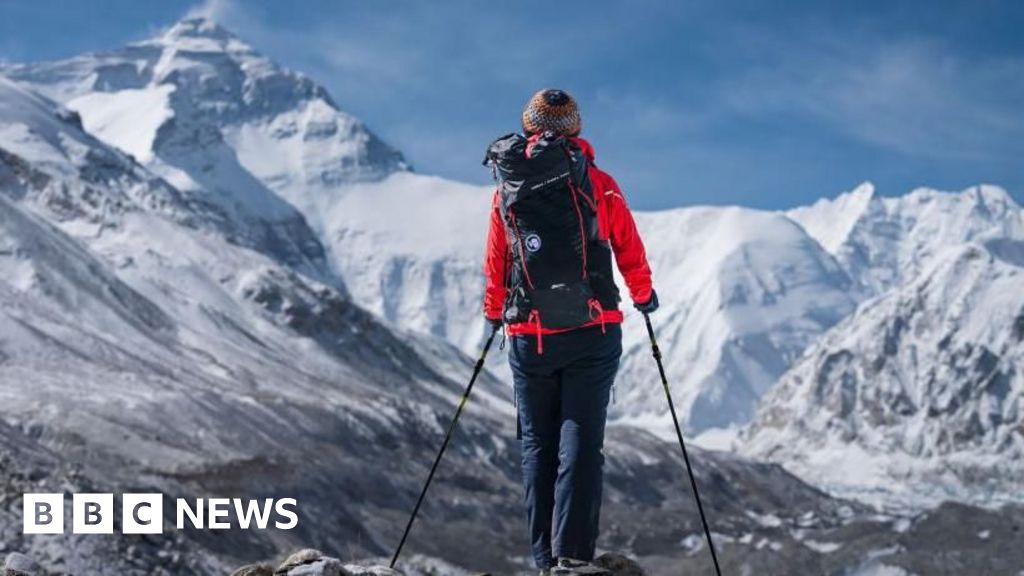
The once serene autumn seasons in Nepal and Tibet are now subject to increasingly unpredictable and extreme weather phenomena, signaling a profound turning point in global climate patterns. Reports from meteorological agencies and independent scientists reveal that the typical clear skies and stable weather that long attracted mountaineers and adventure tourists are vanishing. Instead, these regions face a turbocharged monsoon season, driven by a disturbing confluence of atmospheric systems. Experts warn that the interactions between the traditional Indian monsoon and the westerly disturbance—a cold air system originating in the Mediterranean—are intensifying due to climate change, leading to unprecedented weather events in one of the world’s most fragile mountain ecosystems.

  • Recent episodes of extreme rainfall and snowstorms stranded hundreds of travelers near Mount Everest’s eastern face, forcing rescue operations that involved yaks and helicopter evacuations. These events, occurring well outside the normal mountain tourism season, suggest the weather is no longer predictable or reliable.
  • In Nepal, landslides and flash floods have claimed dozens of lives within a week, with official estimates reaching around 60 casualties. The disruption has not only impacted local communities but also raised alarm in international climate circles about the implications of such erratic weather patterns.
  • Study findings and expert analyses now recognize that a warming climate facilitates the interaction between the monsoon and westerly disturbances, effectively “turbocharging” the summer rains and snowfalls, thereby destabilizing the Himalayas’ climatic equilibrium.

International environmental organizations, including the UN World Meteorological Organization, warn that these shifts are not isolated incidents but part of a broader pattern affecting the entire Himalayan region. As the global climate continues to warm, scientists like Professor David P. Stone from the University of Oxford underscore that “the Himalayas are becoming a bellwether for climate change impacts on fragile mountain ecosystems and the societies that depend on them.” This rapid transformation underscores the interconnected nature of climate change and geopolitical stability, with the Himalayan region standing at the crossroads of local and international crises.

Historian and climate analyst Dr. Maria K. Jensen echoes these concerns, emphasizing that recent shifts pose a direct threat to regional security and global biodiversity. As glaciers melt at unprecedented rates, sea levels rise, and weather patterns become erratic, nations like Nepal and Tibet face not only environmental challenges but also risks to their sovereignty and socio-economic stability. The increasing difficulty in forecasting weather complicates mountaineering, tourism, and disaster preparedness efforts—elements vital for the local economies and the health of communities that have thrived for centuries in harmony with nature.

Ultimately, the sudden, violent storms and unpredictable weather patterns offer a stark warning—how decisions made in the corridors of power in Europe, North America, and beyond directly influence the fate of vulnerable, remote regions. As Earth’s climate continues to warm, the Himalayan peaks will serve as a dramatic tableau for future conflicts, migration, and ecological upheaval. History is unfolding before our eyes, and the question remains: **Will humanity heed the urgent call to action, or will we watch as the mountains themselves become silent witnesses to the upheaval of an unstable climate?** The choices made today will shape the legacy of the 21st century, leaving behind a story that will be told by generations yet unborn.

Local Dad Turns Backyard into Flight Deck, Builds Family’s Own Plane for Endless Adventures

Embracing Freedom: The Journey from Hobbyist to Homebuilt Pilot

In an era where personal achievement intersects with notions of independence and self-reliance, a rising movement among adventurous youth is redefining what it means to live life on your own terms. A compelling example emerges from the UK, where mechanical engineer Ashok Aliseril Thamarakshan transformed a simple passion for aviation into a life-defining project — building his own aircraft during the challenging months of the COVID-19 pandemic. This story isn’t just about aviation enthusiasts; it’s an emblem of how shift in lifestyle values can lead to extraordinary experiences, driven by a desire to connect more intimately with the skies and one’s community.

Aliseril’s journey began when proximity to an airfield in Essex sparked his curiosity about flying. What started as a birthday gift — a 30-minute flight experience over the Isle of Wight — ignited a profound sense of possibility in him. Motivated by the thrill of liberty that flying offers, he secured a private pilot’s license in 2019. From there, his explorations extended beyond mere flights; he sought a deeper understanding of aircraft by embarking on a ambitious self-assembly project. His choice to build a Sling TSi”— a four-seater kit plane — exemplifies a growing trend among young followers of the maker movement: turning construction into a lifestyle of pursuit and mastery.

The pandemic, rather than halting his ambitions, became an accelerator. With restrictions in place, Aliseril dedicated over 18 months to constructing his aircraft in a self-made shed in his backyard. This decision was fueled by a desire for full control and comprehension of every aspect of his plane, emphasizing the importance of knowledge and responsibility in aviation. His experience as an engineer, coupled with his home improvement skills, made him confident in building from detailed instructions and working with specialized tools—making the dream of flying his own aircraft not just a possibility, but a reality grounded in resilience and craftsmanship.

Building Community and Personal Freedom

One of the most inspiring aspects of Aliseril’s journey is the sense of community that aviation fosters. He notes that many in his circle are retirees or individuals with the financial ability to undertake such projects, creating a close-knit community that shares a common passion. The social benefits extend beyond merely sharing flights; the friendships forged among private pilots form a kind of modern brotherhood of explorers. For Aliseril, this community enhances both personal growth and safety, providing a buffer of collective experience and camaraderie in pursuit of individual adventure.

Cost considerations—often a concern among young enthusiasts—are increasingly mitigated by shared ownership models and the affordability of modern kit planes. With total expenses for the build approximating the cost of an SUV, many see it as an eye-opening opportunity: a pursuit that combines affordable luxury with long-term value. His experience underscores that a passion for flight can become accessible beyond regional elites, fostering a new generation of pilots who prioritize hands-on engagement and self-sufficiency.

As Aliseril’s story reveals, embracing a lifestyle of self-built achievement does more than deliver personal freedom; it challenges traditional notions of expertise and wealth, proving that with determination coupled with community support and careful planning, the sky is truly within reach. His journey from a curious engineer to a pilot who has flown over 300 hours, crossing over to countries like Norway and even traveling to France, embodies the spirit that underpins a generation eager to carve out its own path.

Ultimately, life is an ongoing voyage—one that invites each of us to define our own horizon. Whether it is learning to fly, building a craft, or simply seeking moments of meaningful adventure amid the hectic pace of modern life, these stories remind us that the true destination lies in embracing our capacity to create, explore, and connect. For the young and restless, the sky isn’t the limit; it is the opening chapter of an extraordinary journey.

Blackpink Turns Heads at Coachella in Traditional Hanboks

Blackpink’s Historic Coachella Performance and the Rising Role of Korean Culture in Global Politics

In a moment that transcended entertainment and echoed across the geopolitical landscape, Blackpink, the iconic K-Pop girl group, made history at Coachella 2023 by becoming the first Asian act to headline the festival. Their performance, attended by over 125,000 fans, was not merely a display of musical talent but a deliberate assertion of cultural pride. The group honored their Korean heritage by debuting on stage in stunning hanboks, traditional Korean garments richly embroidered with symbolic motifs. This act was a potent statement, intertwining fashion, culture, and geopolitics, highlighting how nations leverage cultural diplomacy to elevate their influence on the international stage.

The significance of this moment extends far beyond the festival grounds. By incorporating hanboks into their performance, Blackpink subtly challenged Western-centric narratives that have historically marginalized Asian cultures in global pop and political spheres. According to cultural analysts, such displays of cultural pride serve as a form of soft power—an assertion of identity in a world often dominated by Western hegemony. The group’s ability to seamlessly fuse traditional Korean elements with modern pop iconography exemplifies the rising influence of South Korea as a cultural powerhouse, capable of shaping international perceptions and expanding its soft power reach.

The Cultural and Political Roots of Korea’s Expanding Global Influence

In recent years, South Korea has steadily ascended as a major player in both global culture and geopolitics. From the global dominance of K-Pop to Korean cinema’s critical success, the country’s cultural exports have become vital tools for shaping international narratives. Historians and geopolitical commentators argue that this cultural ascent correlates with South Korea’s strategic state policies aimed at fostering national pride and leveraging cultural diplomacy as a counterbalance against North Korea’s persistent threat. The use of traditional garments like hanboks during such high-profile events signals an intentional effort to promote Korea’s rich heritage, making cultural identity a cornerstone of their nation-branding strategy.

Furthermore, the appearance of hanboks with intricate embroidery or modern adaptations at major fashion events—such as Seoul Fashion Week or Milan Fashion Week—demonstrates a deliberate attempt by Korean designers to present their culture globally. International organizations and industry analysts alike recognize this as a calculated move that consolidates Korean soft power, bolster ties with diaspora communities, and perpetuate a narrative of cultural resilience. This is especially critical considering the regional tensions in East Asia, where soft power becomes an essential tool for diplomacy and influence without direct confrontation.

Fashion as an International Language of Power and Identity

The spectacle at Coachella was not only cultural but also deeply political. Internationally renowned fashion brands like Dolce & Gabbana and local artisans contributed to the group’s look, transforming their stage into a visual manifesto of Korean cultural resurgence. As historians note, fashion has long served as an expression of power and identity—witness Madonna’s Jean Paul Gaultier cone bras or Geri Halliwell’s Union Jack mini dresses—each moment capturing a turning point in cultural history. The use of hanboks, embroidered with symbols of royalty like peonies, underscored a refusal to let traditional culture be confined to the past, instead presenting it as a living, breathing force shaping Korea’s future aspirations.

As the world watches this evolution, the message is clear: nations are increasingly aware that soft power through culture can reconfigure global narratives, shape alliances, and influence societal perceptions. The cultural diplomacy embodied by Blackpink’s groundbreaking performance, therefore, marks not just a moment of teenage fanfare but a pivotal junction in the ongoing contest for influence—where tradition meets modernity on the grand stage of geopolitics.

If history is any guide, the echoes of this event will resonate through generations, a testament that when nations harness their cultural symbols at moments of global visibility, they carve their names into the fabric of history. As we stand on the brink of further shifts, one thing remains undeniable: the stages of the world are the new battlegrounds for influence, where tradition and innovation collide amid the relentless tide of change.

Social Media Auto Publish Powered By : XYZScripts.com