
Matox News

Truth Over Trends, always!

Hannah Spencer’s Bold Waistcoat Serves Up Politics with a Trendy Twist — TikTok’s New Favorite for the Youth Style Scene

Viral Colors and Youth Culture: The Rise of “Gross Green”

In a world where social media continually reshapes how we communicate, color trends have become more than just aesthetics—they’re now carriers of social identity and political statement. The latest wave? “gross green”. Coined by New York magazine and rapidly making its way onto high street labels and even book covers, this shade of chartreuse isn’t just a color—it’s a mood. It embodies a rebellious, playful attitude that resonates deeply with younger audiences eager to express individuality and cultural alignment through something as simple yet provocative as wardrobe choices. When Hannah Spencer, the newly elected Green Party MP, was spotted wearing this “gross green” outfit during her press conference, she unintentionally became a trendsetter, signaling her awareness of the social zeitgeist.

What’s fascinating is just how intentional and layered this phenomenon is. Spencer, a 34-year-old millennial, appears to understand the social capital in adopting such a viral hue—knowingly embracing a “statement color” that ties her political platform to the broader youth-driven aesthetic. During her brief appearance, she changed her undershirt from one shade of green to another, underscoring the precision with which digital-native figures now curate their image. This shift isn’t random; it’s an astute move to align with the cultural language of her generation. Prior to her, figures like Kamala Harris mastered this art, meme-ing a color into the political landscape with her “brat green”—a summer hit that did more than turn heads; it crafted a viral symbol for political engagement.

These trends underscore a larger socio-cultural shift: the merging of fashion, politics, and social media into a seamless narrative. Influencers, sociologists, and brand analysts argue that in an era of fractured attention spans, symbols—like colors—become vital tools in forging identity and community. Viral colors like Barbie pink or brat green aren’t just a fleeting aesthetic; they serve as social signifiers that bridge generational divides and offer a common language rooted in innocence yet rich in subtext. This phenomenon also reveals how younger generations seek to find meaning in what appears on the surface to be trivial—playing with names and shades as a form of cultural codification that is both fun and strategic.

What is intriguing, however, is the potential for these color-coded movements to extend beyond fashion and into systemic influence. As political campaigns increasingly lean into viral marketing, could these shades redefine how leaders communicate authenticity and relatability? The next question emerges: Will these playful symbols evolve into serious political tools, or are they destined to remain ephemeral markers of youth culture?* With influencers and political figures riding the wave of internet aesthetics, the future of political branding might just depend on our ability to decode the next viral hue—and what it says about the societal shifts at large.
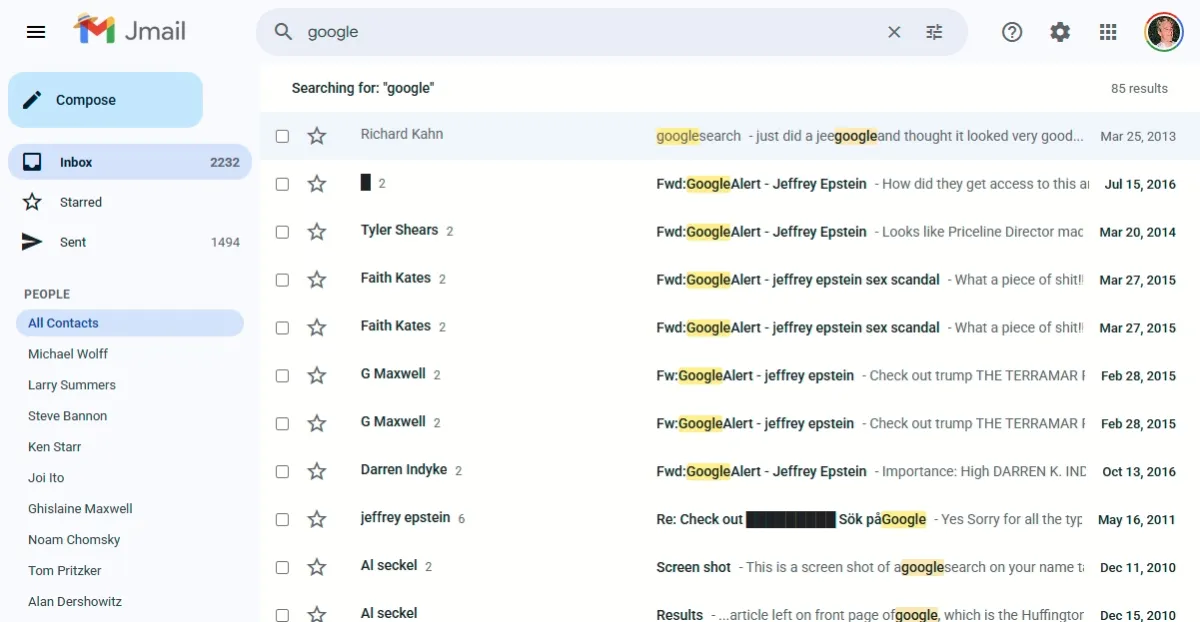
‘Jmail’ dips into Epstein’s inbox — a bold new twist in the tech game for the next-gen.

Tech Innovation Disrupts Transparency with Epstein Files Release

The recent release of over 20,000 pages of Jeffrey Epstein emails, facilitated by the House Oversight Committee, has marked a turning point in digital information accessibility. By utilizing advanced artificial intelligence (AI) and optical character recognition (OCR) technologies—specifically Google’s Gemini AI—tech entrepreneurs and journalists alike are rewriting the rules of data analysis and transparency. This wave of innovation leverages these cutting-edge tools to turn what was once inaccessible or cumbersome into searchable, user-friendly formats, creating significant disruption across the information economy.

Platforms like “Jmail”—a custom interface built by developers Luke Igel and Riley Walz—capitalize on these advancements, transforming complex source documents into searchable emails. Using OCR-powered AI, they’ve not only improved accessibility but also enabled real-time keyword searches, allowing users to pinpoint specific discussions involving high-profile figures like Trump or SEOs. This intelligent search capability exemplifies the potential for automation-driven transparency in government and corporate environments, dramatically reducing the time and effort required for investigative work. As Gartner analysts have noted, this type of AI-fueled data analysis is reshaping how sensitive information can be democratized without sacrificing integrity—marking just the beginning of a larger industry shift.

This technological disruption reveals a broader trend toward open access, driven by legislative action like the Epstein Files Transparency Act. Signed into law recently, it mandates the Department of Justice to make unclassified files publicly available in navigable, downloadable formats within 30 days. While some restrictions remain—to prevent jeopardizing ongoing investigations—the law underscores a strategic move toward greater government accountability. It is a clear signal that future data releases could be heavily processed, indexed, and integrated into AI systems, further accelerating shifts in how classified and unclassified information is managed, analyzed, and utilized in the digital age.

Implications for Business and Future Direction

For forward-thinking companies and organizations, this evolution signifies vast opportunities for innovation. Firms specializing in data processing, AI development, and cybersecurity stand to benefit immensely, positioning themselves as essential providers in this new data-driven landscape. As industry experts like Peter Thiel have forecasted, those who harness such technology early will influence policy, shape transparency standards, and redefine privacy boundaries.

  • Emerging platforms will integrate AI-powered search with secure, user-centric interfaces
  • Governments and corporations will adopt real-time data declassification and dissemination tools
  • Increased transparency may disrupt traditional power structures, pushing for accountability at all levels

As the pace of innovation accelerates, the question isn’t if but when this technological shift will change everything—impacting everything from public trust to the way money flows in political and corporate spheres. The urgency for young entrepreneurs and established players alike to adapt or risk obsolescence has never been greater. The transparency revolution, powered by AI and disruptive business models, is poised to transform the landscape. The onus now lies on visionary leaders to capitalize on this momentum and craft applications that not only inform but radically alter the future of governance and enterprise.

Social Media Auto Publish Powered By : XYZScripts.com



