
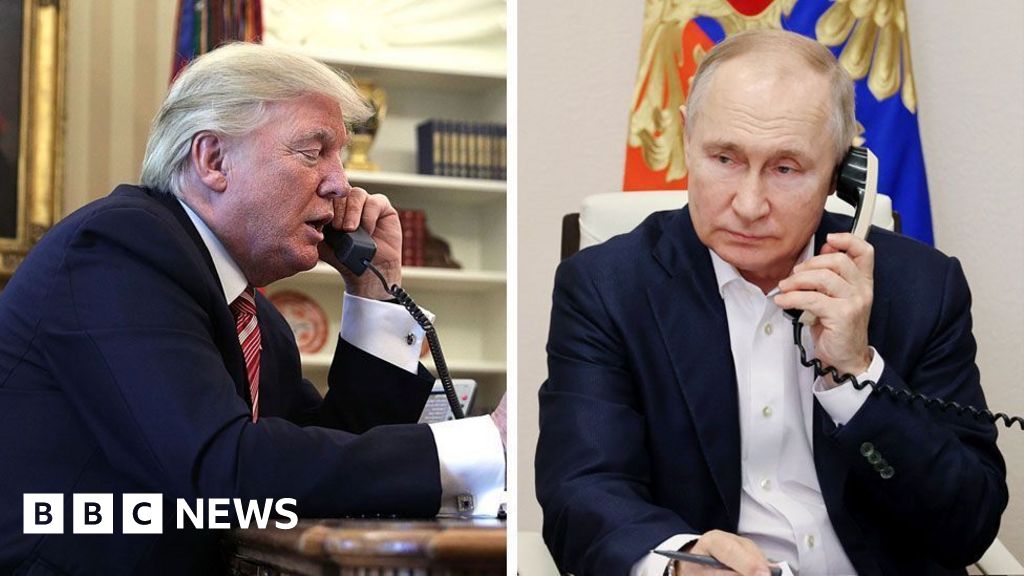

In a series of high-stakes diplomatic maneuvers, the United States and Russia are embroiled in a complex game of strategic brinkmanship at a critical juncture in global affairs. This latest development follows President Donald Trump‘s recent exchange with Vladimir Putin, marked by a phone call described by Washington as “very productive” and the anticipation of a face-to-face summit in Hungary. The geopolitical impact of these conversations reaches far beyond bilateral relations, affecting not only Ukraine but also the broader European and international stability. In a world seeking avenues for peace, the specter of renewed conflict looms large, driven by decisions made in backroom negotiations and public posturing.
- On Thursday, Trump and Putin engaged in their first significant dialogue since mid-August, concluding with an agreement to convene more detailed discussions next week. The Kremlin highlighted that work on the summit would commence “immediately” after what they called an “extremely frank and trustful” call. This marks a notable shift from previous tensions and underscores how key leaders are maneuvering in the shadows of war, attempting to influence the geopolitical landscape with limited transparency.
- Meanwhile, Ukrainian President Zelensky faces mounting pressure as the Biden administration contemplates arming Kyiv with advanced Tomahawk missiles, capable of deep strikes into Russia. Zelensky’s statement that Moscow is “rushing to resume dialogue” as soon as it perceives these weapons underscored the fragile, volatile nature of the ongoing conflict. The decision to supply Ukraine with such capabilities could drastically alter the war’s dynamics, leading to a potential escalation or stalemate, depending largely on how Russia perceives these moves.
Analysts and historians are warning that the recent diplomatic activities signal a shift toward greater unpredictability in an already volatile region. International organizations like the United Nations have cautioned against the escalation of hostilities, while European leaders such as Viktor Orban of Hungary advocate for diplomacy over confrontation—calling for patience, strength, and dialogue as the only viable path to peace. But the question remains: are these overtures genuine attempts at resolution, or just tactical steps in a broader chess game designed to influence the post-conflict order?
As Washington and Moscow continue to clasp onto their divergent visions for global dominance, the potential repercussions extend to economic spheres. Trump’s insistence that high-level advisors from both nations will meet to discuss trade “when the war is over” reflects the deep interconnection between geopolitics and economic strategy. Conversely, on the battleground, Russian missile strikes amid diplomatic talks serve as a grim reminder that peace remains elusive, and the path to stability is fraught with peril. Domestically, these developments are resonating among young people worldwide, keenly aware that the decisions made today will shape the future they inherit.
Indeed, the thread of history is being woven with each diplomatic encounter, each missile launch, and each negotiation. The world watches with bated breath as world leaders navigate a landscape where old alliances are tested and new rivalries emerge. In this relentless pursuit of power and peace, the curtain has yet to fall on the drama that will determine whether the 21st century will be remembered as an era of harmony or chaos. The weight of these choices, forged in the crucible of conflict and diplomacy, echoes through generations, reminding us that the unfolding story is far from over — it is only just beginning.





