Matox News

Truth Over Trends, always!

From Uber driver in the U.S. to fearing jihadist threats in Somalia—how local roots meet global dangers

Geopolitical Shifts in the Wake of Somali Deportations: A Warning from the Frontlines

In recent months, a wave of deportations from the United States to Somalia has exposed the fragility of international migration policies amid rising anti-immigrant rhetoric and changing administrations. These deportations, involving Somali nationals who sought refuge in the US, are not merely individual cases but signals of profound geopolitical repercussions that resonate far beyond the borders of the United States. As President Donald Trump publicly disparages Somali migrants, calling for tougher restrictions and even suggesting they should “go back to where they came from,” the international community, analysts, and historians warn that these policies threaten to undermine years of fragile stability in the Horn of Africa while fueling anti-foreigner sentiments domestically.

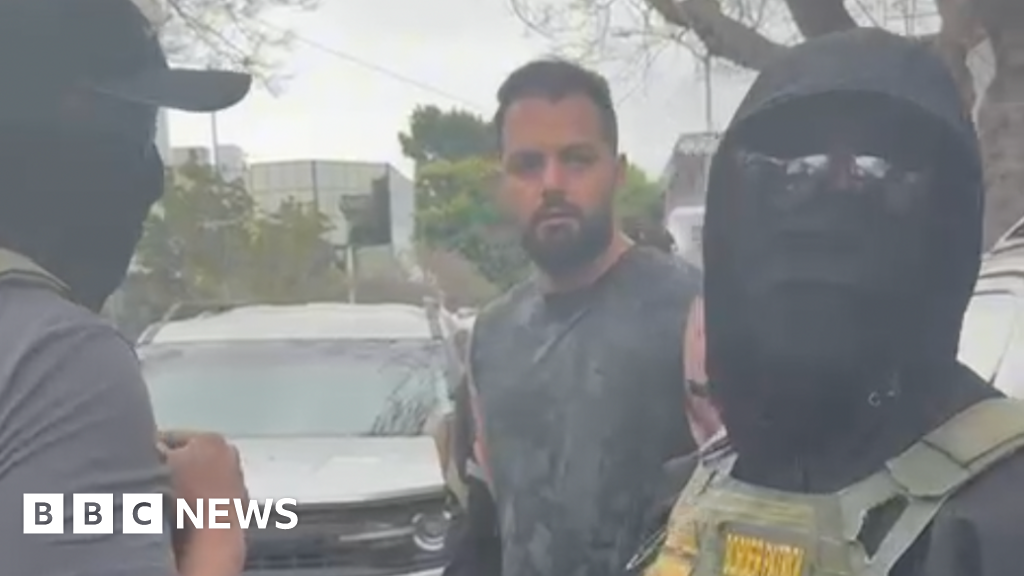
Most noteworthy is the case of Mahad Mohamud, a Somali man deported from Minneapolis after spending over a decade in various countries, including South Africa, Brazil, and the US. Mahad, known on social media as Garyaqaan, built a significant following defending his clan’s interests in Somalia—an act viewed with suspicion by US authorities amid the broader discourse of national security. His case highlights how independent voices, particularly those amplified through social media, are increasingly perceived as threats to political narratives. Mahad’s detention and eventual deportation—despite his claims of innocence and FBI clearance—mirror broader policies that cast aside nuanced assessments of individual safety in favor of harsh border enforcement. The geopolitical impact is vast, as deported individuals often face an unstable Somalia ravaged by years of anarchy, Islamist insurgencies, and economic collapse. Historians warn that these policies, driven by election-year rhetoric, risk reigniting conflicts and depriving Somali society of diaspora-led development efforts.

Moreover, the deportation crisis is casting a long shadow over the Somali-American community—America’s largest Somali diaspora, numbering approximately 80,000 in Minneapolis alone. Following statements from President Trump vowing the end of temporary protected status, the Somali community faces renewed hostility, with social media videos depicting immigration agents conducting door-to-door searches in neighborhoods like Little Mogadishu. Many residents, fearing deportation, have responded by evacuating their homes discreetly, leaving lives in limbo. This tension unravels the broader how decisions made in Washington directly affect the fabric of local societies, fueling fears, protests, and a sense of abandonment. These developments echo the warnings of international observers who argue that a shift towards aggressive immigration crackdowns without comprehensive security frameworks risks destabilizing immigrant communities in the US while emboldening Islamist militant groups like al-Shabab. The repercussions for stability and security, both in the US and the Horn of Africa, are profound and ongoing.

As history’s ongoing narrative unfolds, the deportation phenomenon underscores a brutal reality: policies driven by populist rhetoric often overlook the intricate human stories behind migration. Mahad Mohamud’s heartfelt reunion with his children and his fears of assassination are emblematic of the human toll inflicted by political agendas that treat these individuals as mere pawns. Analysts and seasoned diplomats warn that the current trajectory risks not only exacerbating Somalia’s humanitarian crisis but also deepening the divide between immigrant communities and their host nations, creating fertile ground for radicalization and conflict. With the shadows of past conflicts and current instability lengthening, the international community is left to ponder whether these policies will serve as a turning point or a catalyst for unforeseen chaos. The weight of history presses heavily upon these unfolding events, reminding the world that in the arena of geopolitics, choices today carve the legacy of tomorrow—a legacy still being written, and nowhere more critically than in the lives of those caught between nations.
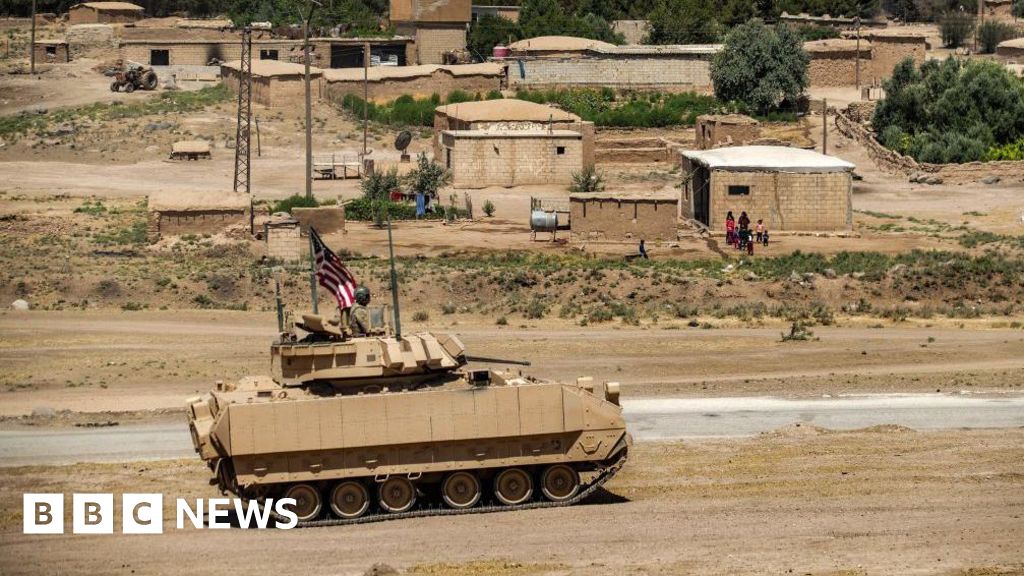
Three Americans killed by ISIS gunman in Syria, U.S. military reports

The recent ambush in Palmyra, Syria, resulting in the death of two US soldiers and a civilian interpreter, marks a stark reminder that the geopolitical landscape in the Middle East remains perilous and volatile. According to the US Central Command, the attack was carried out by a gunman allegedly affiliated with Syrian security forces, with some reports indicating the involvement of elements hostile to both the Syrian government and Western interests. The unclaimed responsibility by any militant group, combined with the Syrian Observatory for Human Rights suggesting the attacker may have been part of the Syrian security apparatus, underscores the complex web of alliances and betrayals woven into the region’s ongoing chaos.

This incident comes amid renewed tensions regarding the U.S. military presence in Syria—a contentious issue that continues to shape international perceptions and impact regional stability. An area where the Syrian government admits to having little control, Palmyra has long been a strategic and symbolic frontline. The attack’s timing, during a joint US–Syrian security operation, highlights the fragile peace and the persistent threat posed by remnants of the Islamic State (IS), which, despite losing territorial control in 2019, still manages to carry out insurgent attacks. The ongoing battle against IS is not just about retaking territory; it’s a broader fight for influence, sovereignty, and regional dominance by global and local powers alike.

International reactions emphasize hardline resolve. US Defense Secretary Pete Hegseth issued a warning that echoes through the corridors of power: “if you target Americans—anywhere in the world—you will spend your brief, anxious life knowing the United States will hunt you, find you, and ruthlessly kill you.” This rhetoric signals an escalation in US military posture and commitment to counter-terrorism operations, despite the risk to diplomatic relations. Meanwhile, Syria’s Foreign Minister Asaad al-Shaibani condemned the attack, extending condolences to the victims’ families, as the Assad regime seeks to project stability amidst chaos. The incident risks igniting further clashes in a landscape where alliances are shifting, and the lines between friend and foe blur.

Historically, analysts and international organizations have warned of the consequences of prolonged foreign military intervention. Global institutions like the United Nations estimate that between 5,000 and 7,000 fighters remain active for IS across Syria and Iraq. Despite recent victories, the jihadist threat persists, facilitated by fractured governance and regional rivalries. The recent rapprochement between Syria and the international coalition combating IS, which includes the US, signifies a precarious hope for stability—yet it also necessitates vigilant watchfulness. As the US continues its military presence, seemingly committed to a undefined mission in Syria, the risk remains that innocents, soldiers, and local populations will continue to pay the price of geopolitical chess games that no longer resemble clean victories.

As history unfolds amid the dust and ruins of Palmyra, the global stage stands at a crossroads. The narratives of American strength, Syrian sovereignty, and the fight against extremism intersect in a tragic tableau—one where decisions made today will echo for generations. With each loss, each attack, the world’s balance teeters anew. The question remains: how much longer can this fragile mosaic withstand the relentless tides of conflict, or are we simply witnessing the beginning of an even darker chapter in Middle Eastern history?

Zelensky Advances U.S. Talks to Push Peace Plan Forward

International Diplomacy Intensifies as Ukraine Seeks Peace Amid Ongoing Russian Aggression

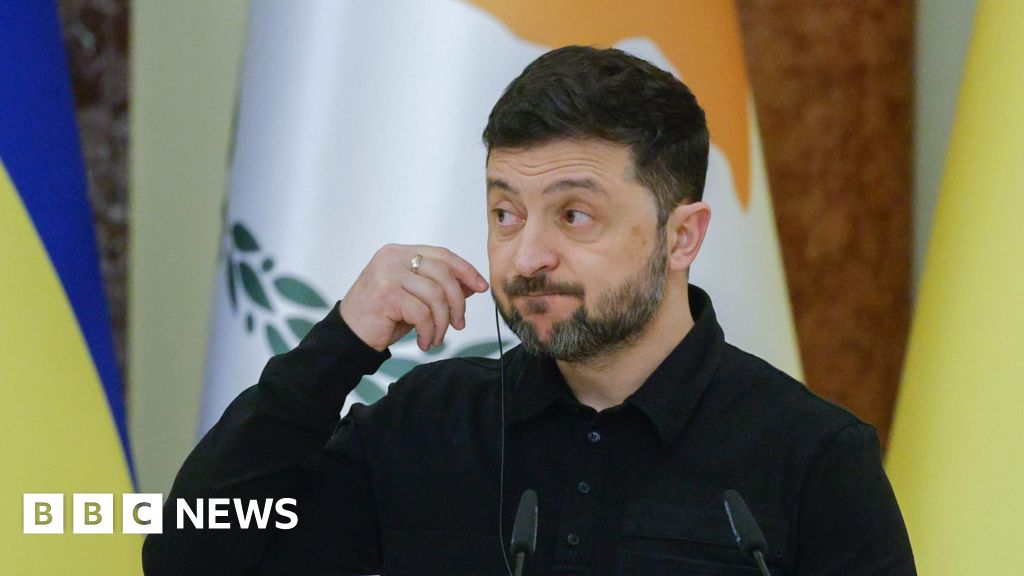
The ongoing conflict in Ukraine remains a focal point of international tension, with diplomatic efforts reaching new heights amidst relentless Russian bombings. Ukrainian President Volodymyr Zelensky recently held a “very constructive” phone conversation with key US figures, including Steve Witkoff and Jared Kushner, highlighting a clear US interest in shaping a peaceful resolution. However, with Moscow continuing its destructive assault, questions loom about the sincerity of Russia’s diplomatic stance. Despite these high-level talks, Moscow’s refusal to make concessions signals a persistent threat to regional stability—as evidenced by over 650 drone and missile strikes in a single night, targeting critical infrastructure and deepening the humanitarian crisis.

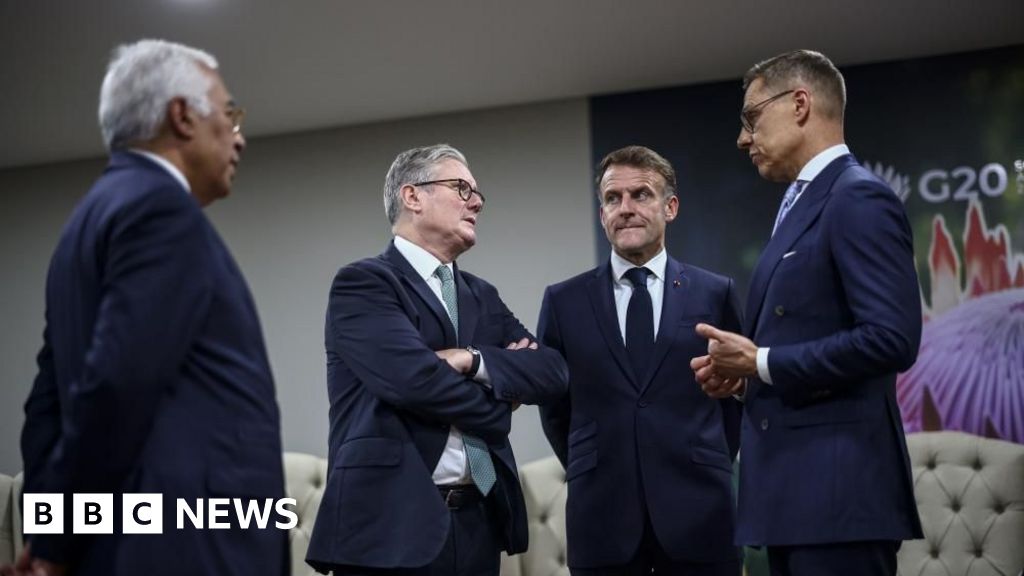
The European Union and allied nations remain united in condemning Russia’s escalation, with French President Emmanuel Macron publicly voicing solidarity. Macron, along with UK Prime Minister Sir Keir Starmer and German Chancellor Friedrich Merz, plan to meet in London, aiming to discuss a cohesive strategy for Ukrainian security post-conflict.

  • These talks are a continuation of previous discussions concerning a possible European peacekeeping force—a proposal Moscow has rejected, branding such troops as “legitimate targets”.

Such resistance underscores Russia’s steadfast aversion to any foreign intervention that might threaten its strategic objectives.

Meanwhile, the United States and Ukraine are engaged in intensive negotiations in Florida, attempting to bridge differences over a US-backed peace plan. Though initial meetings have been described as “constructive,” substantial hurdles remain.

  • Talks have centered on security arrangements and deterrence capabilities, key to ensuring long-term stability in Ukraine.

Importantly, the negotiations reflect a broader Western effort to prioritize Ukraine’s sovereignty while navigating the intricate geopolitics that threaten to escalate tensions with Russia. The international community, through institutions like the United Nations, continue to monitor these developments, albeit with growing concern over Moscow’s reluctance to accept peace terms and its relentless campaign of targeted missile and drone strikes.

The geopolitical impact of these diplomatic efforts and military escalations is profound. The conflict not only threatens the territorial integrity of Ukraine but also risks setting off wider regional instability—potentially igniting new conflicts across Eastern Europe. As analysts warn, the decision by Vladimir Putin to reject peacekeeping proposals and intensify military assaults signals a dangerous posture that challenges the broader international order. Ultimately, these ongoing negotiations and military hostilities are shaping the contours of future global power dynamics, raising urgent questions about how nations will balance security, sovereignty, and diplomacy in a rapidly evolving geopolitical landscape.

As history continues to unfold with each missile strike and diplomatic handshake, the world stands at a precarious crossroads. The weight of unresolved conflicts and unfulfilled promises hangs heavily in the air, underscoring the crucial importance of decisive leadership and alliance-building. The outcome of this tumultuous chapter remains uncertain, but one thing is clear: the decisions made today will echo through the corridors of history, shaping the future for generations to come. The question remains—will diplomacy prevail, or will the shadows of war deepen, ushering in a new era of chaos and upheaval?

Ukraine urges Putin to stop stalling after U.S. talks in Moscow

The year 2025 marks a pivotal chapter in the ongoing saga of Russia’s invasion of Ukraine, a conflict whose repercussions ripple across the global geopolitical landscape. Diplomatic efforts, primarily driven by U.S.-Russia negotiations and European strategic shifts, underscore the complex dynamics shaping the future of international security. Following recent high-stakes talks at the Kremlin, the absence of concrete agreements highlights the stubborn resilience of entrenched positions, especially concerning territorial integrity and security guarantees.

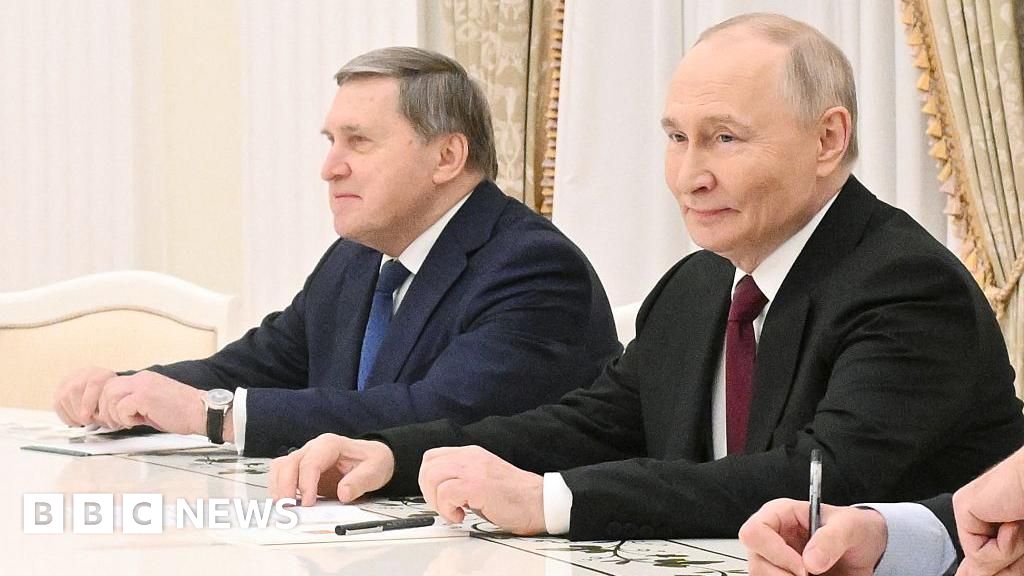
Despite the lack of substantive breakthroughs, key players remain committed to dialogue, indicating that the conflict’s resolution remains an elusive but urgent goal. The U.S. delegation, including special envoy Steve Witkoff and Jared Kushner, engaged in nearly five hours of negotiations with Vladimir Putin and his advisors. While they reported a “thorough, productive” meeting, Moscow’s senior policy adviser Yuri Ushakov quickly tempered expectations, remarking that “no compromise” was reached, with significant points such as the territory seized by Russia and security assurances for Ukraine remaining fiercely contested. The division over Ukraine’s potential NATO membership remains a core stumbling block, with Russia vehemently opposed and Western nations insisting that such guarantees are vital for deters future aggression.

Meanwhile, the European Union is rapidly pivoting towards greater independence, exemplified by its recent agreement to phase out Russian gas imports by 2027. EU officials, including Ursula von der Leyen, hail this move—part of a broader strategy to weaken Russia’s economic blackmail and bolster energy security. As Europe distances itself from Russia’s energy leverage, the geopolitical question of Russia’s influence over European stability becomes even more pronounced. Simultaneously, NATO ministers emphasize the necessity for Kyiv to maintain its resolve in the face of continuing Russian advances, while advocating for Ukraine’s eventual membership in the alliance—something Moscow labels a direct threat.

Experts and analysts warn that the unfolding interactions—a mix of diplomacy, military reinforcement, and economic sanctions—are shaping a new era of geopolitical confrontation. History’s watchful eyes see parallels with past conflicts where protracted negotiations eventually gave way to decisive shifts. The European Commission proposes a €90 billion support package for Ukraine, designed to sustain its military and economic resilience, an initiative met with cautious approval. Yet, tensions linger; Belgium’s resistance to using frozen Russian assets as reparations underscores the legal and moral quandaries faced by the West. As battling continues in eastern Ukraine, with Russia consolidating gains and claiming strategic cities like Pokrovsk, the path to peace is shrouded in uncertainty, and the weight of history presses heavily upon global shoulders.

In this tense and volatile landscape, the decisions made today—whether in Moscow, Brussels, or Washington—will echo through generations. The future of Ukraine’s sovereignty, the integrity of NATO, and the role of energy in international power struggles are now intertwined with the fate of nation-states and their people. As history unfolds, the question remains: will diplomacy prevail, or are we witnessing the prelude to a new global territorial reshuffle? The answer hangs in the balance, with the world watching with bated breath and the weight of history still unfolding.

Putin Meets with U.S. Mediators in Moscow to Push for Ukraine Peace Deal

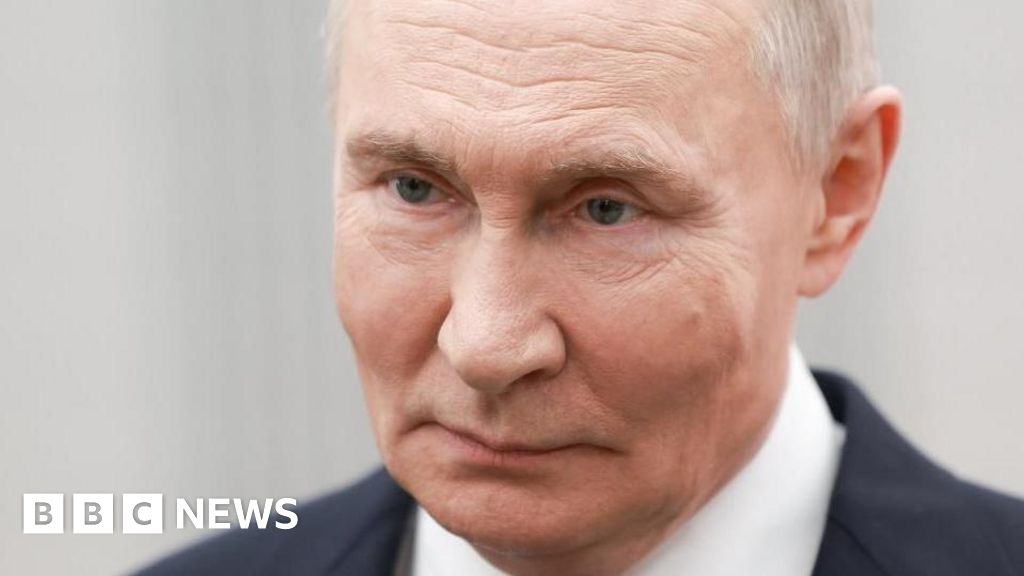
In a clear demonstration of the geopolitical stakes involved in the ongoing conflict in Ukraine, Vladimir Putin hosted US negotiators at the Kremlin for a five-hour discussion aimed at de-escalating the war that has ravaged Eastern Europe for almost a year. According to Russian officials, the talks were “productive,” yet detailed contents remain undisclosed, casting shadows over the prospects for peace. Meanwhile, the Ukrainian government—with steadfast resolve—continues to insist on firm security guarantees, including potentially NATO membership, which Moscow vehemently opposes. Such divergent positions underline the intense strategic tensions, where each side’s core demands threaten to prolong the conflict indefinitely.

The diplomatic landscape is further complicated by recent statements from President Zelensky and President Putin. Zelensky has been unwavering: Kyiv seeks definitive security assurances to prevent future invasions, emphasizing that “nothing less than assurances that Russia would not return in a year” will suffice. Conversely, Putin describes Europe’s demands over a Russian draft peace plan as “not acceptable,” warning that Moscow is prepared for further confrontation if necessary, while accusing Western nations of trying to hinder peace efforts. Historians and analysts such as Dr. Charles Stewart from the International Security Council warn that such rhetoric signals how entrenched the differences remain, risking a protracted standoff that could destabilize the entire continent.

On the ground, fighting persists despite these diplomatic endeavors. Ukraine’s military reports ongoing combat in key contested cities like Pokrovsk, refuting Russian claims of total control. The intricate dynamics of front-line battles reveal a situation where Russia’s forces are suffering setbacks, as Kyiv’s troops reclaim and hold strategic positions. Yet, the conflict’s toll on civilians is dire, with thousands killed and even more displaced, as critical infrastructure—schools, hospitals, residential areas—suffers relentless missile and drone strikes. The United Nations and international observers continue to document violations, but even as diplomatic talks swirl, the reality of war persists, with no clear end in sight.

The international community stands at a crossroads, with European nations and the US attempting to forge a united front—though divisions remain palpable. The European allies’ counterproposal to the controversial 28-point peace plan—removing contentious elements like recognition of separatist regions—highlighted the delicate balancing act of diplomacy. While European leaders, including President Macron, voice hope that Ukraine’s sovereignty remains non-negotiable, Russia remains resolute. As Kirill Dmitriev, a Russian foreign policy adviser, described the recent talks as “productive,” the very definition of progress appears fragile, overshadowed by the deep fissures that remain.

Indeed, the world witnesses the unfolding of history—an epoch where the decisions made now will echo for generations. As the Kremlin’s shadows lengthen over Ukraine, distant powers continue to debate and calibrate their strategies. The fate of nations hangs in the balance, with each diplomatic maneuver potentially tipping the scales toward peace or war. As the conflict rages on, the haunting specter of unfinished history remains, reminding us that in the theatre of geopolitics, the next chapter could determine the course of civilization itself.

Family of missing Colombian youth demand answers after U.S. strike targets suspected drug vessel

In the vibrant coastal regions of Colombia and Venezuela, a quiet lifestyle revolves around the sea — a life rooted in tradition, community, and the pursuit of peace amidst turbulence. Yet, recent US military strikes targeting alleged drug-trafficking vessels have cast a shadow over these once tranquil waters. These covert operations, justified by American officials as efforts to combat narco-terrorism and drug-related violence, have sparked fierce debates about legality and human rights, raising questions about the true cost of national security measures. The stories of local fishermen, like Juan Assis Tejeda and others, reveal a sobering reality: they fear that innocent lives, livelihoods, and even civilians might be caught in the crossfire of international politics.

The US claims that these strikes are necessary defenses against criminal networks that threaten regional stability and American lives, citing an increase in cocaine seizures and the rising toll of fentanyl in the US as evidence. However, critics, including international law experts and local communities, argue that these actions resemble extrajudicial killings—a stark departure from the rule of law that emphasizes arrest, trial, and sentencing. Juan, an experienced fisherman who often surveys the waters near Venezuela, shares a poignant perspective: “We just go after tuna, but sometimes drones hover over us — we’re afraid. It’s not right to be pursued and targeted like terrorists without proof, just for earning a living.” Such testimony underscores that in these moments, what the global stage doles out as “security” can sometimes feel like an assault on everyday lives, on well-being, and on the pursuit of simple peace.

The reactions from regional leaders also underscore the underlying geopolitical tensions. Colombia’s President Gustavo Petro has challenged the US’s narrative, condemning the strikes that reportedly killed civilians, including local fishermen and farmers. Petro’s stance aligns with a broader suspicion: that behind the veneer of anti-drug efforts lies an attempt to exert political pressure on Venezuela’s government and its controversial leader, Nicolás Maduro. Many locals believe that these military moves serve as a tool to destabilize the region further, possibly paving the way for more direct American influence, which could threaten the sovereignty of these nations and their communities. Such multi-layered tensions bring to light a crucial fact—lifelines of culture and livelihood are often caught in the crossfire of superpower ambitions.

Amid these turbulent waters, the local community’s resilience remains a quiet but powerful force. Stories from fishermen like Mr. Tejeda show their unwavering desire to live peacefully, unaffected by the global game of power. These men and women are not targets—they are just ordinary people caught in extraordinary circumstances. Their stories serve as a reminder that, at the heart of every geopolitical conflict, there are human lives seeking stability and dignity. As these small villages watch and wait, they embody the spirit of relentless hope: a hope that one day, diplomacy and respect for sovereignty will prevail, and the love of the sea will return to being a source of life, not conflict.

Reflecting on these narratives leaves us with a profound understanding: lifestyle is more than leisure or routine; it’s a journey to embrace resilience in uncertainty. These coastlines, woven with stories of struggle and hope, remind us that true security arises not from the barrel of a gun, but from respect—respect for life, for community, and for sovereignty. As we watch these waters, may we find the wisdom to navigate our own lives with clarity and purpose, standing for fairness amid the chaos, and cherishing the peaceful pursuits that truly define our well-being.

U.S. Moves to End War in Ukraine Draw Careful Concerns from Allies

International Powers Confront The Future of Ukraine Amid Controversial Peace Plan

The unfolding saga of Ukraine‘s quest for sovereignty and security continues to shape the geopolitical landscape in profound ways. Recent developments have seen U.S. efforts to forge a peace plan amid fierce resistance from Kyiv and its allies, casting a long shadow over the stability of Eastern Europe. The controversial 28-point blueprint, leaked and scrutinized from multiple angles, envisions territorial concessions from Ukraine, including the possible ceding of critical regions like Donetsk, Luhansk, and Crimea—a move that has ignited fierce debate over border legitimacy and national sovereignty.

European nations and Japan, unified in their concern, have issued a joint statement underscoring that the draft peace plan will require additional diplomatic work. They emphasize the principle that borders must not be changed by force, while voicing apprehensions over limitations on Ukraine’s military capabilities—restrictions that could leave Kyiv vulnerable to future aggression. In Geneva, security officials from the UK, France, Germany, the US, and Ukraine are scheduled for critical discussions, recognizing the stakes are high. Historians warn that such concessions could set a dangerous precedent, emboldening authoritarian regimes and undermining international norms on territorial integrity, emphasizing the importance of safeguarding Ukraine’s sovereignty as a matter of global security.

Meanwhile, President Zelensky has issued a stark warning, framing the moment as “one of the most difficult in our history”—highlighting the immense pressure Ukraine faces from Washington and Western allies to accept terms perceived as detrimental by Kyiv. Despite Zelensky’s declaration to pursue “constructive” negotiations, the key question remains: how will Ukraine balance the imperative of national dignity with the harsh realities of geopolitics? The leaked US draft proposes Ukraine’s military withdrawal from key territories and potentially limiting its armed forces to 600,000 personnel, while offering “reliable security guarantees” and promising reintegration of Russia into the global economy—an offer Moscow might interpret as a capitulation or a means to reassert its influence. Such proposals not only threaten Ukraine’s territorial integrity but also risk destabilizing the entire European security order, especially as the EU and NATO await consent on military and diplomatic implementations.

The regional balance of power hangs in the balance, with Vladimir Putin signaling that the draft could serve as a “basis” for settlement, but also remaining uncompromising in his rhetoric. Moscow’s willingness to show “flexibility” is paired with preparations for ongoing conflict, as Russian forces continue slow advances in Ukraine’s southeastern regions. Military analysts warn that concessions could be exploited by Moscow, paving the way for a prolonged proxy conflict, risking regional destabilization and global economic repercussions. The current situation has precipitated a dynamic contest of wills among world powers, with the outcome poised to redefine the 21st-century balance of authority. The weight of history presses heavily upon the unfolding negotiations, and as global leaders navigate treacherous diplomatic waters, the fate of Ukraine remains a poignant symbol of resistance, sovereignty, and the enduring quest for international stability. History will record whether the choices made today can forge a path toward lasting peace or herald a new era of geopolitical division.

U.S. Deports Christian Converts to Iran, Raising Concerns

A Shifting Battlefield in Global Immigration and Human Rights

The United States has long positioned itself as a beacon of refuge for persecuted religious minorities, particularly Iranian Christian converts. Yet recent policy shifts reveal a disturbing paradox: while President Joe Biden publicly champions religious freedom and condemns Iranian oppression, the administration is simultaneously executing aggressive deportations that threaten the very groups it claims to protect. The recent chartered flights back to Iran, arranged via Qatar and involving passengers shackled and under armed guard, mark a stark reversal of United States’ historic stance on asylum for religious minorities fleeing religious persecution.

This unprecedented cooperation with Iran — a country with one of the most repressive regimes concerning religious freedom — sends a clear signal of geopolitical recalibration. Experts like Professor Alexei Ivanov of the London School of Economics warn that such moves could further embolden regimes hostile to religious minorities and escalate the persecution of converts back home. As reports surface of deported individuals facing interrogation about their faith by Iranian authorities, the global impact of America’s policies becomes evident.

The Fragile Lives Caught in a Geopolitical Crossfire

  • In late September, the US government orchestrated its first direct flight to Iran in decades, a move logic-defying given the *absence of diplomatic ties* and Iran’s notorious human rights abuses.
  • Families like Ali’s, whose wife was deported and is now targeted by Iranian intelligence, exemplify the personal danger underlying these policies.
  • Countries like Venezuela and Turkey, traditionally regions of refuge, are now increasingly becoming interconnected nodes in this perilous transit network for asylum seekers.

At the United Nations, calls for accountability grow louder. Human rights organizations criticize the US for mishandling and in some cases violating international standards—particularly regarding the confidentiality of asylum claims and the handling of sensitive religious information. The International Crisis Group suggests that these policies could undermine decades of diplomatic efforts to promote religious freedom and human rights. Notably, the divergence between the rhetoric of advocating for persecuted Christians and the reality of deportations reveals a troubling disconnect — a gamble with human lives that international analysts warn could destabilize fragile communities and embolden oppressive regimes.

The Shadows of Uncertainty and the Unfolding Crisis

Deeper within the US political landscape, legal experts caution that the decisions taken today may serve as a turning point in international refugee policies. Some argue that the administration’s claims of “fully adjudicated” asylum cases are contradicted by reports of mishandled information and the ongoing plight of individuals like Majid, who are now forced into hiding, fearful of reprisals. Meanwhile, the Iranian regime appears to be leveraging America’s internal tensions, using deported converts as leverage to crack down on internal dissent, framing converts as “Zionist agents”—a narrative designed to consolidate power and justify increased persecution.

As the weight of history bears down on this tangled geopolitical web, the stories emerging from beneath the surface suggest that these policies are more than bureaucratic decisions—they are reflections of a broader, ongoing conflict between principles and pragmatism. How long will the world’s most powerful democracy continue to turn a blind eye to its role as a protector or persecutor? This question hangs heavily in the air, as the fates of countless individuals unfold in shadows cast by shifting alliances and iron-fisted regimes. The story of Iran’s persecuted believers, and the US’s ambivalent stance, remains stubbornly unresolved — a stark reminder that in the grand chessboard of international affairs, human lives are pawns caught in a game still unfolding, written in the ink of history yet to be made.

U.S. Withdraws from G20 in South Africa Over False Claims of White Farmer Abuses

The upcoming G20 summit in Johannesburg has been thrust into chaos amid a diplomatic crisis fuelled by US President Donald Trump. Citing discredited claims of persecution of white South Africans, Trump announced that the United States will refuse to participate in the gathering of the world’s leading economies. His provocative assertions, which paint South Africa as a nation gripped by racial violence and human rights abuses, are widely considered to be a strategic move to ignite international controversy. The decision underscores the growing divergence between Washington and Johannesburg, and spotlights the shifting landscape of geopolitical influence.

South Africa’s government promptly dismissed the claims as “widely discredited and unsupported by reliable evidence,” with officials asserting that no credible genocide or systematic persecution of white minorities exists within their borders. Chrispin Phiri, spokesperson for South Africa’s foreign ministry, described Trump’s stance as “orchestrating an imagined crisis” that exploits the country’s painful history. Critics, including seasoned analysts and international organizations like the United Nations, have long warned against the dangerous use of historical grievances as political leverage. The South African government emphasized that this political distraction does not reflect the true social fabric of their nation, where issues like crime impact all citizens regardless of race.

In recent years, Trump’s rhetoric has contradicted the foundational goals of the G20, an alliance established post-1999 to foster economic stability and international cooperation after the Asian financial crisis. Leaders from the world’s largest economies, along with the European Union and African Union representatives, convene annually to address pressing global challenges—climate change, trade policies, and economic reform. This year’s summit, however, is overshadowed by US accusations and a diplomatic backlash that threaten to destabilize this crucial forum. As the White House declares a stand against “human rights abuses,” critics argue the US is diverting attention away from substantive economic issues and instead fueling division. Historians and think tanks warn that such conflicts risk unraveling decades of diplomatic progress, with the potential to reconfigure the global order once solidified after Cold War rivalries.

Meanwhile, the fallout from Trump’s accusations reverberates beyond diplomatic circles. The White House has announced plans to prioritize white South Africans for refugee status and cut overall refugee admissions, citing cultural persecution as justification. South Africa’s government, meanwhile, has countered with legal rulings dismissing the genocide claims as “ahistorical” and baseless. The international community watches nervously as this confrontation escalates, knowing that such rhetoric could embolden far-right movements, destabilize regional peace, and threaten the delicate balance of global diplomacy. As history continues to unfold in this tense, polarized environment, the stakes are clear: the fate of South Africa’s reputation, the integrity of the G20, and the future of international cooperation hang precariously in the balance—reminding us that centuries of progress can be undone in a matter of disputes fueled by misinformation and geopolitical ambition.

Trump alleges foreign-owned meatpackers fueling U.S. beef price hikes | Donald Trump

The recent flurry of political rhetoric surrounding the U.S. meat industry underscores a broader geopolitical tension that extends far beyond domestic economic concerns. Donald Trump has accused foreign-owned meat packers of artificially driving up beef prices in the United States, prompting a demand for a Department of Justice investigation into what he claims is illicit collusion and price fixing. This sharp stance, announced days after electoral setbacks for the Republican Party, reveals how intertwined economic security and political narratives have become in the current global climate. While Trump has not provided concrete evidence, his claims resonate with longstanding fears of foreign influence and monopolistic practices in vital sectors, exacerbating doubts over the integrity of global supply chains.

What makes this controversy particularly significant is its potential geopolitical impact. The beef industry, a critical component of both the American economy and its food security, is now entangled with international trade dynamics. Trump’s earlier proposal to surge Argentinian beef imports to curb high prices exemplifies a broader strategy of leveraging trade policy to address domestic economic challenges. Such tactics could risk international partnerships, especially with nations like Argentina and Brazil, which are major global exporters of beef but may face increased tariffs or trade restrictions. These punitive measures could send shockwaves through international markets, prompting retaliatory tariffs and escalating tensions within transnational trade agreements, thereby undermining the stability of the *U.S.-Latin America* regional relations.

The ongoing debate over food security and trade policy also holds profound implications for geopolitical alliances. Critics, including international trade analysts and historians, warn that actions perceived as protectionist could weaken free trade principles and foster a cycle of economic nationalism. In the context of a world increasingly polarized by ideological conflicts and supply chain vulnerabilities, the U.S. is walking a fine line between protecting domestic industries and exposing itself to diplomatic fallout. Furthermore, global institutions like the World Trade Organization could be pushed into contentious disputes that threaten to erode the rules-based international order. As nations scramble to fortify their economic resilience, the decisions made in Washington could either catalyze a new era of cooperation or ignite a contest over resources and markets—a contest that history warns favor the more strategic and united actors.

Ultimately, as world leaders navigate these turbulent waters, the legacy of this moment will be shaped by whether they prioritize unilateral measures over multilateral diplomacy. The unfolding story of the U.S. beef industry dispute mirrors larger struggles for sovereignty, economic independence, and cultural identity in an interconnected world. Historians and geopolitical analysts observe that decisions made today—whether to escalate tariffs, impose sanctions, or foster cooperation—will, in time, define the geopolitical landscape for generations. As the smoke of political posturing begins to clear, the silent weight of history presses relentlessly onward, reminding us that every economic move carries the potential to reshape the fabric of international relations, forging new alliances or deepening old wounds. The world watches with bated breath, aware that in this arena of high stakes, not only cattle but entire nations are pawns on a chessboard of global power struggles.

Social Media Auto Publish Powered By : XYZScripts.com