Matox News

Truth Over Trends, always!

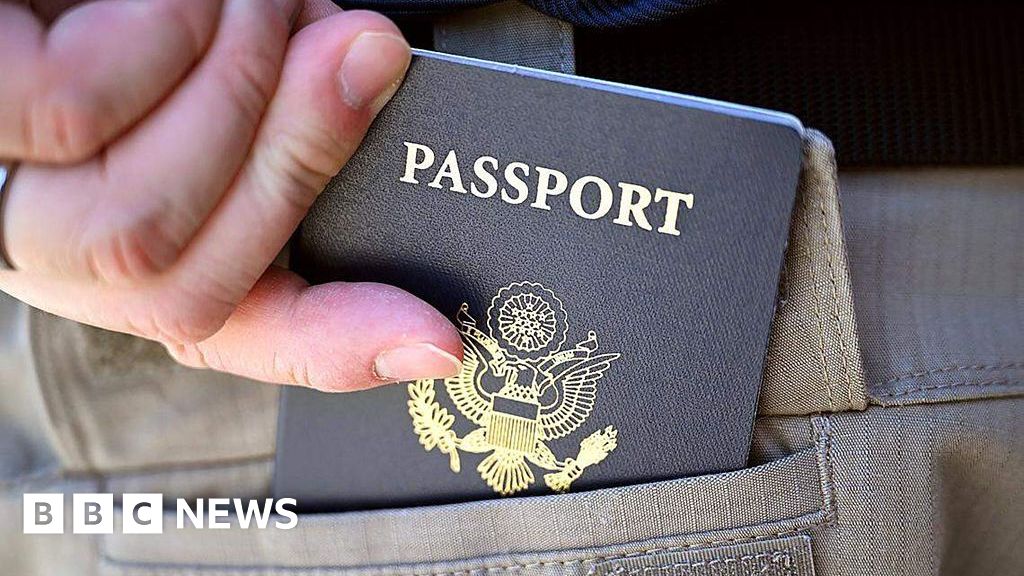
Shutdown halts U.S. citizenship ceremonies, impacting new Americans

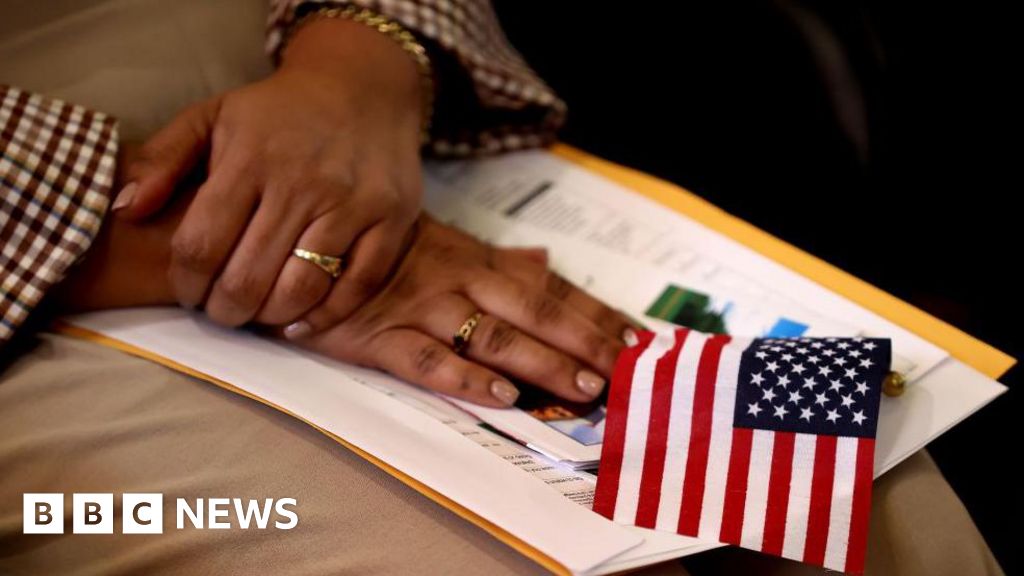
In what can only be described as a stark illustration of political paralysis impacting the lives of millions, a recent government shutdown in the United States has temporarily halted vital immigration services, leaving aspiring citizens in limbo. Amidst ongoing internal political deadlock in Washington, over 700,000 federal workers are now on unpaid leave, and the shutdown’s ripple effects threaten to undermine the integrity of America’s immigration system. This scenario underscores the profound geopolitical impact of internal divisions in one of the world’s leading powers, demonstrating how internal policy fractures have tangible consequences on individuals’ destinies and national reputation.

With the deadline for government funding having expired on October 1, lawmakers have been deadlocked in an increasingly bitter confrontation that exposes deep partisan fissures. The inability to reach a consensus has led to the shutdown, affecting core government functions. Notably, the U.S. Citizenship and Immigration Services (USCIS), although typically resilient due to funding through application fees, faced disruptions in services that are critical to those seeking U.S. citizenship and new opportunities on American soil. This disruption manifests not only as inconvenience but as a major setback for countless hopeful immigrants, many of whom have invested years, even decades, of effort in pursuit of the American dream. The shutdown accentuates a broader narrative of Washington’s failing governance, where ideological disputes threaten the fabric of social mobility and national integration.

Internationally, analysts and historians have pointed to this shutdown as a symptom of a shifting global order—one where internal discord in superpowers like the U.S. might dampen their ability to lead on the world stage. Countries in Asia, Europe, and elsewhere watch nervously as recent US policies reveal a nation grappling with its internal divisions. As political scientists warn, such internal crises could weaken U.S. soft power, embolden rivals, and fuel regional instability. Moreover, the decision to delay or cancel naturalization ceremonies—though seemingly administrative—carries symbolic weight, signaling to both allies and adversaries that America’s own governance is under strain. In a world of rising powers, where China and Russia challenge the rules of the international order, the internal disarray within the U.S. diminishes its moral authority and strategic influence.

Despite promises from officials that services will resume once a budget agreement is reached, the uncertainty continues. As the ongoing stalemate prolongs, critics argue that this exposes a fragile democracy in distress, where partisan conflicts threaten to erode institutional trust and undermine societal stability. Many experts, including prominent historians and policy analysts, warn that such internal discord could have long-lasting effects—shaping the future narrative of a nation still struggling to reconcile its ideals with political realities. Meanwhile, those caught in the crossfire remain anxious, faced with an uncertain horizon where their hopes for a new life hinge on the fragile pause of a government unable to function.

As the world watches, a profound question lingers: will this internal crisis serve as a turning point—a moment of reckoning for a nation that once projected strength and resolve—or will it mark the beginning of a period of enduring decline? History continues to unfold in the shadows of political impasse, echoing with the weight of American promises and the promise of global futures yet to be written.
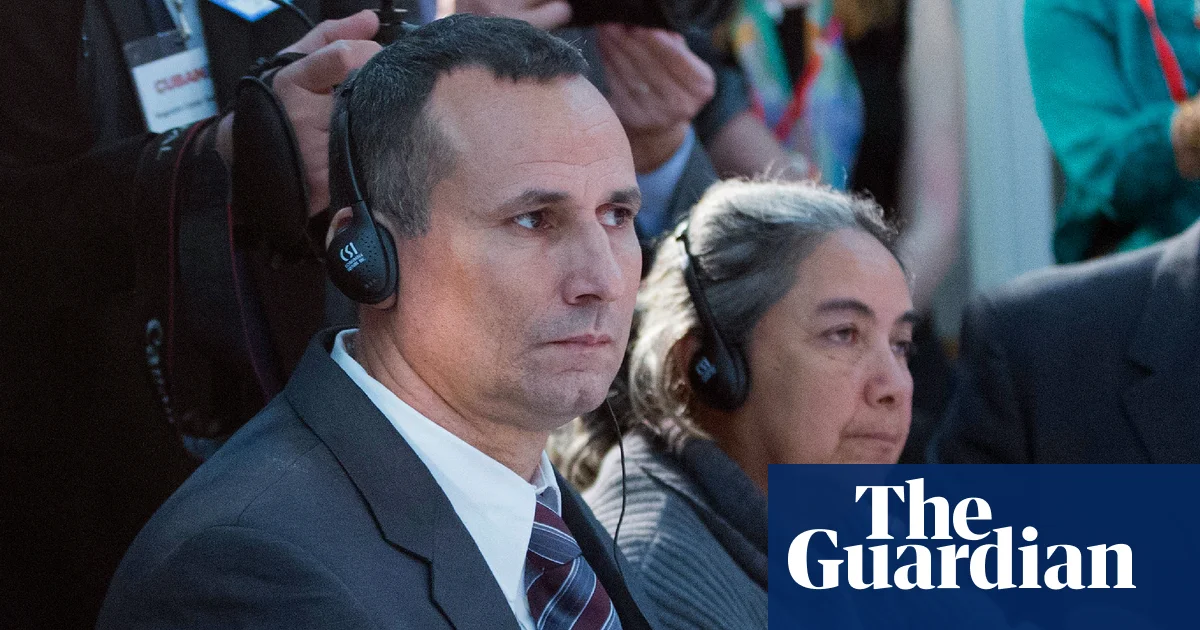
Cuban Dissident José Daniel Ferrer Allowed to Live in Exile in the U.S.

Fate of Cuban Dissident Signals Shifting Geopolitical Tide

The recent release and exile of José Daniel Ferrer, a prominent Cuban dissident, underscores the intensifying struggle between Cuba’s authoritarian regime and the growing wave of pro-democracy voices demanding change. Ferrer, the founder of the Patriotic Union of Cuba, emerged as a symbol of resilience for the island’s entrenched opposition movement, which has endured a relentless cycle of repression and exile for decades. His departure to the United States echoes a broader narrative of international power struggles over Cuba’s future—an island long caught between Cold War remnants and new global alliances.

Within the context of geopolitical impact, Ferrer’s forced exile reflects a significant escalation in Washington’s strategic posture towards Havana. After initial attempts at rapprochement, notably the 2015-2017 Obama-era negotiations, the trajectory has markedly shifted under recent U.S. administrations. The Biden administration’s brief engagement, which led to Ferrer’s release in January, was a calculated move aimed at re-engaging with Cuba only to be reversed by the Trump administration’s delisting of Cuba as a sponsor of terrorism. Such swings demonstrate the fluctuating consensus among Western powers—often driven by domestic political pressures—fueling unpredictability in Cuba’s internal affairs. With Ferrer’s exile, critics argue this signifies the weakening of internal resistance, paving the way for regime consolidation.

Ensconced within this shifting landscape are wider implications that target regional stability. Analysts note that Cuba’s prolonged repression, combined with its economic crisis—amplified by sanctions, mismanagement, and a mass youth exodus—serves as a catalyst for instability. Historian Carlos Ríos warns that the regime’s clampdown—like the recurring mass protests and political imprisonments—risks exporting tensions beyond the island, especially as diaspora communities in the United States and Latin America intensify calls for intervention. The international community’s response, notably the EU’s cautious diplomacy and the U.S.’s strategic maneuvers, highlight an ideological divide—one rooted in contrasting visions of sovereignty and democracy.

Within these mounting tensions, international actors – particularly Washington and its allies – are redefining their roles in Cuba’s future. While the Biden administration initially held out hope of fostering dialogue, the recent crackdown and Ferrer’s exile underscore the persistent resilience of the regime’s grip on power. The ongoing tug-of-war has historic echoes, reminiscent of Cold War confrontations that defined global geopolitics for decades. As Ferrer’s story unfolds, it reminds the world that Cuba remains a pivotal chess piece—its fate intertwined with broader geopolitical currents that threaten to reshape regional alliances and spark new conflicts. The question persists: will this mark the slow unraveling of Cuba’s authoritarian chains, or is it yet another chapter in a classic struggle over sovereignty, influence, and the enduring hope for freedom amid darkness?

The uncertain tides of history continue to roll in, leaving nations and societies to confront the profound realities of power, resistance, and the enduring human spirit. The story of José Daniel Ferrer is far from its final chapter; instead, it serves as a stark reminder that the battle for Cuba’s soul is ongoing, and the weight of history remains heavy, gradually guiding the world toward an uncertain destiny.

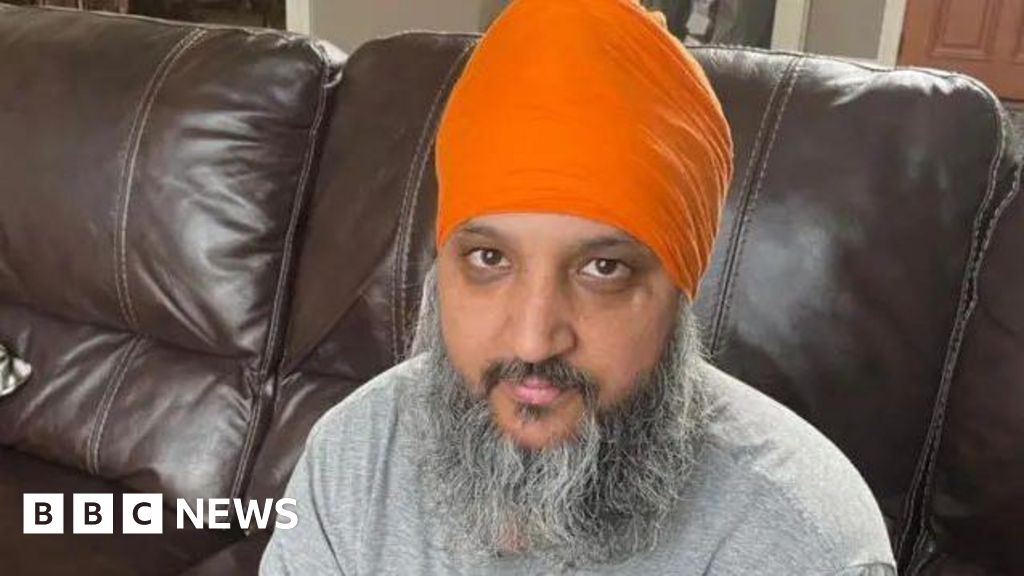
Sikh man with brain tumour detained by U.S. immigration, raising concerns about fair treatment

In recent weeks, United States immigration policies have taken center stage, revealing a complex interplay of national security, legal authority, and human rights controversies. The case of Paramjit Singh, a long-time resident of Indiana and US green card holder since 1994, exemplifies the disturbing human consequences of this policy shift. Detained amid allegations based on decades-old criminal records, Singh’s case underscores a broader pattern of aggressive immigration enforcement under the administration of President Donald Trump. As the US government pushes for the deportation of perceived “undesirables,” critics argue that this approach sacrifices fundamental fairness, particularly targeting individuals with no active criminal record or recent infractions, and ignoring humanitarian concerns such as health crises.

Singh’s detention, which has spanned over two months, is emblematic of a wider crackdown on immigration that oscillates between rhetoric and reality. The Immigration and Customs Enforcement (ICE) has invoked old cases—most notably from 1999 and 2008—to justify his detention, although family and legal advocates argue these allegations are either outdated or mistaken. The case involves Singh’s minor conviction for using a public phone without payment, a conviction that nonetheless resulted in his being barred from obtaining citizenship. More troubling is the assertion by authorities that he faces additional charges, which his family contests, claiming no such fingering exists in the state’s criminal records. This pattern suggests a potential misuse or misinterpretation of legal documents, which, when combined with the detention’s conditions, raises serious questions about procedural justice.

International observers and legal experts warn that such policies threaten not only individual rights but also geopolitical stability, especially as the US seeks to project strength through border enforcement. The detention of Singh occurs against a backdrop of a “zero-tolerance” approach emphasized by the Trump administration, with rhetoric promising the deportation of the “worst of the worst.” However, critics highlight that many non-criminal immigrants, like Singh, find themselves caught in this aggressive net, often without proper recourse. Countries such as India and Pakistan have expressed concern over cases involving alleged wrongful detention of their nationals, positioning these incidents within broader diplomatic tensions. The deportation and detention policies are thus mirrored by a rising global scrutiny, as international organizations warn of the erosion of due process and human rights protections—fundamentals upon which international law is built.

  • The detention of Singh is set for a hearing on October 14, highlighting the ongoing legal tussle that underscores the policies’ unpredictability.
  • The US administration’s emphasis on removing individuals based on historical records, regardless of current activity or health status, signals an evolving immigration paradigm that prioritizes security over fairness.
  • International reactions, especially from India, reflect growing concern over the treatment of their nationals, emphasizing how domestic policies can ripple across borders, heightening geopolitical friction in an already tense global atmosphere.

Historians like Howard Zinn and analysts at international NGOs have long warned that policies championed as “security measures” often serve as smokescreens for deeper societal exclusion and racial profiling. The Singh case is more than an isolated incident; it is a symbol of a nation grappling with its identity amidst the shadows of its immigration laws, where the weight of history—both legal and societal—continues to shape individual fates. As Singh’s case prepares for its next court hearing, the question remains: how will the US reconcile its values of justice and compassion with its choice to pursue an increasingly hardline stance? Sometimes, history seems to turn on a dime, revealing that the true cost of such policies is paid not just in legal doctrine but in the lives of ordinary people—whose stories may only be heard when the pages of history are finally turned.”

Mali Sets $10,000 Visa Bond for U.S. Visitors in Response to Biden Policies

Recent developments in Mali reveal a shifting landscape of international diplomacy and regional stability, illustrating the complex interplay of sovereignty, security, and geopolitical influence. The West African nation, historically beset by unrest and coups, has announced a unilateral decision requiring US nationals visiting Mali to post bonds of up to $10,000 (£7,500) for business and tourist visas. This move mirrors recent policies enacted by the Trump administration and signals Mali’s assertion of sovereignty against perceived external pressures. The official explanation from Mali’s foreign ministry underscores a desire to establish an “identical visa programme” as a response to Washington’s demands, emphasizing a growing tendency among African nations to push back against Western dominance in international affairs.

Despite attempts to bolster diplomatic relations—highlighted by recent high-level visits to discuss economic and security cooperation—the underlying tensions remain palpable. In July, US officials traveled to Mali with aims to promote cooperation, especially in accessing natural resources like gold and lithium, crucial to global markets. However, the recent visa restriction highlights a deeper geopolitical rift, linked to Mali’s internal political shifts and its pivot towards Russia and other regional actors. Since the 2021 coup led by Gen. Assimi Goïta, Mali’s leadership has sought to reduce Western influence, expelling French troops and bringing in mercenaries from Moscow’s Wagner Group. This controversial move has raised alarms from Western powers and international observers, emphasizing a strategic shift that challenges Western dominance in Africa.

The broader geopolitical impact of these developments extends beyond Mali’s borders, echoing across the Sahel and West Africa. Countries like Burkina Faso have mirrored Mali’s stance, refusing to accept deported migrants from the US—an act of defiance that underscores regional resistance to Western diplomatic and immigration policies. The recent suspension of US visa issuance in Burkina Faso, coupled with local government officials questioning diplomatic intentions and calling US proposals “blackmail,” indicates a new era of sovereign assertion. Analyzing this trend, analysts suggest that African nations are increasingly asserting control over their own geopolitical destinies, rejecting external interference, particularly under the guise of security or economic cooperation.

Looking ahead, the significance of this diplomatic tug-of-war is undeniable. It not only reshapes how African states engage with Western powers but also signals a momentous shift in global alliances. The decisions made today—be it Mali’s visa restrictions or Burkina Faso’s refusal to cooperate—are more than mere policies; they embody a larger struggle for geopolitical influence and control over regional narratives. As history continues to unfold, the world must reckon with a new era where sovereign nations challenge traditional power brokers, driving a wedge into the established order and rewriting the rules of international engagement. The weight of history presses heavily on the present, a stark reminder that in this interconnected world, every decision echoes beyond borders, shaping the future for generations to come.

U.S. Envoys Travel to Egypt for Gaza Ceasefire; Trump Claims Breakthrough Near

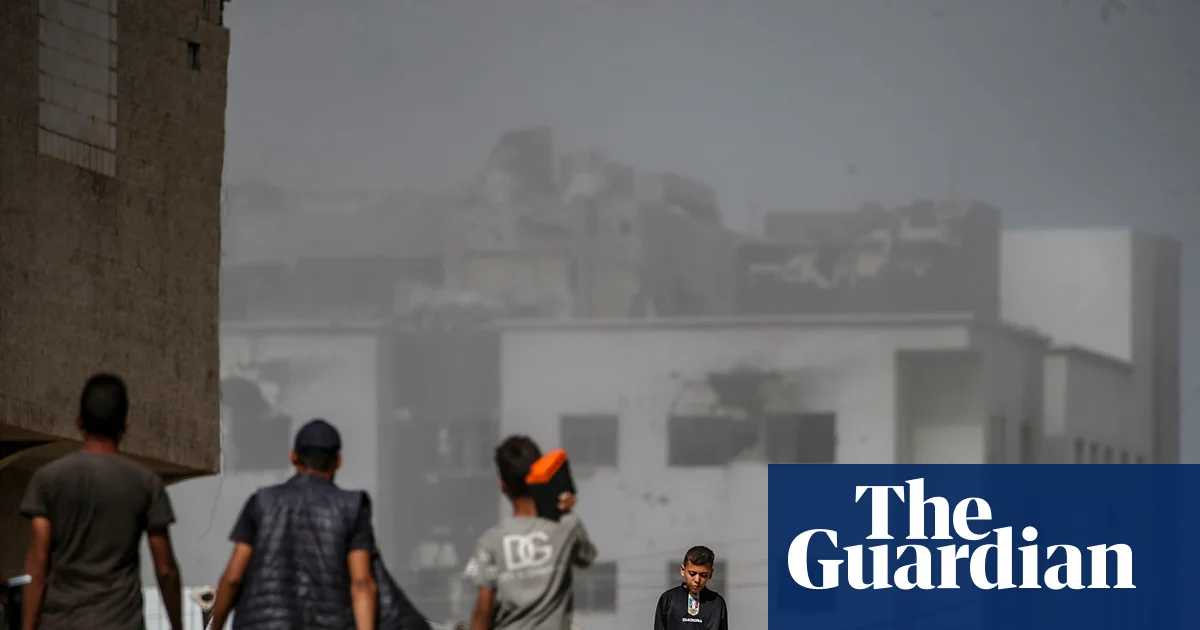
In a development marked by international diplomacy and regional instability, the United States appears to be intensifying its role as a pivotal mediator in the ongoing gaza conflict. White House officials announced that Jared Kushner, former senior advisor and son-in-law to President Donald Trump, along with Steve Witkoff, are heading to Egypt to negotiate a potential ceasefire and hostages’ release. The move signals an active US attempt to de-escalate violence that has claimed thousands of lives, primarily among civilians, in Gaza. Amid the fragile diplomatic climate, Egypt is poised to host delegations from Israel and Hamas on Monday, reflecting its strategic position as a regional diplomatic hub. The implications of these negotiations extend beyond mere hostages, touching upon the very sovereignty and security of multiple nations involved in this complex turmoil.

The geopolitical impact of these developments resonates profoundly as Israel strives to recover its image and assert military dominance, while Hamas remains resistant to diplomatic overtures and continues to resist disarmament demands. Israeli Prime Minister Benjamin Netanyahu expressed hope of bringing home all remaining hostages during the upcoming Jewish holidays of Sukkot, emphasizing the political weight of the negotiations. Meanwhile, Trump publicly articulated that the US is “very close” to an agreement, claiming that “every country of the world in favor” of the deal. His remarks coincide with accusations from Hamas that Israel’s continued massacres and bombings defy the narrative that military operations are being scaled down, suggesting that the peace process remains fragile and fraught with accusations and distrust. The outcomes of these negotiations hold significant geopolitical consequences, impacting regional stability and international perceptions of conflict management.

The humanitarian toll in Gaza continues to deepen, with reports of at least 17 Palestinians killed in a single Israeli attack on Saturday, most of whom were women and children. The escalation includes targeted drone strikes, house raids, and a brutal blockade that, according to UN experts and humanitarian agencies, risks crossing into a chapter of genocide. Israel rejects this classification, asserting its actions are strictly for self-defense. Historians and analysts warn that such escalations threaten to ignite a broader regional confrontation, with Turkey’s Recep Tayyip Erdoğan playing a distraction role by pressing Hamas for a swift resolution. As the world watches, the underlying question remains—will diplomatic negotiations hold, or will this cycle of violence spiral into a larger regional conflict, dragging everyone into an unpredictable and destructive future?

In the shadow of global diplomacy, the pieces are moving on a geopolitical chessboard that could tilt toward peace or chaos, with history’s pen poised to write its next chapter. The current negotiations may serve as a fleeting turning point or a tragic foreshadowing of an even darker era. As the world holds its breath, the ongoing dance of diplomacy and warfare underscores the harsh reality that in this volatile region, the decisions of today will echo through generations, shaping a future where hope and despair remain locked in mortal conflict.

China Launches First Talent Visa as U.S. H-1B Limits Climb

China’s New Visa Program Signals Strategic Push for Global Tech Talent

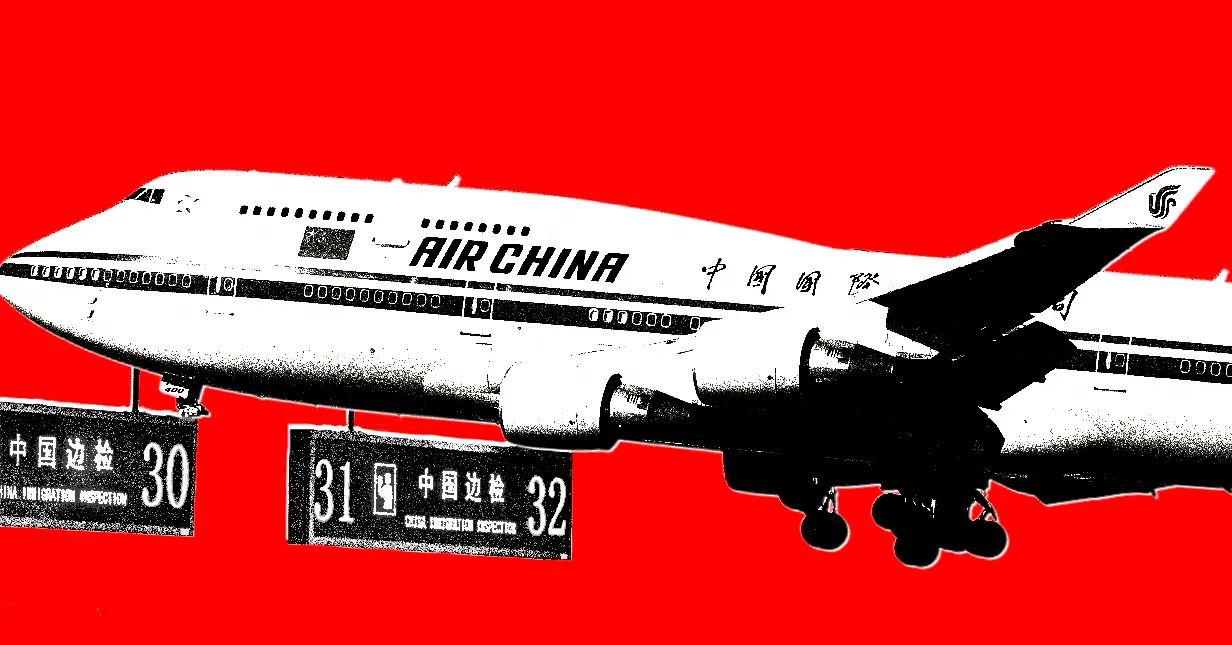
In a bold move demonstrating disruption and modernization, China has launched the K visa initiative, explicitly designed to attract young STEM professionals from top universities worldwide. The policy, unveiled amid rising youth unemployment and mounting international competition for technical talent, marks a strategic shift in China’s approach to fostering innovation-driven growth. While it echoes the US’s H-1B system on the surface, China underscores that its program primarily aims to facilitate international exchange and cooperation rather than simply staffing its industries.

The launch of the K visa signifies more than just a talent acquisition effort; it symbolizes a broader industry disruption—particularly in the global race for next-generation technologies. Industry analysts suggest this move could recalibrate the balance of technological innovation, positioning China as an increasingly attractive hub for scientific research and development. Experts like Gartner and MIT researchers warn that this could accelerate China’s ascent as a dominant player in AI, biotech, and quantum computing—areas crucial for future economic dominance. The implications for business leaders are clear: companies aiming to stay ahead must now consider China not just as a manufacturing powerhouse but as a key innovator and partner in STEM collaborations.

Disruption and Industry Shifts

The K visa’s arrival has generated a complex landscape of competitive disruption and geopolitical tension. While President Trump’s policies have tightened visa restrictions in the US, China’s more open stance is reshaping the global talent pipeline, creating a market shift that could favor Chinese innovation hubs over traditional Western centers. This move is part of a broader agenda to diminish reliance on foreign talent—yet paradoxically, it leverages international expertise to bolster domestic capabilities. It signals a paradigm shift: nations are now competing not just through tariffs or economic sanctions but via **human capital and technological collaboration**.

  • Enhanced pathways for foreign STEM professionals to study, work, and innovate in China
  • Potential acceleration of China’s leadership in emerging tech sectors
  • Intensified competition with Western nations for top-tier talent pools
  • Risks of social backlash and nationalistic resistance, indicating complex political undercurrents

However, industry insiders warn that the program’s success hinges on carefully balancing international openness with nationalism, as social media buzz reveals resistance rooted in fears of job displacement and cultural marginalization. Critics highlight that the backlash, often tinged with nationalist rhetoric, could hamper China’s efforts to establish a sustainable innovative ecosystem. Still, the Chinese government remains committed to this strategic push, signaling a clear message to the global tech community: the quest for technological supremacy is now fought on human resource fronts.

Looking Ahead: Urgency in the Tech Race

This evolving scenario places the global tech landscape at a tipping point. As Peter Thiel and other visionary investors emphasize, the future belongs to those who can attract and mobilize talent at scale. Countries that succeed in doing so—whether through policies like China’s K visa or similar initiatives—will set the tone for decades to come. The window for Western nations to innovate proactively and foster open yet strategic talent pipelines is closing fast. The pursuit of disruption and frontier innovation demands action now, as the fusion of talent and technology becomes the defining arena of global power.

In this high-stakes environment, staying ahead requires not only technological breakthroughs but also innovation in talent acquisition and mobility strategies. The race for supremacy in the tech economy is accelerating, and the nations that recognize this shift earliest will shape the future landscape of global influence and prosperity. The time to act is now—disrupt or be left behind.

Inside Trump and Hegseth's high-level meet with U.S. generals
Inside Trump and Hegseth’s high-level meet with U.S. generals

US Military Overhaul Signals Shift Toward Traditional Values Under New Administration

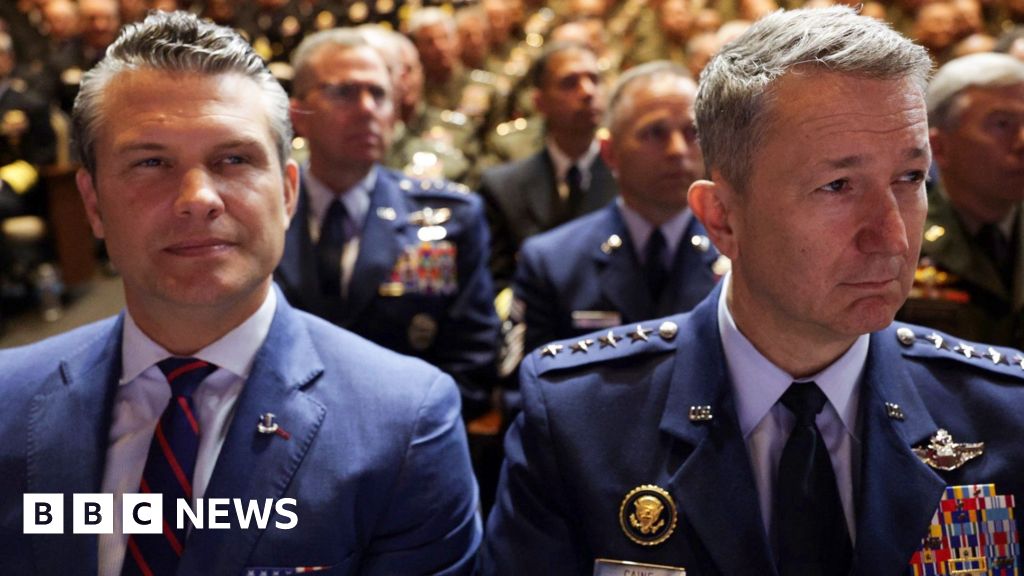
In a striking display of military restructuring, hundreds of US generals and admirals convened this week at the Marine Corps Museum in Quantico, Virginia, marking a rare event that underscores a significant shift in American defense policy. Summoned from their international postings, these senior leaders received a set of deliberate directives from Defense Secretary Pete Hegseth, indicating a deliberate move toward conservative, traditional values within the armed forces. This assembly signals more than just internal discipline; it embodies a broader geopolitical stance that could reshape America’s military posture and its diplomatic interactions worldwide.

The core of these directives revolves around bolstering physical fitness, grooming standards, and a contentious emphasis on returning to “the highest male standard” for combat roles. Such measures appear designed to reinforce a sense of discipline rooted in traditional masculinity, which some analysts argue could be a strategic move to strengthen the military’s fighting spirit amid escalating global tensions. The timing coincides with a presidential address from President Donald Trump, who articulated a desire for an armed forces that embody American strength and resilience. The directives reportedly include stringent new standards, likely transforming recruitment criteria, training, and the internal culture of the US military, with ripple effects expected to influence international perceptions of US military readiness and ideological direction.

This move has ignited debate among international scholars and security experts about its geopolitical implications. Critics warn that emphasizing a return to traditional gender standards and physical requirements may marginalize certain groups and could hinder the diversity and adaptability of the armed forces. Conversely, supporters contend that such measures are vital for restoring discipline and effectiveness, particularly as global rivals like China and Russia demonstrate increased military assertiveness. The shift reflects a broader ideological realignment within the US, which some see as a deliberate effort to reassert American strength by emphasizing traditional notions of masculinity as a core component of military readiness.

Historian and geopolitical analyst Dr. Emily Carter notes that these developments are influenced by a series of mounting challenges that threaten longstanding global stability. “This is not just about discipline; it’s about a strategic culture shift,” she emphasizes, pointing to recent international conflicts and the unpredictable trajectory of global alliances. Until now, the US military’s leadership has emphasized inclusiveness and modernization, but the new directives suggest a purposeful pivot back toward a more rugged, traditional form of military excellence—one that signals a willingness to confront global rivals with renewed confidence. Such decisions, however, also raise questions: how will allies and adversaries perceive this American reassertion? And what are the long-term effects on America’s internal unity and global influence?

As the world watches this transformation unfold, the weight of history looms large. Each decision redefines the battlefield—not only of military conflicts but of international ideology and influence. Major powers are quietly recalibrating their strategies in response, recognizing that the true nature of victory extends beyond battlefield tactics to cultural resilience. Underneath the surface, a global contest whispers —a battle of values that challenges the very fabric of society and determines the future direction of our interconnected world. The unfolding story of the US military’s ideological evolution is a testament to the enduring rivalry between tradition and modernity, where every step taken today echoes across the corridors of history, shaping the destiny of nations yet to come.

U.S. Teen Freed by Taliban After Nine Months Behind Bars

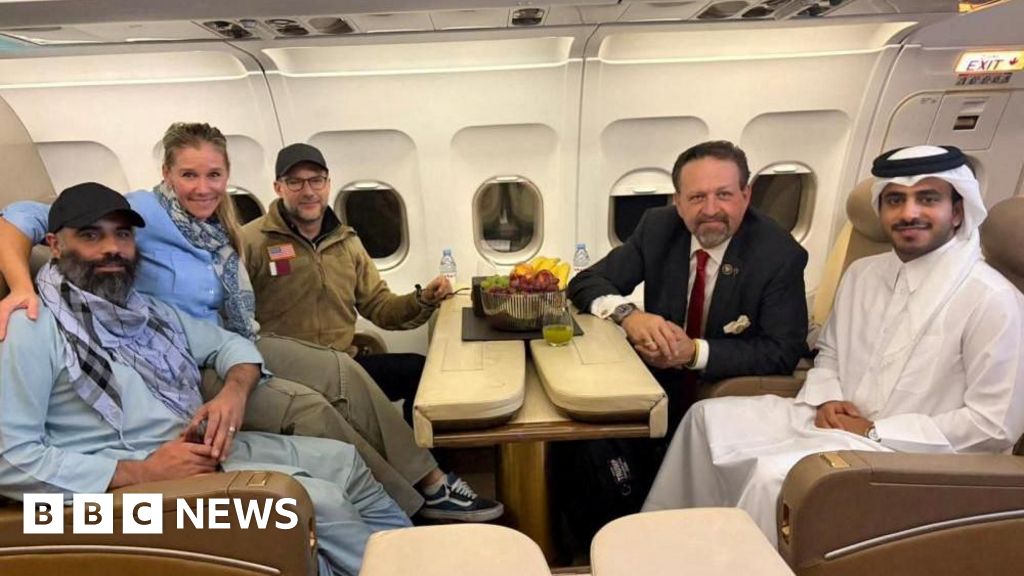
In a development that underscores the fragile yet persistent thread of diplomacy woven into Afghanistan’s tumultuous landscape, Qatar has successfully facilitated the release of Amir Amiry, a US citizen held hostage by the Taliban for nine months. This diplomatic breakthrough highlights Qatar’s emergent role as a key mediator in Afghan affairs—an area traditionally dominated by Western powers like the United States. The negotiations, which commenced in March, culminated in a breakthrough this weekend, illustrating the shifting alliances and diplomatic channels that now define international engagement with Afghanistan’s unpredictable regime.

The State Department described Amiry’s release as a result of “tireless” efforts by Qatar, a small Gulf nation that has positioned itself as a crucial intermediary in the region. Such efforts are increasingly pivotal, given the U.S. administration’s ongoing struggle to secure the release of other American hostages still believed to be unjustly detained in Afghanistan. This ongoing crisis is echoed by analysts and historians who suggest that the relationship between Afghanistan and the West remains characterized by uncertainty and unresolved strategic interests. The U.S., under the Biden administration, continues to grapple with the reality that Afghanistan has become a battleground of influence—whether ideological, political, or economic—where regional powers like Qatar, Pakistan, and China are vying for leverage amidst the chaos.

Significantly, the recent prisoner swap in January saw the U.S. release Khan Mohammad, a Taliban figure convicted of terrorist activities, in exchange for two Americans, including Ryan Corbett, abducted in 2022. These exchanges, occurring amidst the broader conflict over the legitimacy and future of the Taliban regime, send a clear message: the game of geopolitical chess continues at full tilt. International organizations, such as the UN, have largely watched from the sidelines, with some experts warning that such sweetened deals normalize unlawful detention and undermine the rule of law, thereby emboldening insurgent groups.

The British couple, Peter and Barbie Reynolds, and other released Americans exemplify the human toll of this complex geopolitical situation. Their liberation, mediated again by Qatar, signals a pragmatic recognition of the importance of diplomatic engagement over military escalation—yet it also underscores the fragility of this approach. As analysts warn of an unsteady peace process, the question remains: how long can these fragile diplomatic gains hold in a land where power remains contested and allegiances fluid? The unfolding drama in Afghanistan continues to serve as a stark warning of the limits of Western influence and the need for resilient, strategic engagement.

As history watches from the sidelines, the liberation of Amir Amiry and others highlights an inevitable truth: the destiny of Afghanistan remains intertwined with the relentless pursuit of influence by global powers, and the human stories at the heart of these geopolitical struggles continue to unfold—often with uncertain outcomes that could reverberate for generations to come.

Palestinian Leader Opens Door to Work with U.S. on Two-State Solution

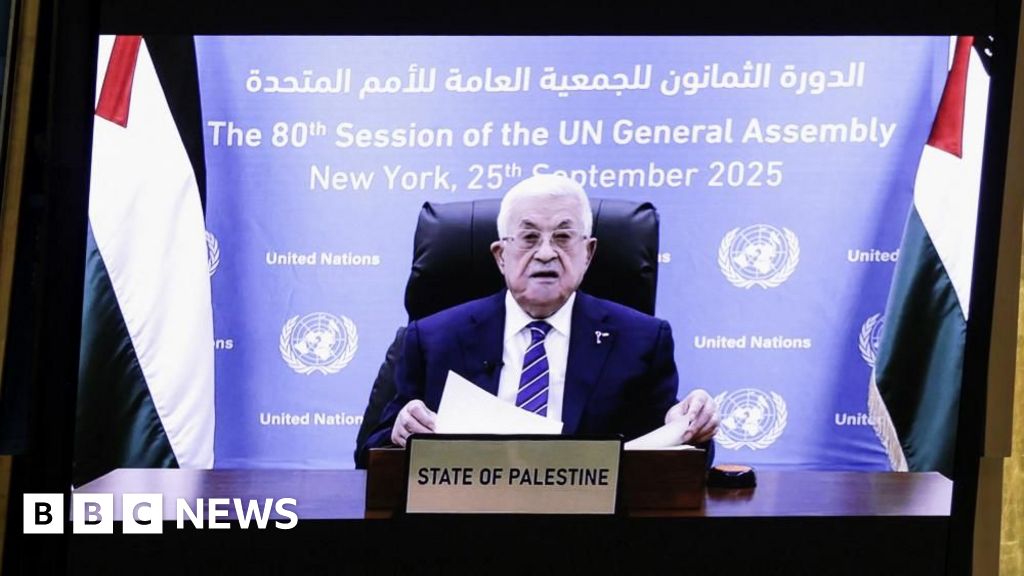
Amid the ongoing turmoil in Gaza, Palestinian President Mahmoud Abbas has asserted his readiness to collaborate with the international community to advance the peace initiatives proposed by France. Speaking via a recorded message at the United Nations General Assembly, Abbas emphasized his unwavering stance against a future governing role for Hamas in Gaza, demanding its disarmament as a prerequisite for any lasting peace. This position underscores the persistent internal divisions within Palestinian politics, which continue to complicate efforts toward national sovereignty and stability in the region. As the recipient of renewed international attention, Palestine’s quest for full recognition and independence remains a pivotal turning point with significant geopolitical impacts.

The recent outbreak of violence in Gaza, triggered by Hamas’s deadly attack on Israel on 7 October 2023, has resulted in tremendous loss and suffering. The attack, which claimed the lives of approximately 1,200 civilians and led to the abduction of 251 hostages, has been widely condemned as a reprehensible act, yet it precipitated a brutal Israeli military response. According to Gaza’s Hamas-led health ministry, over 65,000 Palestinians, many of them women and children, have been killed in the ensuing conflict—highlighting the catastrophic human toll. Analysts warn that this relentless cycle of violence threatens to undermine any hopes for peace, potentially altering the political landscape in the Middle East for decades to come.

The peace plan announced by French President Emmanuel Macron at a recent regional summit signals a possible pathway toward de-escalation. The proposal advocates for the simultaneous release of Hamas-held hostages and an end to Israeli military operations, followed by the establishment of a transitional administration — comprising Palestinian Authority officials and excluding Hamas — to govern Gaza. This plan envisions a sovereign, demilitarized Palestinian state that would incorporate Gaza with the Israeli-occupied West Bank, aiming to usher in a new chapter of stability and sovereignty. However, both the United States and Israel have dismissed the initiative, fearing it legitimizes terrorist groups and rewards militant unrest. This divergence in support highlights the fragile balance of international diplomacy in a conflict still deeply entrenched in historical grievances and power struggles.

Throughout this upheaval, Abbas has called upon the international community to recognize Palestine as a sovereign state and grant it full membership in the UN—an effort to bolster national legitimacy and pressure global powers to reconsider their policies. Countries like Canada, Australia, the UK, and Portugal have already extended recognition, while the U.S. remains opposed, citing fears of encouraging Hamas’s influence. As historians and analysts observe, such recognitions symbolize a pivotal shift, challenging the longstanding international stance that has kept Palestine in diplomatic limbo. Abbas’s call for electoral reform and the promise of a democratic Palestinian state underscore the urgent desire among Palestinians to redefine their future, yet the path remains obstructed by external intervention and internal discord. As the world watches, the fate of Gaza—and the broader Middle East—hangs in the balance, with each decision resonating far beyond the region’s borders, shaping the course of history yet to unfold.

Colombia’s president slams U.S. crackdown on drug boats as a tyrannical move

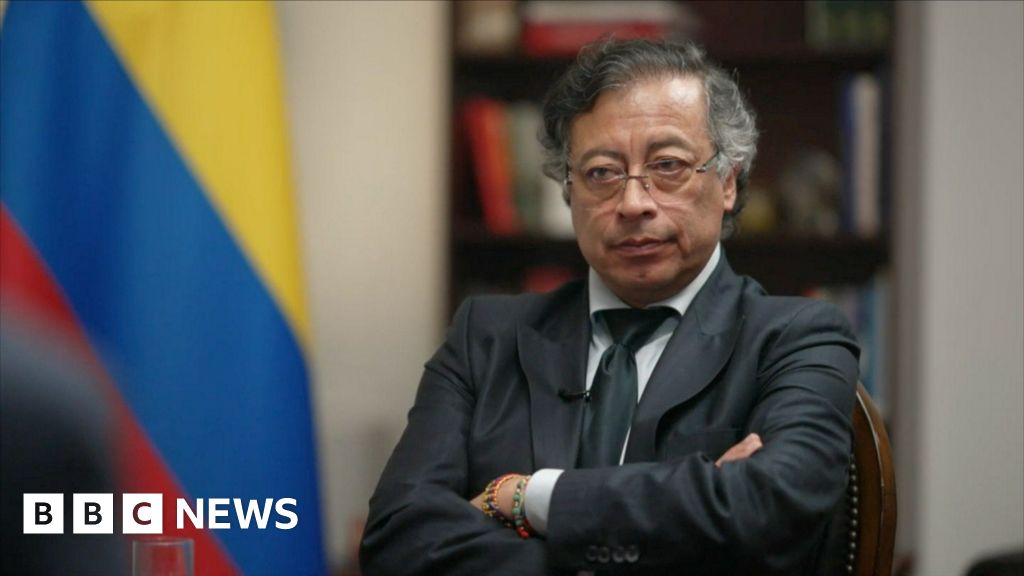
The recent US military strikes in the Caribbean Sea have ignited a fierce international debate over sovereignty, legality, and the future of U.S.-Latin American relations. The Biden administration, continuing a contentious policy from the previous Trump era, launched airstrikes targeting alleged drug-trafficking vessels in what they frame as a necessary crackdown on narcotics entering the United States. However, Colombia’s President Gustavo Petro has denounced these strikes as an “act of tyranny,” warning that such unilateral military actions threaten regional stability and violate international laws. His outspoken opposition underscores a broader sense of Latin American mistrust toward U.S. interventions, especially when international norms appear to be sidestepped in pursuit of drug interdiction goals.

This confrontation is not merely about drug traffickers but reflects a deeper battle over sovereignty and the rule of law across the hemisphere. The Biden administration’s secrecy around the operation—failing to disclose targets, identities of those killed, or legal justifications—has prompted outrage among international legal experts and lawmakers. Many question whether such targeted killings in international waters contravene international human rights laws or if they constitute extrajudicial executions, as flagged by UN authorities. The lack of transparency fuels accusations that the U.S. is prioritizing aggressive tactics over diplomatic efforts, risking to alienate critical regional allies.

Analysts from various international organizations warn that these actions could set a dangerous precedent, transforming the Caribbean Sea into a theatre of shadow warfare where sovereignty is disregarded in the name of combating narcotics. Historians point out that the United States’ history of military interventions in Latin America has often led to long-term instability, interference that has historically favored strategic interests over regional welfare. The question remains: How will such policies reshape the geopolitical landscape? Already, Venezuela and other neighboring nations voice increasing apprehension, seeing the strikes as provocative attempts to destabilize their governments and economic systems.

Meanwhile, President Petro has clearly framed this conflict as an assault on national sovereignty. His call for criminal investigations into U.S. officials involved in these strikes underscores a broader warning—interventionism breeds resentment and undermines mutual trust. As tensions intensify, the implications extend beyond immediate security concerns: they threaten to fracture regional alliances, fueling anti-American sentiment and strengthening nationalist narratives. The international community, including dissenting voices within the UN, is watching closely, with some experts warning that this escalation could unravel decades of diplomatic progress and usher in a new phase of proxy conflicts and rivalries.

As the world grapples with this unfolding crisis, the echoes of history remind us that such decisive moments often _determine the fate_ of nations for generations to come. With the weight of sovereignty, legality, and societal stability hanging in the balance, the geopolitical impact of these decisions will ripple across continents. Public sentiment in Latin America, influenced by a legacy of intervention and resistance, hints at a rising tide of nationalistic resilience—an obstacle that the United States now faces as it navigates an increasingly complex and divided world stage. The pages of history are being written at this very moment—with each strike, each diplomatic rebuff, shaping a future where control is contested not just in the halls of government, but in the minds of nations and peoples threatening to forge their own destinies amid the chaos of international power struggles.

Social Media Auto Publish Powered By : XYZScripts.com