Matox News

Truth Over Trends, always!

Kenyan Activists Vanish in Uganda, Bobi Wine Reports
Kenyan activists who vanished in Uganda are finally safe—after five weeks on the run

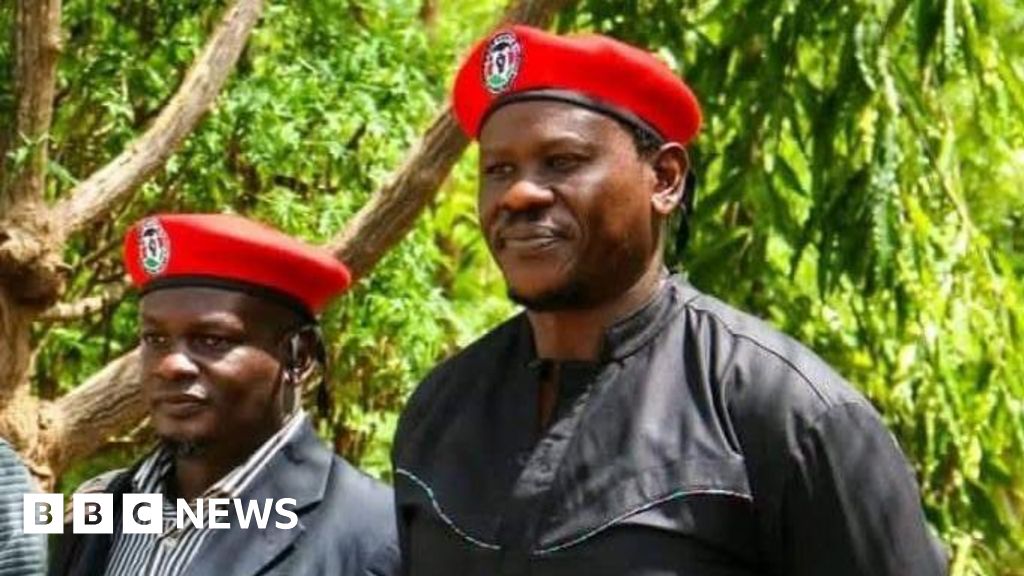
In a landscape marred by political turbulence and ongoing human rights violations, recent revelations from Kenya have cast a stark light on the escalating repression across East Africa. Human rights organizations report the unexpected return of two activists, Bob Njagi and Nicholas Oyoo, after being forcibly disappeared in Uganda for over five weeks. Eyewitness accounts depict masked security personnel kidnapping the men as they supported Bob Wine, the charismatic opposition figure challenging Ugandan President Yoweri Museveni. Despite Kampala’s denials of custody, the activists’ safe transition back to Nairobi signals a possible shift—and perhaps a warning—regarding how authoritarian regimes may be losing ground in their efforts to silence dissent.

Mets of Ugandan security practices, frequently condemned by international bodies, have long targeted opposition supporters and perceived critics, often operating under murky legal cover. The case of Njagi echoes previous episodes of enforced disappearances and mistreatment, which have become emblematic of regional efforts to suppress political opposition. Historians and analysts warn that these actions are emblematic of a broader pattern of authoritarian consolidation in Uganda and neighboring countries, where legal systems are weaponized against those daring to challenge the status quo. Notably, entities like Amnesty International have highlighted the dangers of such tactics, framing them as deliberate attempts to eradicate political pluralism under the guise of national security.

The incident also underscores growing regional tensions, as current geopolitical shifts threaten to redefine East Africa’s stability. Kenya’s role as a regional hub for diplomacy and activism appears increasingly vital, especially as Ugandan authorities face internal and external pressure. The interconnectedness of these events, reinforced by recent detentions of activists like Boniace Mwangi and Gather Atuhaire in Tanzania, reveals an unsettling trend: governments seemingly collaborating to quell opposition and monitor civil liberties. Such cooperation among authoritarian-leaning regimes risks destabilizing the region’s fragile democratic gains, prompting concerns from international observers about the potential erosion of liberties across eastern Africa.

Looking ahead, the unfolding narratives of suppression, resistance, and shifting alliances propel the region into uncharted territory. According to analysts from International Crisis Group and regional think tanks, these developments are not isolated but indicative of a broader, regional strategy to tighten control at a time when democratic voices threaten to resound louder than ever before. As the peoples of East Africa witness the resurgence of repression amid a rising tide of activism, history is poised at a pivotal juncture—one that will ultimately determine whether these countries march toward authoritarian stagnation or awaken to a new era of genuine democratic renewal.

Within this volatile crucible of power struggles and human rights reckonings, the region’s fate hangs in delicate balance. The journey of Njagi, Oyoo, and countless others reflects a broader, often unseen struggle—one that echoes across the corridors of history and challenges the very notion of sovereignty, justice, and liberty. As the world watches, the unfolding chapters of this conflict threaten to redefine the geopolitical map and leave an indelible mark on the fabric of history itself—an enduring reminder that the fight for human rights remains an enduring, global conflict.

Uganda and Kenya landslides claim over 40 lives — a tragic reminder of the need for better preparedness

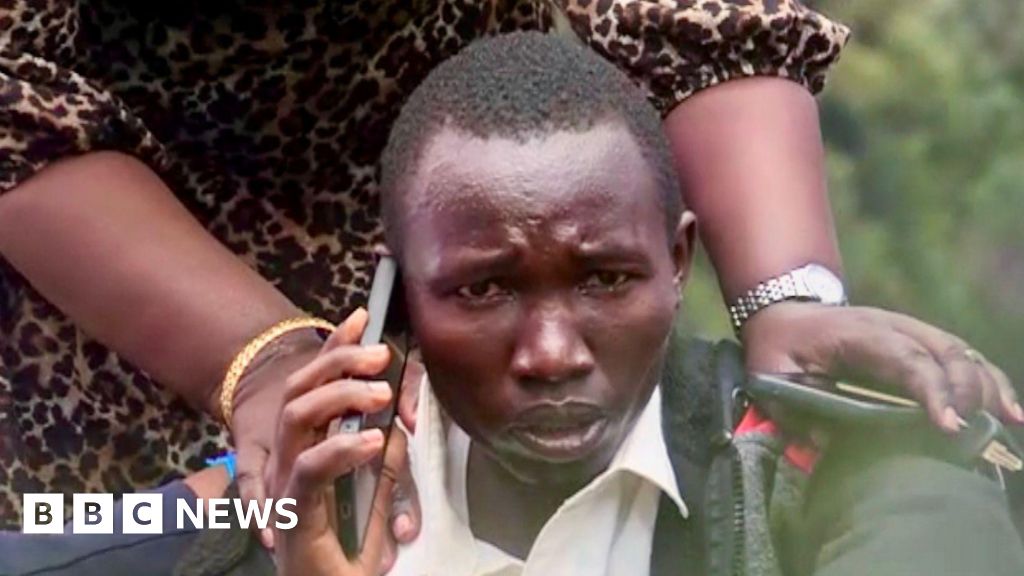
The recent landslides that ravaged the border regions of Kenya and Uganda have exposed not only the region’s vulnerability to natural calamities but also the broader geopolitical and societal implications of climate-induced disasters. Over 40 lives have been lost—blighted by relentless heavy rainfall and unsafe housing in the volatile terrains of the Great Rift Valley. Families are mourning, communities are displaced, and rescue efforts are hampered by ongoing mudslides, underscoring the urgent need for international attention and effective preventative strategies. This tragedy demands a deeper understanding of how environmental instability inside Africa can ripple into regional security concerns, migration patterns, and diplomatic relations, especially in a world increasingly affected by climate change.

Historically, Kenya and Uganda’s landslides are not isolated incidents. Record-breaking rainfall and deforestation since 2010, exemplified by the tragic death of approximately 300 people in the Ugandan town of Bududa, signify a mounting crisis tied to climate stressors. Analysts such as Dr. Emily Chen of the International Climate Agency warn that the frequency and intensity of such natural disasters are expected to rise, especially as local authorities lack comprehensive infrastructure to mitigate these risks. The decision by both governments to distribute modest compensation—5 million shillings in Uganda for the deceased and survivors—stands as a superficial Band-Aid, offering little in the way of sustainable prevention or resilience. The underlying threat extends beyond immediate loss; it heralds a future where climate vulnerability could undermine developmental gains, spark regional displacement, and destabilize fragile societal structures.

The geopolitical impact of these disasters extends into international corridors of power. Global institutions are watching, yet much of the response remains reactive rather than proactive. Countries like Kenya and Uganda are grappling with the repercussions, as their governments face mounting pressure to implement climate adaptation policies. Some experts argue that failing to address these environmental challenges could lead to increased migration across borders, thus straining neighboring nations and potentially fueling regional tensions. As researchers emphasize, the decision to build homes on unstable slopes is a perilous gamble with societal safety—highlighting the critical need for stricter land-use policies informed by scientific analysis. This disaster also serves as a stark warning for international cooperation, emphasizing that climate change is a threat not confined within national borders but a challenge requiring united global action.

As the tragic echoes of lives lost amid relentless mudslides fade into history, the question remains: Will this be a wake-up call for the world to act decisively against the climate crisis? When shifting lands and rising waters threaten to rewrite the map of East Africa, nations face a critical choice—adapt, or witness their societies unravel amid the dust and debris of ignored warnings. With every landslide that obliterates hopes and homes, the weight of history bears down more heavily. The unfolding story of environmental calamity in Kenya and Uganda is not merely a regional issue but a pivotal chapter in the narrative of humanity’s struggle against nature’s fury—a testament to the urgent need for global vigilance and action before more chapters are written in tragedy.

Uganda tragedy: Over 60 lives lost in devastating road crash

In a devastating incident that has sent shockwaves across Uganda, a catastrophic highway crash resulted in the deaths of 63 people, highlighting ongoing issues with road safety and the broader socio-economic challenges faced by the East African nation. The tragedy unfolded at approximately 00:15 local time on the Kampala-Gulu Highway, a critical artery connecting the capital with northern regions. Police reports indicate that two buses traveling in opposite directions collided head-on during an attempted overtaking maneuver—an act often driven by economic necessity and the pressures of rapid mobility in developing nations.

This incident underscores a deeper, systemic problem—the dangerous practice of overtaking on busy highways, which authorities have consistently linked to cause and consequence of fatalities. The police statement emphasizes that such reckless actions “remain one of the leading causes of crashes in the country,” revealing a societal issue intertwined with economic hardship and infrastructural deficiencies. Many analysts suggest that Uganda’s transportation infrastructure has not kept pace with population growth and urban expansion, forcing drivers into risky behaviors at the expense of safety. This tragedy echoes similar patterns seen in other developing nations, where quick economic growth often comes with a toll—an increasing number of preventable deaths and injuries that threaten to destabilize local communities and undermine development efforts.

From an international perspective, this incident is emblematic of broader regional challenges. East Africa, with countries like Kenya and Tanzania, faces infrastructural gaps that constrain economic progress and regional integration. It also raises questions about the effectiveness of governance and regulation, as governments grapple with balancing development and safety. Notable analysts, including those at the United Nations Economic Commission for Africa, warn that without targeted investments and stricter enforcement of safety protocols, such tragedies will persist, further entrenching social inequalities and hindering sustainable growth. Meanwhile, local governments are under mounting pressure to improve transport safety standards and public awareness, efforts that are often hampered by limited resources and corruption.

Historically, such events serve as poignant reminders of how decisions made today shape the future fabric of societies. The Ugandan crash is a stark symbol of the costs borne by nations in a period of rapid transition—costs that are amplified by geopolitical shifts and economic ambitions. As Uganda and other African nations seek to position themselves within the global economy, the need for resilient infrastructure and stronger institutions becomes crucial. The implications extend beyond transportation, touching on issues of governance, social justice, and national security, which are all interwoven in the quest for stability and prosperity. With international organizations calling for more comprehensive approaches, the question remains: how long can societies continue sacrificing safety in the rush towards modernization?

As history unfolds, the tragic echoes of this traffic collision leave a haunting message: the path forward is fraught with peril, and the choices made today will determine the legacy left for future generations. Will Uganda and similar nations heed the warning and prioritize safety and governance, or will they risk more preventable crises that threaten to unravel their social fabric? The weight of history presses down, reminding us that each decision—on roads, in policy, and in leadership—takes us one step closer to either progress or profound disaster. The story of Uganda’s roads is still being written, and its chapters could define the future of an entire region.”

Kenyan Activists Vanish in Uganda, Bobi Wine Reports

The recent abduction of two Kenyan human rights activists, Bob Njagi and Nicholas Oyoo, in Uganda has sent shockwaves through an already volatile region. Reported to have been forcibly taken while attending a campaign event linked to opposition leader Bobbi Wine, these disappearances underscore a deepening concern over the suppression of political dissent in East Africa. Aligning with historical patterns, their alleged abduction by armed men—likely security operatives operating outside formal channels—raises alarms about the growing use of clandestine tactics to silence opposition voices. Such acts violate fundamental international human rights standards, yet they epitomize the troubling trend of government-led repression in countries where political stability is often maintained through coercion and fear.

As Uganda approaches a pivotal election, the backdrop of these events becomes even more fraught. With Yoweri Museveni, who has held power since 1986, seeking to extend his rule, opposition figures increasingly face intimidation tactics that border on outright violence. Experts warn how such actions threaten the democratic fabric of the country: when activists and opposition supporters vanish without explanation, it not only stifles political debate but also destabilizes the social order. Human rights organizations like Vocal Africa have condemned the abductions, citing a pattern of government-sponsored abductions and disappearances across the region—some of which have resurfaced under dubious circumstances, revealing a disturbing cycle of enforced silence.

The geopolitical impact of these developments extends beyond Uganda and Kenya. The region’s stability hinges on the respect for political freedoms; persistent crackdowns risk inciting wider unrest and encouraging authoritarian tendencies across East Africa. Analysts highlight how governments may be colluding, consciously or subconsciously, to suppress dissent, thwart democratic processes, and consolidate power through intimidation and extralegal force. This environment emboldens those in power but threatens the societal fabric, illustrating how decisions made today will shape the regional political landscape for generations to come. Such incidents have drawn stark parallels to past episodes, including the mysterious detention and resurfacing of opposition leaders and activists, which often culminate in court cases that serve as show trials or placeholders for further repression.

International bodies and regional watchdogs warn of the dangerous precedent this sets, emphasizing that unchecked repression could catalyze instability across neighbouring nations. East African governments face a critical choice: either continue down a path of suppression or embrace the reform necessary to foster genuine democratic development. With each disappearance, society’s core values—freedom, justice, and human dignity—are imperiled. As history unfolds in real-time, the voices of the oppressed echo in the corridors of power, reminding the world that the true mettle of a nation is revealed when its darkest moments are confronted with unwavering resolve. In this ongoing saga of power and resistance, the stakes are nothing less than the future of civilian civilization in East Africa, as the weight of history hangs heavily in the balance—waiting for a decision that could alter the course of history itself.

Social Media Auto Publish Powered By : XYZScripts.com



