

International Tensions Escalate as Gaza Humanitarian Efforts Face New Challenges
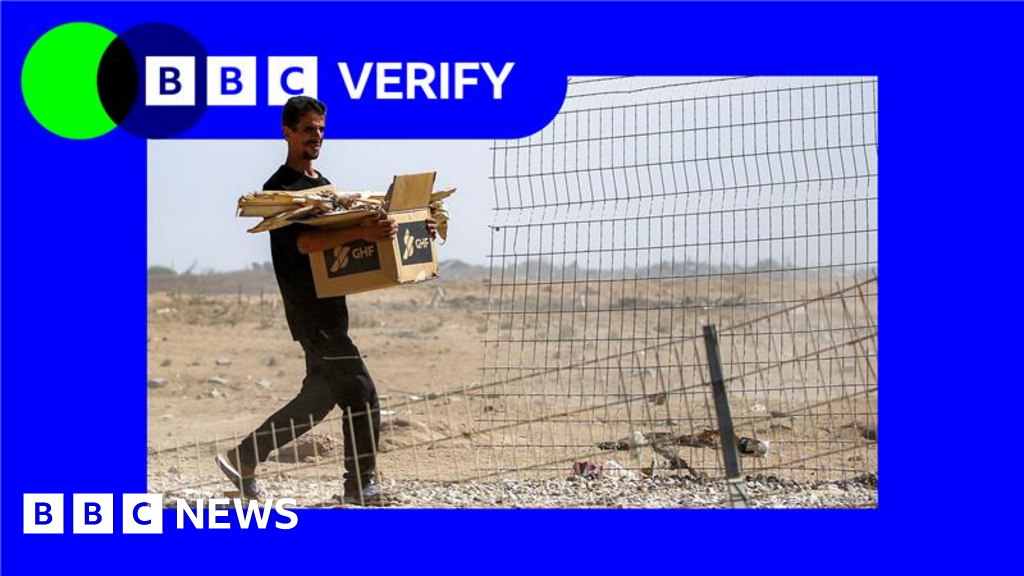
In the wake of the recent ceasefire between Israel and Hamas, the fragile stability of the Gaza Strip remains under intense scrutiny from international watchdogs and geopolitical strategists alike. The Gaza Humanitarian Foundation (GHF), a US and Israeli-backed relief organization, has officially suspended operations after its aid distribution sites, including the critical SDS4 site, were dismantled following the ceasefire’s inauguration on 10 October. Satellite imagery shows the dismantling was swift and deliberate, highlighting how the shift in control and territorial boundaries directly impacts aid efforts and raises deep concerns about the humanitarian crisis unfolding on the ground.
Despite promises of increased aid flows in the midst of this ceasefire, United Nations data reveals a sobering reality: only about 20% of aid crossing into Gaza since May has reached its intended recipients. Since the ceasefire, the daily aid collected has hovered at levels comparable to those of September, with UN analysts warning that the volume and efficiency of aid delivery remain inadequate for the needs of vulnerable Gazan populations. Amidst reports of aid trucks being intercepted—either peacefully by local populations desperate for essentials or forcibly by armed groups—the international community’s ability to influence the situation remains limited. The ongoing looting and lawlessness threaten to undermine the peace process, and many experts warn that without sustained efforts to restore civil order, the humanitarian crisis could deepen further.
How Decisions Shape Societies and Global Power Dynamics
The disassembly of aid sites and the suspension of operations by organizations like the GHF encapsulate the geopolitical tension that underpins this entire conflict. Analysts from institutions such as the Brookings Institution suggest that these actions are telling of the broader struggle for influence in the region, where the United States and Israel seek to consolidate strategic dominance while managing volatile regional alliances. The dilemma facing international policymakers is stark: uphold the ceasefire and allow aid delivery to flourish, or risk further destabilization if aid efforts are perceived as partial or insufficient. Meanwhile, Hamas and other militant factions leverage the chaos to justify their continued resistance, complicating diplomatic efforts and making it difficult for aid to reach those most in need.
Public sentiments across different nations are also shifting. Youths and students, increasingly aware of the long-term consequences of foreign interference and limited aid access, have begun questioning official narratives and demanding more transparent and effective international intervention. Historical analysts underscore that this ongoing crisis isn’t merely about land or resources, but about the contest for influence and narrative control in a region where global powers are vying for supremacy. The UN and various humanitarian agencies warn that failure to establish a sustainable, law-governed environment in Gaza could have repercussions far beyond the Middle East, including migrant flows, regional instability, and a reconfigured global order where chaos becomes the norm.
The Unfolding Story of Power and Humanity
As the dust settles over the dismantled aid sites and broken ceasefire promises, the world stands at a pivotal moment. The fate of Gaza—every crushed hope and every thwarted effort—becomes a symbol of the broader struggle for justice, security, and sovereignty. The UN warns of “looting, lawlessness, and unmet needs,” echoing the warnings of historians who differentiate between fleeting peace and durable stability. The weight of history presses heavily upon international shoulders, yet the pages are still unwritten. Will the global community learn from past failures or become complicit in an unfolding tragedy that threatens to redraw the geopolitical map? Only time will tell, but the continuing narrative reminds us that history is, after all, written by those who dare to shape the future amidst chaos and conflict.





