
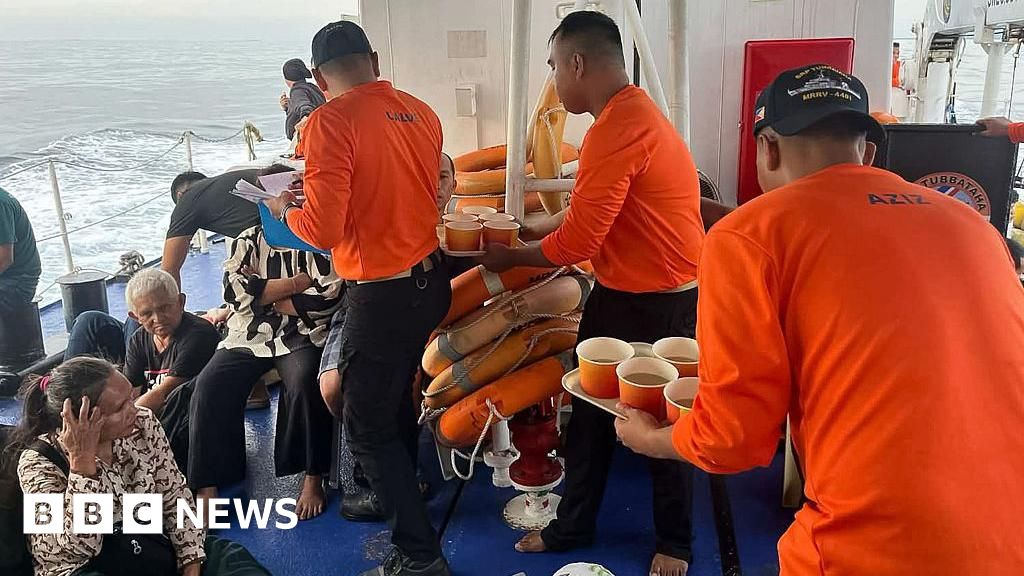

The recent sinking of the MV Trisha Kerstin 3 off the southern coast of Philippines marks yet another somber chapter in the archipelago’s history of maritime disasters. With over 350 passengers and crew onboard, the tragedy has resulted in at least 18 fatalities and dozens still missing amidst a rescue operation overwhelmed by the scale of human tragedy. As coastal authorities continue efforts to locate missing persons, this incident underscores enduring flaws within the nation’s maritime safety infrastructure, which some analysts attribute to systemic issues of poor maintenance and overloading.
The Philippines, consisting of more than 7,100 islands, remains reliant on ferries as the lifelines connecting communities. Despite the ubiquity swayed by economic constraints, decades of maritime accidents tragically highlight an urgent need for international and domestic reforms. According to maritime safety experts and international organizations, recurring fatalities, such as the 28 deaths in a 2023 ferry fire and previous fires involving high-speed vessels, reveal persistent gaps in regulation enforcement and vessel maintenance. As regional security analysts warn, these failures are not just about safety—they threaten national stability and the social fabric of countless vulnerable communities.
Historically, the< u> Philippine maritime sector has been marred by challenges rooted in governance, infrastructure, and environmental hazards. The recent incident occurs against a background of deteriorating safety conditions, exacerbated by rough seas and adverse weather. Government officials and international observers continue to investigate the cause, yet critics argue that these tragedies are often preventable through stricter regulation and investment. Meanwhile, some regional leaders, such as Basilan Governor Mujiv Hataman, have shared heart-wrenching images of survivors, exposing the human toll that often results when safety standards are disregarded. In the words of maritime analysts, “Such incidents should be a wake-up call”—a plea for comprehensive reforms amid a rising tide of preventable loss of life.
These disasters have far-reaching *geopolitical impact*, particularly as they reflect deeper issues of governance within maritime Southeast Asia. While the< u> Philippines struggles to modernize its fleet amidst economic and infrastructural challenges, regional powers and international organizations monitor the sector’s vulnerabilities, fearing that persistent safety lapses could lead to greater instability. As ASEAN members observe, the safety of maritime nations directly influences regional security, trade, and diplomatic relationships. Critics suggest that international cooperation, combined with robust domestic reform, is essential to prevent future tragedies. But until tangible action is taken, the stories of the missing and dead serve as grim reminders that history’s warning signs continue to be ignored.
Indeed, the weight of history hangs heavily over the Philippines’ vast maritime network. With each sinking and fire, the narrative deepens: a nation caught between economic necessity and the urgent need for safety reforms—a nation whose continued resilience hinges on whether it will heed these lessons. As the search for survivors continues and officials grapple with accountability, the nation stands at a crossroads. Will it choose the path of reform and safety, or continue to be haunted by the ghosts of maritime calamities past? The pages of history are still being written, and the world watches as another chapter of tragedy unfolds, waiting for the moment when tragedy transforms into resolve.”





