Matox News

Truth Over Trends, always!

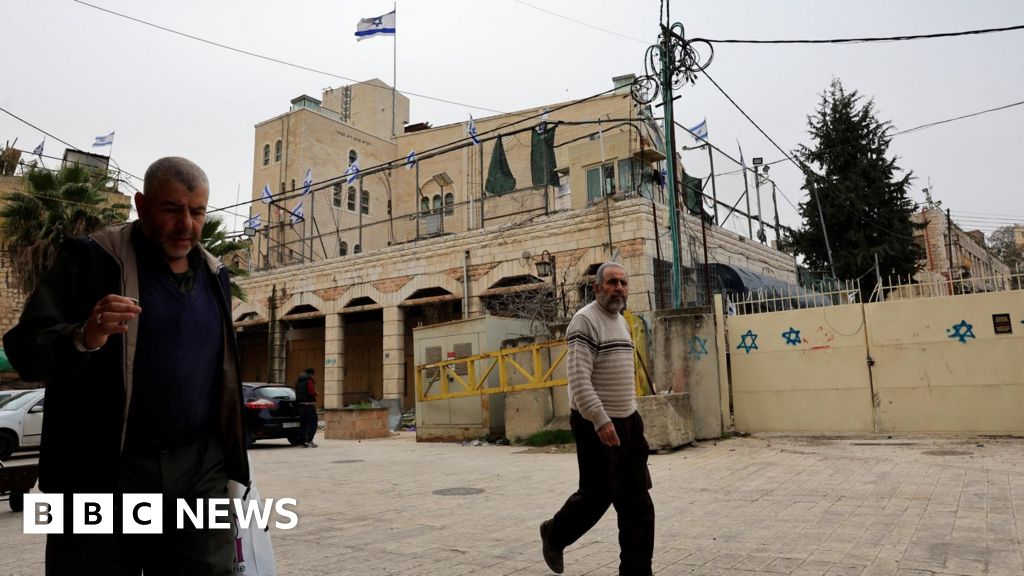
Palestinians slam Israeli moves, claim de facto annexation underway

Regional Powers Condemn Moves Toward Palestinian Territorial Displacement

In a unified stance that underscores the escalating tensions in the Middle East, the foreign ministers of Egypt, Jordan, the United Arab Emirates, Indonesia, Pakistan, Turkey, Saudi Arabia, and Qatar have issued a stark warning regarding recent political developments. They described the latest announcement as “accelerating attempts at its illegal annexation and the displacement of the Palestinian people”. This joint declaration signals a volatile shift in regional diplomacy, with profound geopolitical repercussions that could reshape the stability of an already fragile landscape.

The collective response from these influential nations highlights a shared concern about the potential breach of international norms and the violation of Palestinian sovereignty. The phrase “illegal annexation” is not used lightly in diplomatic discourse, but signifies a deep-rooted apprehension over ongoing activities perceived to threaten the viability of a two-state solution—a principle endorsed by numerous international bodies, including the United Nations. Analysts suggest that such moves not only jeopardize peace prospects but also fuel grievances among Palestinians, fostering instability that can spill over into broader regional conflicts.

Historically, the Middle East’s volatile history has been shaped by external interventions and shifting alliances. Most recently, the reactions from these regional actors reaffirm their roles as both stakeholders and guardians of their national interests. Several experts, including Middle East historians and geopolitical analysts, emphasize that the united front displayed by these nations is a sign of an emerging consensus: that unchecked unilateral actions risk igniting larger conflicts that could draw in global powers. Organizations like the Council on Foreign Relations highlight that the decision-making process surrounding territorial disputes influences the socio-political fabric of the Palestinian population, with lasting effects on regional security.

The turning point here is clear. The international community continues to watch how these diplomatic narratives evolve into tangible policies. As tensions escalate, the geopolitical landscape of Eurasia and North Africa could face unpredictable consequences. The collective warning issued by these nations underscores a fundamental truth: that the decisions made in the coming days and weeks will not only decide the fate of Palestinian land but may also set the course for future regional diplomacy. In a world where history often hangs in the balance, the weight of these events underscores the importance of steadfast diplomacy—and the peril of neglect. The pages of history are turning, leaving the global community immersed in a saga whose outcome remains uncertain, yet undeniably entrenched in the struggle for sovereignty and justice.


Ukraine-Russia Talks Underway in Abu Dhabi After Devastating Kyiv Strikes

Amidst ongoing geopolitical tensions, Ukraine and Russia are once again at the forefront of international concern as they prepare for their second round of peace talks in Abu Dhabi, brokered by the Trump administration. These negotiations come after a series of devastating events, including Russia’s recent large-scale missile and drone attacks on Ukrainian energy infrastructure, which have severely impacted life in Kyiv and beyond. President Volodymyr Zelenskyy condemned Moscow’s attack, describing it as a “massive” and “deliberate” assault involving a record number of 71 ballistic missiles and 450 drones aimed at crippling energy supplies during the brutal winter. Such actions underscore the persistent lack of seriousness about peace that international leaders point out, emphasizing the fragile state of diplomacy and the danger of escalation.

International responses remain sharply divided. While President Donald Trump has dismissed Moscow’s recent strikes as not breaching Russia’s commitment to cease attacks on Ukrainian infrastructure, NATO’s Secretary Mark Rutte dismissively labeled the actions as a “signal of serious intent” against peace. This divergence reveals a geopolitical landscape marred by conflicting narratives and strategic interests. Analysts warn that ongoing hostilities and the apparent rejection of peace signals by key actors threaten to entrench the conflict, risking a protracted war with profound global repercussions. Furthermore, a comprehensive military response plan has been discussed among Ukrainian, European, and American officials, stipulating that repeated breaches of ceasefire agreements by Russia could trigger a coordinated US-Europe military escalation. This development signals a clear posture of deterrence, but it also raises the specter of a wider regional or even global conflict should diplomacy continue to falter.

Compounding the crisis, the impending expiration of the New Start treaty between the United States and Russia on Thursday marks a dark chapter in the ongoing nuclear arms race. As Julian Borger reports, this treaty’s dissolution will remove the last remaining mutual limits on the world’s two largest nuclear arsenals, escalating fears of an irreversible slide towards nuclear confrontation. International organizations and nuclear non-proliferation experts warn that the loss of these constraints could usher in a new era of destabilization, fundamentally altering the global strategic balance. The geopolitical impact of such a move cannot be overstated; it signals a potential to set back decades of efforts towards arms control and arms reduction, and, more ominously, it raises the risk of miscalculation on both sides in an already volatile environment.

This unfolding scene of renewed violence, diplomatic deadlock, and nuclear uncertainty underscores a historic turning point. As historians and international security analysts debate whether we are witnessing the rebirth of Cold War-era tensions or the escalation of a new, more dangerous phase, the weight of history presses heavily on this generation. The decisions made now will determine the future of global stability, sovereignty, and peace. The world watches, perched on the precipice of a potentially transformative era—one where diplomacy hangs by a thread, and the echoes of past conflicts warn us of the delicate balance we are perilously poised to lose. The unfolding narrative remains unwritten, but its consequences are indelibly etched into the fabric of history, waiting to be shaped by the actions and choices of those at the helm.

Manhunt Underway After Tragedy Leaves Two Dead, Nine Hurt

The tragic mass shooting at Brown University in Providence, Rhode Island, has sent shockwaves across the United States, illustrating the persistent challenge of gun violence within American society and its geopolitical echoes. The incident, which occurred during a routine exam review session, resulted in the deaths of two students and injuries to nine others, marking yet another entry in the grim tally of total mass shootings in the US this year. As police continue their manhunt for the unknown gunman, the event underscores existing debates over firearm legislation and the societal conditions that foster such violence.

Experts and analysts have begun dissecting the geopolitical impact of rising gun violence in the US, which increasingly shapes America’s domestic security narrative. According to the Gun Violence Archive, this incident is part of a disturbing pattern of 389 mass shootings in 2023—each event serving as a stark reminder of the internal divisions and policy failures. Historically, scholars such as Dr. John Lott have emphasized that American cultural attitudes toward guns are deeply ingrained, fueled by constitutional rights and political inertia. Meanwhile, international organizations, including the United Nations, have voiced concern over America’s persistent gun crisis, warning that unchecked violence can undermine the nation’s global credibility on human security issues.

In response, President Donald Trump has called for prayers and expressed shock, emphasizing that “all we can do right now is pray for the victims and for those who were very badly hurt.” Meanwhile, Rhode Island Governor Dan McKee condemned the attack as an “unthinkable tragedy,” highlighting the profound impact on Providence’s community. The university’s decision to cancel exams and impose a strict lockdown reflects the immediate need for security and reassurance amid chaos. Yet, this tragedy also highlights broader issues: how nations handle campus violence, the social and mental health systems in place, and the role of law enforcement in protecting citizens. As law enforcement agencies scramble for leads, concerns grow over how such incidents connect to wider societal fractures and the potential for future violence.

Beyond American borders, the incident at Brown University resonates as a stark indicator of the ongoing crisis of public safety in Western societies. As international analysts monitor the US, questions surface about how global powers address internal security amidst geopolitical tensions. Historians warn that ignoring the root causes of violence risks further incidents that threaten the social fabric. The unfolding narrative remains lethal and unpredictable, echoing the warning of futurists that the course of history is often shaped by moments of chaos and tragedy. As the world watches, the weight of this event underscores the harsh reality: the future of freedom and safety in America hangs in the balance, hinging on decisions yet to be made in the halls of power and in the streets of Providence—decisions that will define whether this tragedy remains a somber anomaly or a harbinger of darker times to come.

Mass Exodus Underway: Youths Gear Up to Evacuate as Pacific Northwest Faces Major Flood Threat

Amidst the relentless forces of nature, residents of the Pacific Northwest and western Canada are witnessing an unprecedented surge of climate-driven challenges. Record-setting floods, driven by an intense atmospheric river, have transformed everyday life into a scene of emergency preparedness and resilience. While stories of natural disasters often depict chaos, they also underscore the vital importance of community strength, proactive planning, and embracing a lifestyle aligned with the changing environment. For the individuals living along the Skagit and Snohomish rivers, this moment is more than a natural crisis—it’s a wakeup call about the shifting tides of our climate and our role in facing them.

In Washington state, Governor Bob Ferguson declared a statewide emergency, recognizing that over 100,000 residents could soon face evacuations as floodwaters threaten to turn familiar landscapes into treacherous and unpredictable terrains. Major highways have been shut down, stranding commuters and disrupting the local economy, but amidst this chaos, there is a focus on adaptation and wellness. Many residents, inspired by authorities and climate resilience experts, are turning these challenges into opportunities for community bonding and personal growth. Evacuations in flood-prone areas like Skagit County highlight the critical importance of preparedness—not just as a safety protocol but as a lifestyle shift toward mindful resilience. The ongoing rescue efforts—using inflatable boats, helicopters, and brave rescue swimmers—serve as a stark reminder that true wellness depends on readiness and collective action when faced with adversity.

Globally, climate specialists highlight the importance of tailored strategies for urban sustainability and rural resilience. Authors like Dr. Katharine Hayhoe continually stress that understanding local impact is fundamental in developing preventive measures. For the youth—those who will inherit the consequences of today’s environmental decisions—the message is clear: embracing a lifestyle of proactive adaptation is paramount. Whether that means supporting local conservation initiatives, adopting sustainable habits, or educating oneself on climate science, these measures build a foundation of strength that transcends just surviving — they enable thriving.

  • Invest in emergency preparedness kits for your community
  • Support local infrastructure projects focused on flood mitigation
  • Educate yourself and peers about the climate impacts specific to your region

Such steps are integral in helping future generations foster a resilient mindset amid turbulent environmental times.

Crossing over into broader cultural shifts, the ongoing floods serve as a poignant reminder that wellness is not merely personal but collective. Urban areas like Seattle and Abbotsford exemplify how communities are responding adaptively, building climate-resistant infrastructure and cultivating environmentally conscious lifestyles. The emphasis on well-being now extends beyond traditional health metrics: it encompasses environmental footprint, mental resilience, and collective preparedness. Cultural conversations are evolving, inspired by thought leaders like Naomi Klein and environmental sustainability gurus, urging the next generation to see climate action as an extension of individual self-care and community pride. This holistic approach to lifestyle signifies not just a response to catastrophe but an active pursuit of personal and societal empowerment—learning how to live wisely in a world with shifting climates.

As these floods gradually recede, and communities begin the long process of recovery, the real takeaway is an inspired perception of lifestyle as an ongoing journey. Such moments of upheaval challenge us to embrace change—transcending fear and fostering hope. Resilience becomes more than just bouncing back; it transforms into a conscious way of embodying strength, adaptability, and forward-thinking in every aspect of life. Whether through supporting local initiatives, educating oneself about climate solutions, or simply fostering a mindset of readiness, each individual can contribute to shaping a resilient future. Ultimately, these natural trials reveal that wellness is rooted in our ability to adapt and thrive amid the inevitable changes ahead. It’s a journey of embracing life’s uncertainties with courage, integrity, and purpose—an inspiring testament that, with determination, we can navigate even the most turbulent waters.

Hong Kong Fire Disaster: Rescues Underway as Dozens Dead, Hundreds Missing—Stay Updated

Hong Kong Blaze: A Tragedy with Geopolitical Consequences

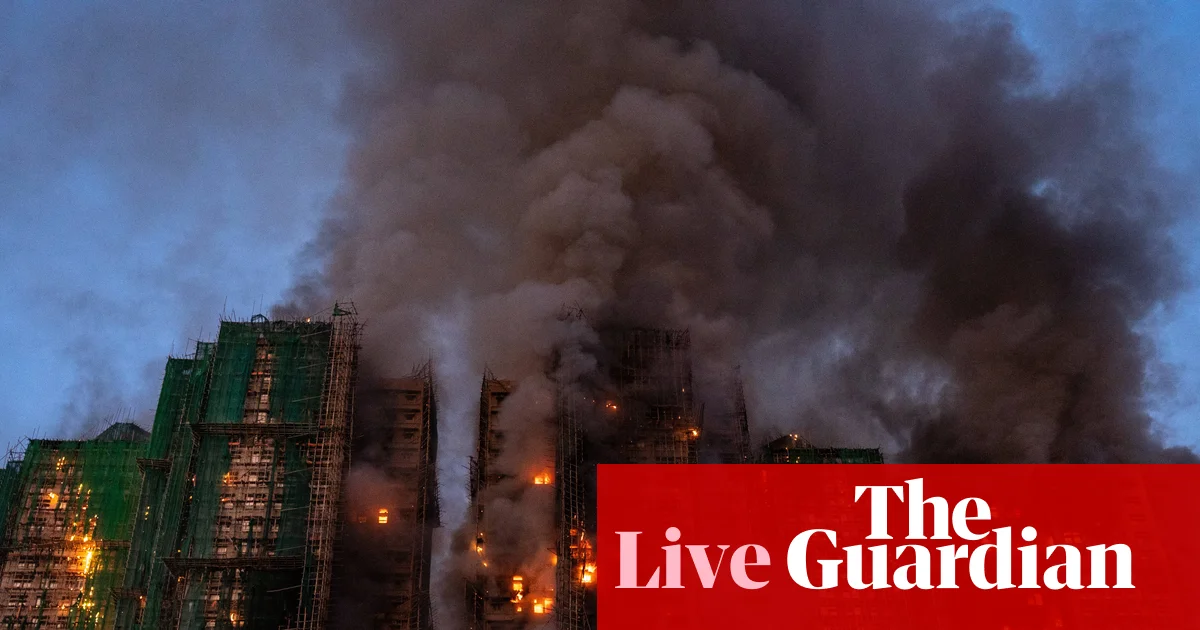
The devastating fire at Wang Fuk Court in Hong Kong has left at least 44 confirmed dead, with nearly 280 individuals still unaccounted for as of late November 2025. This catastrophe, unfolding amidst ongoing tensions between local authorities and international stakeholders, underscores the fragile fabric of society in one of Asia’s most geopolitically sensitive regions. Investigations point to the use of outdated bamboo scaffolding and questionable maintenance practices, with police alleging gross negligence by construction firms responsible for the safety of the complex. The incident has reignited debates over infrastructural safety standards and the broader social impact of rapid urban development under the watchful eye of Beijing’s influence.

Beyond the tragic loss of life, the fire has laid bare the underlying tensions that pervade Hong Kong‘s political landscape. The response from local leaders, including Chief Executive John Lee, has focused on containment and rescue, but critics from Western nations and pro-democracy advocates see this as tightly controlled. Yet, the regional investigation—with three construction company officials arrested on suspicion of manslaughter—highlights how authorities are framing this disaster within the framework of safety regulation failures. Analysts argue that this incident may serve as a stark symbol of the systemic issues plaguing Hong Kong, further complicating China’s efforts to present a stable image internationally while suppressing local dissent.

Global Reactions and Strategic Implications

International organizations and foreign governments are closely monitoring the fallout, with some emphasizing humanitarian aid and others questioning the adequacy of Beijing’s oversight. Notably, Taiwan’s President Lai Ching-te issued a statement expressing condolences and emphasizing solidarity, a move seen as a subtle yet strategic alignment with Hong Kong’s pro-democracy camp. Meanwhile, Chinese corporations like ANTA, Tencent, and Xiaomi have pledged millions in relief donations, illustrating how China’s corporate sector mobilizes for national image-building rather than genuine concern. The incident also raises questions about the safety practices of traditional construction methods, which have been phased out in many parts of China but remain prevalent in Hong Kong—an indicator of resistance to modernization that could exacerbate future crises.

Some international observers, including historians and geopolitical analysts, warn that this disaster could become a turning point in regional security and governance. The pattern of systemic negligence, coupled with the aggressive suppression of dissent and the strategic use of crisis situations to reinforce political narratives, suggests that Hong Kong’s crisis is not merely domestic but part of a larger geopolitical chess game. As the World Health Organization and other institutions observe how local authorities manage the aftermath, questions persist about China’s intentions to control the narrative and the real magnitude of the unreported casualties, including firefighters and elderly residents left defenseless in the flames.

The Weight of History Unfolding

History remembers moments like these as pivotal junctures—blurs between tragedy, policy failure, and geopolitical maneuvering. While rescue operations continue and families mourn, the implications stretch far beyond the smoke and rubble. The fire reveals fissures within society and exposes the consequences of decades of urban neglect under authoritarian oversight. As governments scramble for images of control or compassion, the world waits with bated breath for the next chapter in this unfolding story, for in the shadows cast by flames and the echoes of grief, the weight of history presses ever heavier upon the sands of the future.

Plane with 12 aboard crashes off Kenya’s coast—urgent rescue underway

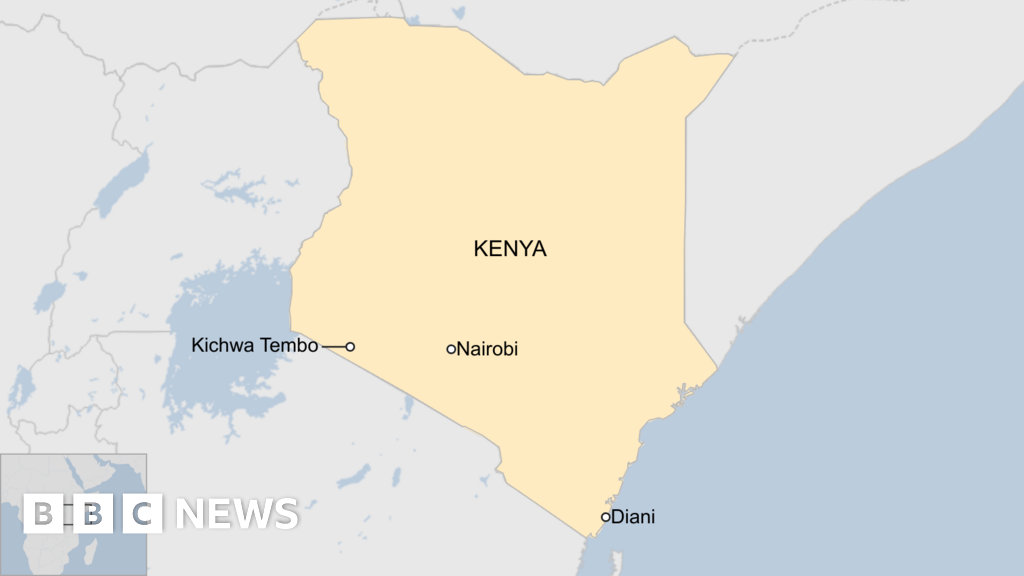
In a sobering development that echoes the fragile stability of regional security and economic pursuits, a plane carrying 12 individuals crashed near the coast of Kenya, prompting international attention and raising questions about safety protocols amidst ongoing geopolitical shifts. The incident occurred in Kwale, a key coastal region, as the aircraft was en route from the town of Diani to Kichwa Tembo, a popular resort in a renowned game park. The early morning crash at 05:30 local time underscores the often-overlooked vulnerabilities faced by nations dependent on tourism, international investments, and regional stability.

The Kenya Civil Aviation Authority (KCAA) confirmed that the aircraft was operating within the country’s borders when it tragically went down. Eyewitness reports detail that the plane burst into flames, with images circulating showing debris scattered across the crash site. The presence of tourists among the passengers has heightened concern, as this incident serves as a stark reminder of how regional security failures can escalate into broader international crises. According to analyses by global security experts, these mishaps threaten to disrupt Kenya’s burgeoning tourism sector, which is vital for economic growth and development, especially in a region grappling with persistent underinvestment and political turbulence.

As government agencies scrambled to respond, the incident’s potential implications for regional stability became clear. Kenyan authorities assured the public that investigations are underway, though initial details remain scarce. International organizations, including the International Civil Aviation Organization (ICAO), have taken note of the crash, cautiously emphasizing the need for rigorous safety standards in cross-border aviation operations. Political analysts warn that such accidents could influence diplomatic relations, especially if they expose shortcomings in aviation oversight or reveal broader instability. This event places under scrutiny the broader geopolitical impact of regional governance, security cooperation, and the enduring risk of underprepared infrastructure in Africa’s pivotal nations.

Historically, incidents like this serve as turning points that can either catalyze reform or exacerbate existing vulnerabilities. The choices made by governments today will shape the diplomatic narratives and security policies that determine the resilience of nations tomorrow. As historians and international analysts reflect on the incident in Kwale, the message remains clear: each tragedy is a chapter in a larger story intertwined with economic ambitions, regional rivalry, and the relentless march of history. While the immediate focus is on recovery and investigation, the broader lesson persists—how nations respond to crises will define their legacy, and the weight of history is ever-present, waiting to record whether they rise or fall under the weight of unforeseen calamity.

Hurricane Melissa Rises to Category 4, Evacuations Underway in Kingston

Hurricane Melissa’s Devastation: A Regional Wake-Up Call

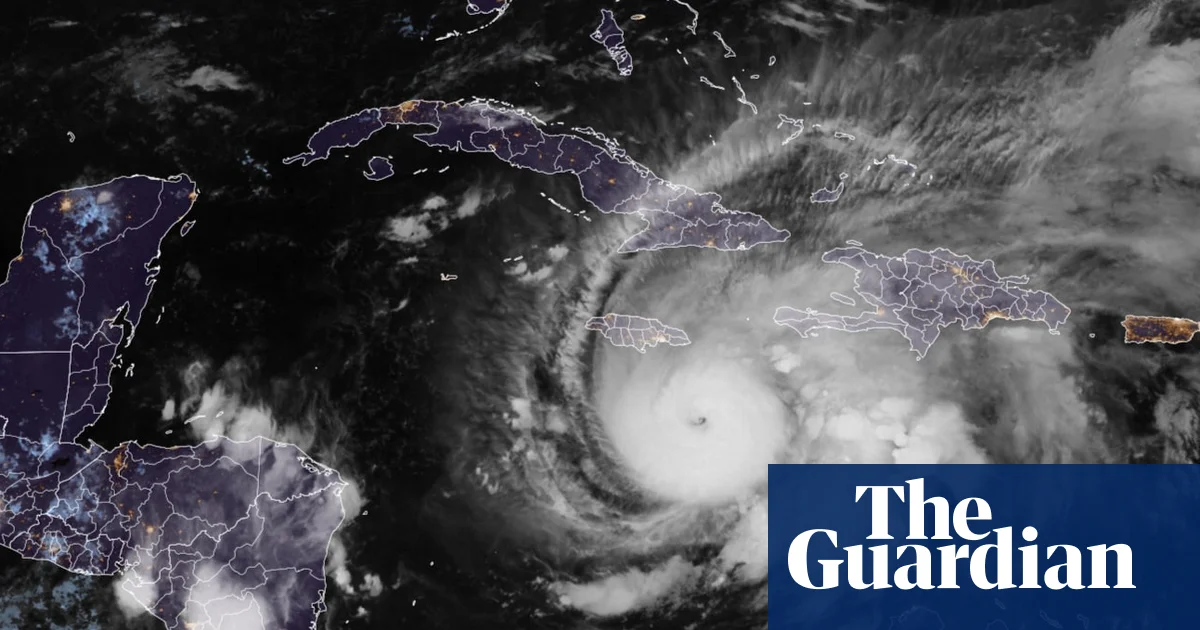
As Hurricane Melissa intensified into a formidable category 4 storm, its wrath exposed the fragile infrastructure and socio-economic vulnerabilities of the northern Caribbean. With sustained winds reaching 145 mph and predictions of further strengthening to category 5, the storm posed a grave threat not only to Jamaica but to the neighboring nations of Cuba, Hait, and the Dominican Republic. The escalating crisis has reignited discussions among international analysts and historians about the geopolitical and societal consequences of climate-driven natural disasters. The clear message from experts such as Dr. Elizabeth Thompson, a prominent climate historian, indicates that increasing hurricane activity is not just an environmental issue but a direct challenge to regional security and stability.

Official Responses and Societal Resilience

  • Jamaica’s government, led by Prime Minister Andrew Holness, swiftly imposed mandatory evacuations across several vulnerable areas, including Port Royal—an ancient fishing village that witnesses frequent natural threats due to its low elevation and exposure.
  • Local authorities have activated 881 shelters and closed international airports, signaling a crisis response aimed at shielding citizens from the storm’s brutal forces. Desmond McKenzie, the Minister of Local Government, grimly warned that “many of these communities will not survive the flooding,” emphasizing the severe risk to urban and rural populations alike.
  • Despite warnings, some residents—like Ann Marie Chamberlain in Port Royal—chose to stay behind, citing a history of traumatic shelter experiences and a belief in divine protection. Such decisions illustrate the deep-rooted cultural narratives that influence risk perception in the Caribbean. Meanwhile, other locals, like Derrick Powell, have expressed skepticism about shelters’ safety, highlighting a complex social dynamic that complicates evacuation efforts.

Geopolitical and Regional Implications

The slow movement and rapid intensification of Melissa exemplify the increasing unpredictability of climate patterns, a phenomenon that has significant geopolitical impact. As the Caribbean faces up to its most active hurricane season on record—predicted by the NOAA to produce 13 to 18 named storms—international organizations warn that the region’s political stability, economic growth, and disaster preparedness are all under unprecedented strain. The storm’s trajectory towards Cuba and the Bahamas underscores the interconnectedness of Caribbean nations, where a natural disaster in one country often cascades into broader regional crises involving food security, refugee flows, and infrastructure resilience.

Analysis from organizations like the United Nations highlights how international cooperation and aid are critical to mitigate these threats. Yet, governments must balance immediate disaster response with longer-term resilience strategies, including climate adaptation and urban planning reforms. The storm’s devastation, which has already claimed lives in Haiti and caused widespread destruction in the Dominican Republic, exemplifies how political fragility in these states exacerbates disaster impacts. The rising river levels, destroyed bridges, and flooded communities act as stark reminders of the necessity for robust regional coordination in times of crisis.

The Weight of History and Humanity’s Future in View

For centuries, Caribbean societies have faced similar crises—each storm etching a new chapter into their turbulent history. Today, Hurricane Melissa stands as a stark warning, a symbol of nature’s unyielding power and the urgent need for global action. As residents like Ann Marie Chamberlain express unwavering faith, and authorities scramble to provide safety, the unfolding narrative underscores humanity’s ongoing battle with an environment increasingly altered by climate change. How nations respond today will shape their resilience tomorrow, with the weight of history reminding us that these storms are not just meteorological events but chapters in a larger story of survival, sovereignty, and the enduring fight for a secure future amidst a changing climate. The storm is brewing, and the world’s eyes remain fixed on the Caribbean—a region on the frontlines of a global crisis that refuses to be ignored.

Mount Everest rescue underway as snowstorm traps nearly 1,000 climbers—urgent response in action

Amidst the rugged terrains of the Himalayas, recent natural disasters have spotlighted the fragile balance between climate change and geopolitical stability. In China, rescue efforts are ongoing to save nearly 1,000 trekkers stranded on the eastern slopes of Mount Everest following a severe snowstorm. The incident underscores the increasing unpredictability of weather patterns in this sensitive mountain range, which has historically served as a symbol of international adventure and aspiration. According to Chinese state media, hundreds of visitors seized the opportunity of an extended Chinese National Day holiday to visit the remote valley of Karma, leading many into peril as heavy snowfall rooted them in place. The response by local authorities demonstrates a critical coordination of resources, yet it also highlights vulnerabilities in managing the swelling influx of tourists amid changing climatic conditions.

The disruption in Tibet’s eastern face serves as a stark warning to the international community. The Himalayas are not only a geographic boundary but also a hotly contested locus of strategic importance, especially when environmental shifts produce dramatic events such as landslides and avalanches. Since the snowstorm struck, over 350 individuals have been safely relocated to the township of Qudang, with authorities working tirelessly to reach those still unaccounted for. Such incidents expose how nations like China and its neighbors are increasingly affected by climate fluctuations that threaten human safety and economic stability. The timing—during the peak tourist season—raises questions about the unprecedented challenges faced by nations tasked with safeguarding both their citizens and their international reputation from natural calamities driven by global warming.

On the southern side of Tibet, in Nepal, the story is equally troubling. Heavy rains since Friday have caused devastating landslides and flash floods, claiming at least 47 lives across the country. The destruction of critical infrastructure—roads, bridges, and even entire villages—has further isolated communities and complicated rescue efforts. This chain of events exemplifies how climate-induced extremes are reshaping the Himalayan geopolitical landscape, potentially fueling tensions between nations over resource access and disaster management. Analysts from the United Nations Environment Programme warn that these catastrophes may worsen as climate change accelerates, transforming the mountain region into a precarious geopolitical chessboard where local vulnerabilities intertwine with international interests.

Indeed, what is unfolding in these mountain corridors underscores a key **geopolitical impact**: the increasing importance of environmental security in international relations. Countries bordering Tibet—India, Nepal, and China—must navigate complex dynamics shaped by natural disasters and climate adaptation. The incidents on Everest and in Nepal could serve as catalysts for greater cooperation or rivalry, depending on how nations respond to shared vulnerabilities. The importance of multinational frameworks—like the underperforming Regional Himalayan Climate Initiative—becomes ever more evident as the region faces a new reality where natural calamities threaten to exacerbate existing geopolitical tensions.

As these events unfold with relentless force, the question remains: how will the Himalayan powers adapt to an increasingly unpredictable environment? Will they unite to forge resilient solutions or succumb to the chaos that climate change is unleashing upon this vital geopolitical nexus? With the weight of history pressing upon their shoulders, the nations of the Himalayas stand at a crossroads—where decisions made today will shape not just the future of their peoples but also the stability of an entire region. The mounting crises remind us that the Himalayas are more than just a majestic backdrop—they are a barometer of global health, and the current turbulence signals that humanity must confront the profound implications of an earth pushed to its environmental limits. As rescue efforts continue and nature’s fury remains unabated, the unfolding story of the Himalayas will be etched into the annals of history—an enduring testament to the indomitable resilience or inevitable decline of nations caught in the grip of Earth’s changing climate.

Social Media Auto Publish Powered By : XYZScripts.com