Matox News

Truth Over Trends, always!

Adelaide Uni Cancels Event with UN Gaza Investigator Over Controversy

Global Tensions Escalate as Free Speech Battles Reflect Broader Political Struggles

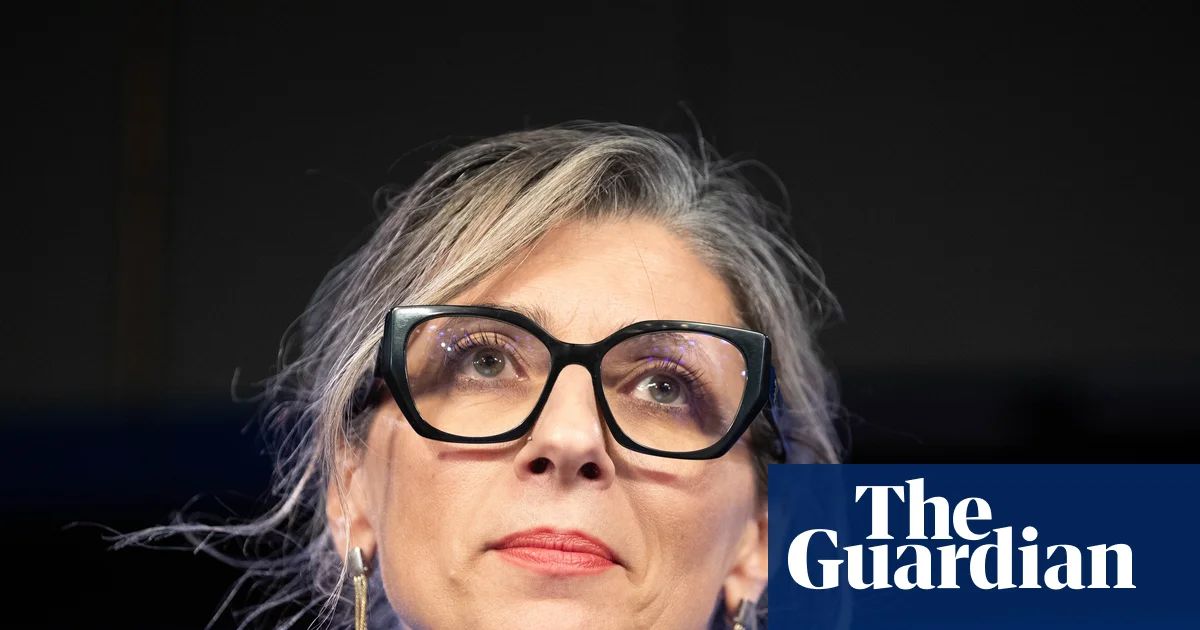
In a striking demonstration of the shrinking boundaries of free speech within academic and cultural institutions, Australia’s venerable Adelaide University has recently faced significant backlash after abruptly cancelling a high-profile event featuring UN Special Rapporteur Francesca Albanese. The event, intended to delve into issues surrounding settler colonialism and human rights in the occupied Palestinian territories, was part of the grassroots Constellations: Not Writers’ Week literary festival—an alternative platform born in the wake of the cancellation of the traditional Adelaide Writers Week. The decision to cancel the event signifies more than a mere administrative misstep; it exemplifies the growing resistance among some institutions to hosting controversial figures aligned with critical perspectives on Israel and Palestine.

This cancellation has ignited fierce debates on what constitutes acceptable discourse in Western democracies. Louise Adler, the former director of Adelaide Writers’ Week, condemned the move as a sign of institutional cowardice, asserting that universities and arts organizations are becoming “Moscow-on-the-Torrens,” a stark metaphor for their apparent capitulation to political pressures and censorship. Meanwhile, APIL (The Association for the Promotion of International Law), organizer of the event, claims the university’s cancellation was based on procedural grounds, asserting that all preparations had been completed and that no due process violations occurred. However, implying that the university’s decision stems from fear of controversy, critics argue that this reflects a troubling trend where fear of external criticism inhibits the exchange of challenging, yet critical ideas vital for healthy democracies.

The geopolitical *underpinning* of this controversy extends far beyond Australia. The event’s guest, Albanese, has become a symbol of a global debate over how democratic societies handle dissent regarding Middle Eastern conflicts. Since July, Albanese has been subjected to US sanctions imposed by the Trump-era Treasury Department, which accused her of “lawfare” and “political warfare” aimed at undermining Israel’s narrative. Critics in the US, including Senator Marco Rubio, have portrayed Albanese as an anti-Semitic figure supporting terrorism and condemn her outspoken stance against alleged Israeli policies. These accusations exemplify the international politicization of human rights debates, where critiques of a vital and contentious region are weaponized within the broader tug-of-war between global powers—namely the United States, Israel, and their opponents.

Internationally, observers and analysts warn that such instances — be it censorship at prestigious universities or sanctions against critics — threaten to undermine the very essence of democratic debate and free expression. United Nations experts and independent voices, like Chris Sidoti, argue that this echoes a troubling trend of *intimidation*, where the mere expression of dissent becomes grounds for suppression. The palpable fear of offending powerful interests, especially those aligned with US and Israeli agendas, indicates a broader geopolitical shift where free speech increasingly faces threats from both domestic and international pressure campaigns. The ongoing battle between free expression and political correctness has the potential to stifle the vital exchange of ideas necessary for a resilient, informed society—an authentic foundation of democracy.

As history continues to unfold, the significance of these conflicts extends well beyond individual case studies. The battles over free speech, whether at universities or on the international stage, are shaping the very fabric of society’s capacity to confront complex truths. With each censorship and sanction, nations grapple with their identity: will they uphold courage and transparency, or succumb to fear and conformity? As the dust settles in Adelaide and beyond, the weight of history reminds us that these moments—whispered warnings or bold declarations—are the chapters where the future of free societies is inscribed, and the outcomes remain perilously uncertain. The world waits, watching whether the flame of open discourse will endure or flicker out amid mounting forces seeking to silence dissent.
Fighting for What's Fair: Claiming Uni Covid Compensation Despite Uncertainty
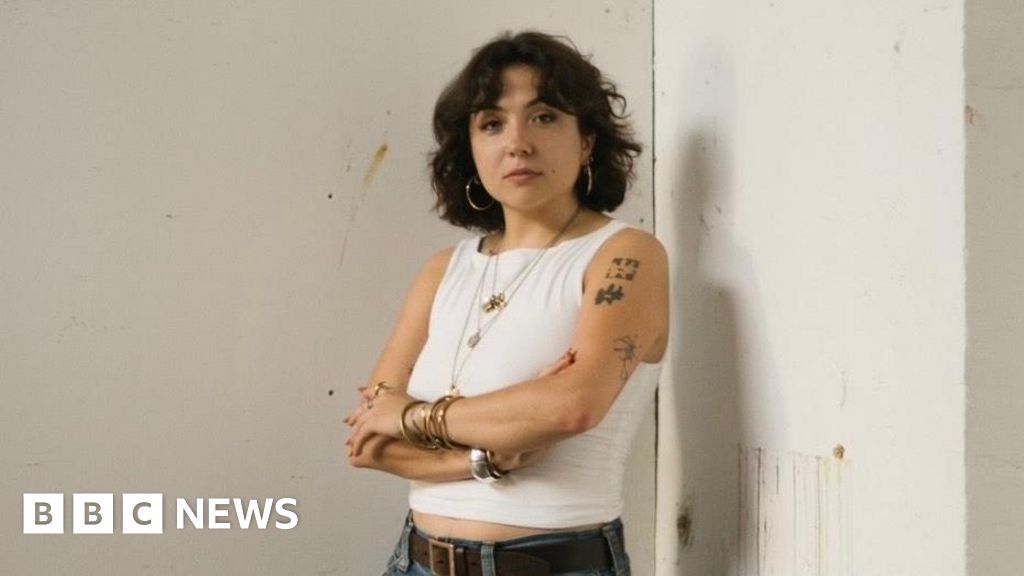
Fighting for What’s Fair: Claiming Uni Covid Compensation Despite Uncertainty

Universities Face Legal Challenges Over Pandemic-Related Educational Gaps

In recent months, dozens of universities across the country have found themselves embroiled in legal disputes, after receiving legal notices from students claiming their educational experience was severely compromised during the COVID-19 pandemic. These legal actions highlight a persistent crisis in higher education, where students argue that prolonged closures, remote learning deficiencies, and lack of campus engagement have left them with inadequate preparation for the future and diminished educational value. While institutions initially responded with policies aimed at safeguarding public health, the ripple effects have now prompted a broader societal debate on the responsibilities of educational systems and the long-term effects on families, communities, and the fabric of society itself.

The students’ grievances underscore a fundamental social tension—that the pandemic, while a necessary public health measure, inadvertently exposed and exacerbated existing inequalities and shortcomings within our educational infrastructure. Many students contend that they missed out on critical experiences such as campus interactions, extracurricular activities, and hands-on learning opportunities that foster social cohesion, critical thinking, and personal growth. Sociologists like Dr. Jane Monroe warn that these disruptions threaten to widen the demographic gaps in higher education, disproportionately impacting first-generation college students, those from disadvantaged backgrounds, and families who rely on the stability and opportunities provided by a robust educational system.

Moreover, the legal challenges reveal how these educational gaps influence not only individual students but also the collective well-being of local communities. Without equitable access to quality education, families face uncertain futures, communities grapple with rising inequality, and social mobility becomes increasingly elusive. As historian Dr. Arthur Goldman notes, “Institutions of learning are the bedrock upon which societies build resilience and progress. When these are compromised, the societal fabric frays, especially for the youth who are our greatest hope for renewal.” The pandemic’s failure to provide a resilient educational environment serves as a poignant reminder that the social contract between students, families, and institutions must be reconsidered and strengthened.

In response to these challenges, many experts advocate for

  • reforms in online education technology,
  • greater investment in campus infrastructure,
  • and policies aimed at bridging demographic divides

. These initiatives aim to restore trust in higher education and ensure that future generations are not left behind in a society that continually evolves. Nonetheless, the core issue remains rooted in a moral imperative: society must recognize and address the deep, human impacts of educational disruption, especially on vulnerable populations and their families. As society stands at this crossroads, it is crucial to reflect on the lessons learned from the pandemic and the moral duty to rebuild an inclusive, resilient educational system that fosters not only knowledge but also a sense of community and hope.

As society faces these unprecedented challenges, the image of a resilient, equitable future hangs in the balance. For all their struggles and disputes, it is the collective responsibility to nurture a system that empowers families, uplifts communities, and inspires the next generation to forge a collective destiny rooted in opportunity and moral integrity. Only then can society hope to turn the page, transforming tragedy into a foundation for renewal—an enduring testament to the power of resilience and shared purpose in shaping a better tomorrow.

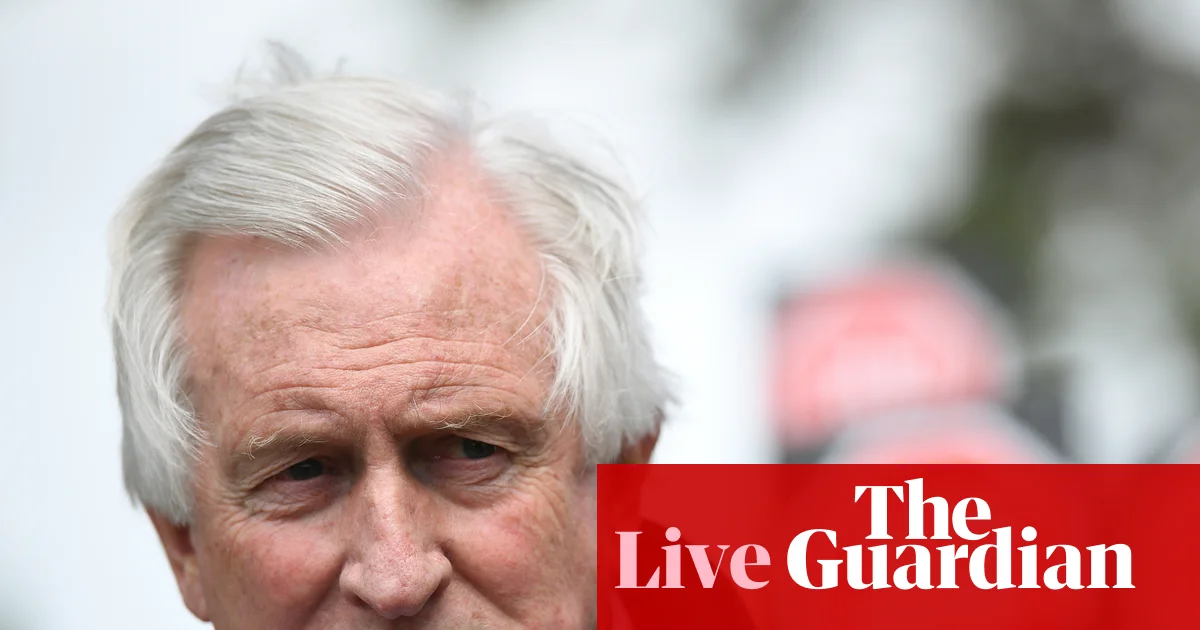
Australia News Live: Hewson Slams Ley’s Liberals, 9,500 New Uni Spots Announcement

In a world where geopolitical impact constantly reshapes the balance of power, recent international developments have underscored the fragility and complexity of global alliances. From the simmering tensions in the Asia-Pacific to the strategic recalibrations in Europe, nations are navigating a landscape riddled with challenges that threaten stability. Central to these shifts are decisions made by major powers that reverberate across societies and economies, often with profound consequences.

One of the most consequential international shifts involves the increasing assertiveness of China in asserting territorial claims and expanding its influence through initiatives like the Belt and Road. Western analysts warn that such moves threaten regional stability and challenge the dominance of traditional powers. Meanwhile, Russia’s ongoing conflict in Ukraine continues to destabilize Eastern Europe, forcing NATO to reconsider its strategic posture. Experts from the International Crisis Group highlight that these actions not only escalate tensions but also reshape alliances, compelling nations to adapt in ways that could redefine the post-Cold War order.

Additionally, U.S. foreign policy under the current administration emphasizes recalibrating relations with traditional allies while confronting emerging threats. The recent decisions to strengthen military presence in the Indo-Pacific and to invest significantly in cyber and space warfare measures are widely seen as attempts to maintain global leadership in an era of technological competition. However, such measures have not been without controversy, sparking debates about the future of international diplomacy and the potential for conflict escalation. The consequences of these decisions extend beyond geopolitics, directly affecting the security and economic stability of nations worldwide, particularly vulnerable smaller states caught in the crossfire.

The European Union faces its own set of challenges, negotiating a fragile balance between economic growth and environmental commitments. The recent climate policy negotiations exemplify this tension. As member states grapple with the push for greener energy sources, the divide between nations prioritizing economic stability and those advocating for aggressive climate strategies remains stark. Analysts warn that failure to establish cohesive policies could weaken the EU’s global influence and undermine its internal cohesion. Similarly, the ongoing migration crisis intensifies societal divides, prompting leaders to reconsider immigration policies that have far-reaching consequences on national identity and security.

At this pivotal juncture, historians posited by the Council on Foreign Relations warn that the decisions made in these high-stakes moments will be etched into the annals of history. How the world’s great powers manage their strategic interests in the coming years will determine whether peace prevails or if chaos erupts anew. Each move carries the weight of history, and how nations choose to respond to these crises will shape societies for generations to come. As the global stage stands at the crossroads of conflict and cooperation, the true test lies in the resilience and vision of leadership, faced with a future that remains uncertain yet undeniably critical.

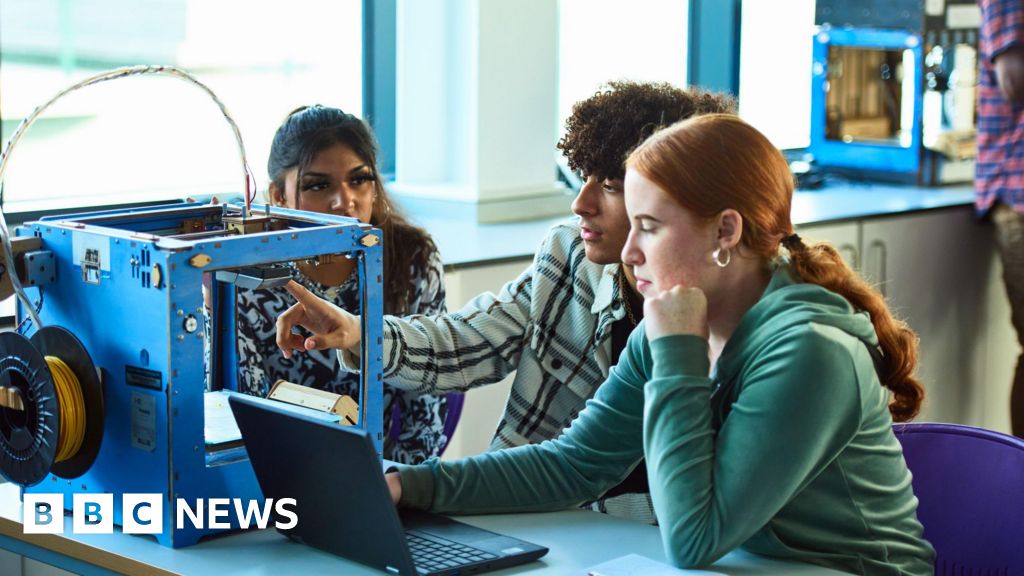
PM pushes for more under-25s in uni, college, or apprenticeships to boost opportunity and skills

Prime Minister Keir Starmer’s recent announcement signaling a shift in the UK’s educational aspirations underscores a broader societal transformation. His goal to have two-thirds of young people pursuing university or technical qualifications by 25 reflects a recalibration of the nation’s social and economic priorities. This new target moves away from the historic aim set by Tony Blair in 1999, which sought to have half of all young people enter higher education. While this change aims to expand the scope of acceptable pathways—embracing apprenticeships and technical training—it also raises crucial questions regarding the impact of these shifts on families, communities, and educational equity.

Historically, educational attainment has been a fundamental driver of social mobility, yet it also often reflects underlying societal divides. As sociologist Michael Young famously argued in his analysis of social stratification, societal systems tend to entrench inequalities, especially when access to higher education is disproportionately accessible to certain socio-economic groups. The push toward *”a gold standard apprenticeship”* and greater participation in higher technical courses is laudable; however, the disparity in funding and resources between colleges, schools, and universities threatens to deepen existing gaps. Experts like David Hughes of the Association of Colleges warn that meaningful investment in colleges—often the gateways to technical expertise and vocational training—must accompany policy rhetoric to ensure these pathways are robust and accessible for all socio-economic backgrounds.

This societal shift also directly impacts families and communities. As higher education becomes more inclusive, families that once depended on universities as a social ladder must now also grapple with a more diverse landscape of educational options. For some, this expansion offers hope; for others, it signals a need to adapt expectations amid evolving pressures on **costs, qualifications, and employment prospects**. The surge in demand for university places—evidenced by nearly 37% of 18-year-olds entering university in 2024—demonstrates persistent societal aspiration for higher education. Yet, these opportunities come with costs. Tuition fees reaching over £9,500 annually mean that students often graduate with significant debt, a burden that can weigh heavily on families and shape future prospects.

Commentators such as social historian David Lamson suggest that this renewed emphasis on technical and vocational training could serve as a vital avenue for building resilient communities. Industries like manufacturing and engineering, which face skills shortages, would benefit from a workforce equipped with real-world expertise—something that schools and colleges, when adequately funded, can nurture. Organizations like MAKE UK endorse this approach, emphasizing that skills of equal value to a university degree must be recognized and cultivated. Ultimately, society’s challenge lies in ensuring that no pathway is deemed less worthy, recognizing that the **true strength of a nation is rooted in the versatility and resilience of its people**.

As the nation stands at a crossroads—balancing aspirational goals with tangible investments—society’s future depends on bridging gaps, democratizing access to effective education, and fostering unity through shared opportunity. Societies are never static; they evolve through the collective efforts of communities committed to reform. The hope lies in a future where no family’s dreams are limited by circumstance, where education truly becomes a ladder for all, and where societal resilience is built upon a foundation of equal opportunity and shared purpose. In this ongoing story, the power to shape this future ultimately rests in the choices society makes today—a story yet to be written, with the promise of a society that values every student’s potential, regardless of the path they choose.

Social Media Auto Publish Powered By : XYZScripts.com