
Universities Face Legal Action Over Pandemic-Induced Failures
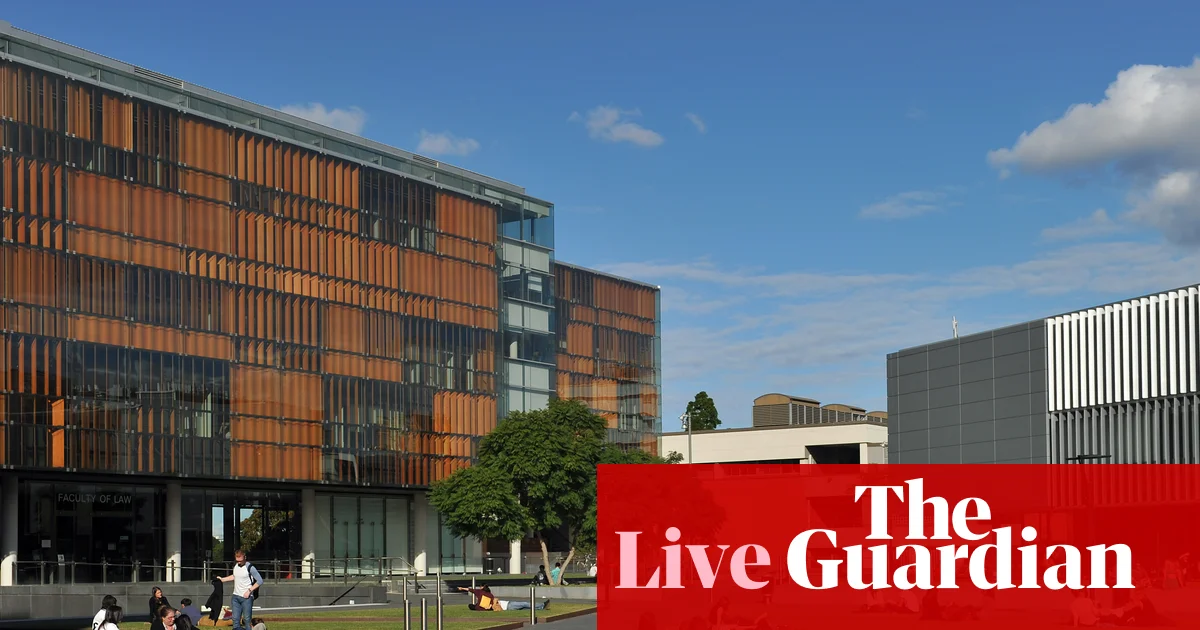
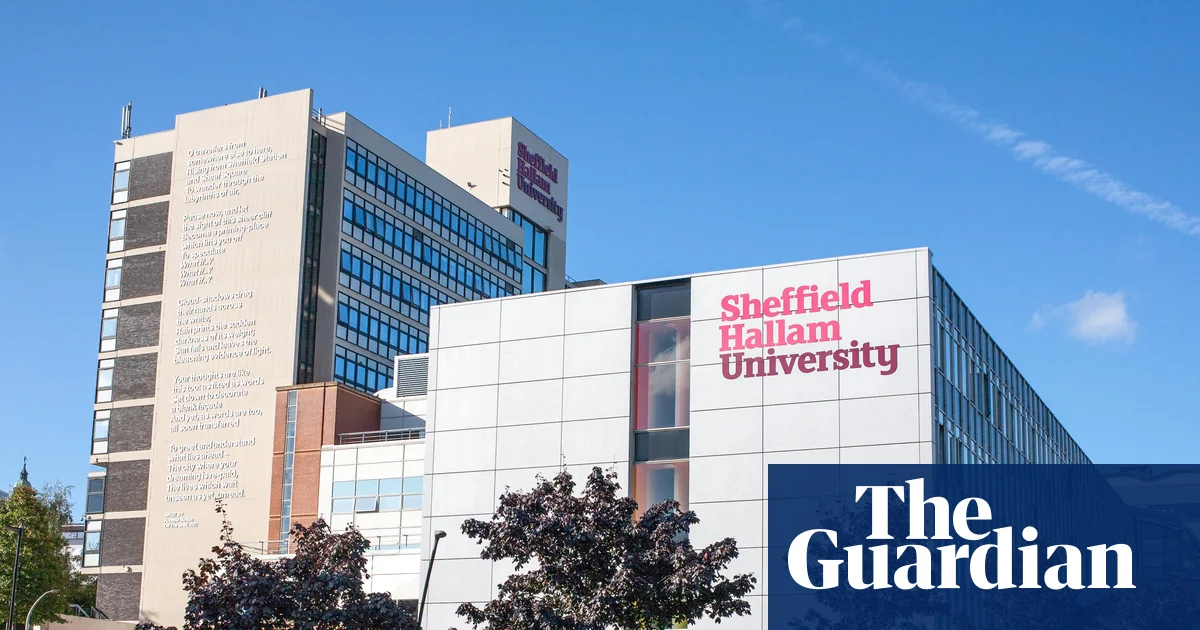
Across the nation, dozens of universities are confronting legal challenges from students who argue that their institutions failed to fulfill their educational responsibilities during the COVID-19 pandemic. These legal actions highlight a broader societal discussion on the effects of abrupt shifts in higher education on _families_, _communities_, and _the future workforce_. As campuses transitioned to remote learning, many students found themselves disconnected from vital educational resources, mentorship, and social infrastructure—elements that form the backbone of a healthy learning environment.
Legal advocates and student groups claim that these institutions neglected their duty of care and failed to provide equitable access to learning opportunities. For many students, especially those from disadvantaged backgrounds, the pandemic’s disruptions widened the gap in educational equity, impacting not just academic progress, but their overall well-being. The social consequences of these failures resonate beyond campus borders—families face increased uncertainty, and local communities grapple with the long-term repercussions of interrupted education. Sociologist Dr. Lisa Monroe comments that such institutional shortcomings threaten the stability of the social fabric, as the next generation’s preparedness hinges on access and support within these educational institutions.
The Broader Societal Implications of Educational Disruptions
The pandemic exposed underlying vulnerabilities in the American higher education system, questioning whether institutions prioritized bureaucracy over student needs. Many universities were unprepared to shift swiftly to online platforms, leaving students in limbo and often without adequate technological resources. These systemic gaps, according to social historians, mirror longstanding societal inequalities and reinforce existing class divides. As society evolves, the disconnect between policy and the human element underscores the importance of resilient, inclusive educational models. Failure to adapt not only hampers individual futures but also undermines the societal trust essential for community cohesion.
- Inconsistent access to digital resources has disproportionately affected students from low-income families, exacerbating *educational inequity*.
- The loss of campus-based support services, such as counseling and mentorship, has heightened mental health challenges among students.
- Communities reliant on universities for economic stability faced economic downturns as enrollment declined during the pandemic.
Moving Forward: Restoring Trust and Embracing Social Responsibility
Addressing these systemic failures necessitates a multifaceted approach. Critics argue that universities must reevaluate their priorities and implement more inclusive and adaptive strategies to serve their diverse student bodies. Failing to do so risks further alienating vulnerable populations, threatening the societal cohesion that is integral to a thriving democracy. Policymakers and institutional leaders are called upon to ensure that future crises do not repeat the educational shortcomings of the past, emphasizing transparency, technological infrastructure, and equitable access.
Institutional accountability, coupled with renewed community engagement, could foster an environment where education acts as a bridge, not a barrier. As sociologists like Patrick Wilson note, resilient societies are built on the foundations of social justice and support for the most vulnerable. Society must reconsider the role of education—not merely as a path to economic gain but as a moral imperative that safeguards the dignity and potential of every individual. Perhaps, amid the shadows cast by recent failures, there lies an opportunity for renewal—one that places human connection, moral responsibility, and social equity at the heart of educational transformation. In doing so, society might find hope in its capacity to heal, rebuild, and ultimately forge a future where no student is left behind in times of crisis.