Matox News

Truth Over Trends, always!

Unprecedented meningitis surge alarms authorities, highlighting urgent societal risks

Public Health Crisis in Kent Sparks Broader Reflection on Society’s Preparedness

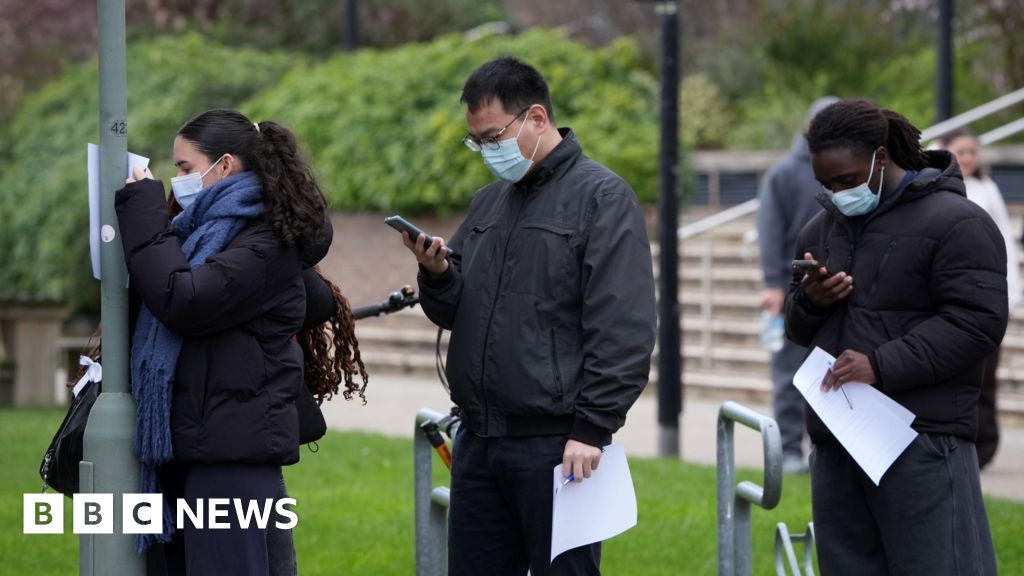
The recent confirmation of 15 cases of meningitis in Kent has cast a grim spotlight on the ongoing vulnerabilities within our public health infrastructure. This outbreak, which tragically resulted in the loss of two lives, underscores not only the immediate medical challenge but also the deep-seated societal issues that influence how communities respond to health crises. While infectious diseases remain a constant threat, the manner in which they interface with educational institutions, families, and local communities reveals much about the resilience and gaps within our social fabric.

The outbreak’s emergence in a region where young populations are typically the most vulnerable places the interplay between health and education systems at the forefront of concern. Schools, community centers, and youth groups serve as critical hubs of social interaction, but they also become potential vectors for communicable diseases if proactive measures are not universally enforced. According to sociologists like Dr. Emily Thomson, a researcher on public health and social equity, “When health disparities intersect with educational access, the societal fallout isn’t just medical—it’s fundamentally about the cohesion and future stability of our communities.” This reality emphasizes the importance of robust vaccination programs and targeted outreach to vulnerable demographics, particularly in areas where social tensions, socio-economic disparities, and resource limitations exacerbate existing vulnerabilities.

For families, the outbreak raises pressing concerns about the safety and well-being of children and elderly members. Many parents and guardians question the adequacy of local healthcare responses, fueling debates about governmental priorities and community responsibility. As historian David Ramirez notes, “Public health crises often act as a mirror, revealing the strengths and weaknesses of our societal commitments to collective welfare.” In marginalized neighborhoods, where access to healthcare can be unpredictable, outbreaks like this further widen existing social divides, challenging notions of fairness and shared civic duty.

Addressing such challenges demands a focus on sustainable solutions that go beyond immediate containment.

  • Strengthening local healthcare infrastructure
  • Implementing proactive vaccination and education campaigns
  • Fostering community-led health initiatives
  • Ensuring equitable access to medical services across socio-economic lines

The Kent meningitis case reminds society of the pressing need to reconnect health security with social justice. As social commentators argue, an unprepared and fragmented response not only endangers lives but also sows distrust and division within communities. To heal and build a resilient society, emphasis must be placed on unifying efforts that prioritize human dignity, shared responsibility, and preventive health measures. In the face of invisible epidemics and societal fissures, the hope for renewal lies in our collective ability to learn, adapt, and forge a future where crises no longer divide, but serve as catalysts for building stronger, more just communities.
Iran’s Water Crisis Deepens as Tehran Faces Unprecedented Drought

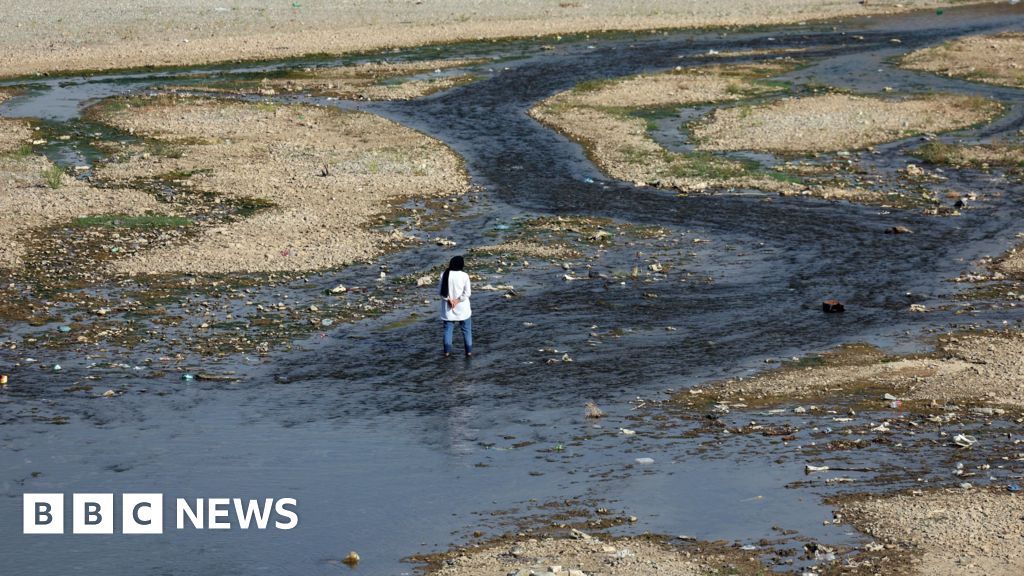
Iran, a country long embroiled in geopolitical tensions and economic sanctions, now faces an unprecedented internal crisis: a devastating water shortage that threatens the very fabric of its society and sovereignty. This month, Tehran’s reservoirs are nearing collapse, with officials warning that if the rains do not return soon, the capital may face the grim necessity of water rationing or even evacuation. Such stark warnings are not merely alarmist rhetoric—they are warnings of the profound geopolitical impact of environmental mismanagement, war, and climate change on a nation’s stability. As analysts like Dr. Samuel Livingston of the International Water Resources Group note, these crises have the potential to upend the regional balance, fueling unrest and destabilizing the already fragile landscape of Middle East geopolitics.

Experts suggest that Iran’s historic decades-long water mismanagement has reached a point of no return, exacerbated by recent conflicts and infrastructural decay. The management of reservoirs such as the Latian and Karaj dams, which are now holding less than 10% of their capacity, illustrates a country pushing toward environmental catastrophe. Mohammad-Ali Moallem, the manager of the Karaj Dam, reports a staggering 92% decrease in rainfall compared to the previous year, with most water deemed “dead” and unusable. The situation is compounded by the country’s aging water infrastructure and widespread leakage, factors identified by Iran’s Minister of Energy, Abbas Ali Abadi, as critical contributors to the ongoing crisis. Historically, Iran’s water woes have been dismissed as cyclical, but today they threaten to trigger a humanitarian crisis that could reshape the nation’s internal and regional dynamics.

Adding to Iran’s turmoil, recent military conflicts and targeted strikes have indirectly strained the country’s resilience. Following a 12-day war with Israel, the northern Tehran neighborhood of Tajrish experienced severe flooding, revealing the fragile state of Iran’s infrastructure amidst ongoing hostilities. The Israeli Defense Forces claimed strikes on military targets, but the aftermath underscores the broader impact of geopolitical conflicts on Iran’s capacity to manage natural disasters and environmental pressures. According to Iran’s National Centre for Climate and Drought Crisis Management, other provinces such as West and East Azerbaijan are also witnessing dangerously low water levels, with some dams dropping below three percent capacity—the sort of emergency that could threaten entire cities like Mashhad. The intersection of war, mismanagement, and climate change has created a perfect storm, with the potential to destabilize Iran further and ripple across the region.

From an international perspective, this crisis exemplifies the complex web of how environmental issues are intertwined with geopolitics. The officials’ reluctance to accept the full scope of the crisis, combined with sanctions-induced economic constraints, hampers Iran’s ability to invest in infrastructure or adopt sustainable water management practices. As seasoned analyst Dr. Emily Carter explains, “Iran’s water crisis is a microcosm of a larger trend—climate change exacerbated by internal missteps and external conflicts that will test the resilience of nations and societies in ways previously unimagined.” The looming threat of water shortages may ignite internal unrest, disrupt regional alliances, and pressurize the global community to address issues of environmental security that transcend borders. With rainfall forecasted to remain scarce over the coming week, the decision-makers face a moral and strategic imperative: adapt swiftly or face the chaos of a nation reaching its tipping point.

As history watches with bated breath, the unfolding tragedy in Iran serves as a stark reminder of the fragile balance between environment, geopolitics, and societal stability. The choice before Iran is clear—continue down this destructive path or confront the imperative of sustainable management and regional cooperation. Yet, with each passing day of drought, the once vibrant metropolis of Tehran and the resilient city of Mashhad edge closer to a future defined by scarcity and despair. The pages of history are being written in real-time — and what happens next may define the fate of Iran and the broader Middle East for generations to come. The questions remain: will this be a moment of awakening or the beginning of a long descent into chaos? Only the unfolding events will tell, but the weight of history urges us to watch closely.

Social Media Auto Publish Powered By : XYZScripts.com



