Matox News

Truth Over Trends, always!

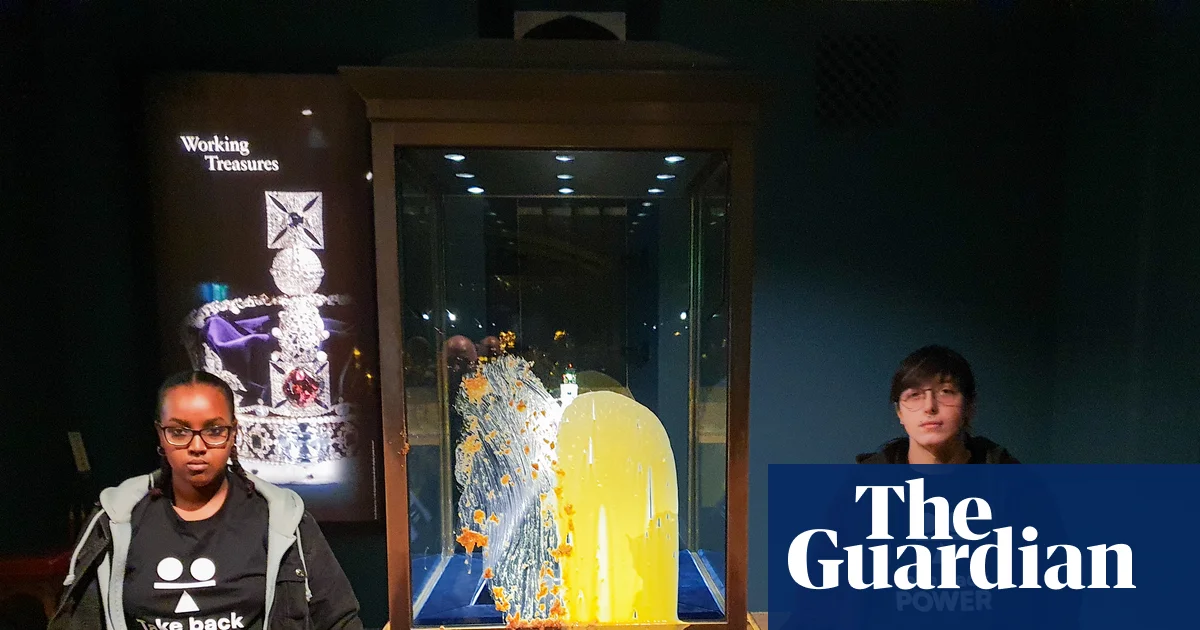
Tower of London reopens after protest over crown jewels display, food thrown during unrest

The recent demonstration at London’s Tower of London has ignited a wave of controversy that extends far beyond the gates of Britain’s historic citadel. On Saturday, a small but symbolic act of protest—the throwing of custard and apple crumble at the display case containing the Imperial State Crown—led to the temporary closure of part of one of the UK’s most iconic tourist sites. Conducted by the group Take Back Power, the action underscores growing discontent within Britain’s society over issues of inequality and governance. While the protesters describe their action as a non-violent civil resistance, it signals a deeper challenge to the established political and cultural order that continues to define Britain’s national identity.

Internationally, this event acts as a stark reminder of the tumult that often bubbles beneath the surface of seemingly stable nations. The protest’s message—demanding a permanent citizens’ assembly with the authority to tax extreme wealth and reform Britain’s governance—resonates with broader global patterns of populist discontent. Analysts note that Britain, historically seen as a resilient and constitutional monarchy, is now experiencing a fissure in its societal fabric. This fissure is partly driven by economic disparities, as the gap between the ultra-wealthy and common citizens widens. Global organizations such as the World Economic Forum have warned that rising inequality could spark more protests across Western democracies, challenging the legitimacy of long-standing political institutions.

In a wider geopolitical context, Britain’s internal struggles reflect a fracturing of trust that has significant repercussions on its international role. As the UK reevaluates its positioning post-Brexit, with declining influence in European and global affairs, such protests serve as a signal to allies and adversaries alike: the UK’s traditional institutions are under stress, and legitimacy is increasingly questioned from within. Historians like Dr. Elisabeth Meyers argue that these moments of civil unrest, regardless of their scale, *predict a transformative period for democracies worldwide*. Meanwhile, international watchdogs caution that unresolved grievances could lead to further destabilization, especially if economic tensions continue and political reforms stall.

The geopolitical impact of Britain’s internal discord may ripple outward—affecting alliances, security policy, and trade relations—while also shaping international narratives about Western resilience. For nations observing from afar, the spectacle of protesters targeting Britain’s crown jewels symbolizes a broader trend: that even the most venerable symbols of power are vulnerable when citizens feel unheard or ignored. The UK’s challenge now is to address these root issues without further fueling perceptions of decline or decay in what many still consider a global ideological and cultural beacon. History, as often noted by experts, reminds us that the fate of nations is etched into moments of crisis, and how Britain responds to this internal awakening may determine whether it emerges stronger or further divided.

As the dust settles and authorities investigate, the symbolism remains—an enduring reminder that history’s pages are still being written. In the shadow of this protest, the question lingers: Will Britain reaffirm its commitment to a more equitable society, or will it fall into the chaos of fractured trust? The next chapter depends on whether leadership recognizes that the true crown of a nation lies not in its jewels or monuments, but in the unity of its people and their unwavering quest for justice. The stones of the Tower of London have witnessed centuries of history, yet it is in moments like this that they seem to whisper of a future still undefined, waiting to be shaped by those brave enough to challenge the status quo.
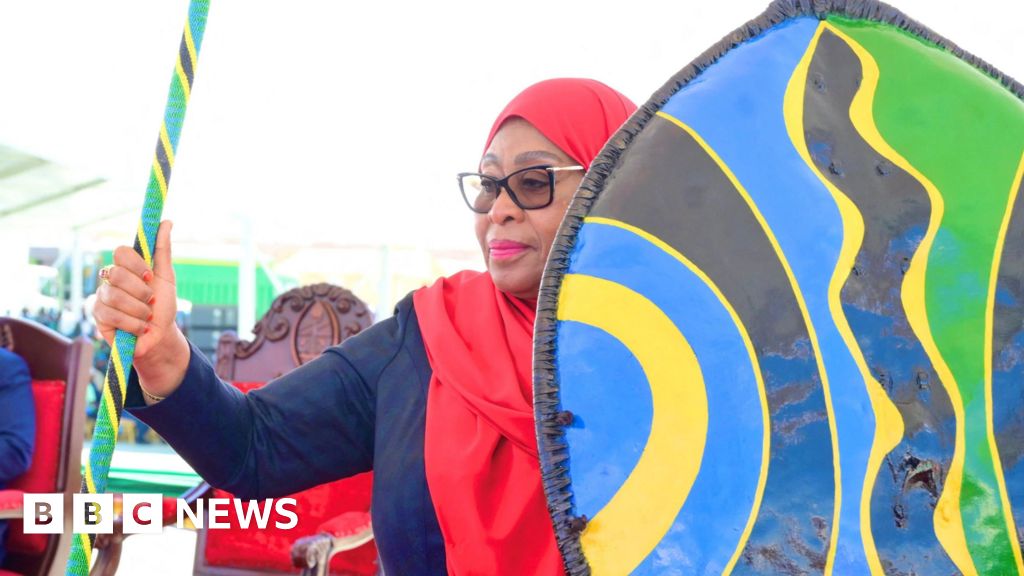
Dar es Salaam curfew lifted as unrest subsides—peace returns for the youth

Post-Election Turmoil in Tanzania: A Nation at a Crossroads

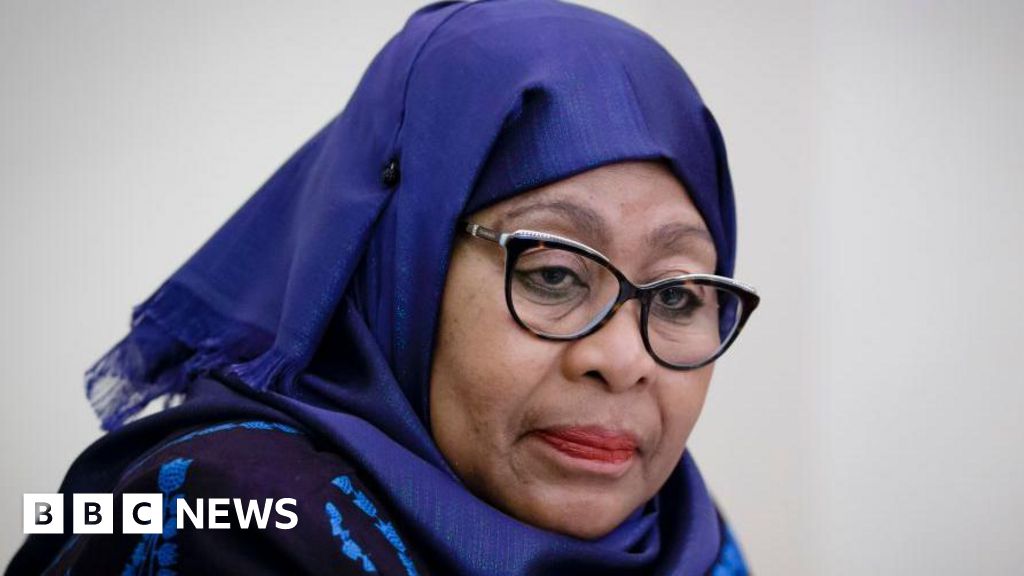
In a dramatic turn of events, Tanzania finds itself teetering on the edge of political chaos following its recent presidential election, which has been marred by allegations of violence, suppression, and international concern. President Samia Suluhu Hassan was sworn in amidst widespread unrest after securing an overwhelming 98% of the vote—an outcome questioned by regional observers and opposition leaders alike. The election, initially heralded as a step in Tanzania’s political evolution, has instead exposed underlying tensions that threaten to undermine the country’s hard-won stability.

As violence erupted in Dar es Salaam and other urban centers, the government responded with force, deploying lethal measures that international organizations—such as The United Nations and Human Rights Watch—have condemned as excessive. Reports from hospitals and diplomatic sources indicate that at least hundreds of individuals have been killed in days of clashes, with credible evidence suggesting the disappearance of bodies, arbitrary detentions, and the use of unidentified vehicles to remove casualties. This brutal response has cast a dark shadow over what was once considered one of Africa’s bastions of stability, raising questions about how far Tanzania is willing to go to safeguard its political power.

International reactions have been swift, with the Southern African Development Community (Sadc) issuing a preliminary report criticizing the election process for falling short of democratic standards. The exclusion of leading opposition figures—Tundu Lissu, detained on treason charges, and Luhaga Mpina, rejected on technical grounds—has further delegitimized the poll, fueling fears of authoritarian overreach. Historians like Professor Alex Mbeki warn that such developments could have broader geopolitical impacts, destabilizing the entire East African region and emboldening similar authoritarian tendencies elsewhere.

Meanwhile, ordinary Tanzanians bear the scars of this violence, with families devastated by loss and uncertainty. Stories of missing relatives and alleged police brutality have become common, as survivors recount harrowing accounts of chaos and repression. The government’s efforts to downplay the scale of unrest—blaming foreign nationals and dismissing reports of casualties—fail to conceal the depth of societal fracture now plaguing the nation. Historian and political analyst Dr. James Irie cautions that such suppression could sow seeds of long-term societal disillusionment, jeopardizing Tanzania’s trajectory towards democratic resilience. As the international community watches with concern, the weight of history hangs heavily, hinting that these tragic events may either become a dark chapter or a catalyst for deeper national reform.

With Tanzania facing an uncertain future, the choices made in the coming weeks will determine whether this country of 60 million will succumb to authoritarian decay or forge a path toward reconciliation and justice. As the echoes of gunfire fade into the night, the spirits of the fallen and the hopes of a nation’s youth remain a stark reminder that history is perpetually in the making—its course uncertain, yet undeniably consequential.

Samia Suluhu Hassan secures 98% victory amid national unrest

Election Controversy and Political Stability in Tanzania

In a decisive yet turbulent moment for East Africa, President Samia Suluhu Hassan has been officially declared the winner of Tanzania’s recent presidential election. According to the electoral commission, she secured an overwhelming 98% of the votes cast in a process marred by unrest and claims of widespread fraud. This victory cements her position in a country that, since independence, has been a haven of stability under the dominance of the Chama Cha Mapinduzi (CCM) party, which has never lost power in post-colonial history. However, beneath the veneer of electoral success lies a nation teetering on the brink of political and social upheaval, with reports of violence, deaths, and suppressed dissent raising concerns about Tanzania’s sovereignty and future trajectory.

Internal Struggles Reflect Broader Regional Tensions

Analyzing the domestic turmoil, international observers and analysts have raised alarm over credible reports of hundreds of casualties amid ongoing protests. While the government attributes the violence to “isolated incidents”, opposition leaders and diplomatic sources estimate that fatalities could be as high as 700. This level of violence signals a fundamental challenge to democratic legitimacy in Tanzania, which has experienced recurrent repression of opposition figures—most notably the detention of key challenger Tundu Lissu. Historians and rights groups, such as Amnesty International, have condemned the crackdown, describing a “wave of terror” involving enforced disappearances and extrajudicial measures against dissenters. Such measures threaten not only political stability but also regional reputation and refugee flows, which already strain neighboring nations’ resources.

Geopolitical Impact and How International Shifts Shape Outcomes

The repercussions extend beyond Tanzania’s borders, with foreign diplomatic and regional institutions closely monitoring the unfolding crisis. As East Africa’s largest economy faces internal disorder, tensions ripple across the region, impacting trade routes, security cooperation, and the ongoing struggle for influence among China, the United States, and European powers. Beyond the immediate violence, the election’s integrity has become a litmus test for democracy in Africa, emphasizing how authoritarian tendencies threaten stability and pseudo-legitimate health of democratic processes. Scholars warn that if Tanzania’s government consolidates power through repression, it could set a dangerous precedent for rising authoritarianism across the continent. As the African Union and United Nations call for calm and transparency, the country’s future hinges on whether leadership can reconcile the legitimate demands of its youth and opposition with the relentless pressures of regional and global geopolitics.

A History in the Making: A Nation’s Fate at the Crossroads

From the streets of Dar es Salaam to the halls of international diplomacy, Tanzania’s election has become emblematic of a larger geopolitical chessboard, where power, influence, and democracy itself are continuously redefined. As a new chapter begins amidst chaos and controversy, history remains unwritten. The fate of Tanzania—much like that of its neighbors—depends on whether its leaders prioritize trust, transparency, and respect for human rights or succumb to the temptations of authoritarian rule. This moment is a stark reminder that the arc of history is long, yet sometimes, it bends sharply toward conflict—leaving little room for error as the world watches a pivotal story unfold.

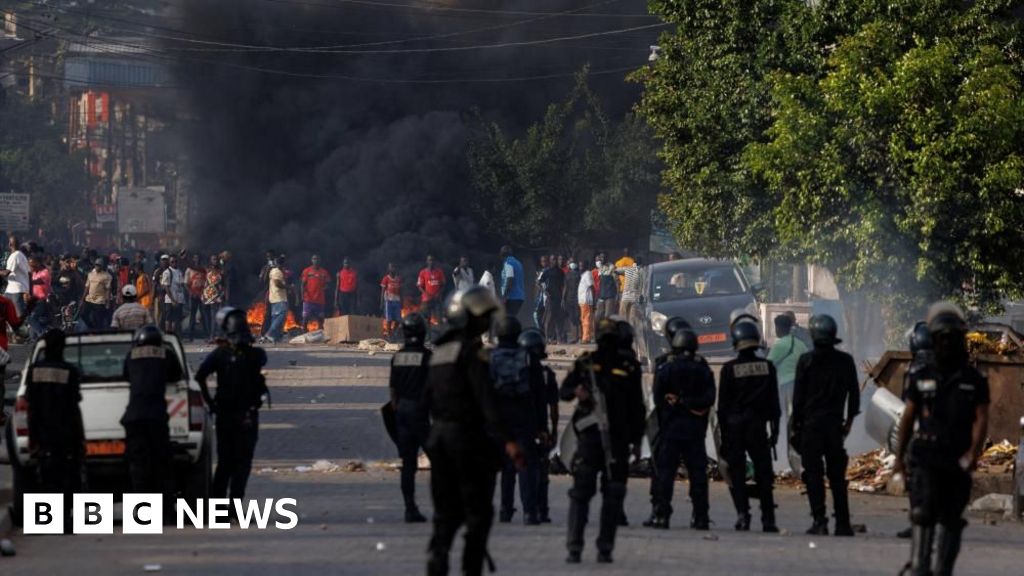
Protests erupt in Cameroon over disputed election results, igniting youth-led unrest.

Cameroon’s Contested Election Sparks Unrest and Global Concern

The recent presidential election in Cameroon has ignited a tense political crisis that resonates far beyond its borders. Despite the official results seemingly favoring the long-standing incumbent, President Paul Biya, protests erupting across cities like Garoua and Douala suggest deep dissatisfaction with the electoral process and allegations of widespread irregularities. Supporters of opposition candidate Issa Tchiroma Bakary assert their victory, claiming that data from multiple polling stations show they secured approximately 55% of the votes, a figure strongly contesting the official declaration. This moment in Cameroon’s political landscape is increasingly being viewed by international analysts as a potential catalyst for broader regional instability, especially considering the ongoing conflicts in neighboring nations.

Historically, Cameroon has been a symbol of stability in Central Africa—yet recent developments threaten this reputation. The country’s electoral system, criticized for lacking transparency and transparency, faces accusations of manipulation and ballot-stuffing, fueling the anger of opposition supporters who see their democratic rights undermined. The constitutional council, stacked with appointees loyal to President Biya, dismissed multiple petitions from the opposition, further intensifying the divide between the government and its citizens. Analysts from the International Crisis Group highlight that the
decision to dismiss claims of electoral irregularities
may only deepen the public’s distrust and escalate to civil unrest, unsettling a region already grappling with insurgencies and political upheaval.

The immediate geopolitical impact extends to the regional consciousness, as neighboring countries observe Cameroon’s crisis with concern. Countries sharing borders or economic ties are directly affected: any destabilization in Cameroon could threaten regional security, disrupt trade routes, and embolden insurgent groups like Boko Haram, which operate across borders in the Lake Chad Basin. According to international observers, especially within the United Nations, the crisis underscores the critical importance of credible electoral processes—not solely for Cameroon’s stability but as a bellwether for democratic resilience in Africa. The global community must weigh carefully whether to support an election that fails to meet democratic standards or risk further spiraling chaos—an all-too-familiar challenge as history demonstrates how electoral disputes can morph into protracted conflicts.

The character of Issa Tchiroma Bakary, a figure once aligned with the establishment and now a leading opposition contender, symbolizes the seismic shifts occurring within Cameroon’s political narrative. Once a government minister and spokesperson, his transition from loyalty to opposition mirrors a broader frustration among youth and disenfranchised groups who see no fair path forward under the current regime. His call for peaceful protests and his refusal to accept an alleged “stolen election” have reignited a spark of civic activism across the nation, compelling international voices to heed the underlying message: the people demand their voices to be genuinely heard. As prominent analysts warn of the risk of escalating violence—should injustices persist—the question looms: how will Cameroon’s leadership respond, and at what cost to regional stability?

As history continues to unfold, the story of Cameroon remains one of resilience intertwined with peril. The echoes of a nation at a crossroad—where the will of the people clashes with entrenched authority—serve as a stark reminder of the fragile thread upon which democracy balances within volatile contexts. The region, watching intently, recognizes that these pivotal moments could either forge a new era of transparent governance or plunge the country into deeper chaos—a consequence that would ripple across borders and generations. The weight of this unfolding chapter presses heavily on the shoulders of leaders, diplomats, and citizens alike, as the heavy hand of history patiently observes, waiting to reveal what the future will hold for Cameroon and, ultimately, the entire Central African region.

Social Media Auto Publish Powered By : XYZScripts.com