Matox News

Truth Over Trends, always!

Brazil Floods and Landslides Take 20 Lives, Highlighting Urgent Need for Preparedness

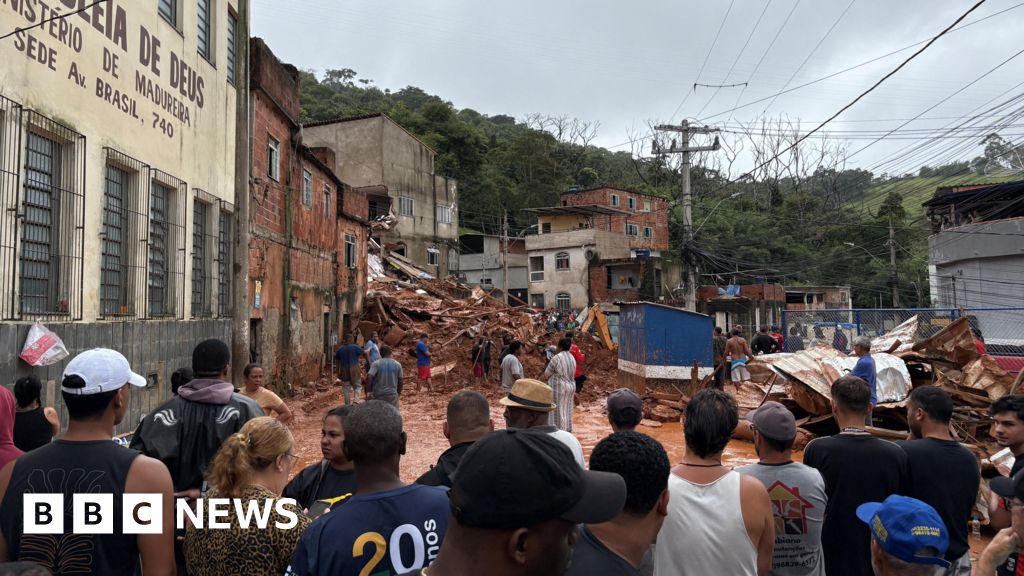
In a harrowing reminder of the ever-present vulnerability of urban populations to natural disasters, Juiz de Fora has become the center of international attention following recent catastrophic events. Hundreds of residents have been displaced amidst a surge in infrastructure collapse, while dozens are still reported missing as rescue operations continue into the night. The disaster underscores the ongoing challenges faced by cities worldwide in balancing rapid development with disaster preparedness, especially within vulnerable geopolitical regions.

As the world scrutinizes the unfolding crisis, experts point to a broader pattern of environmental and infrastructural neglect fueling such disasters. According to international climate analysts and urban planners, climate change—once dismissed as a distant threat—is now manifesting through increasingly extreme weather events. These conditions exacerbate the fragility of urban infrastructure, especially in fast-growing cities like Juiz de Fora, located in a geopolitically sensitive area of Brazil. The incident highlights how neglect of preventative measures can turn natural events into devastating tragedies, fueling migration pressures and social unrest.

The global geopolitical impact of such crises extends beyond local borders, emphasizing the importance of international cooperation. Countries in the Global South, including Brazil, are often at the receiving end of climate-induced calamities with limited resources for effective response. Analysts from organizations like the United Nations warn that if global powers do not prioritize climate resilience and infrastructure modernization, similar disasters will continue to threaten societal stability across vulnerable regions. Coupled with political instability and economic challenges, these catastrophes threaten to impinge on international security and economic stability—factors that global leaders cannot afford to ignore.

Historically, cities have been battlegrounds of progress and setbacks, echoing the words of prominent historians who have long emphasized that such moments are turning points in history. The ongoing crisis in Juiz de Fora illustrates how decisions made—or neglected—in urban planning and climate resilience can have profound, enduring consequences. According to analysts, whether nations choose to confront these vulnerabilities or ignore them today will shape the future of global stability, with some arguing that the current failures could be seen as warnings of a more tumultuous era ahead. The echoes of past failures resonate now; time is running out for decisive action designed to prevent future tragedies.

As rescue teams scour the debris-strewn streets and international observers reflect on the tragedy, one thing remains clear: the unfolding event is not just a local catastrophe but a stark symbol of the collective responsibility nations bear. With each displaced family and each unresolved missing person, the weight of history presses down—an indelible reminder that the path to resilience must be forged before the next calamity strikes. The world watches, aware that the lessons learned here—urgently, and with resolve—will determine whether history’s next chapter is one of recovery or further chaos.


Sanders warns: US clueless on AI's rapid rise—slowing down is urgent
Sanders warns: US clueless on AI’s rapid rise—slowing down is urgent

Global Impacts of AI Revolution: A Wake-Up Call for Nations

As technology advances at breakneck speed, warning signs from influential voices across political and economic spheres are intensifying. Senator Bernie Sanders recently spotlighted the looming AI revolution at Stanford University, warning that the American public and Congress remain dangerously unprepared. His stark assessment underscores a broader warning that the rapid development of artificial intelligence threatens to reshape societal fabric, employment structures, and international relations in unpredictable ways. This emerging crisis transcends national borders, risking a geopolitical upheaval that could redefine the global order.

Sanders’ call for action coincides with a growing chorus of international voices raising alarms over the unchecked growth of AI systems. While American policymakers grapple with legislative inertia, China, the European Union, and other major actors are making calculated moves to assert control over this disruptive technology. China has accelerated its AI development, emphasizing state-led initiatives aimed at outperforming western counterparts, while the EU pushes for regulatory frameworks intended to safeguard privacy and human rights. In this landscape, the United States faces a critical crossroads: continue rushing forward, risking societal chaos, or adopt a cautious approach that could reshape global technological dominance.

Throughout the debate, figures like analysts and historians warn that the inability to regulate AI’s growth might lead to profound economic consequences. Projections suggest that millions of jobs—ranging from trucking to white-collar sectors—could be lost within the next decade. The International Monetary Fund (IMF) and World Economic Forum have issued warnings about the potential for growing inequality and oligarchic concentration of wealth. These developments threaten to destabilize societies by exacerbating disparities, fueling social unrest, and challenging the legitimacy of democratic institutions. The recent push by Sanders and Khanna for a global rethink — championing measures like a moratorium or strict regulations — signals an urgent effort to alter this trajectory before it is too late.

As nations forge their responses to AI’s uncharted territory, the stakes are unmistakably high; the decisions made today could either pave the way for a future where technology elevates humanity or one where it consolidates power in the hands of a few. The tectonic shifts occurring in politics, economy, and social norms offer a vivid tableau of history in the making. Will nations act decisively to establish rules of engagement that serve the common good, or will they capitulate to the allure of unchecked technological dominance? The world watches, standing at the precipice of a new era — an era that will forever leave its mark on history, if only we have the courage to shape it.

Search intensifies across Mexico in urgent quest for Nancy Guthrie breakthrough

The ongoing search for the 84-year-old mother of U.S. television presenter Savannah Guthrie has entered its third week, drawing widespread media attention and raising concerns over the safety and well-being of vulnerable populations. The case has become emblematic of broader issues related to elder care, community alertness, and the role of international cooperation in protecting at-risk individuals amid rising social fragmentation. While the search remains focused on a single individual, the ripple effects extend far beyond, underscoring the interconnectedness of security, social responsibility, and policy in a rapidly changing world.

Experts in international security and humanitarian response highlight that the case highlights the importance of multinational cooperation and information sharing. Analysts from global institutions such as the United Nations emphasize that, in an era characterized by increased population mobility and transnational challenges, local incidents often have implications that resonate globally. The specificity of this search—an elderly woman potentially lost in complex urban environments—serves as a reminder of ongoing vulnerabilities faced by aging demographics across many nations. As social safety nets are strained and societal structures evolve, the risks faced by the elderly are increasingly becoming a matter of international concern.

The incident also sheds light on how national policies toward elder care and community vigilance influence societal resilience. Critics argue that, in many countries, inadequate funding for healthcare and social services contributes to increased instances of vulnerable individuals going unnoticed or without adequate support. As the world watches this case unfold, it prompts a critical dialogue about the role of governments, community organizations, and international bodies in safeguarding vulnerable populations. According to scholars like Dr. James McCarthy, the crisis underscores the urgency for a unified global framework to address the needs of aging citizens—an initiative that could reshape international health and social policies.

In geopolitical terms, the search for Guthrie’s mother exemplifies how seemingly localized tragedies can influence international perceptions of national stability and social cohesion. Western nations pride themselves on technological innovation and social safety, yet incidents like this starkly reveal foundational gaps. The case also offers a platform for examining the international dimensions of elder care, especially as countries grapple with demographic shifts and economic pressures that threaten to compromise social safety mechanisms. Some analysts warn that if systemic issues remain unaddressed, societies could face a future marked by increased social instability, with elder abandonment and neglect becoming normalized societal issues. The response to this crisis could serve as a microcosm of broader geopolitical resilience or failure.

As the search persists into its third challenging week, the world’s gaze remains fixed on this poignant human story. The uncertainty surrounding the elderly woman’s whereabouts echoes a deeper, more profound question: how nations prioritize and protect their most vulnerable amidst the turbulence of modern geopolitics. The effort to locate her is not only a matter of individual rescue but a stark reminder that history is defined by moments where human compassion intersects with policy and resilience. The outcome of this case—still unwritten—may one day serve as a powerful chapter, illustrating whether societies can rise above their divisions and reaffirm their commitment to caring for all members. Time will tell if this fleeting crisis will spark lasting change or fade into the annals of overlooked tragedies, yet the urgency of the moment persists—an enduring testament to history’s relentless march forward.

Rising Calls to Free Venezuelan Political Prisoners Highlight Urgent Need for Justice

Venezuela’s Prisoner Release: A Sign of Shifting Political Tides or Strategic Gesture?

Since 8 January, a dedicated vigil has been underway outside a Venezuelan police detention facility, marking a significant development in the ongoing political saga that continues to shape the fate of this turbulent nation. The initiative was announced by Jorge Rodríguez, the head of the Venezuelan National Assembly, who declared that “a significant number” of prisoners would be freed as a *”goodwill gesture”* aimed at demonstrating the *”interim government’s*” desire for *”peace”*. This move, hailed by some as a step toward reconciliation, has resonated within the broader context of Venezuela’s ongoing political crisis, highlighting how decisions on prisoners and political concessions carry far-reaching geopolitical implications.

From an international perspective, this gesture comes amid escalating tensions involving various national and global actors who are keenly observing whether Venezuela’s internal disputes will give way to genuine reform or simply serve as a temporary façade. Russia and China, long-standing allies of President Nicolás Maduro, have supported the status quo, emphasizing stability and sovereignty. Conversely, Western nations, led by the United States, continue to press for democratic reforms and human rights improvements, often framing such prisoner releases as *”initial steps”* within a broader strategy. Analysts, referencing reports from organizations like the United Nations, warn that “such gestures must be accompanied by comprehensive political dialogue” to avoid superficial demonstrations that fail to address deeper systemic issues.

Within Venezuela, the move reflects a complex interplay of domestic and international pressures. Supporters see it as a *”glimmer of hope”* amid persistent economic hardship and political repression, while critics argue that these releases are merely tactical, aimed at softening international criticism while maintaining control. For historians and political analysts, this event underscores a crucial *”turning point”* — a test of the interim government’s sincerity and the resilience of opposition forces. As globally renowned analyst Michael C. Doyle points out, \u201Cthe decision to free prisoners is a calculated step, but it’s also a reflection of a power struggle where concessions are often less about principle than strategic positioning.\u201d This reflects a broader trend seen in complex sovereign crises: concessions are carefully negotiated to preserve core interests while projecting an image of reform.

For the international community, the significance of such decisions cannot be understated. How Venezuela’s internal machinations play out directly impacts regional stability in Latin America, influences global energy strategies, and tests the mettle of multilateral institutions tasked with promoting peace and democracy. As nations watch with cautious optimism and guarded skepticism, the unfolding narrative remains a stark reminder: the sands of history are shifting, but the outcome remains uncertain. Will this gesture of goodwill herald a genuine shift toward peace or become another chapter in a long-standing game of geopolitical chess? The world waits, apprehensively aware that the outcome of events in Venezuela could ignite or quench hopes for a more stable and just hemisphere.

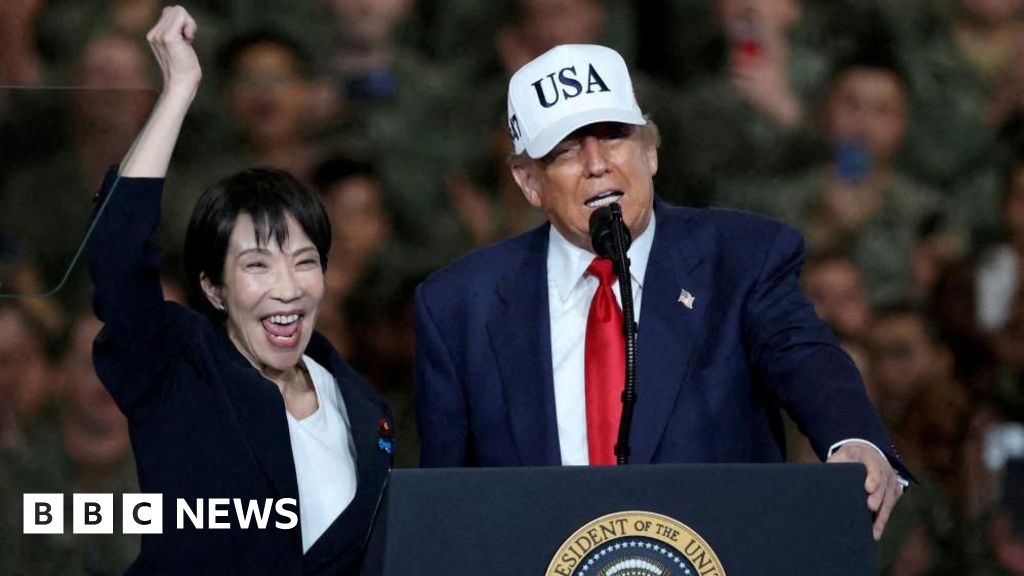
Trump backs Takaichi in Japan’s urgent election push

In an unprecedented move that underscores a significant shift in international geopolitics, the United States has publicly endorsed a candidate in a foreign election for the first time in recent history. Traditionally, America’s foreign policy and diplomatic efforts have focused on supporting democratic processes through behind-the-scenes influence rather than overt backing of specific individuals or parties. However, recent developments suggest a profound change in strategy, with the potential to ripple across global power dynamics.

This intervention has ignited a fierce debate among international analysts, historians, and policymakers. Critics argue that such direct interference contravenes the principles of sovereignty and non-intervention enshrined in the UN Charter and other international agreements. Conversely, proponents within the U.S. government contend that safeguarding national interests often involves strategic engagement in foreign political affairs. This marks a departure from past caution, signaling a more assertive U.S. posture that emphasizes direct influence over the political landscape of key allied and adversarial nations alike.

The geopolitical impact of this overt support extends far beyond the immediate electoral outcome. America’s active involvement could weaken legitimacy for the elected government, complicate diplomatic relations, and embolden adversarial nations to pursue their own interventions. It also raises profound questions about the erosion of international norms regarding sovereignty and free elections. Prominent international organizations, such as the European Union and the G7, have expressed cautious concern, emphasizing the importance of respecting national sovereignty and impartial electoral processes. Meanwhile, many regional leaders worry that this new American posture could unleash a domino effect, where other powers, notably Russia and China, escalate their efforts to influence foreign elections—destabilizing global stability.

Historical analysis by leading scholars underscores that intervention in foreign elections usually backfires, fostering resentment and diminishing long-term American influence. Experts suggest that this move signals a strategic recalibration, possibly influenced by recent geopolitical shifts and the rise of nationalist movements worldwide. According to the International Crisis Group, these actions risk sowing suspicion and hostility in regions where local populations are already wary of foreign interference. The broader narrative now depicts a global arena where power struggles shift from conventional military confrontations to a subtler, yet arguably more dangerous, race for influence through political meddling.

This episode leaves the world teetering on a precipice, with history’s unfolding pages recording a pivotal moment. As the U.S. asserts itself more boldly on the international stage, nations must grapple with the dual realities of defending sovereignty while confronting the new norms of global influence. The question remains: will this strategy reinforce American dominance or ignite a dangerous chain reaction with consequences that could reshape the international order for generations? In the turbulent tides of history, the answer is yet to fully emerge, leaving nations to wonder whether they are witnessing the dawn of a new era or the twilight of diplomatic trust.

Flooding in Southeast Asia claims 600 lives, urgent call for action

South Asia Faces Devastating Floods and Landslides Amid Climate Unrest

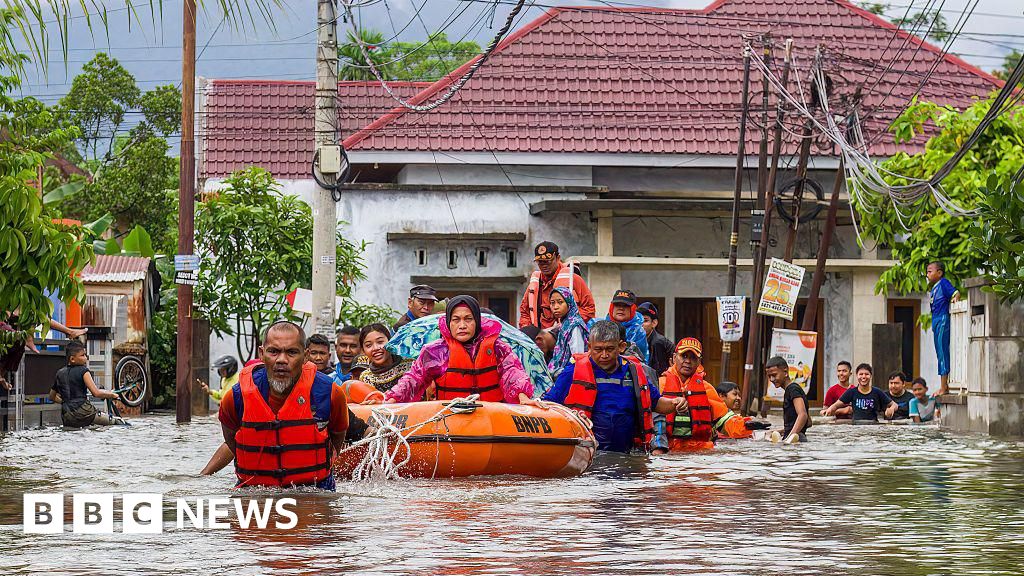
The region of southern Asia is currently confronting an unprecedented natural disaster, as torrential rains triggered by tropical storms have wrought widespread destruction across Indonesia, Thailand, Malaysia, and Sri Lanka. These devastating floods, compounded by rare cyclonic activity, have claimed the lives of approximately 600 individuals and left millions displaced, exposing the perilous intersection of climate change and geopolitical stability. As rescue operations continue amidst chaos and destruction, analysts warn that such extremes are likely to become the new norm if global actions remain delayed.

Historically, the monsoon season has been a predictable component of Southeast Asian weather patterns, yet this year’s events mark an alarming deviation. In Indonesia, the arrival of Cyclone Senyar, a once-in-a-lifetime tropical cyclone, has caused catastrophic landslides and flooding, sweeping away entire communities on the island of Sumatra. Officials report nearly 300 individuals are still missing, with some homes submerged and entire neighborhoods washed away in seconds, according to local residents and disaster agencies. Similarly, in Thailand, the city of Hat Yai faced record-breaking rainfall—over 300mm in a single day, a figure unseen in three centuries—leading to a death toll exceeding 160. Entire districts have seen infrastructure decimated, with hospitals overwhelmed and bodies needing refrigeration under emergency conditions.

Meanwhile, Sri Lanka bears the brunt of a country battered by both Cyclone Ditwah and relentless rain, with over 130 lives lost and more than 170 still missing. The government has declared a state of emergency, mobilizing emergency aid and international assistance. Climate scientists and regional analysts attribute this pattern to the interaction of Typhoon Koto in the Philippines and Cyclone Senyar in the Malacca Strait, embodying a disturbing trend of intensified and prolonged weather crises fueled by climate change. The regional climate crisis, yielding heavier than typical monsoons, underscores the geopolitical challenge: how to adapt and respond before the damage becomes irreversible. Globally, organizations such as the United Nations warn that climate-related disasters are no longer isolated incidents but a direct threat to stability and security.

Ultimately, this confluence of natural calamities is more than just a reminder of Earth’s volatile climate; it exposes how poorly prepared vulnerable nations remain to confront such upheavals. To many analysts, these incidents serve as a stark warning that the global community must act decisively to curb emissions and bolster resilience. The ongoing rescue efforts, while heroic, highlight the disparity—wealthier nations can invest in advanced infrastructure and swift aid, yet millions across South Asia continue to face the brutal impact of nature’s fury with limited resources. As the waters recede and emergency services tend to the injured and displaced, the question remains: how much longer can societies endure these relentless onslaughts before the fabric of civilization itself begins to fray? For now, the waters keep rising, and history eagerly watches to see if this crisis will inspire meaningful change or be just another chapter in a long story of neglect, leaving future generations to contend with a planet in peril.

COP30 Evacuated as Fire Breaks Out—Pacific Leaders Push for Urgent Climate Action

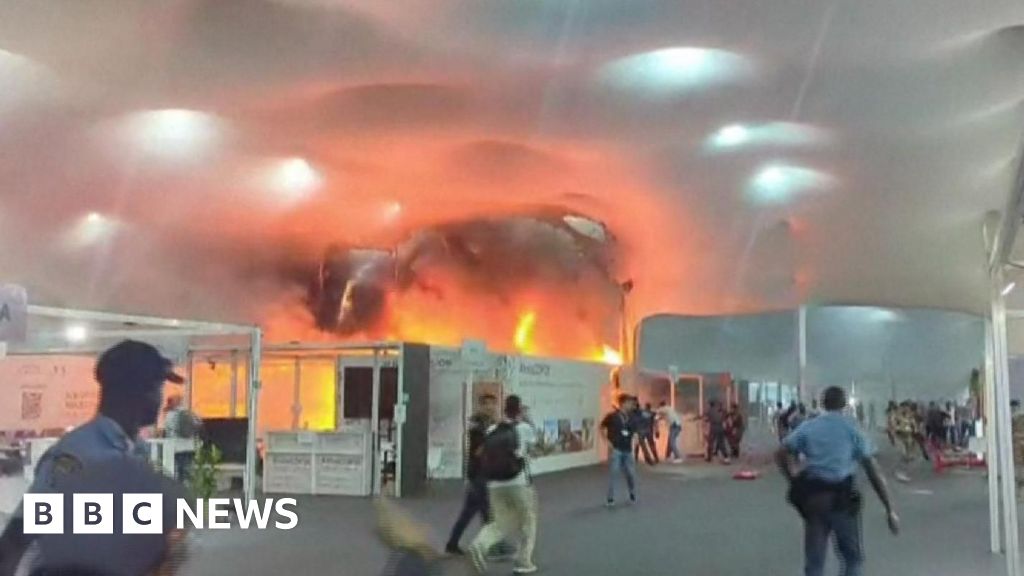
In a dramatic turn of events that underscores the fragility of international diplomacy, the UN climate summit, COP30, held in Belém, Brazil, was abruptly halted when a fire broke out inside the conference venue. Chaos erupted as flames and heavy smoke engulfed the pavilion, forcing hundreds of delegates, journalists, and concerned observers to evacuate in a scramble for safety. The incident not only disrupted critical negotiations but cast a shadow over the increasingly urgent global efforts to combat climate change, highlighting how unforeseen crises can unilaterally derail multilateral diplomacy.

The Brazilian authorities quickly claimed to have contained the fire, which authorities believe was likely an electrical fire. However, the cause remains under investigation—which adds to the volatility of the situation—while the immediate aftermath saw delegates seeking shelter outside, some under the shade of nearby petrol stations amid oppressive heat and humidity. The fire caused visible damage, burning through the venue’s protective sheeting and creating a large hole in the structure, temporarily halting what was already a delicate consensus-building process involving nearly 200 nations. This fiery disruption could have repercussions far beyond Brazil, impacting the geopolitical fabric as nations grapple with the fallout of a crisis that embodies the precarious state of global cooperation on environmental issues.

International analysts, including prominent climate experts and United Nations officials, warn that incidents like this expose the deeper vulnerabilities within the global climate governance framework. With negotiations at a crucial juncture—aiming to outline next steps and commitments—the fire’s disruption could serve as a symbolic warning about the fragility of international consensus. Observers note that such chaos may undermine trust, especially as climate change remains a battleground where geopolitical tensions are heightened; a safe and collaborative environment is essential before nations can approach the substantial task of crafting effective policies. The UN reiterated that the summit is temporarily on hold, with authorities now inspecting the venue for safety before proceedings can resume, but the incident leaves many questioning whether global leadership is equipped to confront the mounting crises ahead.

Historically, international critics and strategic analysts have argued that crises—whether geopolitical or environmental—often act as turning points revealing structural weaknesses within the global order. With tensions simmering over climate commitments, resource disputes, and geopolitical rivalries, the fire at COP30 serves as a stark reminder that the stakes extend beyond mere policy disagreements. As history has shown, moments of crisis tend to accelerate or derail progress depending on leadership responses. If the current incident is any indication, the path toward genuine international unity on climate issues is as uncertain as it is critical. As delegates sit outside in the sweltering heat, the world watches,—a symbol of the ongoing struggle to forge an enduring global consensus amid the chaos of an unfolding crisis—reminding us all that history’s next chapter is still being written, and the true test of leadership lies in overcoming the unforeseen with resolve.

Government Shutdown Sparks Urgent Cybersecurity Risks for the Future

US Government Faces Cybersecurity Breach During Ongoing Shutdown, Highlighting Industry Vulnerabilities

The recent six-week-long US government shutdown has unexpectedly exposed critical vulnerabilities within federal digital infrastructure. The Congressional Budget Office (CBO), tasked with providing unbiased economic data to policy makers, confirmed it suffered a cyber breach attributed to a suspected foreign actor. This event underscores a broader trend: even during periods of political paralysis, cyber threats to vital national security and economic data continue unabated, leveraging the digital systems that underpin government functions.

Disruption & Innovation in Federal Cybersecurity

  • Despite the shutdown, many federal agencies, including the CBO, maintain operational cloud infrastructures, illustrating a shift towards resilient, cloud-based security architectures.
  • In response to the breach, CBO has implemented enhanced security measures, including advanced monitoring tools and new controls.
  • However, cybersecurity experts warn that relying on cloud infrastructure, especially during operational disruptions, can be a double-edged sword, exposing vulnerabilities if not managed properly.

Industry leaders and analysts, citing research from institutions such as MIT and firms like Gartner, emphasize that government agencies and private corporations alike must prioritize disruptive cybersecurity innovation. Traditional perimeter security models are no longer sufficient in the face of sophisticated threat actors, and this breach epitomizes the critical need to adopt adaptive, AI-powered defenses that can react in real time to emerging dangers.

Business Implications & Broader Industry Impact

The breach at the CBO illustrates industry-wide vulnerabilities, reinforcing the importance for innovative cybersecurity solutions that blend automation, threat intelligence sharing, and resilience. As Peter Thiel and Elon Musk have long warned, “security is a competitive advantage in the digital age”, and the failure to innovate rapidly can spell disaster for both public institutions and private enterprise.

Moreover, the incident signals a paradigm shift in how government and business protect sensitive data: disruption in cybersecurity defenses during crises is unacceptable. Organizations must now view security as an ongoing battle, integrating next-generation AI, blockchain, and zero-trust architectures to outpace threat actors.

Looking Forward: The Urgency of Next-Gen Cybersecurity

Industry observers and government officials agree that the current breach is likely a wake-up call, stressing the necessity of proactive, innovative security strategies. As _cyberthreats continue to evolve_, companies and agencies must accelerate investments in disruptive technologies to safeguard critical infrastructure and maintain trust. The government’s ongoing shutdown underscores a fragile moment for national security, with industry pioneers poised to lead the charge in redefining cybersecurity resilience.

In this rapidly shifting landscape, the future will belong to those who innovate aggressively, disrupting old paradigms before they are exploited. The clock is ticking, and the stakes have never been higher for tech leaders to step into this digital frontier with urgency and foresight—because the next attack could be just one breakthrough away.

Kenyan landslide claims 21 lives amid heavy rains, prompting urgent calls for action

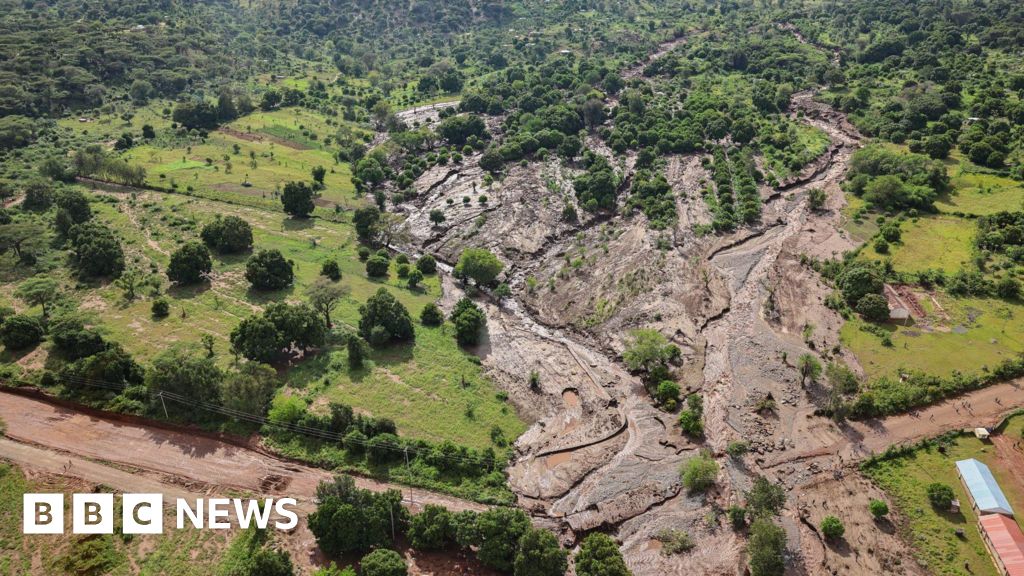
The East African region is currently grappling with a severe climate crisis, highlighted by recent devastating landslides and flash floods affecting Kenya and Uganda. The Kenyan government confirmed that 21 lives have been lost following a landslide in the western province of Marakwet East, provoked by unprecedented heavy rainfall. Interior Minister Kipchumba Murkomen reported that rescue efforts have been hampered by ongoing mudslides and flooding that cut off vital access routes, hindering aid delivery and complicating search operations. Meanwhile, in Uganda, similar weather conditions have resulted in deadly mudslides, with at least four confirmed fatalities in Kapsomo village and widespread destruction across several districts.

Analysts and international organizations are warning that the geopolitical implications of these environmental crises extend far beyond immediate human suffering. The United Nations and regional bodies have emphasized that climate change and inadequate infrastructure are exposing vulnerable populations to escalating dangers. Historians like Dr. Samuel Okoth-Omara note that this current wave of disasters reflects a broader pattern of environmental neglect and political instability, which exacerbates the region’s susceptibility to climate-related crises. As flash floods overflow rivers such as the Sipi and Astiri, communities face the immediate danger of losing homes, crops, and vital economic resources. These events threaten to destabilize local economies, complicate regional security, and induce mass displacement.

The geopolitical impact of this crisis is profound. Both Kenya and Uganda have urged residents living along seasonal rivers or recent landslide zones to evacuate to safer ground, yet the challenge remains formidable. The Kenyan government has paused rescue operations temporarily but assured the public that military and police helicopters are on standby to deliver relief supplies, including food and non-food items. This response underscores the importance of regional stability—infrastructure failures, such as blocked roads, impede not only rescue efforts but also disrupt trade and humanitarian aid. The regional governments’ inability to fully contain or prevent these disasters exposes the fragility of their institutional resilience, raising questions about long-term adaptive measures in the face of shifting climate patterns.

Many observers, including climate experts and international analysts, warn that without decisive action, these environmental calamities will continue to accelerate. The World Meteorological Organization has highlighted that rising temperatures and unpredictable rainfall patterns are fueling an increase in deadly weather events across East Africa. Furthermore, the widespread devastation fired up discussions about climate justice and the urgent need for sustainable development strategies—though critics argue that political will remains insufficient. As the region faces an unfolding chapter of suffering and adaptation, the question persists: to what extent are these nations prepared to confront the seismic shifts threatening their societies? The unfolding narrative carries within it the echoes of history—a reminder that nature’s fury, once unleashed, demands a collective response that transcends borders and ideologies. Whether East Africa can forge a resilient path amidst this turmoil remains a decisive test of its future.

Jamaican Citizen’s Death Sparks Urgent Calls for UK Rule Reforms in Overseas Territories

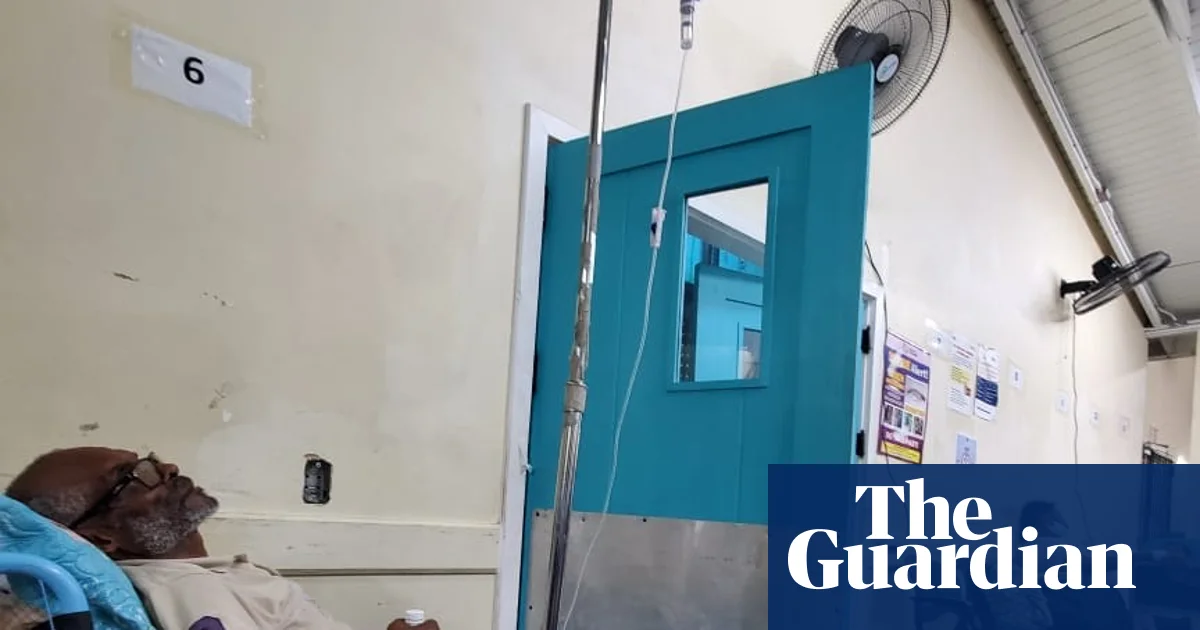
In recent weeks, a tragic incident has shone a stark light on the ongoing social and healthcare disparities within the British overseas territories. Robert Baker, a 63-year-old dual citizen of Jamaica and Montserrat, passed away after the UK government declined to assist him in accessing life-saving treatment outside of his remote island home. This heartbreaking event underscores a broader pattern of moral neglect and policy failures that jeopardize the well-being of communities living under colonial-style governance without adequate support systems.

Baker’s story is emblematic of the struggles faced by families and individuals in regions devastated by natural disasters, such as Montserrat’s 1995 volcanic eruption, which eradicated its capital and decimated essential infrastructure. Despite over 30 years passing, hospitals and emergency services on the island remain inadequately equipped, forcing residents to seek medical care abroad at great personal cost. His family’s desperate efforts and the family’s plea for equitable treatment reveal how social injustice prevents vulnerable populations from accessing healthcare equal to that of the UK mainland. For many families in these territories, the lack of proper medical infrastructure translates directly into loss of life, economic hardship, and shattered hope.

Social commentators and sociologists argue that this chain of neglect is emblematic of a broader failure to recognize the moral obligation owed to colonial subjects. Some critics equate the policies governing these territories with systemic apathy—policies that dismiss the need for adequate health services, education, and social support—for the sake of austerity and political expediency. The case of Robert Baker has also catalyzed calls from community leaders and parliamentarians like Donaldson Romeo, who describe the existing scheme as “deeply flawed” and “insufficient in relation to the scale of need”. Their stance echoes the voices of historians who argue that colonial legacies continue to shackle these populations, underlining the importance of restorative justice and policy reform.

  • Many territories, including Montserrat, lack the infrastructure to respond adequately to health crises, often leaving residents with no choice but to seek treatment abroad.
  • The current scheme allows a paltry number of patients from each territory to access NHS care annually, but the costs—travel, accommodation, and subsistence—are typically borne by families or the territories themselves, compounding hardship.
  • Advocates are calling for a fundamental overhaul of these policies to ensure equal healthcare access, dignity, and humanity to all British citizens residing in overseas territories.

As society debates questions of justice, sovereignty, and moral responsibility, the story of Montserrat’s healthcare crisis compels a profound reflection: How long can we remain indifferent to the suffering of those who live beyond the immediate reach of our societal safety nets? The future of these communities depends on an awakening—one that recognizes that social cohesion is rooted in fairness, compassion, and the unyielding pursuit of dignity for every human life. With each shared story and policy discussion, society inches closer to a landscape where no family bears the burden of neglect in silence, and where hope begins to restore the fractured promise of justice and care for all.

Social Media Auto Publish Powered By : XYZScripts.com