Matox News

Truth Over Trends, always!

Thousands of students face assault on campus, exposing urgent need for stronger safety measures

In a groundbreaking first for England’s higher education institutions, a comprehensive sector-wide survey has unveiled alarming levels of sexual violence and harassment within university communities. The Office for Students (OfS), the regulatory body responsible for overseeing the quality of higher education, surveyed over 52,000 students — specifically final-year undergraduates — and uncovered troubling data that calls into question the safety and moral fabric of our universities. According to the report, 14% of respondents reported being victims of sexual violence, including rape, attempted rape, or unwanted touching, while an additional quarter experienced sexual harassment. These figures not only underscore a societal issue but have profound implications for families, education, and community cohesion.

This wave of revelations reveals a brutal truth: for many young people, university no longer remains a safe haven — a place where minds are nurtured and identities flourish. As sociologist Dr. Anna Bull of the University of York points out, “For these students, university is not a safe or welcoming place,” a stark deviation from the ideal of higher education as a foundation of moral and intellectual growth. The survey also highlighted disturbing relationships involving staff and students, with 1.5% reporting intimate relationships with university personnel, raising ethical concerns about abuse of power and influence. Such situations threaten not just individual well-being, but integrity within academic institutions, fostering distrust that ripples through families and communities alike.

In response to these revelations, universities claim to be “determined to tackle sexual harassment,” with representatives from Universities UK emphasizing efforts to improve reporting channels and support mechanisms. However, social commentators argue that legislative and institutional measures often fall short of addressing entrenched cultural issues. Campaigner Molly Hanning, who experienced her own trauma, has gone further by establishing Academics Against Assault, campaigning for mandatory consent education across all UK universities. Her efforts highlight a vital social shift: youth-led activism is becoming a key driver of social change, as students push for cultural reforms that foster respect, responsibility, and genuine safety. As the government adopts new regulations — including mandatory training and bans on non-disclosure agreements — a louder call emerges for a societal transformation rooted in our moral duty to protect the vulnerable and uphold justice.

As society stands at this crossroads, the question remains: can these institutional reforms be enough to heal the wounds inflicted upon future generations? Molly’s story reminds us that while the road to a safer society is long and fraught with challenges, the hope for transformation persists. Her courageous campaigning and the collective efforts of educators and communities serve as a testament to the resilience inherent in youth and the enduring belief that a society built on dignity and respect is within our grasp. Society’s greatest strength lies not just in laws and policies, but in the moral awakening that calls each of us to uphold the dignity of every individual — a legacy we must choose to pass on for generations to come.
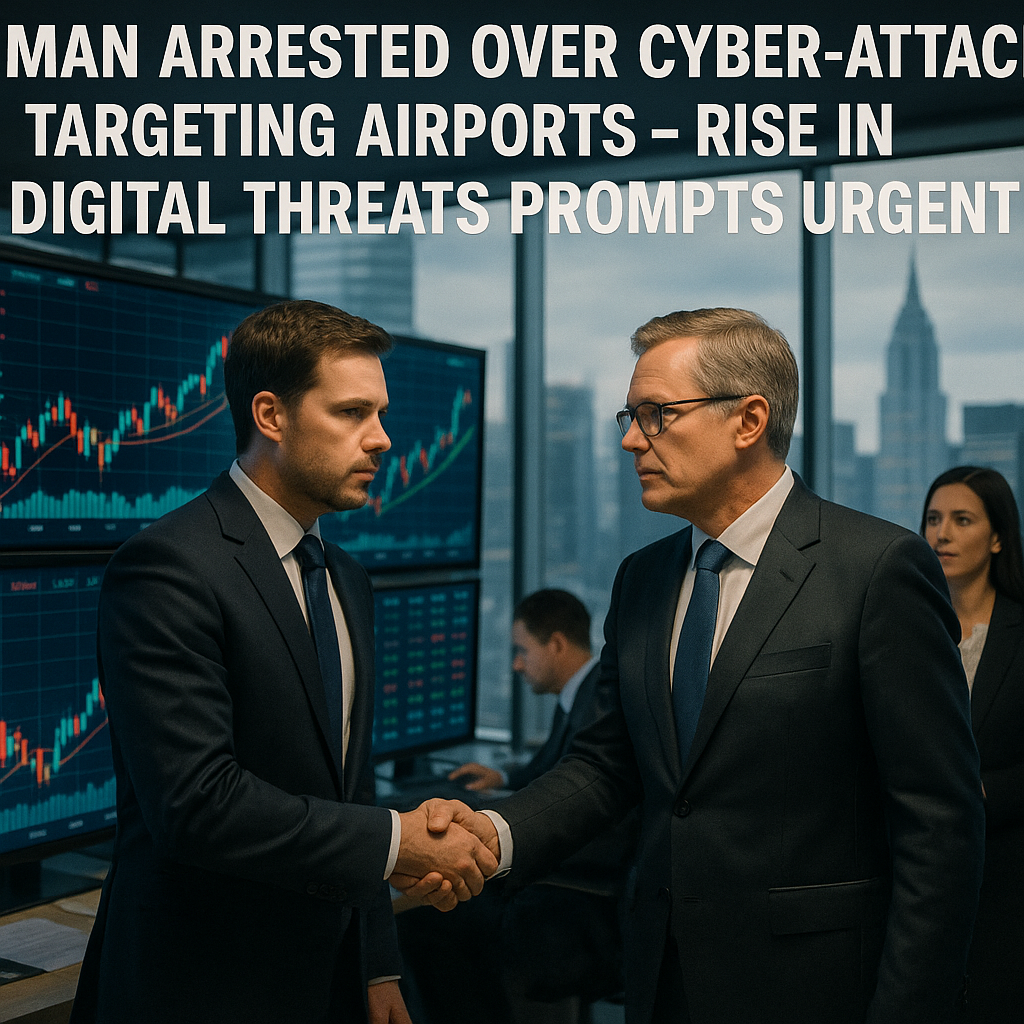
Man arrested over cyber-attack targeting airports—rise in digital threats prompts urgent action

The recent cyber-attack targeting Collins Aerospace, a prominent US aerospace and defense technology firm, underscores the escalating threats impacting critical infrastructure across Europe. The attack, which has caused days of chaos at major airports including Heathrow, Brussels, Dublin, and Berlin, highlights the vulnerabilities in the digital backbone of global transportation networks. A suspect in his forties was detained in West Sussex under suspicion of violating the Computer Misuse Act, signaling intensified law enforcement efforts against organized cybercrime groups, which, according to the European Union Agency for Cybersecurity, deploy ransomware and other malicious tools to extract hefty ransom payments in cryptocurrencies. The attack’s ripple effect has left hundreds of flights delayed or canceled and has exposed the fragile state of the aviation industry’s cybersecurity defenses, casting a shadow over the future of digital resilience in transportation.

The disruption was initiated Friday night when ransomware was deployed within Collins Aerospace’s systems—a tactic on the rise, with reported increases of 600% in cyber-attacks targeting the aviation sector over the past year, according to French aerospace firm Thales. The ransomware attack encrypts vital operations, demanding ransoms often paid in cryptocurrencies to restore systems. As a consequence, airports in Brussels, Dublin, and Berlin struggled with manual check-in processes, causing prolonged delays, cancellations, and operational bottlenecks. Heathrow Airport has been forced to deploy additional staff to manage manual check-ins, but even with backup measures, delays persist. The incident highlights the grave policy consequences for organizations unprepared for sophisticated cyber threats and signals a significant market impact on aviation companies’ operational costs and insurance premiums in the near future.

One of the most alarming aspects of this attack lies in its potential to disrupt international economic activity, as airlines and logistics operators grapple with the fallout. The incident also signals a broader threat landscape where organized cyber-crime gangs rake in hundreds of millions annually, using ransomware to target essential services. The U.S. technology conglomerate RTX Corporation, the parent of Collins Aerospace, has acknowledged the ongoing rebuilding efforts but refrained from providing a timeline for full recovery. Meanwhile, the European Commission has underscored the need for enhanced cybersecurity frameworks, urging operators to adopt proactive defense strategies, including better threat detection and incident response protocols. Economists and security analysts warn that without significant infrastructure investments and robust policy enforcement, such attacks could set back the sector’s growth, potentially inhibiting international travel and commerce during the upcoming peak seasons.

Looking ahead, this attack serves as a stark warning that cybersecurity is now the frontline battleground for national security, economic stability, and technological supremacy. As nations rally to fortify defenses, the resilience of the global economy hinges on strategic investments in digital infrastructure and cybersecurity innovation. The pandemic of cyber threats is not going to subside; rather, it is evolving into a perpetual duel where nations, corporations, and technological ecosystems must stand united. The mounting evidence suggests that the geopolitical stage is set for a future where control over cybersecurity technology and policies could determine the leaders of tomorrow’s digital economy. The pulse of this epoch beats strongest where innovation meets vigilance—an epic narrative of power, resilience, and the unyielding pursuit of technological mastery.

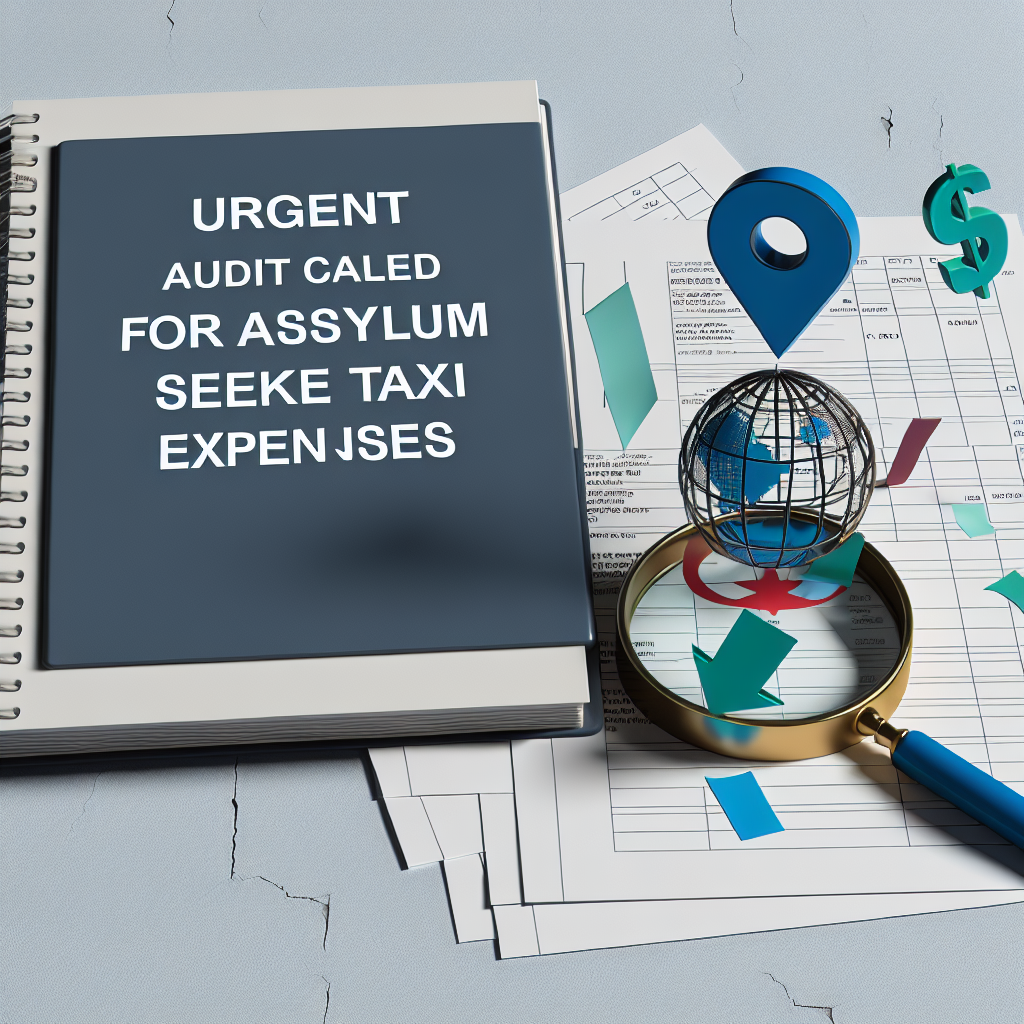
Urgent Audit Called for Asylum Seeker Taxi Expenses

Asylum seekers are covering significant distances to attend required appointments, raising concerns about the efficiency of the current system. One individual disclosed to the BBC that their trip to see a GP cost the Home Office a staggering £600, highlighting both the financial burden and the logistical challenges faced by those seeking refuge. This situation begs the question—can we improve the process to ensure that individuals in genuine need aren’t hindered by unnecessary travel costs and complexities?

The expenses involved in these long journeys not only strain public resources but also put undue pressure on asylum seekers, often leaving them vulnerable and anxious. As a society, we must consider how to streamline these appointments to better serve those who rely on our support while also safeguarding taxpayer money. Addressing these inefficiencies is crucial if we want to create a more functional, compassionate approach to asylum and immigration.

Social Media Auto Publish Powered By : XYZScripts.com