
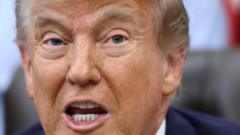

Washington D.C. – The United States under President Donald Trump has dramatically increased its pressure on Cuba, signaling a firm approach to the long-standing communist government. Citing grave national security threats, the administration has rolled out a comprehensive strategy that includes economic blockades, sanctions, and a highly unusual murder indictment against former Cuban leader Raúl Castro.
Washington’s Assertive Stance on Havana
The Trump administration has made its intentions clear: a peaceful resolution with the Caribbean nation is deemed unlikely in the current climate. This assertive posture underscores a belief that the Cuban regime poses a tangible risk to American interests and regional stability. The measures taken are not merely symbolic; they represent a significant escalation in US foreign policy towards the island.
Key actions include:
- An imposing oil blockade designed to cripple the Cuban economy.
- Further economic sanctions targeting the regime’s financial lifelines.
- An unprecedented murder indictment against Raúl Castro, a move that elevates the diplomatic dispute to a criminal justice matter and sends a powerful signal regarding accountability.
These steps reflect a determined effort to challenge Havana’s leadership and its perceived destabilizing influence.
Cuba’s Rejection and Trump’s Vision
In response, Havana has vehemently rejected the US accusations, branding them a “fraudulent case” meticulously crafted to provide a pretext for potential military intervention. This narrative of victimhood and external aggression is a familiar tactic employed by the Cuban government to rally domestic support and international sympathy.
President Trump, however, has not shied away from direct and provocative language. Since his return to the White House, he has openly expressed his desire to change Havana’s leadership. He has mused publicly that Cuba is “ready to fall” and, as reported by the BBC, suggested in March that the country was in “deep trouble,” threatening a “friendly takeover.” Such statements indicate a clear strategic objective beyond mere containment.
President Trump has made clear his desire to change Havana’s leadership and has openly mused that Cuba is “ready to fall.”
Implications for Regional Stability and Order
The renewed pressure on Cuba carries significant implications for regional stability. From a conservative perspective, a firm hand against regimes perceived as oppressive or hostile is often seen as essential for upholding international order and protecting democratic values. The indictment of Raúl Castro, in particular, highlights a commitment to justice and accountability, even for those in positions of power.
This assertive approach aligns with a foreign policy doctrine that prioritizes national security and the proactive dismantling of threats rather than passive engagement. The administration’s actions against Cuba could serve as a template for dealing with other challenging regimes, emphasizing that the United States is prepared to use its economic and legal instruments to enforce its interests and promote democratic transitions.
As the standoff continues, the international community watches closely to see whether Washington’s intensified pressure will lead to the desired leadership change in Havana or further entrench the current regime’s defiant stance. The path forward remains uncertain, but the Trump administration’s resolve appears unwavering in its pursuit of a more secure and stable Western Hemisphere.






