

As the United Kingdom commits to a defensive role in the Strait of Hormuz, questions persist regarding its capacity for major offensive operations, particularly after Washington voiced strong disapproval over London’s reluctance to join a recent US initiative against Iran.
LONDON – The state of British military readiness has come under intense scrutiny following the UK’s decision to deploy military assets for a defensive mission in the Strait of Hormuz. This move, intended to secure freedom of navigation, unfolds against a backdrop of significant diplomatic friction with the United States, particularly concerning London’s non-participation in “Operation Epic Fury” against Iran. The situation has prompted a robust debate about Britain’s global influence and the practical realities of its defense capabilities.
Diplomatic Strain and Strategic Alignment
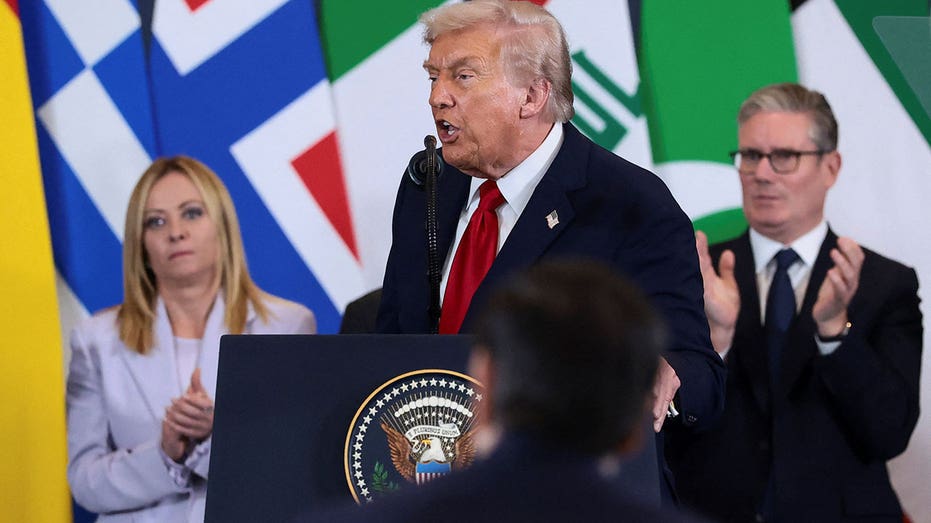
Prime Minister Keir Starmer’s government has faced pointed criticism from Washington for its perceived hesitancy in aligning with the United States on offensive actions against Iran. Former President Donald Trump notably dismissed Starmer as “no Churchill,” expressing his disappointment in British alignment. “When we asked them for help, they were not there. When we needed them, they were not there… And they still aren’t there,” Trump stated in a recent interview with Sky News, underscoring a palpable sense of frustration from the American leadership.
While the UK’s deployment to the Strait of Hormuz is a welcome step towards international security and repairing transatlantic relations, it highlights a broader challenge. The decision to participate defensively, rather than offensively, has led many to question whether Britain’s strategic choices are driven by political will or the practical constraints of its armed forces.
Trump’s Candid Assessment of Naval Power
The former US President has not shied away from openly critiquing the capabilities of the British armed forces. In March, during a White House meeting, Trump specifically targeted the British Navy’s aircraft carriers. He was quoted by Sky News as saying, “We had the U.K. say that, ‘We’ll send’— this is three weeks ago — ‘we’ll send our aircraft carriers,’ which aren’t the best aircraft carriers, by the way… They’re toys compared to what we have.” Such blunt assessments from a key ally underscore the seriousness of the concerns regarding the UK’s defense posture.
These remarks, though controversial in their delivery, echo a growing sentiment among defense analysts and policymakers about the need for realistic assessments of military assets and their operational readiness.
“The outbreak of a new war in the Middle East has led to questions about the U.K.’s relevance in international affairs. Alongside debates about legality and politics, there are some hard truths about military power and the reality of the readiness of the U.K.’s armed forces.”
— Matthew Savill, Director of Military Sciences at RUSI
Unpacking the Reality of UK Military Capacity
The underlying reasons for the UK’s cautious approach to the Iran situation may stem from more than just political considerations. Recent reports from authoritative sources point to significant shortfalls in Britain’s military capacity. Matthew Savill, Director of Military Sciences at the Royal United Services Institute (RUSI), a prominent defense think tank, addressed these concerns directly in his report, “Iran War Delivers a Tough Lesson in Hard Power to the U.K.”
Savill’s analysis highlights a critical juncture for the UK, suggesting that debates about international relevance must confront the “hard truths about military power and the reality of the readiness of the U.K.’s armed forces.” This candid assessment indicates that the ability to project significant offensive power in a major conflict could be severely limited. Furthermore, a parliamentary committee report has reportedly echoed similar conclusions, reinforcing the view that Britain’s military might not possess the necessary resources or personnel for sustained, large-scale combat operations.
Key areas of concern, as implicitly suggested by these reports, often include:
- Personnel shortages across various branches of the armed forces.
- Aging equipment and delays in modernization programs.
- Insufficient stockpiles of ammunition and critical supplies.
- Budgetary constraints impacting training and operational readiness.
These factors collectively present a challenging picture for the nation’s defense planners and policymakers, demanding a renewed focus on strengthening the core capabilities of the armed forces.
Reasserting Britain’s Global Role
For a nation that historically prides itself on its global reach and influence, the current state of its defense capabilities poses a strategic dilemma. Reasserting Britain’s position on the world stage, especially in an increasingly volatile international environment, necessitates a robust and ready military. The discussions around the Iran situation serve as a crucial reminder that strong diplomatic positions must be underpinned by credible military strength.
Moving forward, London faces the imperative of evaluating its defense spending, recruitment strategies, and equipment procurement to ensure its armed forces are prepared for the complex challenges of the 21st century. The integrity of its institutions and its capacity to act decisively on the global stage depend on addressing these fundamental issues with seriousness and strategic foresight.






