Matox News

Truth Over Trends, always!

Apple confirms Lockdown Mode keeps users safe from spyware hacks

Apple’s Lockdown Mode: A New Era in Mobile Security

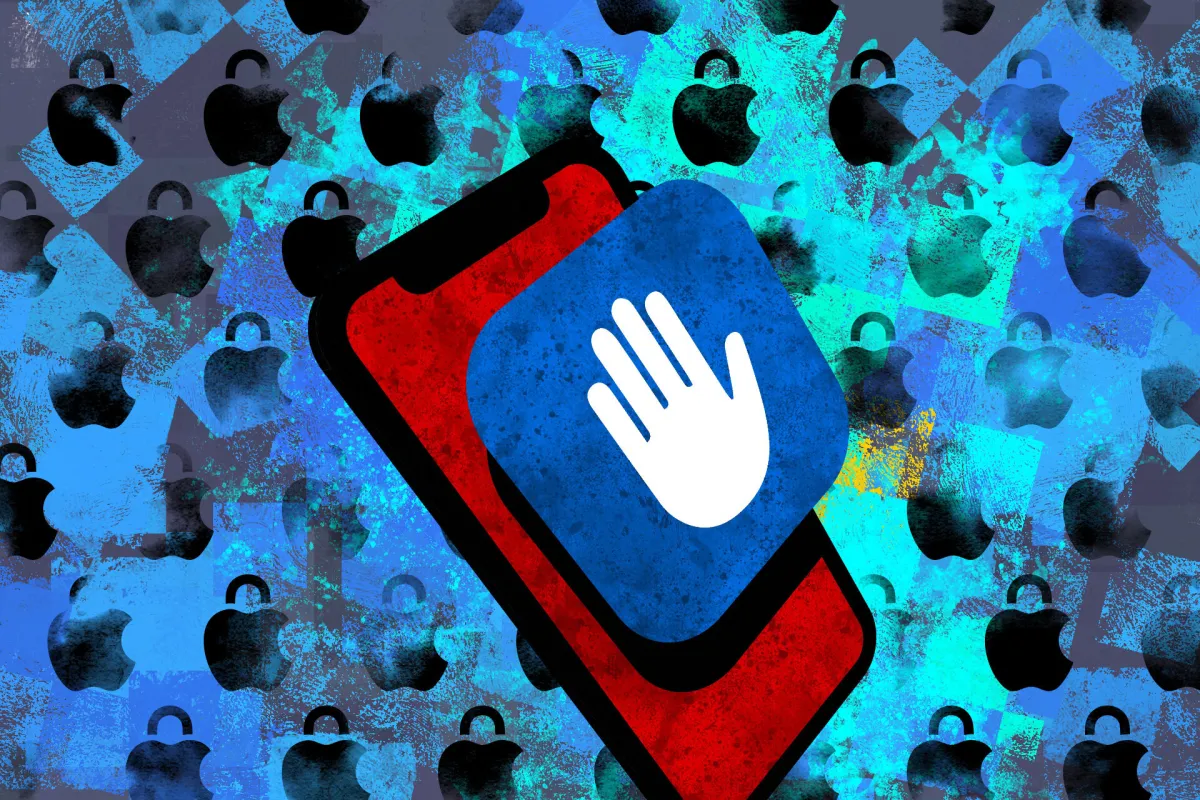
In a notable development in digital security, Apple has reaffirmed that its innovative Lockdown Mode, introduced nearly four years ago, remains an effective bulwark against mercenary spyware attacks — a significant claim in today’s landscape of sophisticated cyber threats. According to Apple spokesperson Sarah O’Rourke, no verified cases of successful hacking have been reported since the feature’s implementation, underscoring its potential to disrupt traditional attack vectors leveraged by government and private spyware agencies. This strategic shift signals a pivotal move by a tech giant to prioritize user privacy while confronting relentless espionage tactics.

Security experts and industry analysts commend Apple’s aggressive approach to hardening its ecosystem. Patrick Wardle, a renowned cybersecurity specialist, describes Lockdown Mode as “one of the most aggressive consumer-facing hardening features ever shipped,” highlighting its capacity to significantly shrink the attack surface and elevate security margins. By restricting message attachments, WebKit features, and other remotely exploitable vectors, Lockdown Mode complicates zero-click exploit techniques—hacks that can be executed over the internet without user interaction. This strategic move essentially raises the costs and technical barriers for spyware manufacturers, pushing them toward more complex, costly, and potentially less effective methods, in line with William Gibson’s adage that disruption often begins with making attack methods infeasible.

Implications for the Business and Security Landscape

This development has sweeping industry implications, particularly in the escalating arms race between device manufacturers and spyware developers. Apple’s proactive fortification challenges the traditional narrative that government agencies possess an insurmountable advantage in surveillance and remote infiltration. As Donncha Ó Cearbhaill of Amnesty International reports, “We have not seen any evidence of an iPhone being successfully compromised by mercenary spyware where Lockdown Mode was enabled,” reinforcing the feature’s defensive prowess. Such a stance could prompt rivals in the tech space to accelerate their security initiatives, heightening the disruptive potential across the mobile ecosystem.

From a business perspective, Apple’s bold security posture also reinforces its brand appeal among privacy-conscious consumers—particularly youth demographics increasingly skeptical of governmental overreach and invasive data collection. This commitment to end-user security may underpin long-term loyalty and open avenues for monetization through premium security services. As Gartner analysts suggest, embedding advanced security features like Lockdown Mode could become a differentiator, enabling companies to command premium pricing in an increasingly competitive market.

The Future Outlook: Disruption and Innovation Driven by Security

While the effectiveness of Lockdown Mode currently faces no confirmed breaches, industry insiders caution that security is a continuous race against evolving threats. Experts warn that no system is invulnerable, and malicious actors relentlessly develop new tactics to breach even the most hardened defenses. The significance lies in how rapidly disruptive innovation in security can reshape market dynamics, forcing spyware makers to innovate beyond their traditional ranges of attack. Top minds at institutions like MIT and forward-looking entrepreneurs such as Elon Musk recognize that disruptive security features are fundamental to the future of digital trust and market dominance.

As we look ahead, the urgency for industry-wide adoption of such technological barriers escalates. The paradigm shift initiated by Apple’s Lockdown Mode signifies more than a single feature; it heralds a new chapter in the relentless pursuit of privacy, security, and disruption in the tech industry. Companies that fail to innovate risk falling behind in a landscape where the cost of vulnerability is measured not just in data breaches, but in eroded consumer confidence and regulatory backlash. The future belongs to those who anticipate and adapt—transforming security from a marginalized feature into a core business advantage.

Study Finds Wegovy Users Face Five Times Higher Risk of Sudden Vision Loss than Ozempic Users

In recent years, health and wellness trends fueled by pharmaceutical innovations have gained significant traction among urban youth and working families. Drugs like Wegovy, Ozempic, and Rybelsus, marketed primarily for weight loss and diabetes management, have become widespread. However, emerging research has shed light on serious adverse effects that pose a threat not just to individual health but to the fabric of communities and families. A large-scale study recently published in the British Journal of Ophthalmology reports that patients taking Wegovy exhibit nearly five times the risk of sudden sight loss—specifically, non-arteritic anterior ischemic optic neuropathy (Naion)—compared to those on Ozempic. Such stark findings underscore a larger societal challenge: how quick access to pharmaceutical remedies can overshadow the importance of comprehensive health education and preventative care, particularly affecting vulnerable communities.

These “eye strokes,” which cause sudden and often permanent vision loss, highlight an often-overlooked ripple effect within families—loss of independence, increased care dependency, and emotional trauma. Historian and social critic, Dr. John Taylor, argues that societal focus on quick fixes fosters an atmosphere where short-term solutions eclipse long-term wellness. The disproportionate risk observed among men (who face a threefold greater chance of Naion than women) adds another layer of social tension: gender disparities within healthcare and the uneven distribution of risk. Moreover, these risks are compounded by a lack of widespread understanding; many families, especially those in socioeconomically disadvantaged communities, are left vulnerable to adverse effects that can destabilize their lives. As the data points out, around 1 in 10,000 people taking semaglutide experience Naion, a statistic that may seem small but represents a profound quality-of-life change for those affected. The findings have prompted regulatory agencies such as the UK’s Medicines and Healthcare products Regulatory Agency (MHRA) and European authorities to issue warnings—yet, critics argue these measures are reactive rather than preventive.

To address these burgeoning concerns, experts stress the importance of enhanced public awareness and responsible prescribing practices. The sociological perspective reveals that families and communities are often the first line of defense in recognizing early symptoms and advocating for safer alternatives. The challenge lies in mobilizing a societal shift towards prioritizing informed decision-making over the allure of immediate weight loss or disease management. Sociologists like Dr. Lisa Carter point out that education campaigns need to be deeply rooted in cultural competence and accessible messaging—a crucial step if we are to reshape a society where health risks are openly acknowledged and properly mitigated. Companies like Novo Nordisk emphasize their commitment to patient safety, yet critics claim that industry-led safety protocols should not replace a broader societal debate on the ethics of rapid drug deployment. As families grapple with the reality of drug-related risks, a future that truly prioritizes human well-being hinges on integrating social, medical, and ethical considerations. In this ongoing story of societal resilience, hope persists—a hope rooted in community awareness, moral responsibility, and the collective pursuit of a society where health innovations uplift rather than destabilize the core of social cohesion.

The Future of Safe Sex: At-Home STI Tests — What Young Tech Users Need to Know in 2026

Emerging Disruption in Healthcare: The Rise of At-Home STD Testing

The healthcare industry is witnessing a significant wave of innovation as **at-home STD testing kits** disrupt traditional diagnostic models. Driven by advancements in biotech and the proliferation of telemedicine, this market shift offers consumers increased accessibility, privacy, and autonomy in managing their sexual health. Devices from **leading companies** leverage cutting-edge lab analysis techniques, including rapid molecular diagnostics, to deliver results directly to users without the need for clinical visits. This transition exemplifies the broader trend of *decentralization* in healthcare, empowering consumers to take health matters into their own hands.

Market analysts, such as those at **Gartner** and **MIT**, highlight the transformational potential of these home testing solutions. **Innovation** here is characterized not merely by convenience but by the disruption of stenotic *industry entry points*, challenging longstanding health service providers and reshaping the healthcare value chain. The core features of successful kits include:

  • High accuracy through advanced molecular assays
  • Ease of use with user-friendly instructions
  • Privacy-enhancing packaging and discreet shipping options
  • Immediate digital reporting systems that connect users with healthcare professionals if needed

However, this disruption is not without hurdles. Experts such as **Dr. Gary Schoolnik** caution that **sample collection accuracy** remains a crucial concern, as a technical failure can lead to **false negatives**, potentially delaying critical treatment and impacting public health outcomes. Additionally, many at-home tests are designed as initial screening tools, with positive results often necessitating confirmatory procedures at healthcare facilities. Market shifts toward remote diagnostics are increasingly raising questions about the *regulation* and *standardization* of these kits, prompting calls from policymakers and industry leaders for more stringent oversight.

Beyond technological challenges, *behavioral and social dynamics* influence the reception and efficacy of at-home testing. The persistent **stigma** surrounding STIs remains a barrier to widespread adoption, particularly among youth demographics. On the business side, companies investing heavily in **digital health ecosystems** are incentivized by emerging trends like *personalized health data* and *preventive care*. These developments promise to disrupt the traditional reactive healthcare model, fueling competition and innovation in the broader digital health sphere. Yet, as **Peter Thiel** and other visionary investors have observed, these rapid shifts require agility, foresight, and a vigilant eye toward *regulatory* and *ethical* considerations.

Looking ahead, the implications for industry and society are profound. As **new startups** and **tech giants** race to dominate this market, the focus will likely shift from mere testing to integrated health management platforms, incorporating AI-driven insights and telehealth consultations. The urgency for policymakers and healthcare providers is clear: adapt quickly or risk obsolescence in the face of this **disruptive innovation**. The boundary between traditional healthcare and consumer innovation continues to blur, with the next decade poised to redefine how society approaches health diagnostics—making it more accessible, private, and proactive. The question remains: will existing institutions embrace the change or be left behind as this **technological revolution** accelerates at an unprecedented pace?

Meta experiments with premium subscriptions on Instagram, Facebook, and WhatsApp—giving users more choices and control

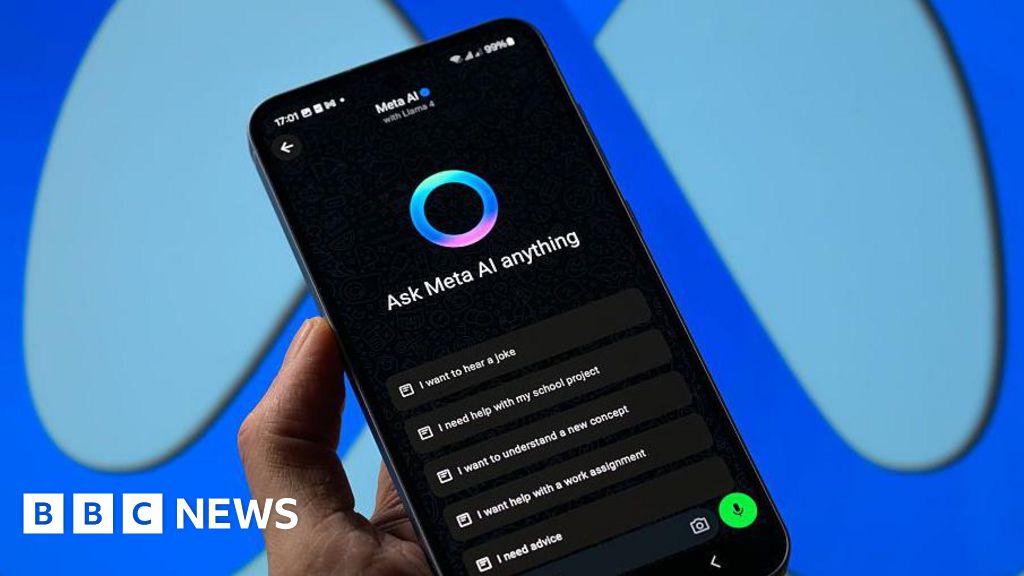
The tech giant Meta is charting a bold new course in its ongoing quest for influence and revenue, unveiling plans to trial premium subscription services for Instagram, Facebook, and WhatsApp. This move signals a significant shift in the social media landscape, with Meta aiming to diversify its income streams by offering exclusive features, such as expanded artificial intelligence (AI) capabilities, to paying users. While the core platforms will remain free, the introduction of subscriptions for enhanced features signifies not just a business pivot but a deepening reliance on monetized AI-driven tools that could reshape user experience across the sphere of global social interaction.

At the heart of Meta’s new strategy lies a pronounced focus on AI innovation, exemplified by the rollout of its own AI-powered applications like Vibes – a video generation tool that promises to “bring ideas to life” through AI visual creation. Additionally, Meta’s acquisition of Manus, a Chinese-founded AI firm bought in December for approximately $2 billion (£1.46bn), underscores the company’s aggressive push into AI development. Experts like analysts from the European Council on Foreign Relations warn that such moves extend Meta’s influence well beyond social media, positioning it as a major player in the future of AI-powered automation and digital services. The firm’s strategy of integrating Manus’ autonomous agents aims to enhance user engagement and streamline complex tasks, from trip planning to content creation, which could intertwine AI with daily social life in a manner that raises questions about privacy and control.

This transition also mirrors Russia’s concern about technological dominance and the geopolitical implications of AI development. As Meta continues to develop and deploy AI tools, the United States and China are undoubtedly watching closely—particularly because Manus, based in Singapore after leaving China, aims to develop what it claims is a “truly autonomous” AI agent. Such advancements could significantly influence the global balance of power,“ warns prominent historian Dr. Richard Lane, emphasizing that control over AI technology translates into geopolitical leverage. The decision to monetize AI features and not just core services may also accelerate the divide between nations adopting a superficial approach to digital regulation and those aiming to harness AI for economic and military supremacy.

Meanwhile, Meta’s move to extend paid verification services on Facebook and Instagram, allowing users to pay for blue checks, exemplifies a broader trend where social media giants seek to leverage authority and influence through monetization. Although these innovations may be appealing to young, ambitious users seeking status and AI-enhanced tools, many critics argue they deepen the social divide and commodify digital identity. The broader geopolitical impact of such policies cannot be ignored. As international organizations like the United Nations debate digital sovereignty and regulation, Meta’s strategies foreshadow a future where access to information and technology is increasingly influenced by economic power and strategic interests.

As history continues to unfold, the world watches with bated breath—on the cusp of a new era where AI and monetized social platforms might redefine global society, blurring the lines between technological innovation and geopolitical rivalry. The decisions driven by these corporate giants are not merely about profit; they carry the weight of shaping the fabric of future societies—possession of AI power and control over digital narratives—potentially setting the stage for a new age of dominance, conflict, and transformation. This is a chapter of history that remains unwritten, and its outcome could determine the fate of nations and the lives of billions across the globe.

X Closes EU Ad Account Following Massive Fine: What It Means for Young Users and Trendsetting Platforms

In today’s interconnected world, social media platforms like X (formerly Twitter) are more than just outlets for personal expression—they are powerful tools shaping global societal dynamics. Recently, the European Commission1 imposed a historic $140 million fine on X, sparking a broader debate about the social responsibility of tech giants and their influence over regulatory norms. This action underscores a significant wave of regulatory pushback against tech’s unrestrained power, marking a turning point where policy makers are asserting dominance over digital platforms.

The European Commission’s move was rooted in concerns over what it termed deceptive design—specific to X’s infamous blue checkmark verification process—and a lack of transparency around advertising and access to public data. These issues are more than technical flaws; they symbolize broader societal questions: Who controls online identity? How transparent should platforms be about their algorithms? As sociologist Dr. Laura Chen notes, “These incidents highlight a shifting societal expectation that digital platforms cannot operate in a vacuum but must adhere to regulations ensuring fairness and transparency.”

This regulatory clash has been fueled by a shift in social behaviorthe aspiration for authentic digital influence—and this is visible in the way younger users consume content. Marketers and influencers recognize that quality engagement now depends on factors like video uploads and interactive formats, which platforms like X are manipulating to skew attention and reach. Elon Musk’s recent updates to the platform’s algorithm, favoring video content, exemplify this trend toward immersive, visual engagement—a move that critics say risks amplifying sensationalism. Notably, X’s senior product manager Nikita Bier claimed that the deceptive ad exploit was reset after being patched—a statement that raises questions about accountability and transparency.

It is increasingly clear that these trends are not driven solely by platform economics—they are also intertwined with the social fabric, influencing youth culture and societal norms. Trends such as

  • viral video challenges
  • short-form content dominance
  • cryptic algorithm manipulation

are shaping a new digital ecosystem where control is contested between regulators, influencers, and tech executives. The recent EU actions may just be the beginning of a new era—one in which tech companies are held accountable for how they influence perceptions and behaviors on a global scale.

As we watch this evolving landscape, an intriguing question lingers: Will these regulatory efforts succeed in curbing unchecked platform power, or will they inadvertently accelerate a new wave of innovation and user-driven change? In the end, the next big question might be whether society’s push for truly transparent digital spaces will redefine the very essence of influence in the digital age—an influence that ultimately shapes tomorrow’s cultural and social norms.

Peec AI raises $21M as younger users shift from Google to ChatGPT, helping brands stay ahead

Europe’s Peec AI Launches a New Era in Brand Visibility Through Generative Engine Optimization

In a rapidly evolving digital landscape driven by AI-powered search, Peec AI, a Berlin-based startup, is positioning itself as a disruptive force. The company’s innovative approach to brand visibility and sentiment analytics arises amid a changing consumer behavior where users increasingly turn to generative AI tools like ChatGPT rather than traditional search engines like Google. This shift spells a major disruption in the search and marketing paradigm, compelling businesses to adapt to a new era where the “how” of discovery is fundamentally changing.

Innovation at the Core: From Analytics to Actionable Insights

Founded just ten months ago, Peec AI has swiftly scaled, realizing annual recurring revenue of over $4 million and attracting 1,300 companies and agencies. Its platform leverages proprietary AI-driven dashboards to monitor how brands appear directly within AI-generated responses, providing insights on ranking, sentiment, and content sources. This is a clear step beyond conventional SEO, opening the door to an emerging category known as Generative Engine Optimization (GEO). Unlike traditional SEM or SEO tools, GEO focuses on optimizing a brand in the context of AI conversations, which could redefine digital marketing strategies globally.

This innovation is backed by a suite of features that include:

  • Monitoring brand visibility in AI-generated results
  • Tracking sentiment and source attribution
  • Suggesting actionable content strategies based on source insights
  • Filtering raw data to focus on relevant consumer and purchase queries

According to CEO Marius Meiners, this granular data filtering and analysis could prove to be the pivotal advantage for companies seeking to control their narrative amidst a crowded and fast-changing landscape. The company’s ambition is to develop a comprehensive dashboard that remains user-friendly despite the increasing complexity of AI search, much like how leading SEO tools emerged to make digital marketing accessible and effective.

Business Implications and Industry Competition

The recent $21 million Series A funding, led by Singular and including notable investors such as Antler and Identity.vc, underscores a recognition of the tremendous value at stake. With this capital, Peec AI plans to scale operations significantly—hiring 40 new employees primarily in Berlin and expanding into the US with a sales office slated for New York by mid-2024. This rapid expansion hints at its ambition to become a dominant player in an emerging field where European startups are gaining ground against US-based competitors such as Profound and OtterlyAI.

The entry of Peec AI into this market signifies more than just a new product—it marks a paradigm shift toward a future where businesses will need to optimize not only for human search engines but for the growing realm of AI-mediated discovery. As Gartner analysts warn, “Ignoring AI’s role in search and brand perception risks obsolescence.” The rise of GEO tools could push traditional SEO into a secondary role, emphasizing source attribution, sentiment analysis, and proactive content strategies.

The Road Ahead: Accelerated Innovation and Competitive Pressure

In a landscape where disruption is the new normal, companies that leverage innovative AI data pipelines and predictive analytics will be best poised for sustained growth. European startups like Peec AI are capitalizing on the continent’s growing reputation as a hub for AI and data-driven innovation, challenging US dominance and signaling a global shift. The industry is watching eagerly as the upcoming Techcrunch event in San Francisco promises to showcase future advancements that could further redefine the Internet’s discovery landscape.

Time is of the essence. As AI-powered search continues to evolve at an unprecedented pace, innovative firms like Peec AI are racing against competitors to establish dominance in this new frontier. The question is no longer if brands need to adapt—but how quickly they can harness the disruptive potential of these evolving technologies before they are left behind.

Lovable hits 8M users, aims to ramp up corporate adoption with its AI coding revolution

Lovable Emerges as a Disruptive Force in AI-Driven Software Development

The tech industry is witnessing a notable wave of innovation, with Lovable swiftly positioning itself as a pioneering force in the burgeoning vibe coding sector. Having secured a total funding of $228 million, including a recent $200 million Series A that valued the company at $1.8 billion, Lovable exemplifies how startup agility and disruptive technology are reshaping software creation. Industry analysts, such as Gartner and MIT, highlight a clear paradigm shift where AI-powered platforms are democratizing code—enabling even the untrained to innovate.

Despite some market fatigue—Barclays and Google Trends noted a **40% decline** in traffic to prominent vibe coding services—Lovable reports robust user retention, boasting over 100% net dollar retention, which underscores its ability to generate increasing revenue from its user base. Its expanding team, now over 100 employees, including top-tier leadership imported from San Francisco, signals a strategic focus on scaling innovation and securing further market dominance. The company’s vision aligns with the broader industry goal to integrate AI seamlessly into daily business workflows, challenging traditional development norms.

Innovation and Industry Impact

Built from the open-source project GPT Engineer, Lovable aims to revolutionize how software is built—focusing on the 99% of users who lack formal coding skills. As Osika, Lovable’s founder, succinctly states, the platform’s mission is to “reimagine how you build software,” a goal that resonates with broader aspirations to foster creative democratization within tech. Companies like Fortune 500 giants are already integrating Lovable’s tools to “supercharge creativity,” signaling a significant shift in enterprise innovation strategies.

  • Features include intuitive interfaces designed to foster rapid prototyping
  • Attractive to diverse users — from corporate teams to individual entrepreneurs and students
  • Achieves significant customer loyalty with strong retention metrics

This wave of innovation dovetails with the ambitions of tech giants like OpenAI and Anthropic, whose models power platforms like Lovable while also launching competing coding agents. Industry experts warn, however, that security concerns remain paramount; recent incidents involving data leaks—such as 72,000 images containing GPS data—highlight vulnerabilities typical of rapid evolution in emergent sectors.

Business Disruption and Future Outlook

The industry’s disruption is fueled not only by technological advances but by strategic positioning. Lovable’s stance of embracing multiple players and promoting an open, collaborative ecosystem indicates an understanding that market segmentation—rather than monopolization—is the future. Disruption lies in carving out new user segments and business models, as traditional software firms scramble to adapt to AI-driven prototyping tools that enable a new level of productivity and innovation.

Looking ahead, the key question for industry stakeholders is how quickly traditional development workflows will be replaced or augmented by vibe coding platforms like Lovable. With expert forecasts from institutions such as MIT predicting sustained growth in AI-assisted software development, timeliness and security will be decisive factors for sustained success. As European and North American markets converge, early adopters stand to gain a significant competitive edge—an opportunity that demands swift action. The race for AI-enabled software innovation is accelerating, and those who leverage it now will define the technological landscape of tomorrow.

Apple Gives Users a Switch to Tinted Mode, Dialing Back the Liquid Glass Look

Apple Introduces Customizable Liquid Glass: A New Paradigm in UI Innovation

In a move that underscores its relentless pursuit of innovation through user-centric design, Apple has launched a groundbreaking feature allowing users to personalize the appearance of its Liquid Glass interface. First observed in the latest iOS 26.1 beta, this addition offers a toggle between Clear and Tinted modes, empowering users with more control over their visual experience. This development signifies a strategic pivot toward disruption at the forefront of UI customization, aligning with broader industry trends towards democratized control and individualized interfaces.

This step echoes Apple’s previous controversial but ultimately strategic UI recalibrations—most notably the 2021 repositioning of Safari’s address bar. Despite initial backlash, critics like Gartner analysts acknowledged that such changes are driven by principled design evolution aimed at improving accessibility and user efficiency. Now, by enabling users to modify Liquid Glass’s opacity, Apple is continuing to blur the line between hardware, software, and user preference—further disrupting the traditional, one-size-fits-all approach to interface design. Such moves reinforce the notion that future competitive advantage will hinge on flexibility and personalization.

The implications for business are significant. Developers can now seamlessly integrate these user preferences into their apps, as Apple ensures that settings will automatically propagate across devices through an emerging ecosystem of personalized UI options. This is expected to accelerate innovations in enterprise and consumer sectors, where tailored experiences could enhance engagement and boost retention. Meanwhile, industry leaders like Elon Musk and Peter Thiel have long championed the pivotal role of disruptive UI innovations, viewing them as key to maintaining relevance amidst rapid technological evolution. By offering users choice over Liquid Glass’s appearance, Apple is not only refining its competitive edge but also raising the bar for industry standards.

Looking ahead, the strategic significance of this customization feature extends beyond mere aesthetics. As the industry braces for the advent of next-generation interfaces—driven by AI, augmented reality, and advanced haptic technologies—Apple’s focus on adaptive, user-controlled UI could serve as a blueprint for future innovation. Recognizing the industry’s trajectory, institutions like MIT emphasize that *the next wave of disruption will be fundamentally rooted in personalized, predictive interfaces*, capable of transforming user interaction into a more seamless, intuitive experience. In this context, timely adaptation to such advancements is not optional but imperative for business sustainability.

As the public beta rollout progresses, the pressure mounts for competitors to match or surpass Apple’s progressive approach to UI customization. Time will tell whether these features will reshape user expectations or serve as a catalyst for even more radical design shifts across platforms. One thing remains clear: in the quest for technological supremacy, speed, innovation, and user empowerment are the new currency. Industry players must remain vigilant—these innovations signal that the future belongs to those who can rapidly adapt in the face of relentless disruption and turn emerging technologies from trends into transformative realities.

Discord warns: ID photos of 70,000 users may be leaked—security concerns mount for young users

Discord Data Leak: A Symptom of Broader Cybersecurity Challenges

The recent cyber incident involving Discord, a social platform with over 200 million users worldwide, underscores a pressing reality faced by nations, corporations, and societies in the digital age. The platform disclosed that approximately 70,000 users had their personal information and partial credit card details leaked. Although officials confirmed that the core platform was not compromised, the breach involved a third-party vendor responsible for age verification, revealing vulnerabilities in what is often considered “the digital frontier of the 21st century.” This incident exemplifies the escalating arms race between cybercriminals and security agencies, where hackers increasingly target auxiliary systems exploiting their less robust defenses.

International analysts and cybersecurity experts widely agree that such breaches are not isolated but part of a broader pattern impacting all sectors and regions. Recent investigations suggest that cybercriminals are relentless in their pursuit of lucrative data, which can command premium prices on the black market. These illicit markets facilitate scams, identity theft, and financial fraud, threatening not only individual users but also national security. Recognized organizations, including INTERPOL and EUROPOL, warn that the proliferation of such cyber threats could destabilize digital economies and undermine public trust in international institutions. The United States and other Western nations have responded by accelerating efforts to bolster cybersecurity resilience, but adversaries continue to find new vectors of attack.

Critics of current cybersecurity measures highlight that patching vulnerabilities in third-party vendors is no longer sufficient. Instead, they call for a comprehensive overhaul of digital infrastructure, emphasizing the importance of stringent vetting and continuous monitoring. Cybersecurity analysts warn that if nations fail to address these systemic weaknesses, the risk of a sustained cyber arms race becomes inevitable, with consequences comparable to traditional conflicts. Meanwhile, some experts claim that data breaches, such as this one with Discord, are just a precursor to more large-scale attacks targeting critical infrastructure and governmental networks in the coming years.

As nations grapple with balancing technological innovation and security, the geopolitical impact of such cyber incidents is profound. Countries that lead in cybersecurity technology and strategy secure advantages in international diplomacy and economic stability, while those caught unprepared risk becoming vulnerable targets or pawns in broader geopolitical chess. Historians warn that recent lapses in digital security could leave a lasting scar on the fabric of international relations, as cyber conflicts increasingly intertwine with traditional diplomacy. With the digital battleground extending beyond borders and ideologies, the world stands at a crossroads where every data breach could be the spark igniting a new era of conflict. As the weight of this unfolding history bears down, the question remains: will global power structures adapt swiftly enough to prevent chaos, or will they be overwhelmed as the digital age’s darker side emerges from the shadows?

Social Media Auto Publish Powered By : XYZScripts.com