Matox News

Truth Over Trends, always!

US-Israel Tensions with Iran: Netanyahu Predicts Long Conflict as IDF Warns Lebanese Civilians

Global Tensions Escalate in Middle East Conflict Amid US, Israeli, and Iranian Actions

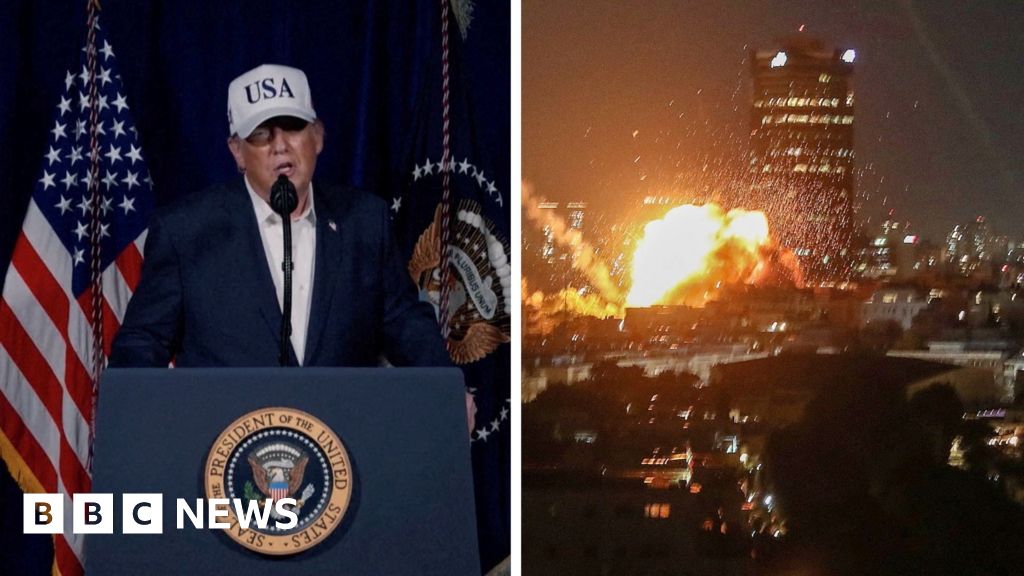
The recent surge in military activity across the Middle East signifies a critical turning point in international relations, with USA forces claiming to have destroyed key Iranian Revolutionary Guards command facilities, missile launch sites, and air defense capabilities. This development marks a significant escalation in the ongoing US-led campaign against Iran, directly targeting its military infrastructure in what officials describe as “decisive action” against an “imminent threat.” According to US Central Command, these operations are part of a sustained effort to dismantle Iran’s ability to arms terrorist networks outside its borders and prevent further regional destabilization.

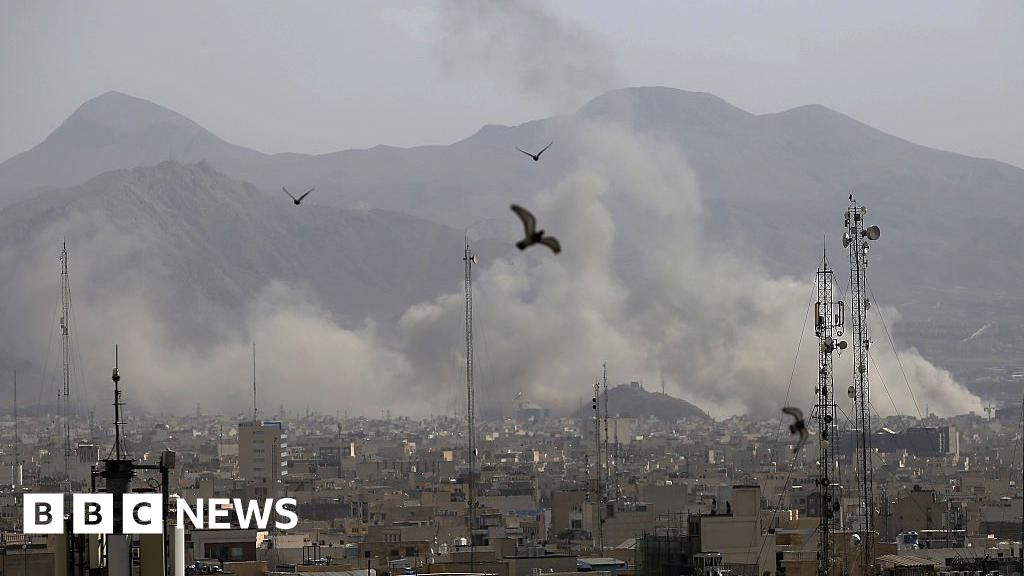
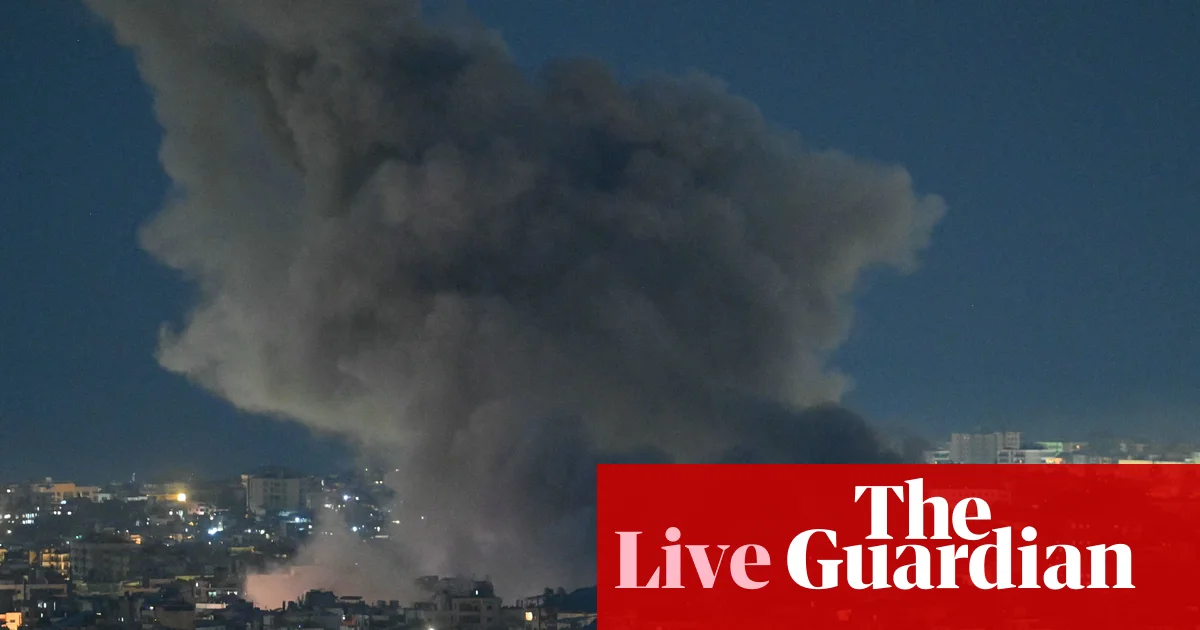
In parallel, the Israeli military has engaged in extensive strikes against Tehran and Beirut, while issuing evacuation orders for strategic locations in Lebanon amidst fears of imminent hostilities. This coordinated campaign underscores a broader geopolitical shift, intensifying the confrontation and risking broader regional chaos. Israeli Prime Minister Benjamin Netanyahu has publicly stated that this war may take “some time,” but assured it won’t be an “endless conflict,” emphasizing a desire for swift, decisive victory. Analysts, including those at the Council on Foreign Relations, warn that these aggressive postures threaten to ignite a broader war involving multiple state and non-state actors.

Strategic Ramifications and International Response

Amid the mounting military engagements, the region has plunged into disarray. The US has ordered all citizens to evacuate over a dozen Middle Eastern countries, including Saudi Arabia and the United Arab Emirates, citing rising risks of further attacks and diplomatic instability. The Saudi embassy in Riyadh was reportedly struck by drones early Tuesday, causing a fire and leading to a temporary diplomatic closure—a stark reminder of how quickly regional security can unravel.

Further complicating the situation, Iran’s Revolutionary Guards claimed a drone and missile attack on a US air base in Bahrain, asserting that they destroyed the base’s main command headquarters—a move likely to provoke retaliatory strikes. International organizations such as the UN have expressed concern, urging de-escalation, but their calls seem overshadowed by hardened rhetoric and ongoing hostilities. Meanwhile, the strategic choke point of the Strait of Hormuz, vital for oil and gas shipments, hangs in the balance after threats from Iran to close navigation, risking a potential global energy crisis. The U.S. military remains cautiously optimistic, asserting the Strait remains open, but the threat of escalation looms large.

Projection of War and the Shift in Global Power Dynamics

As the conflict continues to spiral, former Secretary of State Marco Rubio stated that the “hardest hits” are yet to come, hinting at a prolonged and punishing campaign against Iran. Meanwhile, President Donald Trump has laid out broad objectives, including dismantling Iran’s missile capabilities, naval forces, and nuclear ambitions—all with an eye toward curbing Iran’s regional influence.

Historian Samuel Huntington and geostrategic analysts warn that this conflict risks reshaping the global power balance. Worst-case scenarios include a broader regional war, economic turmoil, and centering the Gulf’s geopolitical importance in American and allied foreign policy for decades to come. How nations respond in these critical moments will determine the nature of international stability in the years ahead, with the weight of history pressing heavily upon these decisions. As the echoes of drone strikes, evacuations, and military escalations reverberate across capitals, the world stands at a precipice. The unfolding story of the Middle East’s chaos may well forge a new era—one defined by confrontation, resilience, and the relentless pursuit of national interests amid the uncertainty of a world still on the edge of war.
Third Day of US-Israel War with Iran: Key Moments Unfold

U.S., Israel, and Iran Engage in Alliance-Shaking Conflict as Regional Tensions Escalate

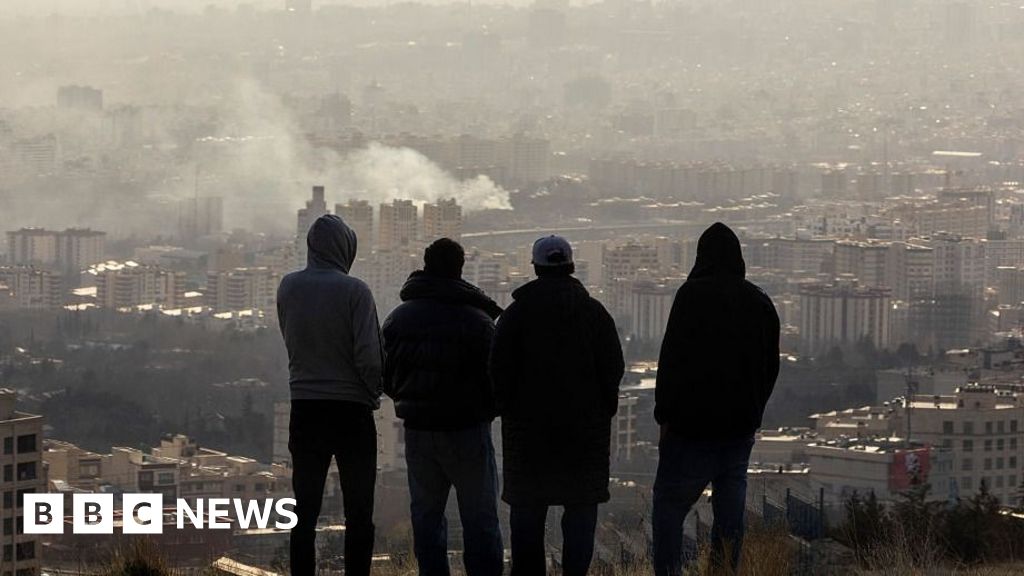
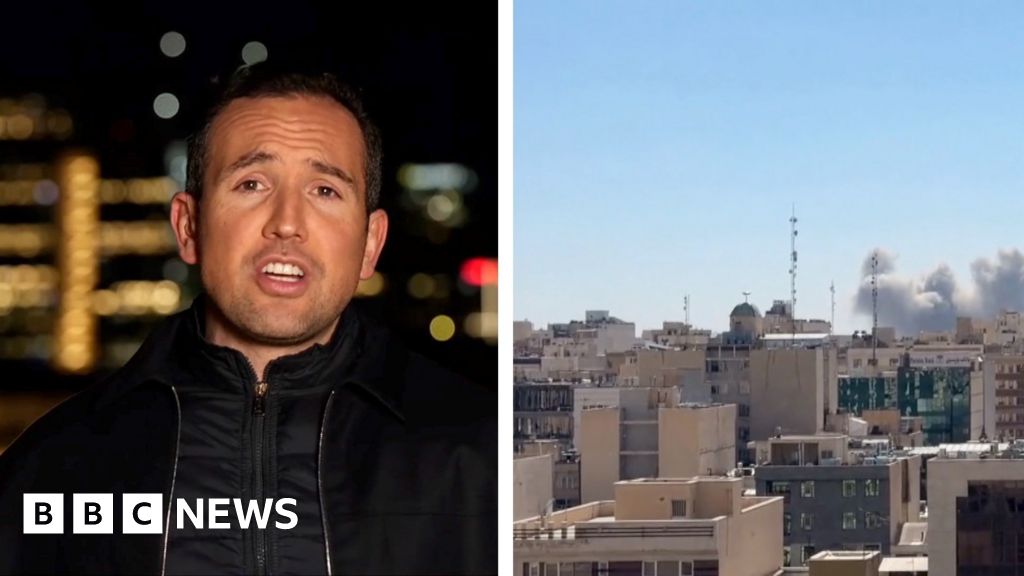
The ongoing war between the United States and Israel against Iran has rapidly escalated into a full-blown regional crisis, marking a dangerous turning point in the Middle East’s volatile landscape. As the third day of hostilities unfolds, scenes of destruction and chaos dominate the streets of Iran, while neighboring nations grapple with the far-reaching implications of this dangerous conflict. Global analysts warn that this cycle of violence not only destabilizes the region but also threatens the fragile balance of power that sustains international security. The intense exchange of drone and air strikes illustrates how swiftly the conflict has expanded beyond initial targets, with the potential to ignite broader regional or even global confrontations.

Today’s hostilities saw the United States orchestrate strikes within Iran, with devastating scenes on the streets revealing the severity of the military escalation. The strikes, according to Pentagon officials, targeted Iranian military facilities aimed at degrading Tehran’s capacity to support proxy groups like Hezbollah and other militant organizations. Most international observers agree that this marked a critical shift in US strategy—moving from containment to direct confrontation—further undermining hopes for diplomatic resolution. Meanwhile, Israel expanded its military campaign by launching strikes into Lebanon, targeting alleged Hezbollah positions. These preemptive actions are true to the longstanding Israeli doctrine of preemptive defense, but they risk igniting a broader conflict that could threaten regional stability for years to come.

  • Three US fighter jets tragically crashed in Kuwait, with initial reports attributing the accidents to apparent friendly fire—a grim reminder of the fog of war amid chaos.
  • In Cyprus, a British RAF base was struck by an Iranian drone, forcing an emergency evacuation and raising alarms over the spread of the conflict beyond the immediate Middle Eastern theater.

International organizations and military analysts are sounding alarms over the geopolitical impact of these developments. Harvard historian Dr. Robert Matthews warns that the conflict’s escalation could catalyze a new Cold War, with major powers realigning and recalibrating alliances. The delicate balance of deterrence maintained since the Cold War era is now in jeopardy, with the risk of all-out regional warfare increasing by the hour. Furthermore, the involvement of multiple nations, including the United Kingdom, Kuwait, and Cyprus, illustrates how the conflict threatens to drag in global actors, intensifying the risk of escalation that could spiral out of control.

The international community’s response remains cautiously divided. While some call for immediate de-escalation and renewed diplomacy, others appear resigned to the notion that the forces unleashed today will shape global geopolitics for decades. As nations mobilize their military assets and intelligence agencies scramble to interpret the unpredictable developments, the world stands on a precipice. History will remember this moment—not as a standalone skirmish, but as an inflection point whose aftermath will redefine power structures, alliances, and the very fabric of international order.

Ultimately, the relentless violence of today underscores a sobering truth: the decisions made in these critical hours will echo through history, determining whether this is a moment of resurgence for peace or the dawn of a new, darker epoch of conflict. As the dust of destruction settles on the streets of Iran, the question remains—how many more will fall before the storm subsides, or if it ever will? The pages of history are yet to be written, but their weight is undeniable: humanity teeters on the edge of a new chapter, one that could reshape the world in ways yet unseen.

US-Israel Strikes Persist as Iran Retaliates on Day Two

Recent developments in the Middle East underscore a rapidly escalating regional crisis that threatens to reshape international stability. In Israel, a missile strike in the city of Beit Shemesh has resulted in the tragic loss of nine lives, highlighting the ongoing volatility that has gripped the area. While the Israeli government has yet to admit any involvement in military operations in that specific incident, the strike underscores the persistent danger that conflict poses to civilian populations. Meanwhile, Iran reports a far more devastating incident, claiming that a strike on a school resulted in the deaths of at least 153 individuals, including children—a toll that reflects the devastating human cost of regional hostilities. Iranian officials have explicitly blamed the US and Israel for backing actions that have led to this tragedy, intensifying the narrative of mutual distrust and blame that dominates regional discourse.

Across neighboring nations, the toll of the conflict continues to mount. UAE authorities confirmed that three individuals have been killed since Saturday, in what they describe as Iranian attacks. In Kuwait, reports indicate that at least one person has been killed in similar hostilities. These developments serve as a stark reminder of how the conflict is spilling beyond Israel and Iran, threatening to engulf the entire Gulf region. Analysts and international organizations, including the United Nations, warn that this cycle of violence risks escalating into a broader regional war—a conflict with the potential to destabilize the entire Middle East and threaten vital global energy supplies. Historians recount how previous flare-ups, such as the 2006 Lebanon War, underscored the devastating consequences of unchecked regional conflicts, warning that current events might echo those darker chapters but on an even larger scale.

This escalation also underscores the increasing international uncertainty and the troubling dynamics of alliances and antagonisms. The United States Central Command (Centcom) has stated it is investigating reports of the incident in Iran, demonstrating the complex web of intelligence and military interests at play. Israel, meanwhile, claims to be “not aware” of any military operations in the area—itself a narrative that glosses over the clandestine and often deniable nature of modern warfare. The rising tensions reflect a broader geopolitical strategy by Iran and its allies to challenge U.S. and Israeli hegemony in the region. Conversely, Israel and its allies seek to project power and deter Iran’s expanding influence, leading to a dangerous game of brinkmanship. The stakes are high, with each incident potentially igniting a larger conflagration that could threaten global stability if diplomatic efforts fail.

As the region teeters on the precipice of open conflict, international voices have raised dire warnings. Experts note that the recent surge in violence marks a *turning point* in Middle Eastern geopolitics, where traditional borders and alliances are being tested and reshaped. With history’s lessons echoing—such as the series of wars and conflicts that have defined this tumultuous region—many caution that decisions made in the coming weeks will determine whether peace can be salvaged or whether chaos will reign supreme. The world’s eyes remain fixed on this volatile area, where every missile fired and every civilian lost continues to write a new chapter in a story of conflict and resilience—a story still being written, with the shadow of history looming large over an uncertain future.

US-Israel Blitz: Two-Minute Strike Unveiled

In a dramatic escalation of hostilities that threatens to reshape the geopolitical landscape, the United States and Israel launched a coordinated series of military strikes against Iran on Saturday. The precise targeting of Iran’s key military and political infrastructure marked a significant departure from decades of regional diplomacy and a stark warning to regimes that challenge Western influence in the Middle East. According to reports, Israeli Prime Minister Benjamin Netanyahu claimed that Khamenei’s compound in Tehran had been destroyed in a ‘powerful, surprise strike’, a statement that proved to be a harbinger of what many analysts now describe as a potential flashpoint for wider conflict.

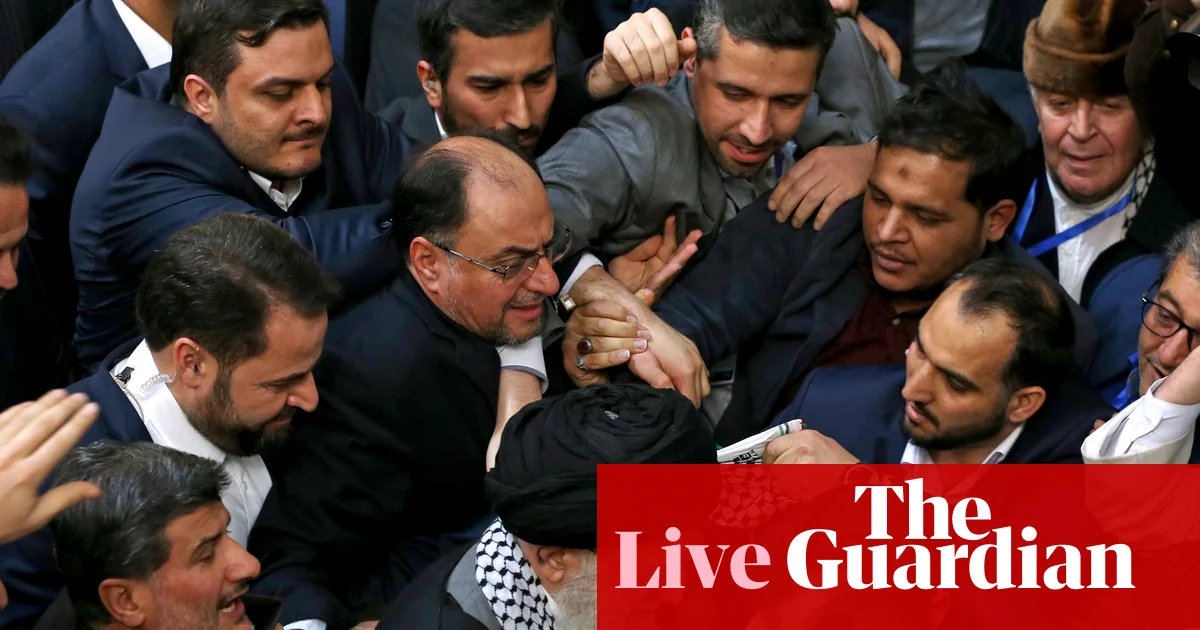
Adding to the gravity of the situation, Iranian state media confirmed the death of Supreme Leader Ayatollah Ali Khamenei, an event that, if verified, signals a drastic shift in Iran’s internal stability and its ability to project power regionally. The turning point here isn’t merely the loss of a spiritual leader but the destabilization of Iran’s entire political hierarchy, which could unroll into unpredictable consequences for global security. Historians like Robert D. Kaplan and regional analysts warn that such a high-profile assassination or targeted strike could ignite all-out regional wars, especially as Iran responds with retaliatory missile and drone attacks targeting Israel and four Gulf Arab nations: Bahrain, Kuwait, Qatar, and the UAE—countries that host U.S. military bases, and whose security is tightly integrated with American military posture in the Gulf.

The geopolitical impact of these events is profound. The attacks and the subsequent retaliations threaten to undermine years of cautious diplomacy in the Middle East and may draw in international actors and alliances previously hesitant to get involved. The Middle East is at a crossroads, with each decision echoing through the corridors of international institutions like the United Nations and the Security Council, which are already under pressure to respond meaningfully. Countries across the world are watching, with some facing the choice of backing American and Israeli actions or condemning what they perceive as reckless escalation. The implications stretch beyond regional borders: a broader conflict could destabilize global markets, trigger refugee crises, and ignite terrorist threats fueled by chaos and power vacuums.

As the dust begins to settle—and it may take years to fully understand the implications—the world is left on the precipice of a new chapter, one where the curtains of conventional diplomacy have been drawn back. Decision-makers and international stakeholders must now grapple with whether this marked the beginning of a new, more dangerous era or if cooler heads might yet prevail amidst the chaos. With each passing moment, history writes its uncertain narrative, and the weight of the unfolding crisis serves as a stark reminder: the Middle East remains the epicenter of geopolitical friction, where every action sparks a ripple through the fabric of global stability, with consequences that will be felt for generations.”

Breaking: Reports Claim Ayatollah Khamenei Dead Amid US-Israel Tensions with Iran

The geopolitical arena has reached a volatile flashpoint following revelations of a severe escalation in Iran. Iran’s Revolutionary Guards declared intentions to unleash the “most ferocious” operational assault in its history against US and Israeli military targets, signaling a dramatic shift in the Middle East’s longstanding regional tensions. This declaration coincides with an unprecedented wave of missile and drone strikes across Iran, which have already resulted in over 200 civilian casualties, according to Human Rights Activists News Agency. The ripple effects are cascading through international relations, raising questions about future stability and the potential for a broader conflict that could threaten global peace.

In an extraordinary turn of events, reports suggest that Iran’s supreme leader, Ali Khamenei, has been killed amidst the ongoing chaos, with claims originating from US President Donald Trump and later corroborated by Iranian state media. This sudden vacuum of power portends a perilous period of political uncertainty, reminiscent of Iran’s struggles post-1989, when the death of Khomeini triggered a reconfiguration of its leadership. The Assembly of Experts is under intense pressure to rapidly select a successor, and the interim leadership council, appointed to manage operations temporarily, faces mounting dependencies amid a rapidly evolving crisis. Such shifts threaten to destabilize Iran’s fragile political order and could embolden radical factions, increasing the likelihood of unrestrained military escalation.

The geopolitical impact of these developments extends beyond Iran’s borders. Iran’s retaliatory strikes across six countries, including a missile attack that wounded 22 in Tel Aviv and fires on the iconic Burj Al Arab and Fairmont hotel in Dubai, have pulled regional alliances—and their undercurrents—into sharp focus. Meanwhile, UAE forces intercepted the majority of over 130 missiles launched at their territory, yet at least one person was killed at Abu Dhabi’s Zayed International Airport. How nations respond to Iran’s upheaval will define the Middle East for decades to come. The broadest concern among global strategists is how this chaos influences the already delicate balance between power and diplomacy, especially as China urges restraint and respect for Iran’s sovereignty, warning against further escalation. The U.N. Security Council’s emergency session underscores the urgency for immediate de-escalation, yet the deeply entrenched interests and conflicting alliances suggest that this crisis could spiral into an unstoppable chain of events.

This unfolding chapter signifies more than just regional conflict; it exemplifies a pivotal moment where decisions made today could forge the world’s future landscape. As Western powers grapple with supporting their allies and maintaining stability, Russia and China are positioning themselves as defenders of sovereignty, challenging the prevailing narrative of interventionism. The divide widens with the United States’ Republican factions overwhelmingly endorsing the attack, contrasted sharply by Democratic voices condemning the aggression as unlawful. Such divisions within the U.S. reflect broader debates about the very nature of American foreign policy and its enduring role on the world stage.

In the shadow of this turmoil, the echoes of history command attention. The world stands at an uneasy crossroads, where the choice between reconciliation and conflict could either usher in a new era of diplomacy or plunge the Middle East—and perhaps the global order—into chaos. The fires ignited by Iran’s leaders, and the fateful power vacuums now forming, threaten to etch this tumult into the annals of history. As nations brace for the long shadows of war, the weight of these defining moments remains heavy upon the shoulders of all — a reminder that in the theater of geopolitics, peace is often but a fragile illusion, easily shattered beneath the weight of power and ambition.

What’s Really Behind the US-Israel Strike on Iran?

In a startling development that has sent shockwaves through the international community, former U.S. President Donald Trump has publicly described recent events as “major combat operations,” amidst reports of explosions echoing across Iran. This statement marks a significant escalation in the ongoing geopolitical tensions that have long characterized the Middle East, raising fears of a broader conflict that could reshape regional dynamics and influence global security architectures.

The reported explosions in Iran, which some analysts suggest may have targeted critical infrastructure or military facilities, have prompted swift reactions from international bodies and neighboring nations alike. While the specific causes of these events remain under investigation, the mention of “major combat operations” by a prominent political figure signals an alarming shift in rhetoric and possibly in military readiness. Experts from institutions such as the International Crisis Group and various defense think tanks warn that such language and actions could further destabilize an already volatile region. The geopolitical impact extends beyond Iran, potentially affecting global oil supplies, international alliances, and the strategic calculations of world powers.

This crisis also underscores how decisions made at the highest levels of government directly influence the fate of nations and peoples. Iran, a country with a complex history of confrontation and resilience, faces mounting pressure from regional adversaries and external forces. The potential for escalation echoes past incidents that have brought the world to the brink of war, prompting historians to recall the importance of diplomatic restraint amidst the tumultuous currents of international rivalry. Meanwhile, the United States, under the influence of leadership figures like Trump, continues to oscillate between diplomatic engagement and assertive posturing — choices that have profound implications for global peace or conflict.

As the dust begins to settle, or perhaps deepen, the international community stands at a crossroads. The core questions revolve around the potential for a new chapter of dialogue, or an irreversible slide into chaos. The upcoming days will reveal whether nations can overcome entrenched hostility or if history’s dark patterns will once again unfurl. As the world holds its breath in anticipation, the deep scars of past conflicts remind us that the choices made now will echo through generations, shaping the course of history in ways still unreadable. The weight of these moments seems almost unfathomable, yet it is precisely in such decisive instants that the true character of nations and leaders is revealed—whether as guardians of peace or architects of destruction.

Social Media Auto Publish Powered By : XYZScripts.com