Matox News

Truth Over Trends, always!

Top Vacuum Picks of 2026: Cordless, Robots & Dyson’s Best for the Next Gen Home

The landscape of household cleaning technology might seem mundane at first glance, yet beneath the surface, the latest innovations signal a broader wave of disruption sweeping through the consumer appliance industry. Brands like Dyson, BISSELL, and Tineco are pushing forward with advanced cordless and robotic models that exemplify how technology-driven innovation is replacing traditional upright vacuums. These developments are not just about convenience—they are redefining the very fabric of how businesses approach product design, security, and future scalability in a fragmented yet fiercely competitive market.

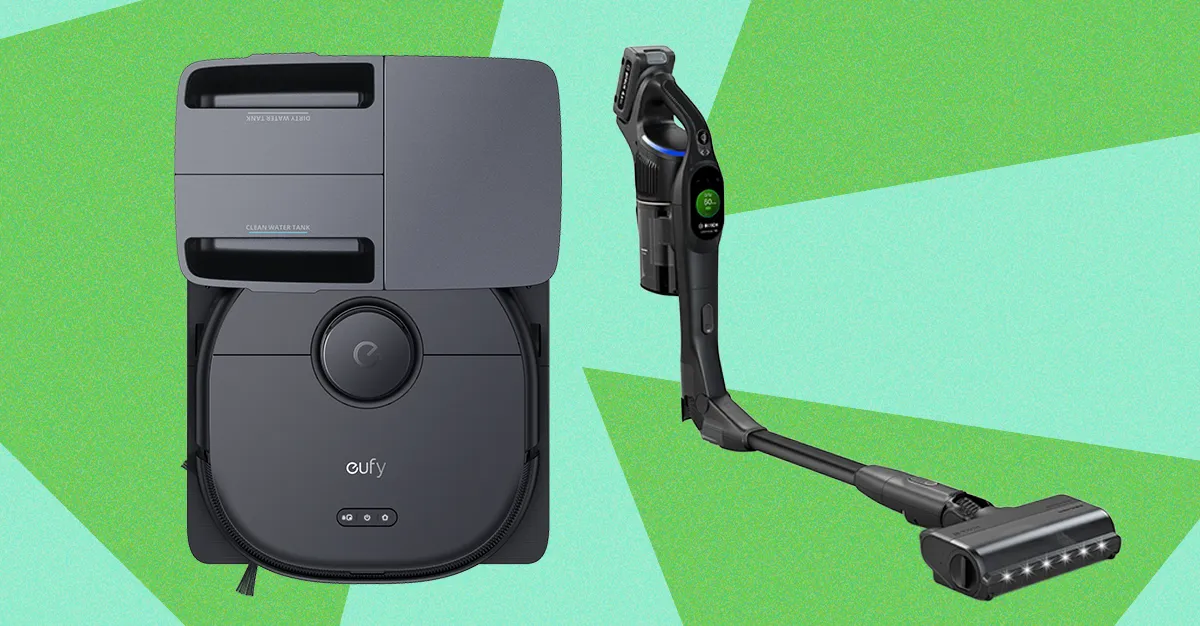
Recent market shifts pointed out by industry analysts from Gartner highlight that cordless stick vacuums now dominate revenue streams, challenging the legacy supremacy of upright models. They combine portability, multifunctionality, and AI-powered features, allowing consumers to perform targeted, efficient cleaning without being tethered to outlets. This segment’s growth underscores a fundamental trend: disruption fueled by mobility and smart technology. Furthermore, the incorporation of self-emptying dock stations like Tineco’s, and power-packed handheld models from Dyson, signals that consumer preference is rapidly evolving toward integrated, maintenance-free solutions.

  • High-capacity, self-emptying docks: boosts convenience and maintains suction power longer.
  • AI-enabled sensors in vacuums: optimize cleaning routes and improve efficiency.
  • Specialized designs for pet owners: Dyson’s HEPA-filtered models leverage disruptive HEPA technology for allergen control, addressing a vital niche.

However, these innovations carry significant business implications. Traditional vacuum manufacturers, often rooted in decades-old designs, face existential challenges if they fail to innovate rapidly. Startups and tech giants outside the hardware space—like Elon Musk’s Tesla or Peter Thiel-backed ventures—are already showing interest in applying AI, IoT, and machine learning to consumer appliances, creating a potential nexus for *disruption on a massive scale*. The market is already witnessing a shift where AI-powered maintenance, predictive diagnostics, and subscription-based services could become standard, fundamentally altering revenue models. These trends echo the MIT research on ‘Industry 4.0’, emphasizing that smart, interconnected products will become the norm rather than the exception.

The disruption extends beyond product innovation into the business model space. Companies that successfully leverage IoT data and integrate AI to enhance after-sales support will have a competitive advantage. As Gartner notes, the era of ‘product-as-a-service’ is upon us, urging firms to rethink how they generate recurring revenues. Meanwhile, consumer demands for smarter cleaning devices—integrating voice commands, automation, and health monitoring—drive this technological evolution rapidly. This scenario defies complacency: companies not embracing these shifts risk falling behind in an industry where innovation cycles are getting shorter and where the future belongs to pioneers capable of integrating AI, hardware, and service platforms.

Looking ahead, the industry’s trajectory suggests a convergence where disruption fuels innovation across every facet of household tech. The influx of AI, robotics, and IoT into everyday appliances will likely extend into broader sectors—smart kitchens, connected security, even personal health. To stay competitive, firms must prioritize agility, investment in R&D, and strategic partnerships with AI and hardware developers. Those who do will not only reshape the market but could gain unparalleled market dominance in the next decade. The clock is ticking for legacy players and newcomers alike: the future is being written now, and only the most innovative will thrive in the face of relentless technological advancement.
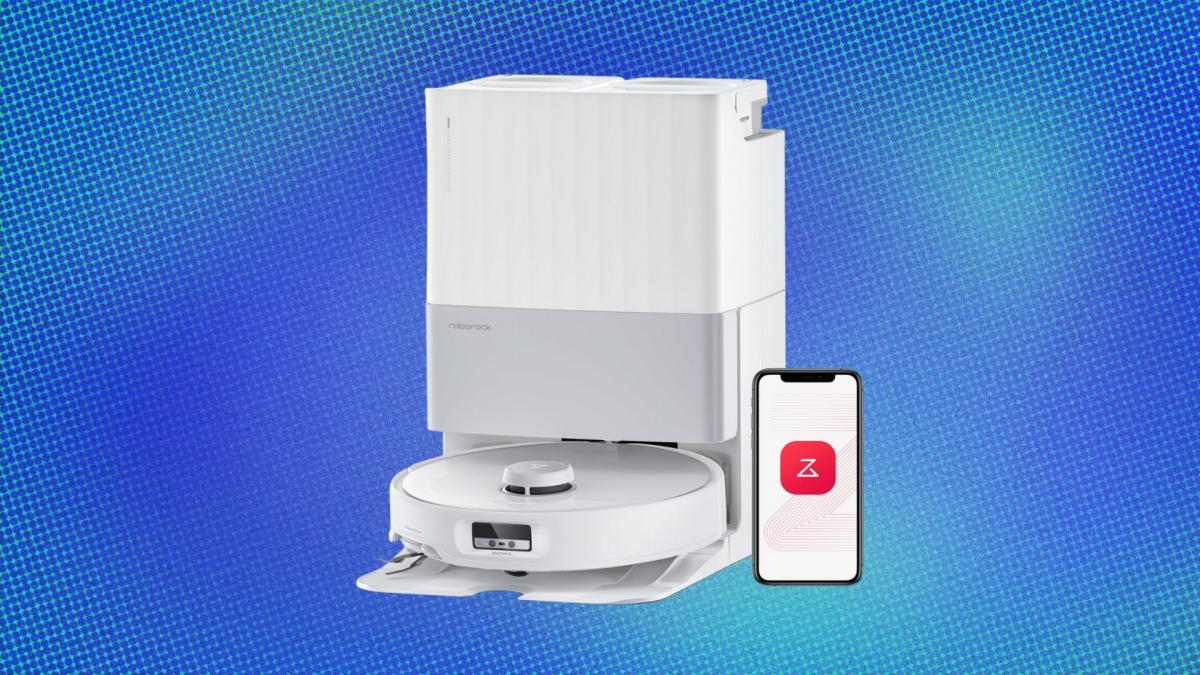
Score Big: Roborock Qrevo Edge Robot Vacuum Almost 50% Off This Weekend!

In an era where technology is reshaping household chores, the latest offering from Roborock, the Qrevo Edge robot vacuum, exemplifies the shift towards integrating smart features with practical, everyday use. Priced now at a remarkable 43% off—$799, down from $1,399—this device isn’t just a vacuum; it’s a glimpse into the future of domestic automation. As consumers prioritize convenience and connected living, this model stands out with its advanced AI obstacle recognition, industry-first “adaptilift chassis,” and pet-friendly tech. It’s clear that the cultural and social impact of such devices extend beyond mere cleanliness, hinting at a society increasingly dependent on AI to navigate our personal and shared spaces.

The Qrevo Edge is not merely a cleaning tool but a reflection of the broader societal embrace of automation. Influencers and trendsetters in the tech sphere, like Marques Brownlee, have highlighted how these devices are no longer novelties but becoming essential components of modern lifestyles. Its AI obstacle recognition allows it to navigate complex home layouts, including doorframe ledges up to 4cm high, giving it a versatility that mimics human adaptability. Moreover, voice assistant compatibility and pet-centric features—such as video calls to check on furry friends and targeted pet hair removal—indicate that companies are tailoring their innovations to meet the demands of pet-loving youth and busy professionals alike. Through these features, the cultural impact manifests as a digital integration into daily routines, fostering a lifestyle where chores are semi-automated, leaving more time for personal pursuits or social engagement.

Additionally, the social relevance of such devices is rooted in their environmental and health implications. By self-emptying with hot water and drying with warm air, the Qrevo Edge minimizes odors and maintains hygiene without constant human intervention. This echoes a larger societal trend: the desire for a cleaner, more efficient home environment, driven by a growing awareness of health and wellness among younger demographics. As social analysts note, these gadgets are becoming cultural symbols of a post-task society—where technology not only augments productivity but also elevates the quality of personal space. In a way, they represent a shift in behavioral expectations, where the pursuit of a sophisticated, hassle-free life is increasingly intertwined with high-tech innovation.

In reflecting on the trajectory of these innovations, an intriguing question arises: as robotic assistants become more integral to our daily lives, will we begin to redefine what it means to have a “home”? With features that offer pet companionship, customizable cleaning zones, and intuitive obstacle detection, the next era could see these devices evolve beyond chores, potentially taking on roles in social interaction and emotional support. Influential sociologists like Sherry Turkle have argued that as humans form bonds with digital companions, societal norms around caregiving and interpersonal relationships may shift profoundly. So, as the Roborock Qrevo Edge and similar devices become common fixtures, the real question for the future will be: are we on the brink of a society where robots are not just tools, but partners in our daily narratives?

DJI’s Romo Robot Vacuum: The Future of Clean Tech for Next-Gen Homes

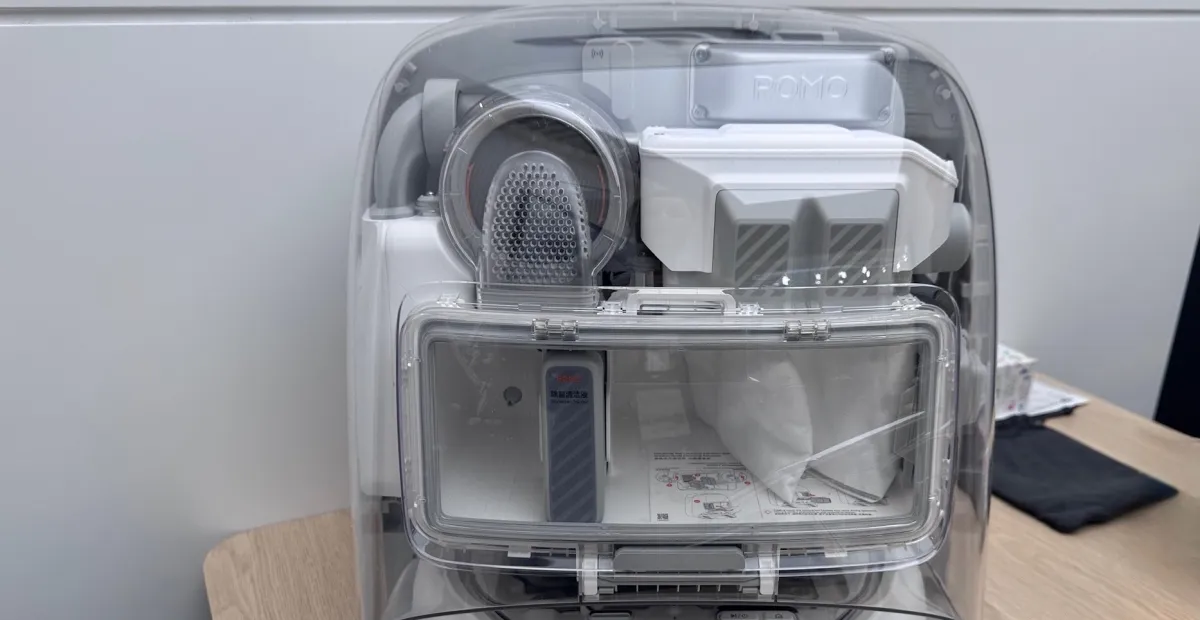
DJI Launches Transparent Romo RoboVac: A Landmark in Cleaning Tech Disruption

In an unexpected move that underscores the relentless pace of technological innovation, DJI, the renowned drone and camera manufacturer, has entered the competitive robotic vacuum market with the release of the DJI Romo. Debuting in Europe this week after its initial launch in China, the Romo represents a bold reimagining of home cleaning—fusing drone-level navigation tech with an eye-catching transparent design. This product signals a significant shift, revealing industry ambitions to disrupt traditional appliances with transparency, advanced sensors, and integrated AI, set against a backdrop of mounting market disruption.

The Romo’s release is notable not only for its innovative aesthetics but also for its combination of advanced navigation systems. Utilizing dual fish-eye vision sensors alongside solid-state lidar derived from DJI’s drone lines, it pushes the envelope in ground-based robotics. Vision experts and leading institutions like MIT have long emphasized lidar’s role in improving navigational precision in autonomous systems, and DJI appears committed to setting new standards here. The robot’s capacity to detect objects as thin as a 2mm cable exemplifies hardware engineering that prioritizes meticulous environment mapping, promising to elevate smart home automation to new heights. Its see-through design offers a peek inside the workings—akin to a hardware manifesto emphasizing transparency as a feature, turning a mundane appliance into a statement of tech prowess.

Market implications of DJI’s entry are profound. The Romo line comes in three models, with the flagship Romo P starting at €1,899 (~$2,200). Despite its premium pricing, the device’s disruptive features—such as a self-cleaning dock with a deodorizer slot, high-pressure jet cleaning for mops, and hot air drying—aim to redefine customer expectations for durability, convenience, and luxury in robotic home appliances. Its incorporation of mixed sensory modalities signals an industry-wide shift, challenging established brands like Roborock and IKEA, which have offered less sophisticated navigation tech. This disruption could force competitors to innovate or risk obsolescence, especially as younger consumers increasingly prioritize sophisticated gadgetry integrated seamlessly into their living spaces.

Technology analysts like Gartner and industry veterans warn that such innovation demands rapid adaptation from market players. The Romo’s design, which is substantially larger and heavier to house its advanced sensors, demonstrates DJI’s commitment to pushing technological barriers, bolstering the trend towards fully autonomous, context-aware cleaning solutions. As Peter Thiel and Elon Musk have suggested, the future belongs to firms that leverage cutting-edge sensors and AI to redefine ordinary tasks, transforming them into high-tech experiences. For now, DJI’s entry into this space confirms that the era of ordinary vacuum cleaners is ending, replaced by intelligent, disruptive devices capable of not only cleaning but also enhancing home environments through sophisticated sensors and AI-powered navigation. With no current US release plans, anticipation is high; an industry that once dismissed robotic vacuums as mere gadgets now faces the reality of a high-stakes innovation race.

Social Media Auto Publish Powered By : XYZScripts.com