

Spain’s Valencia Region Faces Renewed Flooding Amid Climate Turbulence
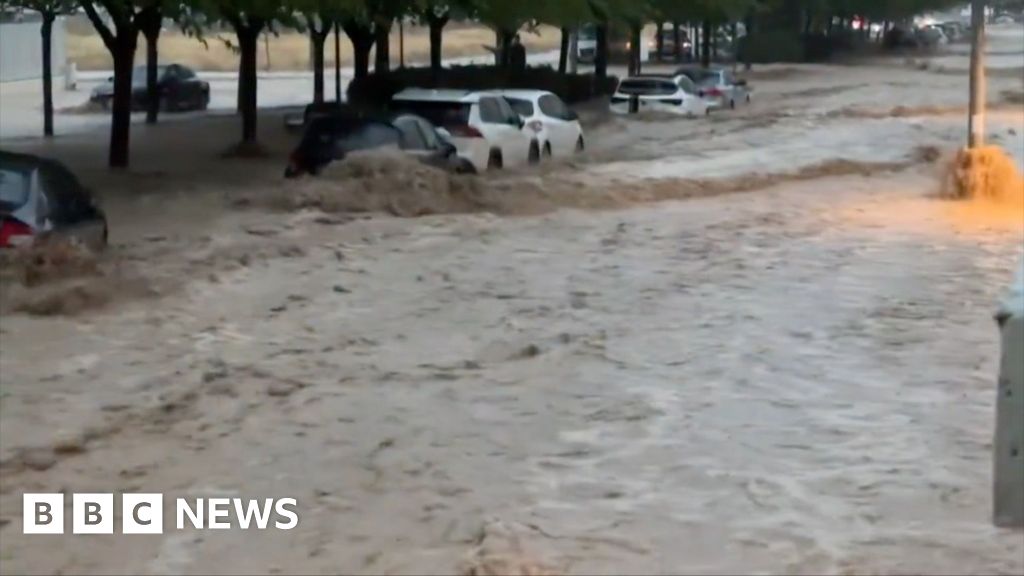
The Valencia region of Spain finds itself once again besieged by the forces of nature, as relentless storm activity wreaks havoc across the southern European coastline. This recent onslaught, driven by Storm Gabrielle, echoes the tragic floods that claimed over 230 lives last year — a sobering reminder of the increasing frequency and severity of climate-induced disasters. The meteorological agency AEMET reported that between 160 and 200mm of rain fell within just six to eight hours around the Ebro delta, unleashing floodwaters that have submerged parts of Valencia and neighboring Zaragoza in the Aragon region. Such intense precipitation reinforces the growing consensus among climatologists that exacerbated weather patterns are becoming a hallmark of a warming planet.
In the face of these natural crises, international analysts and climate experts warn that the global community faces a pressing threshold—one where climate change is no longer a distant threat but a visceral reality impacting everyday lives. The European Environment Agency has repeatedly emphasized that regions like Valencia, famed for their agricultural productivity and tourism, are on the frontlines of climate upheaval. The local authorities responded swiftly by declaring a red alert, enacting emergency protocols to safeguard residents. Schools, public libraries, and parks in Valencia have been shuttered for the day, prioritizing safety against the swift-moving floodwaters. Fortunately, no injuries have been reported so far, but the psychological and economic toll remains palpable, as local communities brace for continued instability.
Geopolitical Ramifications of Environmental Crisis
What might seem like localized weather phenomena are, in truth, intertwined with broader geopolitical implications. Climate volatility disproportionately affects Mediterranean nations like Spain, where water security and agricultural stability are critical to national sovereignty. Countries across Europe, the Middle East, and North Africa recognize the unyielding link between environmental stability and geopolitical security, with some analysts warning that resource scarcity could ignite regional conflicts. The European Union, through initiatives such as the European Green Deal, aims to address climate challenges comprehensively, but critics argue that policy implementation remains sluggish. International organizations like the United Nations have issued stark warnings: failure to adapt to climate realities could intensify migration pressures, unsettle regional alliances, and destabilize fragile states.
Historian and foreign policy analyst Dr. Jonathan Pierce underscores that these recurring weather disasters serve as a stark warning of how decisions made today will influence the geopolitical landscape of tomorrow. “Climate change is no longer an abstract issue,” he asserts. “It is a direct challenge to sovereignty, economic stability, and societal cohesion. Countries that respond proactively will preserve their resilience, while those that ignore the warning signs risk existential crises.” These sentiments are echoed by international bodies that emphasize a need for cohesive global action—action that is still insufficient given the scale of the crisis imminent from climate shifts.
Unfolding the Future of Global Power Dynamics
As we stand at this critical juncture, the decision-making by political and economic leaders now becomes all the more consequential. Valencia’s renewed floods are emblematic of a larger narrative—one where climate variability could reshape alliances, influence global markets, and redefine the responsibilities of powerful nations. From the United States to China, leaders grapple with not just immediate disaster response but also strategic foresight—how to mobilize resources, secure borders, and promote sustainable development amid mounting environmental stress.
History has shown that times of crisis often determine the course of nations; the unfolding story of climate change and geopolitical resilience will be inscribed in the annals of history. As the waters in Valencia recede, the world confronts a sobering truth: the decisions taken in the coming days will either forge a sustainable path forward or plunge societies into chaos under the weight of neglect and complacency. The future remains unwritten—and the fate of countless nations hangs precariously in the balance, awaiting the next chapter in this unfolding saga of environmental and geopolitical upheaval.





