Matox News

Truth Over Trends, always!

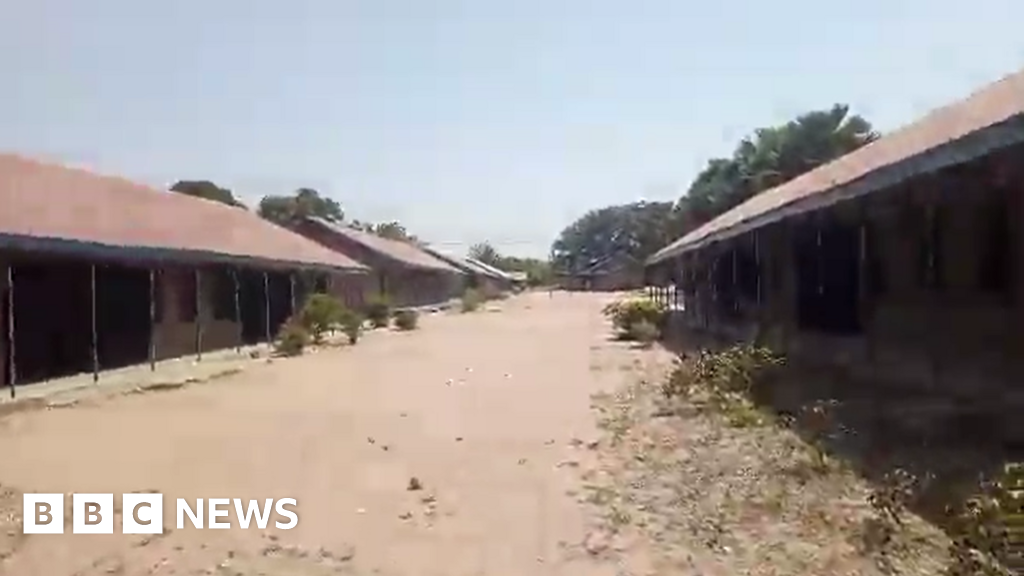
Nigeria suffers major school abduction as 315 students vanish in mass kidnapping

Escalating Crisis in Nigeria: Mass Kidnappings and Their Geopolitical Ramifications

In a disturbing display of the ongoing insecurity plaguing Nigeria, reports confirm that over 300 children and staff have been kidnapped from St Mary’s School in Niger state—a tragic development that echoes the infamous Chibok abduction of 2014. According to the Christian Association of Nigeria, the revised figures indicate a significantly larger number of victims than initially reported, highlighting the grave escalation in armed group activity across the country. These mass abductions are not isolated incidents but part of a disturbing surge in violence by violent coalitions, often labeled as bandits or Islamist militants, that threaten the stability of Nigeria’s fragile security architecture.

Analysts warn that this escalation has profound geopolitical implications. The Nigerian government’s response—claiming to mobilize security forces and order school closures—struggles against a tide of multifaceted insurgencies, including Boko Haram’s remnants and criminal gangs. These groups are exploiting Nigeria’s vast and often inaccessible forested regions, making rescue operations perilous and uncertain. The recent kidnappings occur amid a backdrop of regional instability, as neighboring countries face similar challenges with militant insurgencies, leading some experts from the African Union to warn of a potential destabilization chain reaction in West Africa fueled by these uncontained conflicts.

Furthermore, the international discourse around these events has become polarized. Right-wing figures in the United States, including former President Donald Trump, have recently amplified allegations of persecution of Christians in Nigeria, claiming the government is either unable or unwilling to protect religious minorities. These claims, vehemently denied by Lagos, supply a turning point in the ongoing narrative—whether as a genuine concern or a politicized tool—highlighting how external actors are increasingly involved in Nigeria’s internal affairs. Such narratives risk complicating diplomatic efforts and may embolden militant groups, further destabilizing the region.

The geopolitical impact of Nigeria’s security crises extends beyond its borders. As Africa’s most populous nation and a key player in regional economics and politics, Nigeria’s instability threatens to undermine efforts towards regional integration and economic growth. Historians and security analysts warn that without decisive action—focusing on intelligence, community engagement, and tackling socio-economic roots—Nigeria could descend into a prolonged state of chaos, with ripple effects felt across the continent and beyond. The convergence of internal insurgencies, criminality, and international politicization ensures that Nigeria remains a critical flashpoint. The nation’s future hangs in the balance, a reminder that history is still being written with every flight of gunfire and every child’s cry, as Africa’s most vital country teeters on the edge of crisis—and perhaps, eventual breakthrough or collapse.
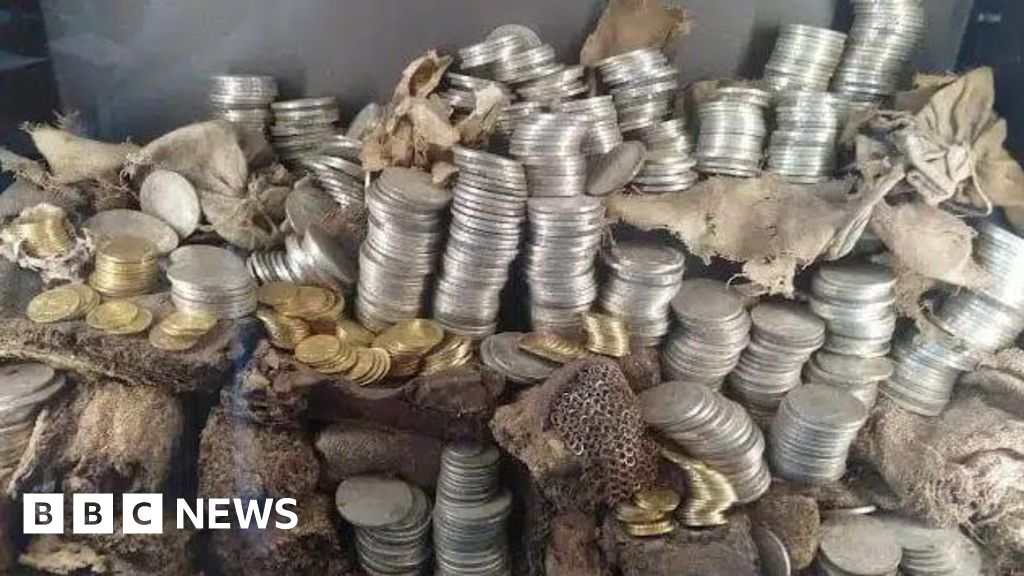

Museum Heist: 2,000 Gold and Silver Coins Vanish in Bold Robbery

France, long revered as a custodian of world cultural treasures, has recently found itself embroiled in a series of audacious heists that threaten not just its museum collections but also its national reputation. The seizures—ranging from the theft of millions in gold coins at a regional museum to the brazen daylight theft of priceless jewelry at the Louvre—underscore a dangerous erosion of security protocols and raise questions about societal stability and state sovereignty in a country whose history is intertwined with art and enlightenment.

In the latest incident, approximately 2,000 gold and silver coins valued at around €90,000 (£78,000; $104,000) were stolen from the Musees de Langres, just hours after the shocking €88 million jewelry theft from the Louvre gallery. As experts and authorities struggle to respond, international analysts warn that such events could serve as a disturbing template for other criminal networks across Europe. The theft involved highly skilled perpetrators, who chose their targets with precision, indicating a level of expertise and planning that is increasingly characteristic of organized crime groups seeking to undermine the cultural foundations of sovereign nations.

Adding to the gravity, a preliminary report revealed that the Louvre itself failed to secure its most treasured artifacts. CCTV footage was found to be inadequate, with monitoring systems either outdated or pointing away from critical access points. French authorities, including Justice Minister Gérald Darmanin, have lamented that the security protocols had “failed,” painting a dire picture of how fragile even the most iconic symbols of national pride can be in the face of modern threats. This lapse not only tarnishes France’s image but also serves as a stark warning to other countries about the urgent need for robust security measures against the rising tide of cultural vandalism and theft.

Recognized experts such as art detective Arthur Brand suggest that the pattern of attacks could escalate, with “copycat” gangs potentially executing multiple “hits” across the continent, exploiting perceived weaknesses in national defenses. The international community is watching with concern as France grapples with these incidents, which highlight how strategic decisions—whether in homeland security, cyber defense, or intelligence sharing—directly affect society’s ability to preserve its cultural sovereignty. Such events have the power to fuel nationalist sentiments and reinforce the importance of safeguarding heritage as a core element of national identity and sovereignty.

As the world watches history in the making, the question remains: how will nations respond to this new era of cultural confrontation? Will they fortify their defenses or fall further into vulnerability? The weight of this unfolding story reminds us that in this ongoing battle for sovereignty, history’s pen continues to write with a fierce, indelible hand—one that may define the future of nations and societies for generations to come.

Campus jobs vanish as financial crisis hits youth future

Society at a Crossroads: The Human Cost of Higher Education Budget Cuts

Across the landscape of British higher education, recent years have revealed a troubling trend: an unprecedented wave of financial austerity measures that threaten the very fabric of our educational communities. The University and College Union (UCU) reports that more than 12,000 jobs have been slashed in the last year alone, with an additional 3,000 positions at risk due to ongoing cost-saving initiatives. These reductions go beyond mere numbers— they echo deeply within the lives of students and staff, altering the core of our societal structure where families, education, and community tie together. As universities grapple with the need to tighten budgets, the moral and social consequences ripple outward: what does it mean for a student aiming for a future, or a lecturer whose livelihood hinges on decisions made in boardrooms?

Disturbingly, this climate of cutbacks fuels a demoralized workforce— university staff report being “exhausted, furious, and undervalued,” as Jo Grady, UCU general secretary, starkly describes. The sustenance of >4 million students in England alone is now shadowed by uncertainty, with many witnessing the disconsolidation of vital support services such as disability resources and cleaning staff. Such austerity measures are not just financial; they strike at the ethical heart of what it means to serve the public good. Sociologists like Michael Apple warn that these policies prioritize economic “efficiencies” at the expense of societal well-being, leading to a long-term decline in social mobility and access to higher education for the most vulnerable.

Among those facing the harshest consequences are academic staff like Dr. Zak Hughes, a chemistry lecturer at the University of Bradford, who describes the stark reality: he risked losing his job and, if that happens, will have to move back with his mother into her home, a stark symbol of societal insecurity. Meanwhile, in Edinburgh, a similar story unfolds where a planned £140 million in cuts looms over nearly 1,800 jobs, casting a shadow of doubt over students’ futures. Young people like Caspar Cubitt, a theology student, admit that the uncertainty has caused them to question their very decision to pursue higher education, stirring a cultural shift where aspirations are replaced with apprehensions. The historian David Brooks underscores that these trends threaten the foundations of our civic identity, as universities have long been pillars of societal progress and moral debate.

In response, some institutions call for “swift and decisive action” from the government, emphasizing that financial stability must be balanced against the moral obligation to support future generations. Yet, the crisis illuminates a deeper societal tension: how do we preserve the integrity of education in a system increasingly driven by economic imperatives? For families, this means reconsidering their investments in their children’s futures; for communities, it signals a fracturing of the social fabric that binds generations together. As the philosopher Francis Schaeffer once noted, society is only as strong as its moral commitment to human dignity and shared purpose. The challenge now is to envision a way forward—one that not only mitigates these cuts but also redefines the role of higher education as a true societal good, rooted in the promise of opportunity, hope, and resilience. In this moment of crisis, society is called to reflect: can it transform hardship into a catalyst for moral renewal, ensuring that the pursuit of knowledge remains a pursuit of justice?

Kenyan Activists Vanish in Uganda, Bobi Wine Reports

The recent abduction of two Kenyan human rights activists, Bob Njagi and Nicholas Oyoo, in Uganda has sent shockwaves through an already volatile region. Reported to have been forcibly taken while attending a campaign event linked to opposition leader Bobbi Wine, these disappearances underscore a deepening concern over the suppression of political dissent in East Africa. Aligning with historical patterns, their alleged abduction by armed men—likely security operatives operating outside formal channels—raises alarms about the growing use of clandestine tactics to silence opposition voices. Such acts violate fundamental international human rights standards, yet they epitomize the troubling trend of government-led repression in countries where political stability is often maintained through coercion and fear.

As Uganda approaches a pivotal election, the backdrop of these events becomes even more fraught. With Yoweri Museveni, who has held power since 1986, seeking to extend his rule, opposition figures increasingly face intimidation tactics that border on outright violence. Experts warn how such actions threaten the democratic fabric of the country: when activists and opposition supporters vanish without explanation, it not only stifles political debate but also destabilizes the social order. Human rights organizations like Vocal Africa have condemned the abductions, citing a pattern of government-sponsored abductions and disappearances across the region—some of which have resurfaced under dubious circumstances, revealing a disturbing cycle of enforced silence.

The geopolitical impact of these developments extends beyond Uganda and Kenya. The region’s stability hinges on the respect for political freedoms; persistent crackdowns risk inciting wider unrest and encouraging authoritarian tendencies across East Africa. Analysts highlight how governments may be colluding, consciously or subconsciously, to suppress dissent, thwart democratic processes, and consolidate power through intimidation and extralegal force. This environment emboldens those in power but threatens the societal fabric, illustrating how decisions made today will shape the regional political landscape for generations to come. Such incidents have drawn stark parallels to past episodes, including the mysterious detention and resurfacing of opposition leaders and activists, which often culminate in court cases that serve as show trials or placeholders for further repression.

International bodies and regional watchdogs warn of the dangerous precedent this sets, emphasizing that unchecked repression could catalyze instability across neighbouring nations. East African governments face a critical choice: either continue down a path of suppression or embrace the reform necessary to foster genuine democratic development. With each disappearance, society’s core values—freedom, justice, and human dignity—are imperiled. As history unfolds in real-time, the voices of the oppressed echo in the corridors of power, reminding the world that the true mettle of a nation is revealed when its darkest moments are confronted with unwavering resolve. In this ongoing saga of power and resistance, the stakes are nothing less than the future of civilian civilization in East Africa, as the weight of history hangs heavily in the balance—waiting for a decision that could alter the course of history itself.

Social Media Auto Publish Powered By : XYZScripts.com