Matox News

Truth Over Trends, always!

US and Venezuela rekindle diplomatic ties following Maduro’s capture

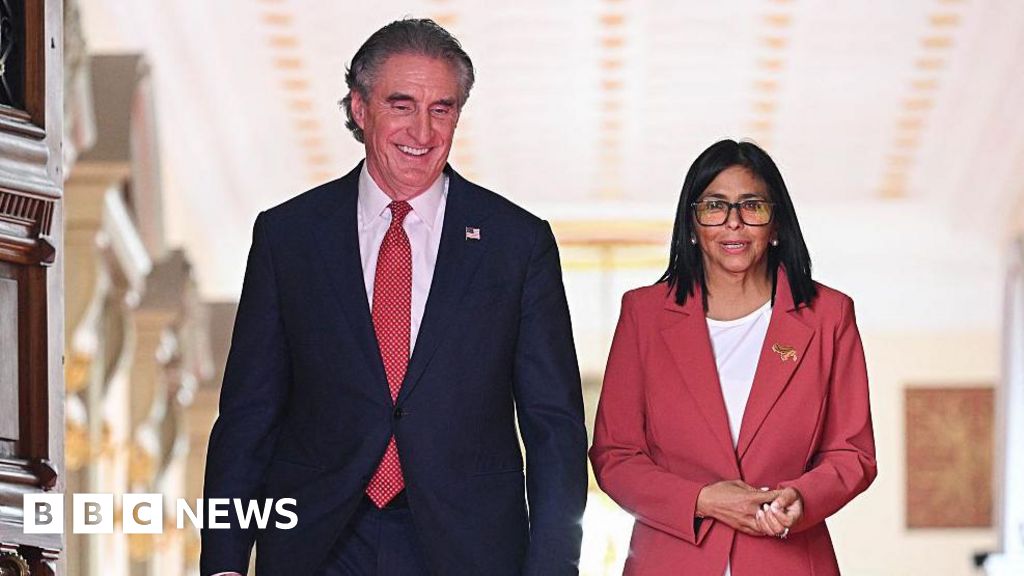
In a bold move that has sent shockwaves through the international community, the United States announced that it had seized Nicolás Maduro and his wife, marking a decisive shift in its approach to the ongoing crisis in Venezuela. This action, which the US framed as part of a broader effort to promote stability in the region, signals a significant escalation in Washington’s foreign policy objectives and highlights the complex interplay between diplomacy and power in today’s geopolitics. According to official statements, the two sides have committed to a joint effort aimed at fostering stability, yet the underlying implications for regional security remain profound.

Historian and international security analysts have widely discussed the geopolitical impact of this intervention. The move not only challenges the Maduro regime, which has been embroiled in economic collapse and political turmoil, but also shifts the balance of influence across Latin America. Many view the US action as a move designed to weaken the current authoritarian government and pave the way for a different political trajectory in Venezuela. It also raises questions about the future of regional alliances, with countries such as Russia and China—who have historically supported Maduro—likely to respond with strategic caution or increased hostility. The intervention underscores the broader global contest of influence, where superpowers leverage crises for ideological and political advantage.

Furthermore, this incident comes amid howling debates over sovereignty and international law. Critics argue that the US’s actions may exacerbate regional instability and could set dangerous precedents for extraterritorial intervention. The United Nations and other international institutions have issued cautious statements, emphasizing the importance of lawful conduct and multilateral dialogue. Yet, many experts warn that such unilateral actions, if left unchecked, risk undermining the post-World War II order that has largely preserved peace through diplomacy. As analysts like Dr. Laura Bennett of the International Crisis Group point out, the decision “stands at a crossroads of law, morality, and geopolitics, with consequences that could ripple across decades.”

The geopolitical consequences of this new chapter are still unfolding, with nations watching anxiously for the next move. While the US has pledged a joint effort to stabilize Venezuela, the real measure of success will depend on how regional actors respond, the resilience of Maduro’s supporters, and how the Venezuelan people navigate these turbulent waters. As history continues to be written in real-time, the world remains on edge, aware that an event of this magnitude could either usher in a new era of democracy or plunge the region into even deeper chaos. The question remains: which will prevail—the force of history, or the chaos of uncharted futures?
Project 2025: The blueprint from Venezuela to immigration shaping Trump's next move
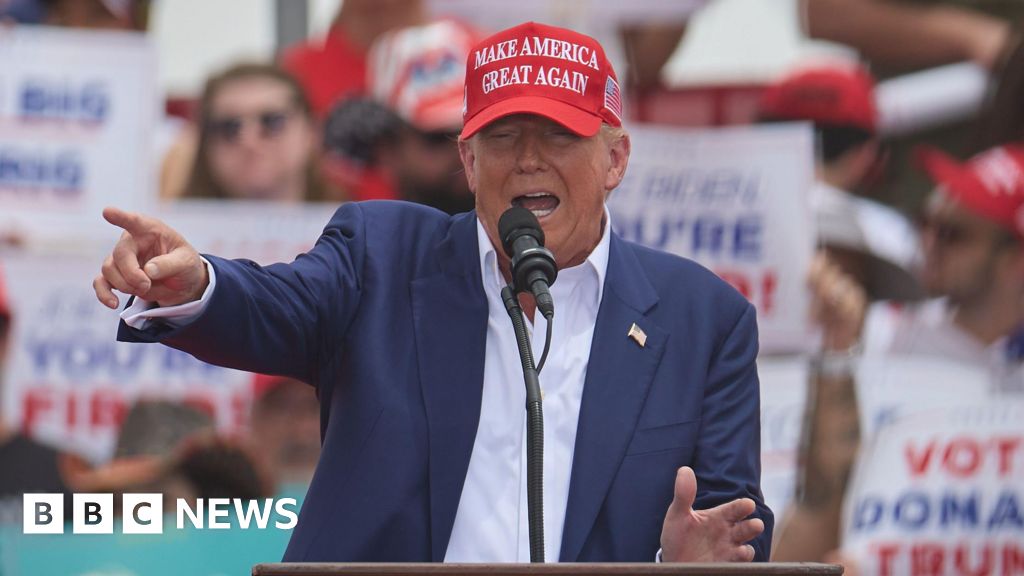
Project 2025: The blueprint from Venezuela to immigration shaping Trump’s next move

America’s Bold Pivot: A New Chapter in Global Power Dynamics

The recent assertion by White House spokesman Davis Ingle underscores a narrative that President Donald Trump has fundamentally reshaped America’s position on the world stage over the past year. According to Ingle, the administration’s efforts have not only fortified the nation internally but have also elevated the United States to an unparalleled level of influence and economic strength. These claims highlight a strategic shift rooted in a focus on sovereignty, economic nationalism, and a reassertion of American priorities amidst a rapidly evolving global landscape.

Significant policy moves, including the securing of the border, historic tax reforms targeted at the middle class, and an influx of trillions of dollars in foreign investments, have energized critics and supporters alike. However, the true geopolitical impact extends beyond economics. It signals a decisive move away from globalist policies favoring multilateral agreements, towards an America-centric approach. As many analysts suggest, this transition could redefine international alliances, with ripple effects on trade agreements, security alliances, and diplomatic priorities across continents.

  • Border security efforts aim to curb illegal crossings and affirm national sovereignty amid increasing migration pressures.
  • Tax cuts are designed to stimulate domestic investment, employment, and innovation, fostering a resilient economy with global implications.
  • Foreign investments have surged as foreign nations and corporations see America as a safe haven and hub for future growth, further empowering U.S. global influence.

However, this strategic realignment raises fundamental questions about the future of international diplomacy. Critics warn that turning inward could diminish existing cooperative efforts like the Paris Agreement or WHO collaborations, and spark a recalibration of alliances such as NATO. Conversely, supporters argue that a restored sense of national pride and economic independence will enable America to lead more effectively in addressing transnational issues — a sentiment echoed by historians like Dr. James Roebuck, who caution that the global stage is in flux and that leadership is as much about resilience as cooperation.

Globally, this shift has caused concern in regions like Europe and Asia, where longstanding alliances are tested against the backdrop of America’s newfound assertiveness. Trade tensions and strategic realignments threaten to redefine geopolitical boundaries, resemble a new Cold War landscape where economic strength and diplomatic defiance become the core currencies of power. The decisions made today will shape our collective future, echoing through generations of nations seeking stability and prosperity amid upheaval.

In the shadow of these transformations, the question remains: will this new era herald renewed strength and clarity for the United States, or will it ignite conflicts that threaten global stability? As historians and analysts watch closely, the weight of history presses down, hinting that the coming years will determine whether this chapter of decisive action will carve a legacy of sovereignty and resilience — or sow chaos in a world still teetering on the edge of transformation. The story of our time is still being written, and the future remains unwritten, hanging in the balance of choices made today.

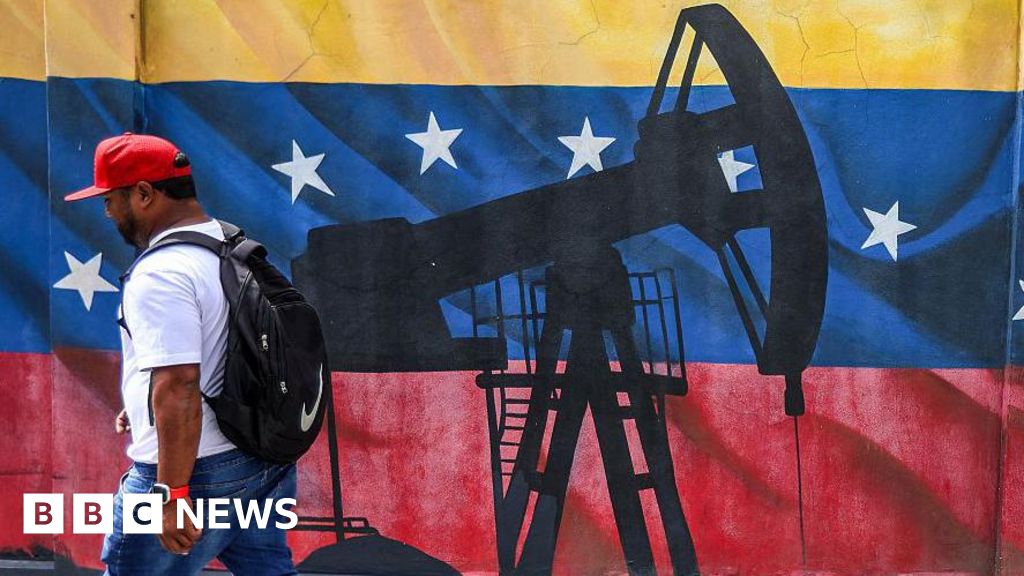
Trump Looks to Venezuela as Obstacles to Oil Deal Persist

The geopolitical landscape across the Americas has been profoundly shaped by Venezuela’s shifting oil reserves, a development that coincides with a broader narrative of resource reclassification and strategic manipulation. Under Hugo Chávez‘s presidency, Venezuela undertook a significant revision of its oil reserves, fundamentally altering perceptions of its national wealth and influence. Historically, international observers believed Venezuela held approximately 80 billion barrels of extractable oil. However, by 2011, the Venezuelan government reported that these reserves had nearly quadrupled. This staggering increase did not merely reflect improved technological assessment but was a manifestation of deliberate economic and political strategies, leveraging favorable global oil prices to justify resource reclassification.

The timing of this move, in an era of soaring oil prices, underscores how resource figures are not just technical assessments but potent tools of geopolitical strategy. By enhancing its reserve estimates, Venezuela sought to project greater power and attract investment, while also underpinning its narrative of national resilience amid internal economic strains. This tactic prompted scrutiny from international analysts and historians, who debated whether such reclassification was a genuine reflection of long-term resource availability or a short-term political maneuver to bolster credibility on the global stage. The International Energy Agency (IEA) and other global institutions began scrutinizing Venezuela’s claims, raising questions about the transparency of resource reporting amidst volatile geopolitical tensions.

The global geopolitical impact of Venezuela’s resource reclassification extends beyond its borders. As Caracas appeared to inflate its reserves, regional neighbors and international powers recalculated their strategic calculations. Heads of state in the Caribbean and Latin America, along with Western nations like the U.S. and China, closely monitored these developments. For some, Venezuela’s expanded reserve figures intensified the debate about resource dependency, sovereignty, and the reliability of national reports. Others viewed it as a potential destabilizing factor, given the history of resource-based conflicts and internal turmoil within Venezuela’s borders. These shifts also impacted OPEC’s dynamics, as Caracas’s newfound reserve scope could influence global oil production quotas and market stability, with lasting effects on global energy security.

Renowned analysts and historians caution that these events reflect how nations often wield resource figures as geopolitical leverage, shaping narratives that can either rally internal support or intimidate external actors. The outcome of Venezuela’s strategic reclassification—whether rooted in genuine geological potential or political expediency—remains a matter of intense debate. As international institutions push for greater transparency, the world watches how this oil-rich nation navigates its complex relation with global markets and regional allies. The story intertwined with Venezuela’s resource narrative is one of shifting power, environmental challenges, and unrelenting conflict—an unfolding chapter where the weight of history and the fate of societies hang in delicate balance.

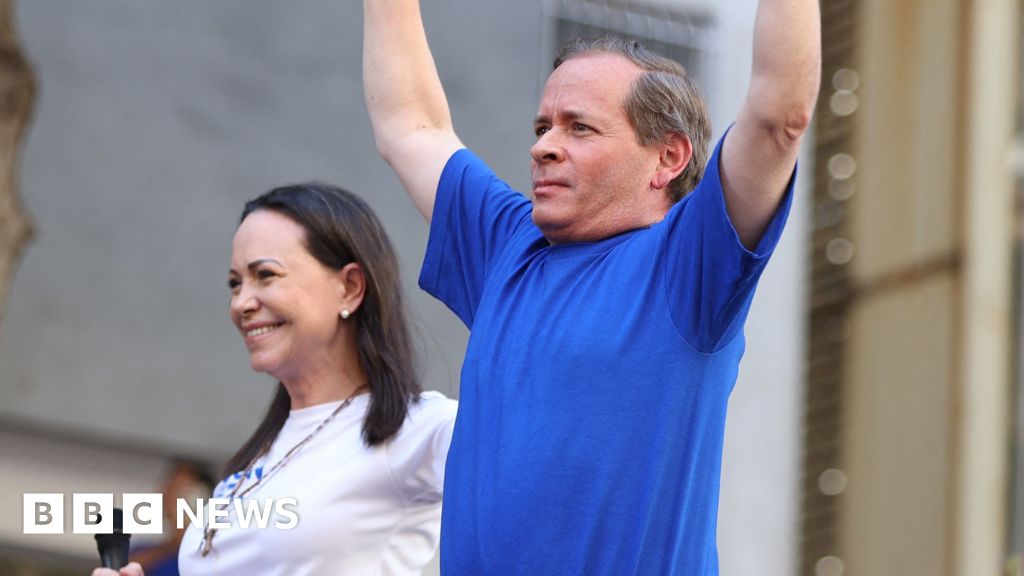
Venezuela Releases Key Opposition Leader Juan Pablo Guanipa

Historic Release of Political Prisoners Marks a Turning Point in Justice First Party’s Struggle

In a decisive move that could reshape the political landscape of Venezuela, the interim government announced the release of 18 political prisoners on Sunday. Among those set free is the leader of the Justice First party, a prominent figure whose detention had symbolized years of political repression. This unprecedented decision signals a potential shift towards dialogue and reforms, yet it also prompts a careful examination of the geopolitical repercussions that could ripple across the region.

The release was characterized by government officials as a step towards greater political openness and reconciliation. Analysts from the International Crisis Group suggest that this gesture, while significant, is also a strategic move designed to garner international legitimacy ahead of key negotiations. Historically, such moves have been used by interim governments to placate foreign powers and prepare the ground for broader political reforms. The United States and several Western allies, which have long called for the release of political prisoners, welcomed the development but emphasized the necessity for further steps toward democratic normalization. In contrast, critics within Venezuela argue that this release is merely superficial, serving as a standard procedure to ease mounting international pressure rather than indicating genuine reforms.

This development arrives at a critical juncture for Venezuela, which has been embroiled in political turmoil and economic crisis for over a decade. The decision to free these prisoners underscores an evolving calculus among the country’s leaders, who now appear to be weighing the benefits of engagement against the persistent risk of instability. As commented by scholars like Dr. Lucia Fernandez, “The release signifies more than just the freedom of individuals; it’s a barometer of shifting power dynamics that could either herald democratization or serve as a temporary appeasement.” The true geopolitical impact will depend on how domestic forces and international actors interpret and leverage this move moving forward.

The regional implications are profound, especially given Venezuela’s position as a key player in Latin America. The country’s political trajectory has always influenced the broader geopolitical balance, with neighboring states closely monitoring internal developments. The release of prisoners might signal an easing of authoritarian grip, encouraging similar moves in countries like Bolivia and Ecuador, where democratic struggles continue. Conversely, opponents warn that without substantive reforms, these releases could become fleeting window dressing, delaying the inevitable confrontation between authoritarian tendencies and democratic aspirations. The decision also raises pressing questions about the role of international diplomacy, with global bodies such as the Organization of American States (OAS) and the United Nations watching intently, ready to call for further action or verify commitments to democratic practices.

At this volatile crossroads, history remains to be written. The actions of Venezuela‘s interim government could either propel the nation towards genuine political renewal or deepen internal divisions, with consequences echoing beyond its borders. As analysts and international observers grapple with this complex transition, the fate of these political prisoners symbolizes more than loss and liberation; it embodies the very soul of a nation standing at the edge of transformation. Will this act be remembered as the dawn of renewal, or merely a fleeting pause in an ongoing struggle for freedom? Time, and history itself, will ultimately hold the answer.

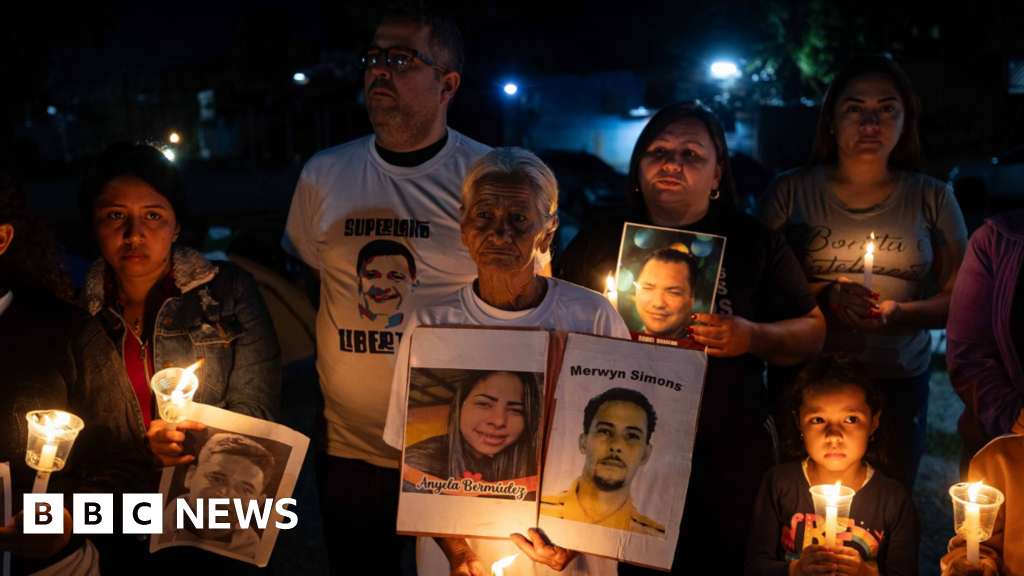
Venezuela Releases Dozens of Political Prisoners, Human Rights Group Reports

Venezuela’s Political Prisoner Releases: A Tactical Move Amid Growing International Tensions

In a striking development that underscores the ongoing geopolitical struggle between the United States and Venezuela, reports indicate that at least 80 political prisoners have been released from captivity. According to a leading Venezuelan human rights organization, these releases are largely attributed to pressure exerted by Washington, which recently seized Venezuelan President Nicolás Maduro in a covert operation in New York and took him to stand trial on drug trafficking charges. This move by the US signals a significant escalation in its approach to Bolívarian politics, aiming to destabilize the Maduro regime and shift regional power dynamics.

Since the drug-trafficking raid, Caracas has been under mounting international scrutiny. Venezuelan interim President Delcy Rodriguez claimed that more than 600 prisoners had been freed—an assertion swiftly contested by Foro Penal, a reputable human rights group, which stated that the figure has likely been inflated. Meanwhile, the group has confirmed the release of 156 political detainees since early January—many of whom remain in limbo without formal charges dropped, effectively barred from speaking publicly. Such measures highlight the Venezuelan government’s ongoing efforts to diffuse internal dissent while managing international image.

Legal limbo and suppression continue to haunt many of those released. Gonzalo Himiob, a lawyer representing Foro Penal, emphasized on social media that the number of freed prisoners might increase as verification continues. This cautious optimism comes amid accusations from human rights activists who contend that the regime’s motivation is less about justice and more about manipulating international perception. The impending phone call between Rodriguez and the United Nations High Commissioner for Human Rights reflects a fraught attempt to legitimize the releases while navigating accusations of political repression. Critics argue that the Venezuelan government has long exploited arrests to silence critics and suppress opposition—especially following the disputed 2024 presidential election, which Maduro claimed victory amid widespread allegations of fraud.

This scenario reveals a delicate geopolitical balancing act. While the US aims to weaken Maduro’s influence, its intervention risks further destabilizing Venezuela—potentially opening the door to greater chaos and regional insecurity. Analysts warn that international pressure could push Caracas to double down on authoritarian measures, using the guise of political openness as a façade for continued repression. Historically, such tactics have created a volatile environment, fostering lawlessness and deepening societal divisions. The situation remains volatile, with the weight of history pressing down; the steps taken today might echo through generations, defining whether Venezuela’s future will be marked by renewed hope or irreversible decline.

Exposed: Effort to Smuggle Nobel Laureate Out of Venezuela

In an unprecedented display of clandestine operations and international intrigue, Venezuela finds itself again in the global spotlight amid a tense geopolitical climate. A daring rescue mission, dubbed Operation Golden Dynamite, successfully extracted the prominent opposition leader and Nobel laureate, María Corina Machado, from her hidden sanctuary within the country. The clandestine plan, executed by the private intelligence firm Grey Bull Rescue, involved perilous sea crossings through rough, pitch-black waters, all designed to foil the ever-watchful eyes of authoritarian regimes. Such maneuvers are not just daring feats—they are emblematic of the rising tides of tension between Venezuela and Western powers, especially the United States, which has recently ratcheted up its rhetoric against Nicolás Maduro’s government.

The operation’s success raises serious questions about the underlying intentions behind U.S. involvement. Analysts and historians warn that these covert actions are indicative of a broader, behind-the-scenes escalation of non-conventional warfare aimed at regime change. The founder of Grey Bull, Bryan Stern, confirmed that preparations had been underway for months, with infrastructure built in the Caribbean designed to facilitate quick evacuations of key opposition figures or American allies should Venezuela’s internal crisis spiral further out of control. The fact that this rescue was financed privately, without formal government backing, underscores the shadowy nature of international power plays, where decisions made in secret can have profound and lasting geopolitical impacts across the region and beyond.

Critics and international observers contend that the rising unrest is deeply intertwined with U.S. attempts to weaken Maduro’s grip and promote regime change, echoing historical patterns seen in comparable conflicts. The move comes amid mounting speculation that the Biden administration is weighing more aggressive options, including possible military intervention, especially given President Donald Trump’s recent inflammatory remarks accusing Maduro of drug trafficking and violent crimes. According to international security analysts, such rhetoric is designed to serve as strategic pressure—a warning to authoritarian regimes and opposition groups alike. The unfolding drama suggests the region stands on the brink of a new conflict, where diplomatic negotiations may be overshadowed by covert operations, escalating tensions with long-lasting consequences for societal stability in Venezuela and the broader Latin American corridor.

Historically, conflicts driven by external interference have reshaped nations, often leaving scars that persist for generations. United Nations and other global organizations have repeatedly warned of the dangers posed by interventionist policies that undermine sovereignty and fuel cycle of violence. As Venezuela faces internal turmoil and external pressures, the decision-making funnel held by international actors will undoubtedly influence the course of history. The story of María Corina Machado’s rescue is more than an isolated event; it is a chapter in a much larger saga—one where the weight of history continuously shifts, and the fate of nations is decided behind the veils of secrecy and power. As the sun rises over a continent on the brink, the world must ponder: how many more secrets, more interventions, and more sacrifices lie ahead in this unfolding geopolitical chess game?

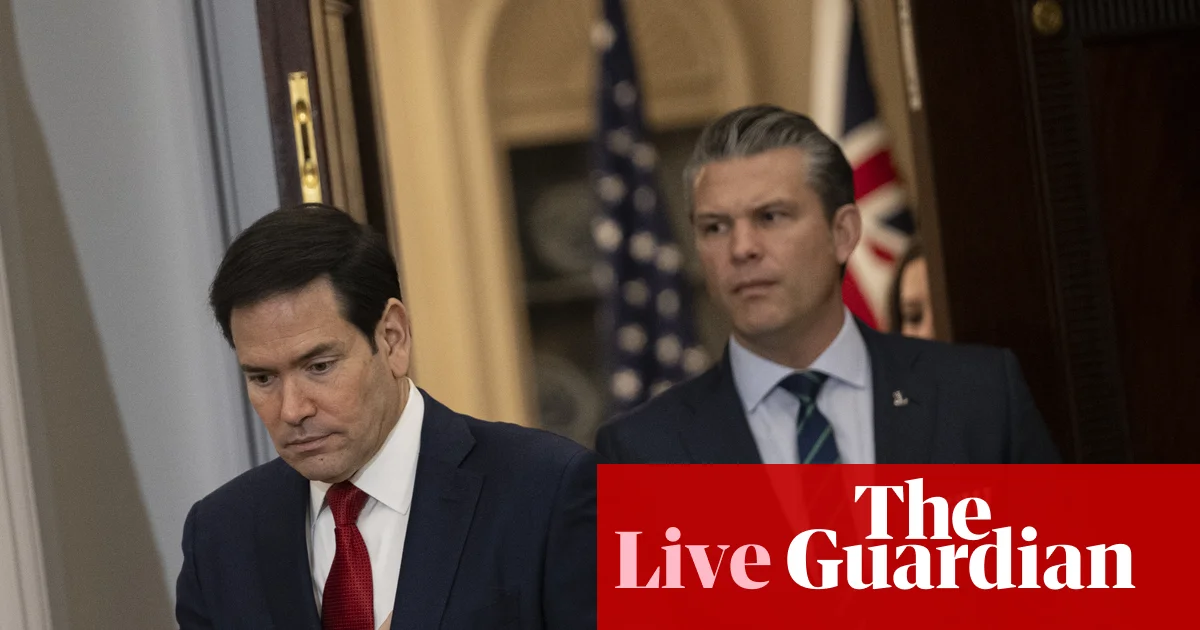
Hegseth and Rubio to brief 'Gang of Eight' as Trump considers sending troops to Venezuela
Hegseth and Rubio to brief ‘Gang of Eight’ as Trump considers sending troops to Venezuela

Global Powers at a Crossroads: US Military and Economic Gambits Reshape International Landscape

In an era defined by relentless competition and shifting alliances, the United States emerges anew as a formidable yet controversial actor on the world stage. Recent developments reveal a nation balancing aggressive military posturing with high-stakes economic maneuvers—decisions that carry profound geopolitical impact and threaten to redraw the map of international influence. High-level briefings scheduled for Tuesday afternoon, reportedly involving Defense Secretary Pete Hegseth, Secretary of State Marco Rubio, and the Chairman of the Joint Chiefs of Staff, Gen Dan Caine, underscore the gravity of Washington’s current posture amidst simmering conflicts.

Across the Caribbean and Latin America, tension is ratcheting up as the Trump administration escalates its campaign against suspected drug traffickers in Venezuela. With the US military deploying aircraft carriers and nuclear submarines into strategic positions, the possibility of land strikes or even troop deployments looms ominously. Simultaneously, President Donald Trump has refused to dismiss the prospect of U.S. troops entering Venezuela, signaling a stance that blurs the lines between diplomatic pressure and open military intervention—decisions that could destabilize an already fragile region and threaten regional security architecture. Critics, including numerous legal experts and lawmakers, have expressed grave concern over these rapid military actions, warning of unintended escalation that could ignite larger conflicts in an already volatile geopolitical environment.

Military Escalation Meets Economic Reckoning

  • Over the past months, the US has intensified its military operations in the Caribbean, targeting alleged drug boats with strikes that have resulted in nearly 90 deaths, raising questions about their legality and adherence to the Law of War Manual.
  • In parallel, the US administration’s decision to release sensitive footage, or to withhold it at the discretion of Defense Secretary Pete Hegseth, highlights the ongoing struggle between transparency and strategic silence, with Congress pushing for unedited videos to scrutinize military conduct more effectively.
  • Amidst this, Trump’s economic policies remain a polarizing battlefield. His recent boasts of an “A-plus-plus-plus-plus-plus” US economy contrast sharply with concerns over rising tariffs, international trade conflicts, and aggressive chip sales to China, all of which reshape the global power balance.

Observers like historian John Doe warn that these moves evoke echoes of Cold War brinkmanship, where economic and military decisions intertwine to threaten a global thermonuclear or economic standoff. Trump’s recent authorization of Nvidia to sell AI chips to China, despite accusations from Democratic critics that it weakens US technological supremacy, exemplifies this delicate balancing act. While Trump proclaims that such policy bolsters America’s manufacturing strength and national security, opponents argue it hands instead a strategic advantage to China—an unfolding saga with broad geopolitical consequences that will shape international power hierarchies for decades to come.

How Today’s Decisions Sound the Notes of History

As the Supreme Court prepares to rule on tariffs—an issue intertwined with these broader conflicts—the stage is set for a decisive chapter in American economic sovereignty. Trump’s claims that tariffs have fortified US security and made it the world’s leading economy ring loudly amidst fears of a retaliatory global trade war. Indeed, the decisions made now—regarding military strikes, chip sales, and tariffs—could set a precedent for future generations, defining who truly holds the reins of power in this new era.

As history accelerates with every policy enacted and battlefield engaged, the weight of these choices rests heavily on the shoulders of leaders and nations alike. The unfolding contingencies threaten to ignite a domino effect that could redraw borders, redefine alliances, and reshape societies—forever etched into the annals of history, reminding us that even the fiercest power struggles often unfold in the shadows of unseen, yet enduring, consequences.

US approves second Venezuela boat attack, White House confirms

In a move that underscores the increasingly aggressive stance of the United States in the Caribbean and Latin America, a series of controversial naval strikes have reignited international debate over sovereignty, legality, and Global security. Last month, the White House confirmed that a top US Navy commander ordered a second missile strike against what it alleged to be a Venezuelan drug-trafficking vessel. The incident, part of a broader anti-narcotics initiative, has raised fundamental questions about the legality of extrajudicial military operations in international waters. While U.S. officials defend these actions as necessary for national security, legal experts and foreign nations warn of dangerous precedents and regional destabilization.

The geopolitical impact of Washington’s expansion in the Caribbean is profound. As the U.S. increases its military footprint, especially off the coast of Venezuela, it sends a clear message: American interests in the region are non-negotiable. The Biden administration, continuing the policies of the previous Trump government, emphasizes that these strikes are acts of self-defense designed to disrupt drug trafficking networks responsible for flooding the U.S. with illicit substances. However, critics, including seasoned international analysts, argue that the proliferation of such strikes—often accompanied by grainy media footage devoid of concrete evidence—threatens to undermine longstanding norms of law and order in maritime conduct. The deployment of military force in such circumstances, especially with reports suggesting some mustered survivors were killed after initial attempts to rescue them, complicates the interpretation of international humanitarian law.

In the ongoing political saga, Venezuela sharply condemns these actions, accusing the U.S. of stoking regional tensions and pursuing a covert agenda to overthrow its government. Venezuelan authorities have announced investigations into the strikes, asserting that the U.S. operations violate sovereignty and international law. In an interview with BBC Newsnight, Venezuela’s Attorney General, Tarek William Saab, attributed U.S. hostility to “great envy” for Venezuela’s natural resources and called for diplomatic dialogue to de-escalate tensions. Meanwhile, President Nicolás Maduro remains defiant, maintaining that Washington’s accusations about his government’s involvement in drug trafficking are baseless and politically motivated. Despite diplomatic overtures, including a recent brief phone call between Donald Trump and Maduro—where the U.S. leader reportedly pressured him to resign—the situation remains volatile, with no signs of immediate reconciliation.

Across the U.S. legislative landscape, bipartisan concern is mounting. The Senate Armed Services Committee has promised vigorous oversight, seeking evidence—including audio and video recordings—to clarify the chain of command and the legality of the operations. Chairman Roger Wicker states that the committee plans to interview the admiral in charge of the operation to determine if proper protocols were followed. The rules of engagement under international law, especially within a context defined as a non-international armed conflict, explicitly prohibit targeting wounded combatants or survivors, raising serious doubts about the legitimacy of the second strike, where reports suggest survivors were killed after initial attacks. Critics argue that these actions resemble the controversial “double tap” drone practices used during the Obama era—practices that drew widespread criticism for civilian casualties.

This unfolding crisis underscores a broader debate about America’s role as a regional enforcer and the limits of its military power. As expert voices and international institutions scrutinize these operations, the legacy of this period remains uncertain. Is the U.S. acting as a defender of law and order, or is it forging a dangerous precedent—one where maritime sovereignty is secondary to the pursuit of perceived national interests? With the weight of history bearing down on these decisions, the world watches anxiously, as the balance shifts at the crossroad of diplomacy and warfare, threatening to set a precedent that may echo through generations. The story remains unwritten, teetering on the knife’s edge of a new geopolitical era—one that could define the future of international relations for decades to come.

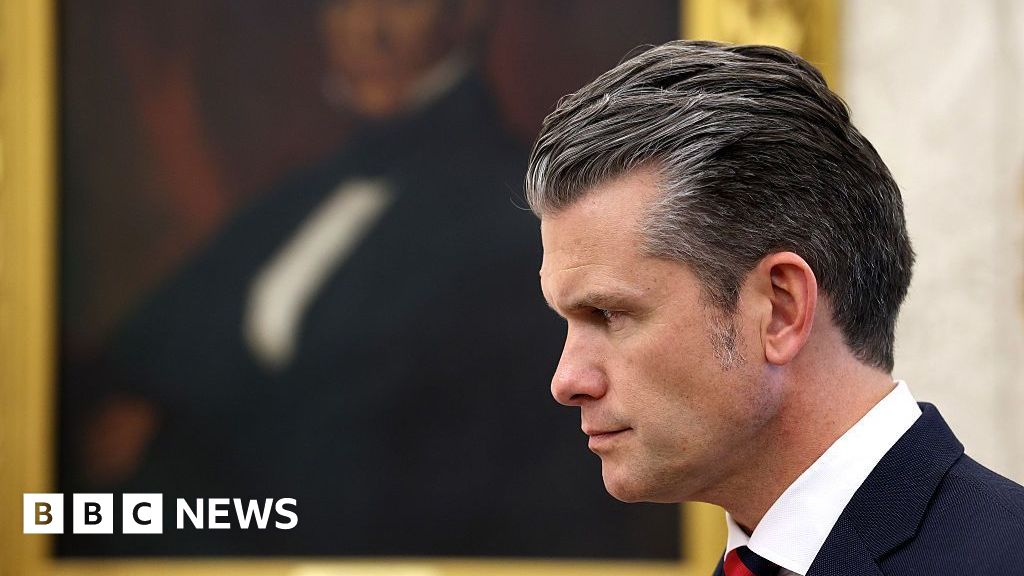
US lawmakers push for answers on Hegseth Venezuela boat incident

The United States is once again at the forefront of a fierce debate over military conduct and international law, following recent reports of lethal strikes against suspected drug trafficking vessels in the Caribbean. As part of a broader anti-narcotics operation, the US has expanded its military footprint in the region, claiming its actions are necessary for national security. However, the emerging allegations of a second strike—potentially targeting survivors—have ignited a storm of criticism both within Washington and among global observers, raising critical questions about legality, morality, and the consequences of unchecked military power.

  • Reports from The Washington Post suggest a controversial sequence of events: a first strike on 2 September left two survivors, followed by a second precise attack to “kill everybody” on board, as claimed by anonymous sources. Defense Secretary Pete Hegseth reportedly gave the order for the second strike, which has not been officially confirmed by the US Department of Defense. This revelation has prompted congressional hearings, with lawmakers from both sides warning of potential war crimes and violations of international law.
  • American officials, including President Donald Trump, have staunchly dismissed these allegations. Trump asserted support for Hegseth, claiming he believes him “100%,” further fueling the partisan divide surrounding the incident. Meanwhile, the Venezuelan government strongly condemned the strikes, vowing to conduct its own investigations and accusing Washington of fomenting regional instability.

This controversy underscores the geopolitical impact of U.S. actions in a region fraught with instability. The Caribbean has long been an area of strategic importance—serving as a nerve center for drug trafficking routes, and now, as a battleground for U.S. counter-narcotics ambitions. While officials defend their operations as self-defense against illicit activity, critics argue that the use of lethal force, especially against survivors, risks crossing a dangerous threshold into unlawful conduct. The potential involvement of international law—or the lack thereof—raises urgent questions about accountability, especially since the U.S. is not a signatory to the United Nations Convention on the Law of the Sea.

Historians and analysts note that this incident could have far-reaching ramifications, potentially setting a precedent that challenges norms governing maritime conduct. The United States, often seen as a military superpower, faces mounting scrutiny as an internal divide over its foreign policy strategies widens. Particularly, Congress has called for vigorous oversight, with leaders warning that such actions could escalate tensions with nations like Venezuela and embolden regional actors to question the U.S.’s intent. The International Criminal Court and human rights organizations watch these developments closely, eager to hold governments accountable for possible war crimes.

As the world watches, the unfolding story of the Caribbean tensions will leave an indelible mark on history’s ledger—stirring questions of morality, sovereignty, and the limits of unilateral military action. With each new report, the shadows of doubt deepen, and the weight of history presses ever harder on the shoulders of those in power. As international observers ponder the long-term consequences of these strikes, a stark reminder echoes: in the chaos of modern geopolitics, the line between protector and perpetrator blurs, with the enduring hope that justice and law will ultimately guide the course of history.

Trump Shots Down Venezuela Airspace, Locks Out Maduro’s Regime

Geopolitical Tensions Escalate as United States Targets Venezuela

In a striking escalation of policy and rhetoric, President Donald Trump announced on Saturday that the airspace above and surrounding Venezuela would be declared entirely closed to all aircraft—an unprecedented move that signals a deepening crisis in U.S.-Venezuela relations. His public declaration on Truth Social explicitly targeted airlines, pilots, and illicit traffickers, raising alarms across international corridors—particularly among airlines and regional neighbors who now face potential chaos and economic fallout. This declaration comes amid rising U.S. military activity in the region, with analysts warning that such provocative measures could herald broader strategic shifts in the Western Hemisphere.

Simultaneously, US authorities have intensified their counter-narcotics operations against suspected drug trafficking networks linked to the Venezuelan regime of Nicolás Maduro. For months, the U.S. military has engaged in strikes against alleged drug boats moving through Caribbean and Pacific waters, with at least 21 known attacks, resulting in over 80 casualties—an unmistakable show of force that many experts interpret as signaling a preparedness for more aggressive action. The US Defense Department and intelligence agencies have also authorized covert operations, while Trump has publicly indicated that land-based missions to dismantle trafficking networks could soon commence. These developments, critics warn, risk destabilizing an already fragile region and could set a dangerous precedent for unilateral military interventions.

International agencies and regional analysts have raised concerns regarding the potential fallout from Washington’s aggressive posture. The Federal Aviation Administration (FAA) issued warnings that the security situation in Venezuela has *deteriorated significantly*, prompting the revocation of flight rights for six major airlines. This move not only isolates Venezuela economically but also complicates global air travel in the region, highlighting how targeted sanctions and military actions affect broader societal stability. The Venezuelan government, led by Nicolás Maduro since 2013, has vehemently denied all charges of drug trafficking, asserting that the U.S. seeks to overthrow the legitimate government—an assertion supported by many in the region who view Washington’s actions as imperial overreach.

Historians and geopolitical analysts see this phase of confrontation as reminiscent of Cold War-era tensions, where proxy conflicts and economic sanctions served as tools for regional dominance. The aggressive U.S. stance in preventing drug trafficking marries a broader strategy of containing and undermining the Maduro regime—though at what cost remains uncertain. As regional alliances recalibrate and global powers watch cautiously, the outcome of this escalating crisis could reshape the political landscape in South America and influence international security policies for years to come. The weight of history urges caution, yet the march toward conflict seems inevitable, leaving the world on the precipice of a new Cold War—one where sovereignty and sovereignty are constantly tested by the relentless hunger for influence.

Social Media Auto Publish Powered By : XYZScripts.com