Matox News

Truth Over Trends, always!

Over 1,500 Venezuelan Political Prisoners Seek Amnesty—A Bold Step Forward

The recent announcement by the head of Venezuela’s National Assembly marks a pivotal moment in the ongoing political upheaval within the nation. This statement, issued amidst intense pressure from the United States, follows the controversial capture of ex-President Nicolás Maduro, heightening tensions across the unpredictable landscape of Latin American geopolitics. The move underscores a complex interplay of domestic resistance and international intervention, with broad implications for regional stability.

Historical analysts and international observers underscore that the situation in Venezuela is at a critical turning point. The international community, led by the US, perceives the current crisis as an opportunity to reshape Venezuela’s leadership, driven by strategic interests ranging from oil security to regional dominance. The US-backed push to challenge Maduro’s authority echoes a persistent policy aimed at displacing what Washington considers a destabilizing regime, fostering a climate of uncertainty that resonates far beyond Latin America’s borders. Experts warn that such actions risk destabilizing not only Venezuela but also the broader geopolitical balance in the Western Hemisphere, where historically fragile alliances are tested.

Amid this turbulent backdrop, global institutions such as the United Nations and regional bodies like the Organization of American States face mounting pressure to take sides. While some advocate for diplomatic resolution and respect for Venezuela’s sovereignty, others call for decisive intervention, seeing the current chaos as a vulnerability that could be exploited by external actors. Such decisions are fraught with risk, as they could either usher in a new era of stability or plunge the nation—and possibly the continent—into further unrest. Meanwhile, Venezuelan society, polarized and strained, watches closely, vulnerable to the ripple effects of international machinations. The country, heavily dependent on oil exports, finds its economic and social fabric fraying further as the global powers contend for influence over its future.

Historically, upheavals of this magnitude have served as warnings about the high costs of external intervention and internal neglect. International organizations and independent analysts emphasize the importance of sovereignty and sustainable political solutions over short-term power plays. Nevertheless, the momentum from US pressures and the ongoing detention of Maduro cast a long shadow over Venezuela’s stability, turning the nation into a symbol of broader geopolitical struggle. As the world watches, history appears poised to record whether this crisis becomes a turning point toward renewed democracy or a descent into chaos—a warning tale in the making, where decisions made in distant boardrooms and capitals will inevitably determine the fate of millions. And as the echoes of this moment reverberate across time, one thing remains clear: the unfolding chapters of Venezuela’s future will be watched with bated breath, for history itself is at a crossroads, waiting to be written.
Rising Calls to Free Venezuelan Political Prisoners Highlight Urgent Need for Justice

Venezuela’s Prisoner Release: A Sign of Shifting Political Tides or Strategic Gesture?

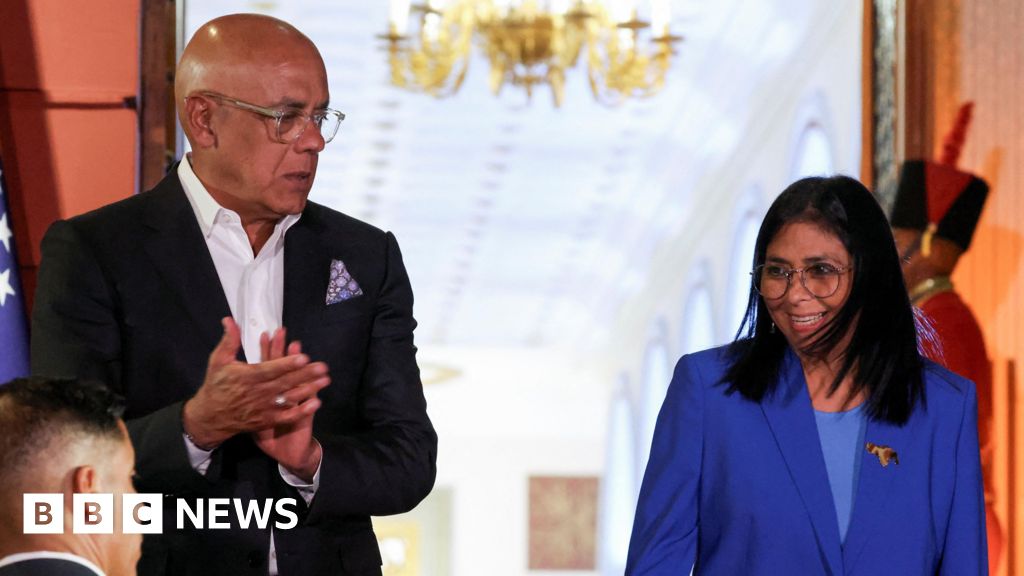
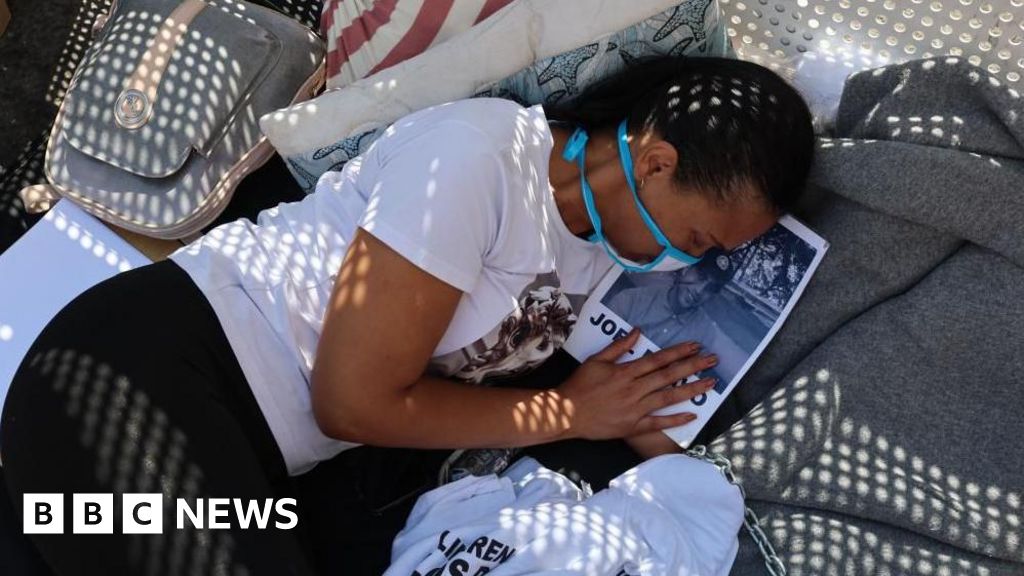
Since 8 January, a dedicated vigil has been underway outside a Venezuelan police detention facility, marking a significant development in the ongoing political saga that continues to shape the fate of this turbulent nation. The initiative was announced by Jorge Rodríguez, the head of the Venezuelan National Assembly, who declared that “a significant number” of prisoners would be freed as a *”goodwill gesture”* aimed at demonstrating the *”interim government’s*” desire for *”peace”*. This move, hailed by some as a step toward reconciliation, has resonated within the broader context of Venezuela’s ongoing political crisis, highlighting how decisions on prisoners and political concessions carry far-reaching geopolitical implications.

From an international perspective, this gesture comes amid escalating tensions involving various national and global actors who are keenly observing whether Venezuela’s internal disputes will give way to genuine reform or simply serve as a temporary façade. Russia and China, long-standing allies of President Nicolás Maduro, have supported the status quo, emphasizing stability and sovereignty. Conversely, Western nations, led by the United States, continue to press for democratic reforms and human rights improvements, often framing such prisoner releases as *”initial steps”* within a broader strategy. Analysts, referencing reports from organizations like the United Nations, warn that “such gestures must be accompanied by comprehensive political dialogue” to avoid superficial demonstrations that fail to address deeper systemic issues.

Within Venezuela, the move reflects a complex interplay of domestic and international pressures. Supporters see it as a *”glimmer of hope”* amid persistent economic hardship and political repression, while critics argue that these releases are merely tactical, aimed at softening international criticism while maintaining control. For historians and political analysts, this event underscores a crucial *”turning point”* — a test of the interim government’s sincerity and the resilience of opposition forces. As globally renowned analyst Michael C. Doyle points out, \u201Cthe decision to free prisoners is a calculated step, but it’s also a reflection of a power struggle where concessions are often less about principle than strategic positioning.\u201d This reflects a broader trend seen in complex sovereign crises: concessions are carefully negotiated to preserve core interests while projecting an image of reform.

For the international community, the significance of such decisions cannot be understated. How Venezuela’s internal machinations play out directly impacts regional stability in Latin America, influences global energy strategies, and tests the mettle of multilateral institutions tasked with promoting peace and democracy. As nations watch with cautious optimism and guarded skepticism, the unfolding narrative remains a stark reminder: the sands of history are shifting, but the outcome remains uncertain. Will this gesture of goodwill herald a genuine shift toward peace or become another chapter in a long-standing game of geopolitical chess? The world waits, apprehensively aware that the outcome of events in Venezuela could ignite or quench hopes for a more stable and just hemisphere.

US seizes Venezuelan oil tanker, Trump calls it a win for America

US Seizes Venezuelan Oil Tanker in Bold Show of Force

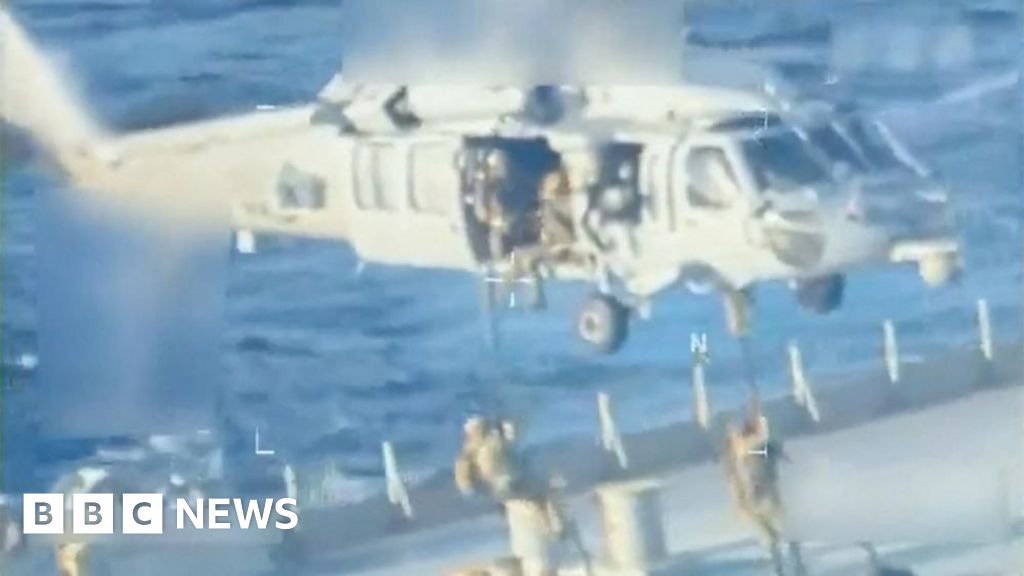
The recent interception of a Venezuelan oil tanker by U.S. forces off the coast of Venezuela signals a significant escalation in the ongoing confrontation between Washington and Caracas. President Donald Trump announced the operation, claiming the vessel was the largest ever seized and was involved in transporting sanctioned oil linked to Iran. This move, under the pretext of cracking down on illegal oil smuggling supporting foreign terrorist organizations, underscores the U.S. administration’s relentless attempt to exert economic and military pressure on the Maduro government. The seizure was a coordinated effort involving multiple agencies, including the FBI, Coast Guard, Department of Defense, and Homeland Security, utilizing assets like the USS Gerald Ford, the world’s largest aircraft carrier, deployed to the Caribbean last month.

Venezuela swiftly condemned the seizure as an act of international piracy, with President Nicolás Maduro asserting that his nation would never accept becoming an “oil colony.” These exchanges are but the latest chapters in a broader geopolitical chess game where Venezuela’s vast oil reserves make it a crucial resource prize for global powers. Historically, analysts warn that such aggressive maneuvers threaten to destabilize regional security and fuel further conflicts, especially as oil prices respond to fears of supply disruptions. The seizure has already impacted global markets, pushing Brent crude prices higher amidst speculation of increased volume restrictions and risks for maritime shippers in the region.

From Sanctions to Seizures: U.S. Strategy and Global Repercussions

The Trump administration’s rejection of Maduro’s government has taken a decidedly aggressive tone, rooted in accusations that Caracas traffics narcotics into the United States. These claims bolster Washington’s narrative of a corrupt regime hell-bent on undermining regional stability. Meanwhile, Venezuela charges that the United States is seeking to loot their resource wealth. Such accusations reflect a broader struggle over resource control, with international organizations warning of the dangerous precedence set by unilateral military actions in sovereign waters. Historians like William Blackstone have long argued that the extension of maritime force outside traditional frameworks risks igniting larger conflicts, a warning that now resonates as the world watches a new proxy battleground unfold in the Caribbean.

  • The seizure involved a vessel named Skipper, reportedly flagged under Guyana but accused of falsifying its registry, raising questions about transparency and legality.
  • Diplomatic protests erupted from Venezuela, condemning the operation as a breach of sovereignty, with Interior Minister Diosdado Cabello branding the U.S. as “pirates”.
  • U.S. officials claim that the operation was aimed at disrupting illicit networks supporting hostile regimes and terrorist groups like Hezbollah and the Quds Force.

Amidst these tensions, President Maduro’s wry response at a rally—singing “Don’t worry, be happy”—underscored the fraught state of U.S.-Venezuela relations. His statement further highlights how diplomacy has become a battlefield of rhetoric, with Caracas viewing American military mobilizations as an infringement on its sovereignty. As the Caribbean becomes a chessboard for geopolitical influence, military buildups and covert operations threaten to ignite a broader regional conflict, with unpredictable global consequences. The world is now witnessing a pivotal moment: a clash over resources, sovereignty, and ideology, where history is not merely being written but forcibly reshaped in real time, leaving nations to grapple with the fallout of decisions that could echo for generations to come.

US slams 'vile' death of Venezuelan opposition leader in custody
US slams ‘vile’ death of Venezuelan opposition leader in custody

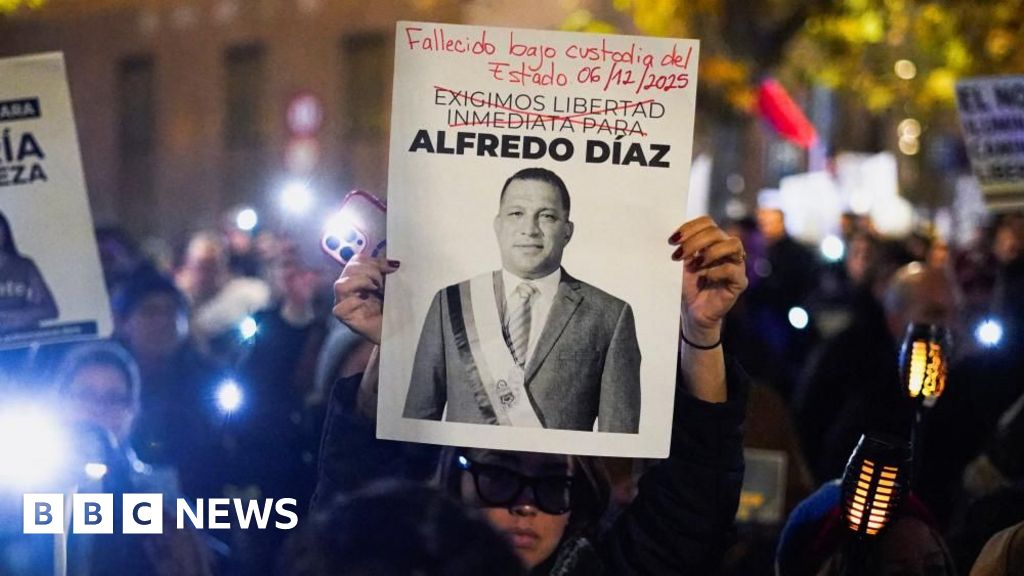
The recent death of Alfredo Díaz, a prominent opposition figure in VENEZUELA, has ignited a fresh international wave of controversy, exposing the fragile state of human rights and political stability in the country. Díaz, detained in the infamous El Helicoide prison for more than a year, was claimed by the Venezuelan government to have died from a heart attack; however, numerous human rights organizations and opposition groups allege that his death is indicative of ongoing political repression and torture. The death comes at a time of heightened tensions between VENEZUELA and the United States, further complicating the geopolitical landscape of the Caribbean and Latin America.

  • The US has condemned the Maduro regime, describing Díaz’s death as a “vile reminder” of Venezuelan authoritarianism.
  • Washington accuses VICE PRESIDENT NICOLÁS MADURO of wielding a brutal “torture center” and arbitrarily detaining opposition figures.
  • Meanwhile, US military maneuvers—including increased naval deployments and deadly strikes on vessels alleged to be involved in drug smuggling—underscore a significant shift in regional power dynamics.

Senior analysts and international bodies warn that these developments represent a critical turning point in US-Latin America relations. The US administration, under President Donald Trump, has escalated military and political pressure, alleging that Maduro himself is involved in drug trafficking, even going so far as to label Venezuelan drug cartels as terrorist organizations. This aligns with long-standing US efforts to justify intervention on the pretext of anti-drug initiatives—despite widespread skepticism among experts, including those from the United Nations and regional think tanks, who view these tactics as thinly veiled attempts at regime change.

Historically, VENEZUELA has been a nexus of geopolitical contention, with its vast oil reserves positioning it as a critical piece in regional and global strategic calculations. The recent political upheaval—sparked by disputed elections in 2024, which the opposition claims were neither free nor fair—has only deepened the crisis. Opposition leader María Corina Machado warned that Díaz’s death is not isolated but representative of ongoing repression targeting democracy itself, emphasizing that “another political prisoner has died in Venezuelan jails.” Such narratives have served to rally international condemnation and bolster opposition pressures, further isolating Maduro’s government on the world stage.

The U.S. response has been both diplomatic and military, with officials openly accusing Maduro of “emptying his prisons into the U.S.” and directly linking him to drug cartels. Meanwhile, regional actors like Colombia’s President Gustavo Petro have criticized Washington’s military interventions, claiming they seek to “dominate” Latin America’s sovereignty. The deployment of the largest U.S. naval fleet in decades signals a clear message: the American sphere of influence—once considered waning—remains committed to shaping the future of this troubled region. As the Venezuelan army mobilizes thousands in response to what it calls US “threats,” the potential for open conflict looms, echoing the turbulent history of Cold War proxy struggles and regional Cold War realignments.

As the international community watches with bated breath, the fate of VENEZUELA hangs precariously in the balance. The resumption of diplomatic ties—like the agreement between Maduro and Recep Tayyip Erdogan to revive Turkish Airlines flights—offers a fleeting glimpse of normalcy, yet beneath this veneer, geopolitical forces continue their relentless march. The weight of history presses down on this volatile crossroads, and the coming days may witness a shift that defines generations. For in the corridors of global power, the decisions made today will echo through the ages, shaping the destiny of nations caught in the relentless tide of revolution, repression, and struggle for sovereignty.

Trump urges airlines to treat Venezuelan airspace as closed territory

Intensifying US-Venezuela Conflict Signals a Turning Point in Latin American Stability

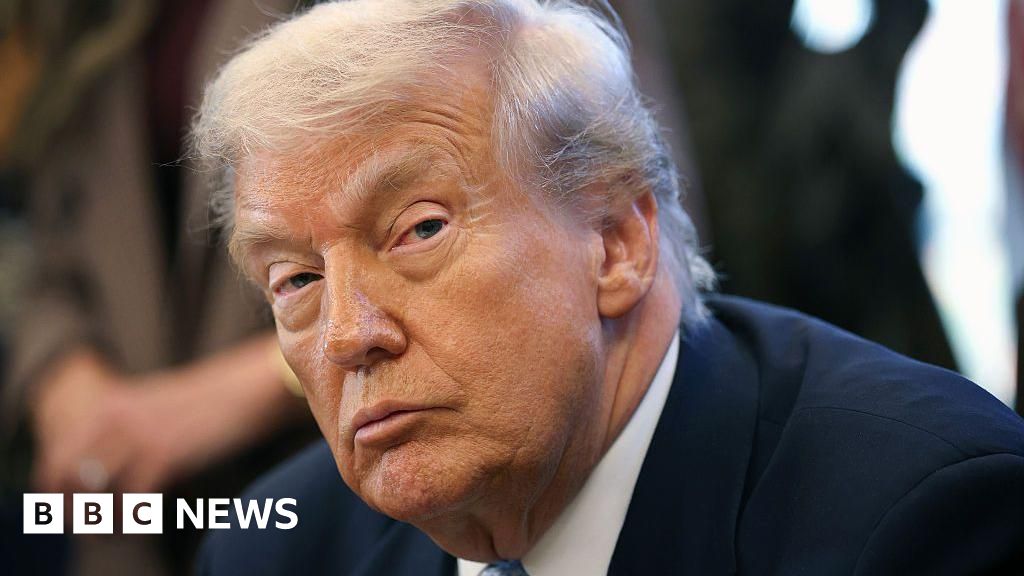
Amid escalating tensions in Venezuela, President Donald Trump has recently issued a provocative statement: he declared the airspace around the South American nation as “closed in its entirety.” While technically this edict has no legal standing—since the United States cannot unilaterally close foreign sovereign airspace—the implications are profound. The announcement aims to create travel and operational uncertainties for airlines, drug traffickers, and human traffickers alike—effectively escalating a diplomatic confrontation that many analysts warn could spiral into a regional crisis.

This rhetoric is unfolding amidst an active build-up of US military forces in the Caribbean, including the deployment of the USS Gerald Ford aircraft carrier and approximately 15,000 troops— the largest post-[Panama invasion](https://en.wikipedia.org/wiki/United_States_invasion_of_Panama)_ since 1989. The Biden administration insists these measures are geared toward combating drug trafficking, a perennial bogeyman used to justify interventionist policies. Meanwhile, President Nicolás Maduro dismisses US claims of drug trafficking and political subversion, framing the intensified military presence as an attempt at regime change. Historians and international observers note that US actions in Venezuela echo Cold War-era interventions, aiming to install geopolitical sway over the resource-rich nation, and threaten to destabilize the entire region.

Venezuela’s Response and International Ramifications

On Wednesday, Venezuela responded by banning six major international airlines, including Iberia, TAP Portugal, and Turkish Airlines, after they failed to meet flight resumption deadlines. The move reflects an assertion of sovereignty amid increased US pressure. The Federal Aviation Administration (FAA) also issued warnings about “heightened military activity,” further complicating regional stability. This dual escalation—military deployments and airspace threats—resonates with a broader international concern about a possible renewed geopolitical chessboard in Latin America. The confrontational stance risks a broader destabilization that could have ripple effects across neighboring countries, particularly those vulnerable to US influence and regional alliances.

Adding fuel to the fire, the US government has designated Venezuela’s alleged Cartel de los Soles as a foreign terrorist organization. The move grants US agencies enhanced powers to dismantle what it claims is Maduro’s financial backbone, effectively criminalizing much of Venezuela’s political and military leadership. Venezuela vehemently rejects the designation, asserting it’s a politically motivated label aimed at undermining the government. Many international law experts warn that policies branding entire organizations as terrorists are often used to justify aggressive military and economic actions, further polarizing the conflict.

Implications for Global and Regional Stability

The unfolding events in Venezuela have wide-reaching geopolitical impact, especially as major powers and regional actors navigate the delicate balance of influence and sovereignty. Some analysts see the US-led military build-up as a return to interventionist tactics reminiscent of Cold War geopolitics, with Latin America once again becoming a battleground for superpower interests. The Venezuelan crisis serves as a wake-up call—how the international community responds now will define regional stability for decades to come. The shadow of history looms large, reminding the world that the unfolding drama in Caracas may yet reshape the contours of sovereignty, freedom, and conflict—leaving a legacy where the true implications of today’s decisions will be etched indelibly into history’s fabric.

Venezuelan Fishermen Fear for Safety as U.S. Strikes Hit Caribbean Boats

Shifting Tides: The US-Caribbean-Venezuela Geopolitical Crisis

The Caribbean, long a nexus of geopolitics and maritime strategic interests, has recently ignited a new chapter of tension as the United States escalates its military activity in waters adjacent to Venezuela. The deployment of warships, fighter jets, submarines, and thousands of troops signals not just a routine antinarcotics campaign but a profound shift in international diplomacy and regional stability. US officials claim their operations target “narco-terrorists” linked to the Maduro government, while critics argue that these actions threaten to destabilize an already fragile society and undermine sovereignty. Historians specializing in Latin American geopolitics highlight that such military interventions confront decades-old regional skepticism of US influence, fueling narratives of imperial overreach and provoking mass resistance among Venezuelan citizens.

  • Since last month, at least six strikes have been launched against vessels suspected of drug trafficking, resulting in the deaths of at least 27 individuals, though the US claims that the vessels originated from Venezuela.
  • President Donald Trump has publicly considered initiating strikes on Venezuelan soil and has sanctioned a $50 million reward for the capture of Nicolás Maduro, accusing him of leading the infamous Cartel of the Suns. Maduro dismisses these allegations as a “slanderous campaign,” framing US actions as part of a broader strategy to topple his government and reassert dominance over Latin America’s resource-rich territories.
  • Venezuela’s leadership, including President Maduro and Defense Minister General Vladimir Padrino, warns of serious threats ranging from aerial bombings to sabotage, signaling an era of escalating confrontation that could ignite the region at any moment.

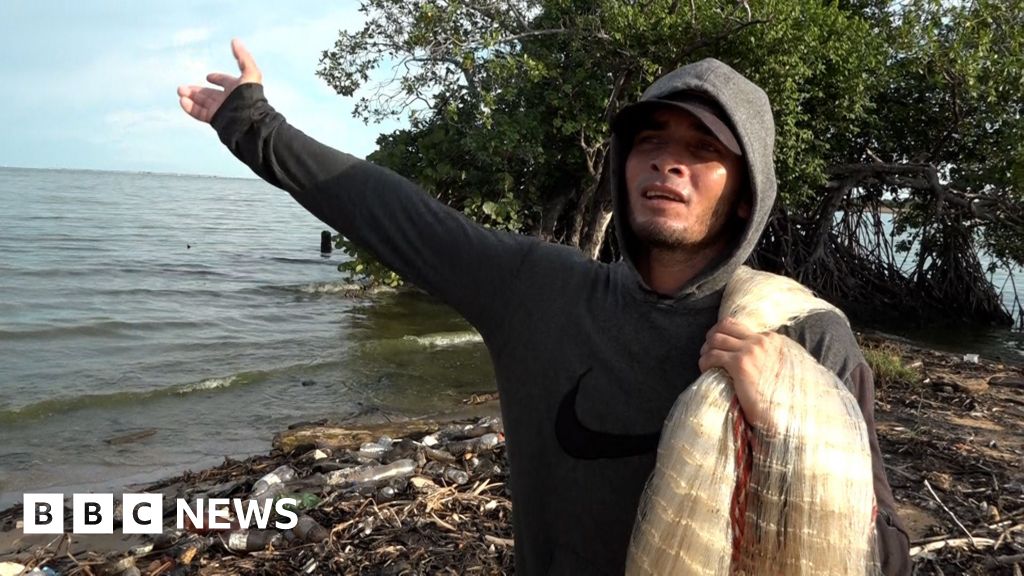
On the ground, the impact of these geopolitical maneuvers ripples through small fishing communities along Lake Maracaibo. Fishermen like Wilder Fernández, who has been at sea for over a decade, now harbor fears that their daily livelihood could be turned fatal amid US military patrols. Fernández and many others are increasingly wary of venturing into waters where the US has conducted strikes, with some even questioning whether their boats could be mistakenly targeted. The concern extends beyond immediate military threats; experts warn that such violence and instability could entrap local fishermen into the hands of drug traffickers and arms smugglers desperate for recruits or cover, thereby entwining economic despair with organized crime. The livelihoods of over 115,000 Venezuelans employed in fishing hang precariously in the balance, as political tensions jeopardize not only their work but their very safety.

In a remarkable act of defiance, hundreds of fishermen in Venezuela recently set out onto Lake Maracaibo in protest, displaying national pride in opposition to US intervention. Spokesman José Luzardo declared his willingness to defend his homeland with his life, epitomizing a burgeoning resistance rooted in a complex mixture of patriotism and desperation. Meanwhile, the Maduro government mobilizes its civilian militia, rallying thousands to stand against what they perceive as a foreign incursion aimed at regime change. This narrative of defiance illustrates that, amidst diplomatic cold war, local societies are thrust into the maelstrom of international power struggles, where their voices risk being drowned out by the thunder of military planes and the echo of sanctions.

As history continues to unfold, the Caribbean’s delicate balance of sovereignty and strategic interests faces a pivotal test. The decisions made by Washington, Caracas, and regional allies today will echo through generations, shaping the geopolitical landscape of Latin America and beyond. While the world watches with bated breath, one thing remains certain: the tides of war and peace in this tumultuous region are still ebbing, with the relentless march of history reminding us that, in the currents of power, no nation is unassailable and no society immune. The question persists—whose legacy will be written in these waters and on these shores? Only time will reveal whether the Caribbean becomes a beacon of resilience or a scarred battlefield of tomorrow’s conflicts.

Venezuelan Activist María Corina Machado Recognized with Nobel Peace Prize

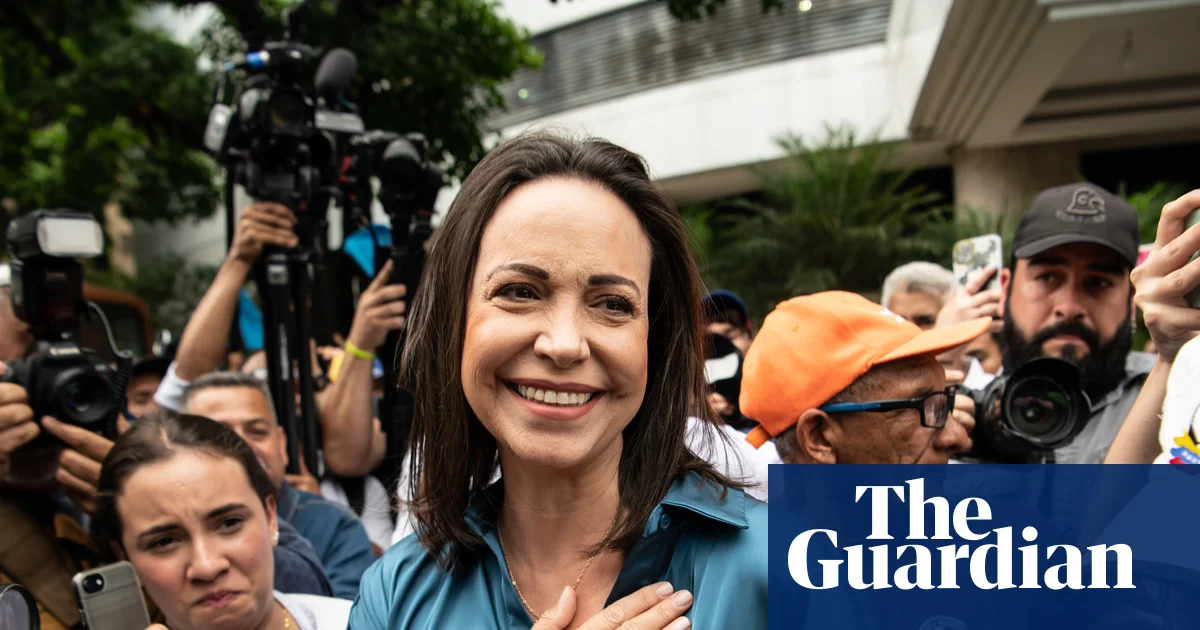
In an extraordinary development that underscores the fierce struggle for democracy against authoritarian regimes, María Corina Machado, the revered opposition figure from VENEZUELA, has been awarded the Nobel Peace Prize. Celebrated globally as a symbol of resilience, Machado’s advocacy for freedom and democratic principles exemplifies the vital role of civilian courage in South America’s ongoing political turmoil. Her recognition by the Nobel committee not only elevates her personal fight but also spotlights the broader geopolitical repercussions of Venezuela’s protracted crisis—a nation once proud of its prosperity, now suffering under the shadow of dictatorship.

The background to Machado’s pivotal ascent is rooted in the controversial July 2024 presidential election, fiercely contested and widely regarded as a decisive moment in Venezuela’s democratic backslide. The opposition, led by Machado’s ally Edmundo González, claimed to have won decisively, a victory nullified by Nicolás Maduro, who refused to cede power. The subsequent crackdown—marked by arrests, exile, and underground resistance—symbolizes the intensified, brutal grip of Maduro’s regime over Venezuela’s political landscape.

Despite her exile and living in hiding, Machado’s symbolic presence remains a rallying point for opponents. Her recent Nobel accolade has ignited hope among Venezuela’s dissident community and international allies, especially the United States. The U.S. has responded with increased military posturing, with reports of a significant naval buildup off Venezuela’s Caribbean coast—an ominous sign that some factions may be preparing for regime change. While such plans remain covert, the potential for external intervention raises profound concerns regarding sovereignty and regional stability, fueling fears of a broader conflict rooted in U.S.-Latin American relations. Analysts from institutions like Chatham House warn that this move could escalate tensions in a nation already torn apart by economic despair and social unrest.

The international community’s stance on Venezuela’s crisis continues to evolve. The United Nations and numerous human rights organizations have condemned Maduro’s government for systematic repression, citing the displacement of nearly 8 million Venezuelans—a staggering exodus driven by poverty, violence, and political persecution. As Machado’s efforts garner global recognition, her Nobel victory illuminates the stark contrast between the hope of democracy and the oppressive reality beneath Maduro’s rule. This recognition is also interpreted as a message to Venezuela’s military and elites: the world is watching, and the legacy of Maduro’s brutalism will be scrutinized in the court of history.

Within Venezuela, Machado’s narrative of courageous resistance continues to inspire widespread protests and civil disobedience. Her decades-long involvement in politics, from confronting Chávez to mobilizing citizens in the current struggle, has cemented her as a symbol of hope. Still, critics point out her controversial calls for foreign military intervention, which some interpret as bordering on reckless and potentially destabilizing. Historians and international observers urge cautious judgment, emphasizing the importance of defending sovereignty, yet acknowledging the profound desire among Venezuelans for justice and renewal. As the world watches each new twist in this saga, the weight of history presses heavy upon the shoulders of both those who fight for freedom and those who seek to maintain order at all costs.

Venezuelan Gang Leader Busted in Colombia: Justice Wins Again

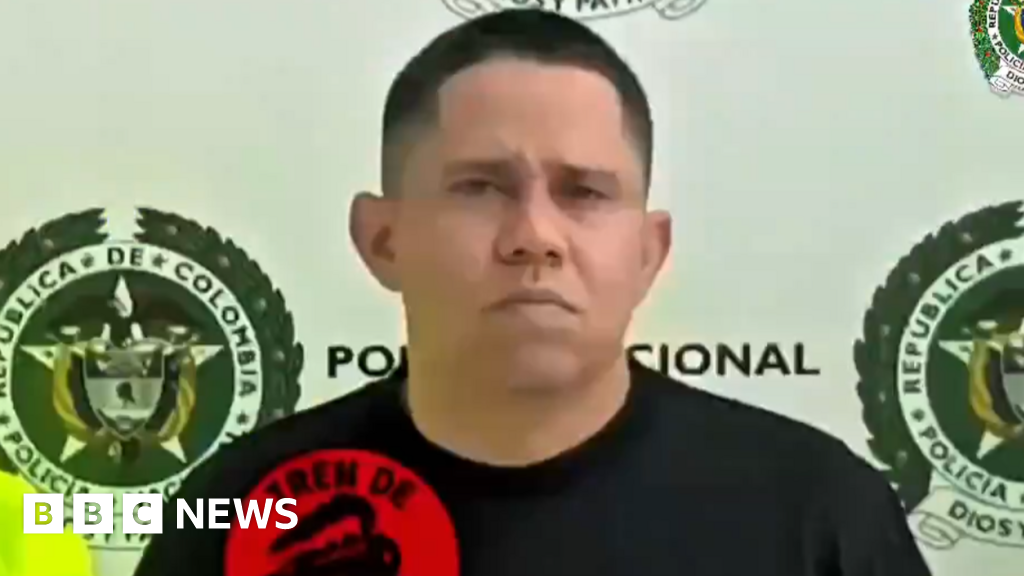
In an unprecedented joint operation, Colombia, the United States, and the United Kingdom have successfully apprehended José Antonio Márquez Morales, alias Caracas, the alleged leader of the armed wing of Venezuela’s notorious criminal organization, Tren de Aragua. This coordinated effort marks a significant escalation in the fight against transnational organized crime in Latin America, particularly in the context of the escalating U.S.-Venezuela conflict. The arrest, which took place in Valledupar, underscores the international community’s increasing willingness to collaborate across borders in handling threats that threaten regional stability and safety.

The significance of this operation extends well beyond the capture itself. According to Colombia’s National Police, Márquez Morales was a critical figure responsible for managing logistics, finances, and operational coordination—covering drug trafficking, extortion, and smuggling. The arrest was facilitated through an Interpol Red Notice, a powerful tool aimed at ensuring the continued pressure on high-profile crime figures worldwide. As noted by international law enforcement officials, this operation not only disrupts the capabilities of Tren de Aragua but also sends a clear message about the increased cooperation and resolve among governments confronting these dangerous organizations.

Meanwhile, the arrest arrives amidst heightened tensions between the United States and Venezuela, centered on the U.S. government’s aggressive anti-drug trafficking policies in Latin America. Under the Trump administration, the U.S. deployed warships into the Caribbean, and last month, authorized military actions against vessels suspected of drug smuggling originating from Venezuela. President Trump’s rhetoric has often accused Venezuelan President Nicolás Maduro of colluding with drug cartels, offering a $50 million bounty for information leading to his capture—an unprecedented move that intensifies the geopolitical standoff.

Analysts from organizations like the Council on Foreign Relations warn that these tensions threaten to compound regional instability. The narrative forwarded by U.S. officials labels Maduro as a key player in the drug trade, an assertion vehemently denied by Caracas, which has condemned Washington’s accusations as politically motivated. The broader geopolitical impact is profound: Latin America finds itself at a crossroads where criminal networks and state actors intertwine, destabilizing entire nations and society. Historically, such conflicts highlight how external interventions can sometimes exacerbate regional peril, emphasizing the urgency of diplomatic rather than military solutions.

As the shadows of this ongoing struggle lengthen, the arrest of Márquez Morales represents a pivotal but fragile victory in a saga defined by intertwined themes of crime, sovereignty, and international power plays. With Venezuela and the region’s stability hanging in the balance, the world watches as history writes the next chapter—one where choices made today will echo through future generations, shaping the geopolitical landscape of Latin America and beyond. The question remains: will this be a turning point towards genuine change, or another fleeting moment in a relentless battle for control? The sands of history are still shifting, and the stakes could not be higher.

Social Media Auto Publish Powered By : XYZScripts.com