Matox News

Truth Over Trends, always!

Japan Seizes Chinese Vessel in Bold Move Amid Rising Tensions with Beijing

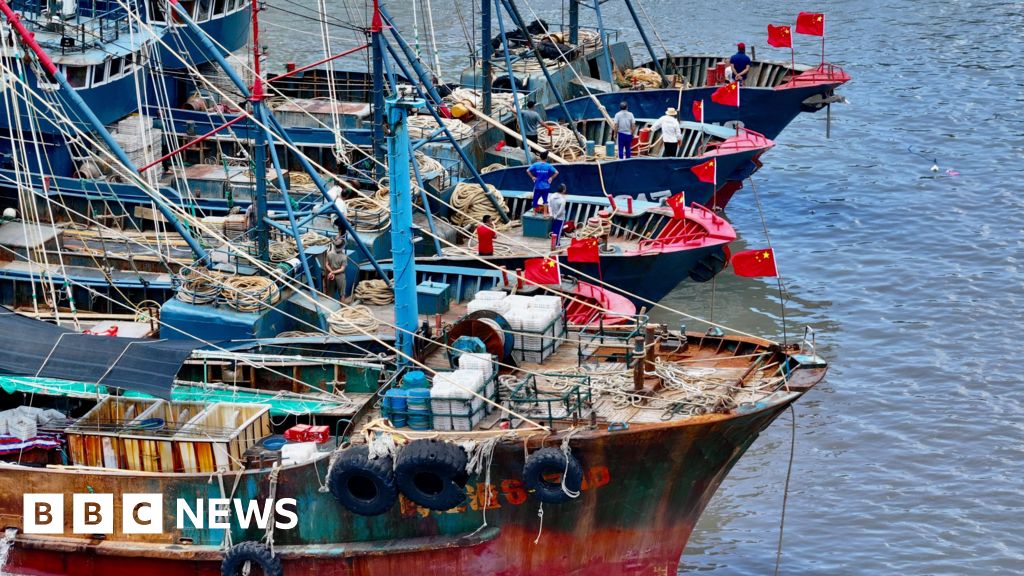
Recently, tensions in the East Asian maritime zone have soared following a provocative act by an unidentified fishing boat that attempted to evade Japanese authorities during a routine inspection inside Japan’s territorial waters. This incident, though seemingly isolated, underscores the growing geopolitical fragility in the region, with Tokyo asserting its resolve to uphold sovereignty amid rising regional disputes. As the fishing vessel made a conscious decision to flee rather than surrender, analysts warn that such acts are emblematic of deeper currents of maritime assertiveness and contestation.

The event has drawn widespread attention from international organizations and regional allies, highlighting the disputes over maritime boundaries that have become a flashpoint for broader geopolitical friction. Japan’s Coast Guard officials reported that the vessel refused to comply with inspection orders, initiating a chase that ultimately ended with the vessel’s capture. Experts note that this act of defiance carries implications far beyond a simple fishing infraction. It raises questions about illegal, unreported, and unregulated (IUU) fishing, which not only threatens Japan’s marine resources but also risks inflaming territorial disputes with neighboring nations, including China and the Republic of Korea.

Within the broader context, such incidents serve as a reminder of the disputed maritime claims that line the Indo-Pacific region and the strategic importance of controlling vital trade routes and natural resources. According to analysts from the International Maritime Organization, these acts of defiance could be precursors to more aggressive behavior, especially if regional powers see opportunities to assert dominance over competitive waters. The incident has also caught the attention of global entities like the United Nations, which stress the importance of adhering to international law, yet recognize that enforcement remains a challenge amid escalating regional nationalism. Historically, maritime conflicts have often served as flashpoints that escalate into broader confrontations, and many fear that unchecked provocations could destabilize the fragile peace established in East Asia since the end of the Cold War.

In response, Tokyo has reaffirmed its commitment to protecting its maritime sovereignty, emphasizing that “any unlawful act against Japan’s security interests will be met with firm measures.” However, critics argue that such incidents should serve as a wake-up call to the global community about the dangers of unresolved territorial disputes and the need for renewed diplomatic engagement. As regional powers like China continue to challenge established borders, the potential for miscalculation—and further confrontations—looms large. The incident, seemingly a minor fishing dispute, epitomizes a larger picture of an evolving geopolitical landscape where sovereignty and resources are battlegrounds frozen in time, yet fiercely contested beneath the surface.

As history continues to unfold on the tumultuous waters of the Pacific, the question remains: will regional diplomacy prevail, or will these aggressive acts ignite a conflict that reshapes international relations? With global nations watching closely and regional actors fortified in their claims, this incident is more than a fleeting maritime disturbance; it is a stark warning of the high stakes involved in controlling the seas—a struggle that could redefine the balance of power for generations to come. The pages of history are turning rapidly, and the world waits to see if diplomacy can quell the rising tide of maritime rivalry, or if the currents of conflict will drown the hopes of peaceful resolution.

Family of missing Colombian youth demand answers after U.S. strike targets suspected drug vessel

In the vibrant coastal regions of Colombia and Venezuela, a quiet lifestyle revolves around the sea — a life rooted in tradition, community, and the pursuit of peace amidst turbulence. Yet, recent US military strikes targeting alleged drug-trafficking vessels have cast a shadow over these once tranquil waters. These covert operations, justified by American officials as efforts to combat narco-terrorism and drug-related violence, have sparked fierce debates about legality and human rights, raising questions about the true cost of national security measures. The stories of local fishermen, like Juan Assis Tejeda and others, reveal a sobering reality: they fear that innocent lives, livelihoods, and even civilians might be caught in the crossfire of international politics.

The US claims that these strikes are necessary defenses against criminal networks that threaten regional stability and American lives, citing an increase in cocaine seizures and the rising toll of fentanyl in the US as evidence. However, critics, including international law experts and local communities, argue that these actions resemble extrajudicial killings—a stark departure from the rule of law that emphasizes arrest, trial, and sentencing. Juan, an experienced fisherman who often surveys the waters near Venezuela, shares a poignant perspective: “We just go after tuna, but sometimes drones hover over us — we’re afraid. It’s not right to be pursued and targeted like terrorists without proof, just for earning a living.” Such testimony underscores that in these moments, what the global stage doles out as “security” can sometimes feel like an assault on everyday lives, on well-being, and on the pursuit of simple peace.

The reactions from regional leaders also underscore the underlying geopolitical tensions. Colombia’s President Gustavo Petro has challenged the US’s narrative, condemning the strikes that reportedly killed civilians, including local fishermen and farmers. Petro’s stance aligns with a broader suspicion: that behind the veneer of anti-drug efforts lies an attempt to exert political pressure on Venezuela’s government and its controversial leader, Nicolás Maduro. Many locals believe that these military moves serve as a tool to destabilize the region further, possibly paving the way for more direct American influence, which could threaten the sovereignty of these nations and their communities. Such multi-layered tensions bring to light a crucial fact—lifelines of culture and livelihood are often caught in the crossfire of superpower ambitions.

Amid these turbulent waters, the local community’s resilience remains a quiet but powerful force. Stories from fishermen like Mr. Tejeda show their unwavering desire to live peacefully, unaffected by the global game of power. These men and women are not targets—they are just ordinary people caught in extraordinary circumstances. Their stories serve as a reminder that, at the heart of every geopolitical conflict, there are human lives seeking stability and dignity. As these small villages watch and wait, they embody the spirit of relentless hope: a hope that one day, diplomacy and respect for sovereignty will prevail, and the love of the sea will return to being a source of life, not conflict.

Reflecting on these narratives leaves us with a profound understanding: lifestyle is more than leisure or routine; it’s a journey to embrace resilience in uncertainty. These coastlines, woven with stories of struggle and hope, remind us that true security arises not from the barrel of a gun, but from respect—respect for life, for community, and for sovereignty. As we watch these waters, may we find the wisdom to navigate our own lives with clarity and purpose, standing for fairness amid the chaos, and cherishing the peaceful pursuits that truly define our well-being.

Social Media Auto Publish Powered By : XYZScripts.com



