Matox News

Truth Over Trends, always!

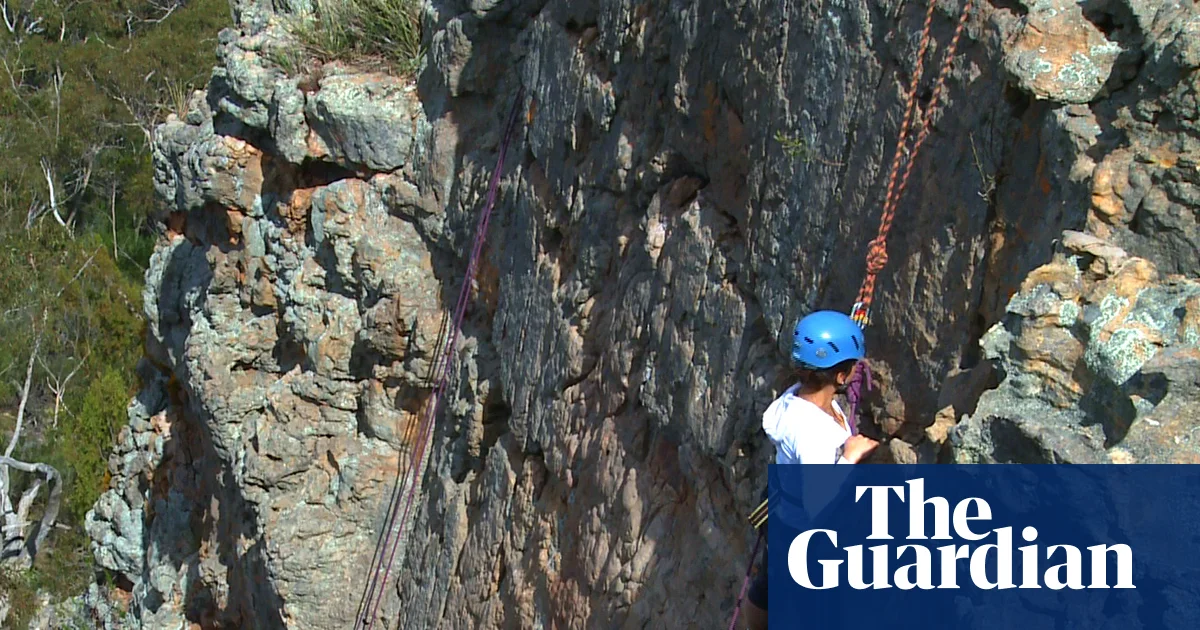
Victorian climbers question ban on Mount Arapiles Indigenous sites: "Are they really going to chase us away?"
Victorian climbers question ban on Mount Arapiles Indigenous sites: “Are they really going to chase us away?”

In a striking display of international tensions over land use, the ongoing controversy surrounding rock climbing in Victoria, Australia underscores a broader geopolitical debate over the recognition and respect of Indigenous heritage versus individual freedoms and recreational pursuits. At the heart of this dispute lies Mount Arapiles, a globally renowned climbing destination, which is also a site of immense cultural significance containing ancient rock art and artefacts dating back over 3,000 years. Despite governmental efforts to curb access—through voluntary bans and proposed legal restrictions—climbers, backed by passionate communities, continue to challenge these measures, highlighting the deep rift between cultural preservation and personal passion.

This spat isn’t just about climbing; it echoes worldwide conflicts over preservation of Indigenous sites and sovereignty. Australia’s Dyurrite region, as highlighted by officials from Parks Victoria, is teeming with tens of thousands of artefacts and a giant Indigenous stone quarry complex, demanding a nuanced management response. The state government’s proposal to amend the management plan, possibly leading to a full ban on climbing in key areas, has ignited fierce opposition. According to a recent consultation, involving over 1,000 voices—90% of whom are climbers—there’s a palpable sense of loss within the community. Many see restrictions as a dismissal of the land’s cultural and recreational importance, threatening the very soul of one of Australia’s most cherished outdoor pursuits. Analysts like Dr. John Edwards, a cultural historian, warn that such measures risk alienating local communities and emboldening anti-heritage sentiment, if not carefully balanced with meaningful respect for Indigenous rights.

The international impact of this conflict extends beyond the borders of Australia. As debates about Indigenous sovereignty and land rights intensify worldwide—spanning regions from North America to Africa—this saga serves as a proxy battleground for global discussions. The decisions made here could influence international policies on cultural heritage management, highlighting the delicate diplomacy necessary to navigate conflicting interests. The dispute at Mount Arapiles also exposes the potential for international organizations like UNESCO to step into the fray, urging governments to handle such matters with respect, transparency, and inclusivity. Meanwhile, climbing communities, inspired by stories of Indigenous resilience and ecological importance, are mobilizing with increased vigor, urging policymakers to reconsider restrictions.

As the struggle deepens, the climbers’ defiance stands as a testament to a broader cultural movement questioning not just land use, but the very nature of freedom and heritage in a globalized world. Despite official claims that “the great outdoors are to be experienced and admired, not locked away,” the fierce determination of activists and climbers alike magnifies the weight of historical responsibility and the enduring clash of values. With each new protest and legal challenge, history continues its relentless march, leaving the world to face the enduring question: can a nation honor its ancient past without sacrificing its modern pursuits? As the future of Mount Arapiles hangs in the balance, so too does the message that the decisions made today will echo through generations—defining the cultural landscape of tomorrow amid the echoes of history’s unfolding narrative.
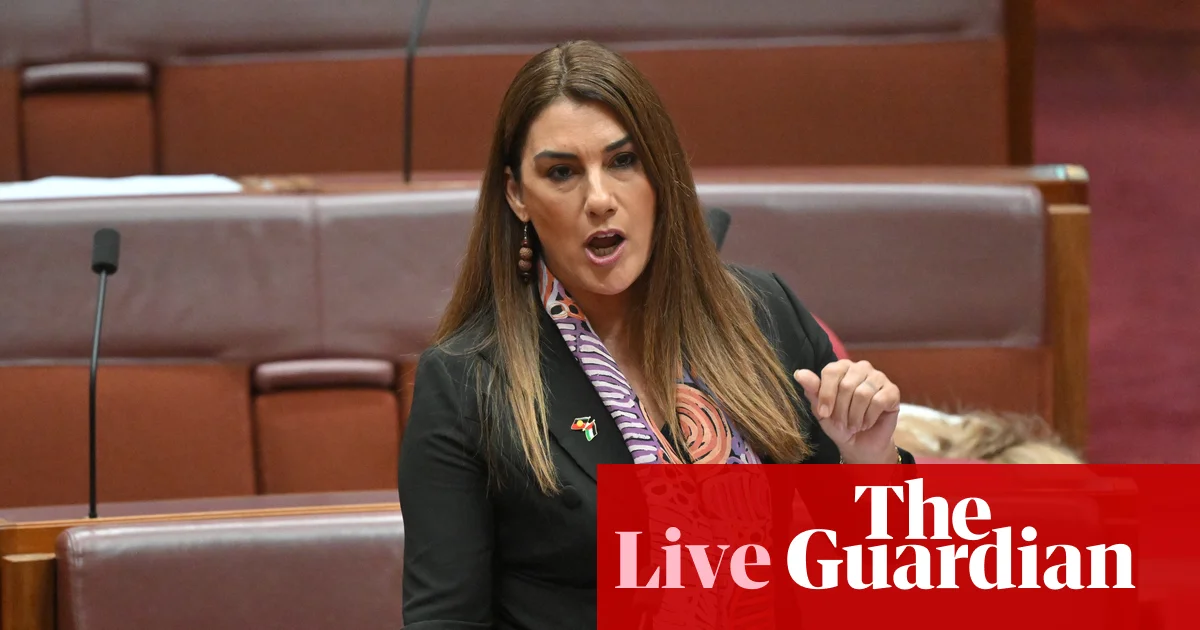
Australia News Live: Thorpe tells Albanese to move past Voice setback after Indigenous treaty clears Victorian parliament

Emerging Shifts in National Commitments and International Tensions Reshape Global Geopolitics

In a landscape steeped in rapid change, recent developments across nations reveal a profound transformation in how countries are engaging with issues of sovereignty, policy independence, and international cooperation. Australia has taken a historic step, passing its first treaty with traditional owners in a move that has sent ripples through geopolitics and Indigenous rights globally. This milestone signifies a break from past colonial frameworks and signals a potential recalibration of national identity and sovereignty. As Lidia Thorpe, a prominent Indigenous senator, asserts, this treaty marks a good start towards “real self-determination”, challenging the long-standing narrative that post-colonial states are resigned to their subordinate roles within global structures.

However, this progressive shift is not happening in isolation; it feeds into a broader contest for national sovereignty witnessed elsewhere. In Victoria, the passage of the Indigenous treaty aligns with a global increase in directly empowering indigenous and local governments—yet, critics warn that such victories could be undermined by overarching international pressures or domestic political stalls. Meanwhile, in Queensland, a tragic incident involving a young girl struck by lightning exemplifies the ongoing domestic crises rooted in local societal challenges—an inward reflection on societal resilience amid external geopolitical turbulence.

The international arena is also seeing strategic realignments. Australia and Papua New Guinea are deepening their security cooperation through new agreements designed to both enhance regional stability and counter transnational crime. These steps are emblematic of a wider surge in regional diplomacy, motivated by rising external threats from expanding powers like China and Russia. Similarly, Australia’s partnership with Papua New Guinea aims to fortify borders against illicit flows, emphasizing the importance of sovereignty while navigating the complex web of international alliances.

Within this context, debates over climate policy reflect a growing divide between economic independence and international commitments. Maria Kovacic and other members of the Liberal faction are grappling with the necessity for a feasible path toward net zero, including potential reliance on nuclear technology—a move that could alter the tectonic plates of global energy politics. Analysts warn that such policy debates are not merely domestic; they are the battlegrounds for influence over energy markets and technological dominances that will define the twenty-first century. Meanwhile, the Australian government faces accusations of opacity, with calls to improve transparency and accountability—an internal struggle that underscores tensions within the fabric of liberal democracies worldwide.

As history accelerates, we are witnessing the dismantling of old paradigms and the rise of new configurations—some peaceful, others fraught with conflict. The passage of treaties, the forging of security alliances, and the internal policy debates reflect a world that is both reshaping and being reshaped. Time will reveal whether these shifts forge a more sovereign, just, and balanced future or plunge nations into deeper crises of identity and trust, echoing the tumult of our most turbulent eras. The pages of history are turning—what will they record about this pivotal decade in global history?

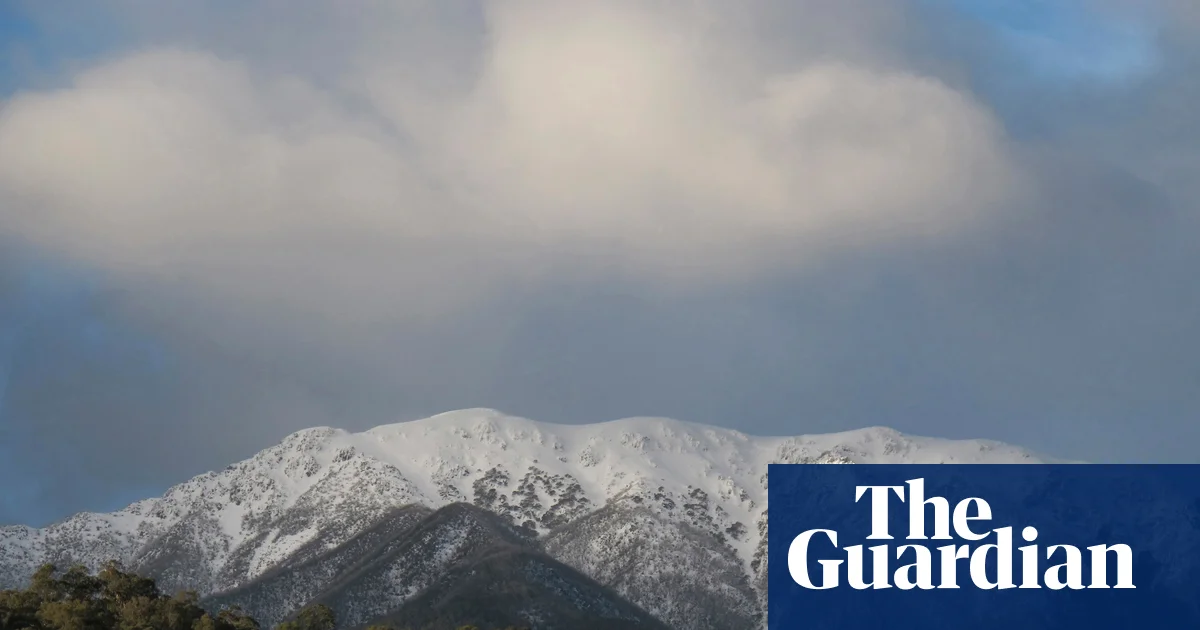
Emergency responders recover two hikers' bodies in Victorian high country
Emergency responders recover two hikers’ bodies in Victorian high country

Global Unrest and Nature’s Fury: A Reflection of Our Times

While the world witnesses a series of international shifts and political upheavals, a series of harrowing tragedies in the Australian high country serve as a stark reminder of the unpredictable forces that threaten societies worldwide. Last week, emergency services recovered the bodies of two women in the Victorian highlands—an event that, while seemingly isolated, underscores the fragile balance between human ambition and nature’s indomitable power. The deaths, deemed not suspicious by authorities, highlight the challenges faced by adventurers venturing into remote wildernesses—places characterized by their pristine beauty yet unforgiving terrain. This incident, much like other recent emergencies, illuminates the importance of preparedness and respect for nature, especially as global climate change intensifies extreme weather and environmental unpredictability.

Across the Tasman Sea in Tasmania, another tragedy unfolded—this time within the savage embrace of its world heritage wilderness. A woman drowned during a rafting expedition on the Franklin River, with initial investigations attributing her demise to her raft flipping amidst rapids. These incidents, involving local and interstate experts, reveal a significant shift in the safety landscape of outdoor adventure tourism—an industry increasingly challenged by changing environmental conditions. The resilience of Tasmania’s search and rescue teams, deploying helicopter resources and wilderness paramedics, underscores the critical importance of expertise and rapid response in preserving life amid escalating natural dangers. Analysts warn this may be a sentinel warning of a broader pattern: as climate variability worsens, even seasoned explorers are vulnerable, forcing nations to adapt and upgrade safety protocols in wilderness regions.

Amid these tragedies, international observers and historians reflect on how such events are microcosms of a larger geopolitical narrative. The ongoing shift in global priorities, with many nations grappling with internal crises and external pressures, might inadvertently divert attention from environmental safeguarding. As China and Russia expand their influence—asserting military and economic dominance—other nations face further challenges in prioritizing natural resource management and environmental resilience. Meanwhile, the United Nations warns of increasing climate-induced disasters, advocating for coordinated international action, though skeptics argue that geopolitical interests often hinder genuine cooperation. These tragedies are a stark reminder: environmental stability and human safety are intertwined with the decisions made in global power corridors.

As history continues to unfold in real-time, the events of this week serve as a sobering chapter in our collective story. From the rugged landscapes of Australia to the volatile corridors of power shaping our global future, humanity faces a relentless test: will we learn to respect and adapt to the forces beyond our control, or will neglect and complacency consign us to repeat the tragedies of the past? With every life lost in the wild, the weight of history presses down—reminding us that the battle to preserve life and environment is, ultimately, the defining challenge of our era.

Social Media Auto Publish Powered By : XYZScripts.com



